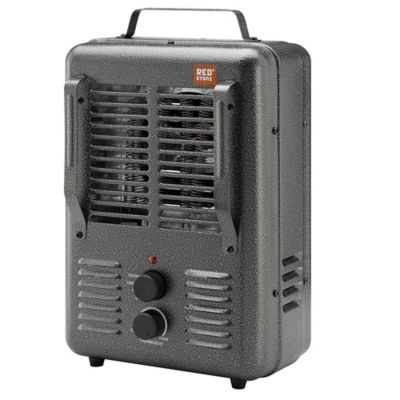
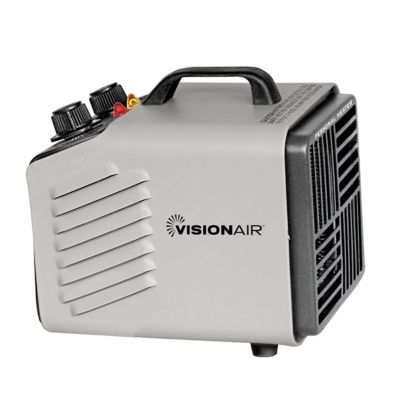
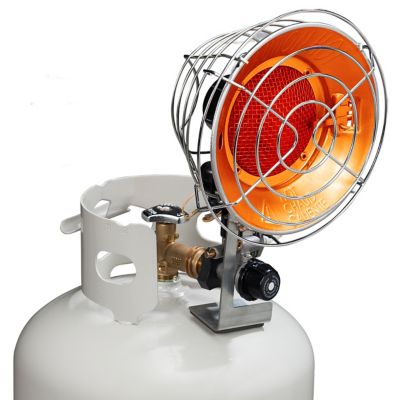
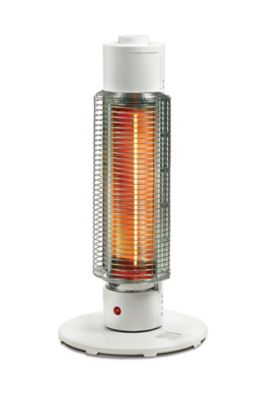
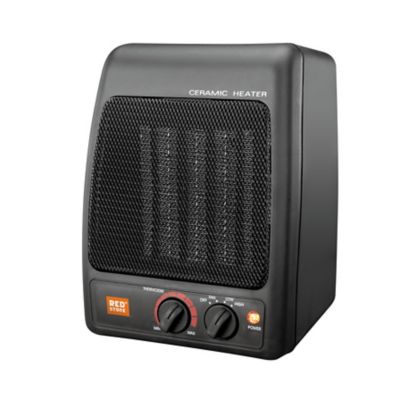
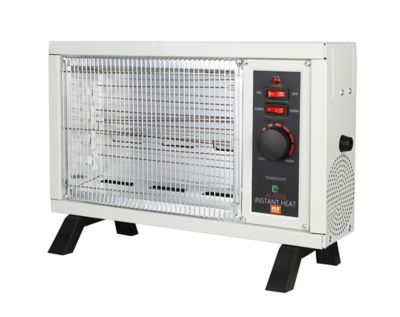
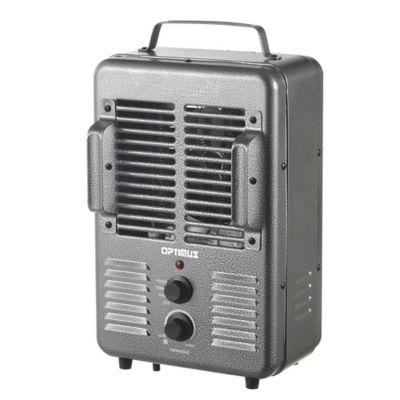
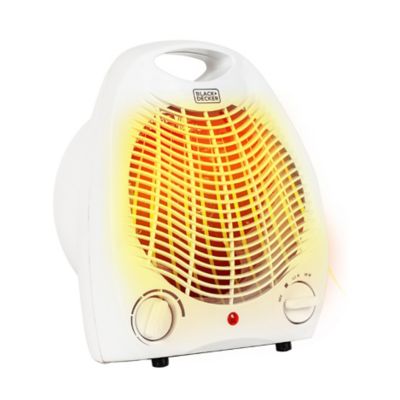
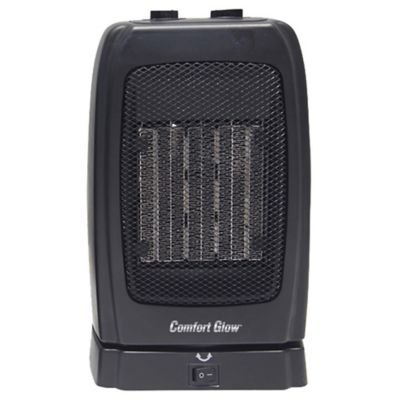
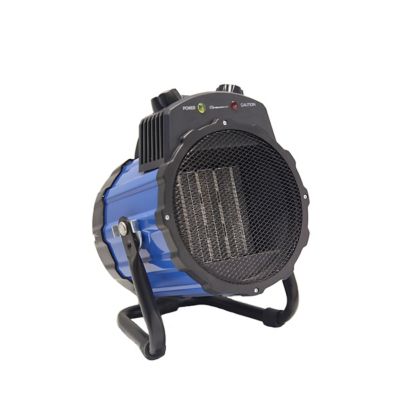
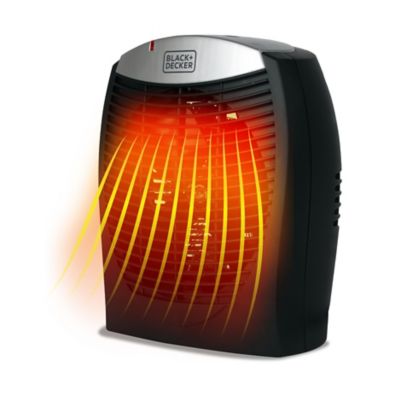
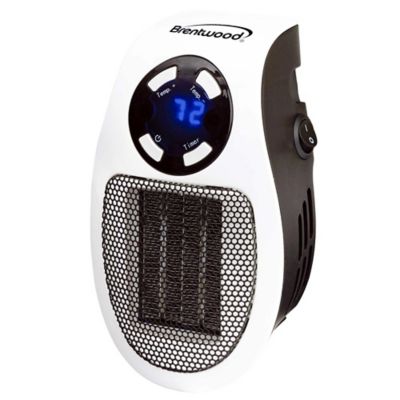
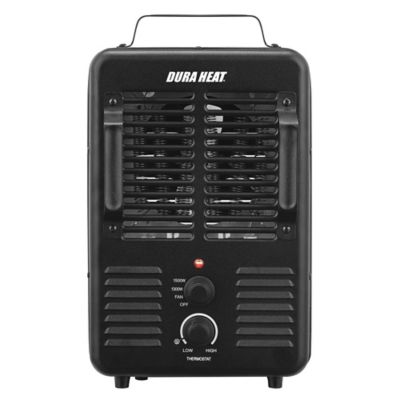
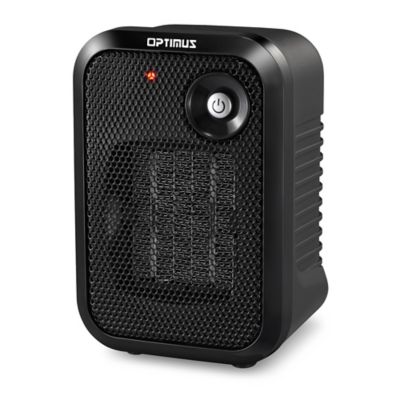
Portable electric heaters bring warmth to the places where people sit, work, and spend time, whether that is a farmhouse office, a spare bedroom, or a small sitting room off the kitchen. These heaters supplement a home’s main heating system rather than replace it, making room size and intended use important parts of the fit. Common designs include ceramic heaters, fan-forced heaters, radiant heaters, and oil-filled electric radiators. Ceramic and fan-forced designs move warmed air through a space, while radiant designs direct warmth toward nearby people and surfaces. Oil-filled electric radiators warm sealed fluid inside their fins and release heat gradually; that fluid is not a fuel supply that needs refilling. Many portable electric space heaters have a maximum setting of 1,500 watts, though wattage and electrical requirements vary by model. At a continuous 1,500-watt setting, a heater draws 1.5 kilowatt-hours of electricity over an hour; lower settings and thermostat cycling change that total. Heat settings adjust output, while an adjustable thermostat helps maintain a selected temperature by cycling the heater as needed. Neither feature makes every heater suitable for every room. Ceiling height, insulation, drafty windows, and open doorways all affect how a space feels. A small enclosed office presents a different heating task than a tall room with an open stairway. Published room-size recommendations provide useful context, but the room itself still matters. Fan-equipped designs can distribute warmth around a seating area, while their operating sound may be more noticeable beside a desk or television. Radiant designs can suit a stationary spot where direct warmth matters more than air movement. Simple controls, readable markings, and an easy-to-reach power switch also make a difference in everyday use, especially when a heater moves between a home office and another permitted indoor space. The best match balances heating style, room conditions, and the way that space gets lived in.
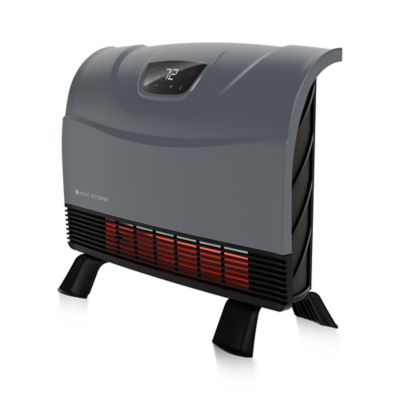
A heater’s footprint includes more than the space beneath its base. Required clearance around the front, sides, and top determines whether it belongs beside a reading chair, along an open wall, or somewhere else entirely. For rooms where height and placement matter,
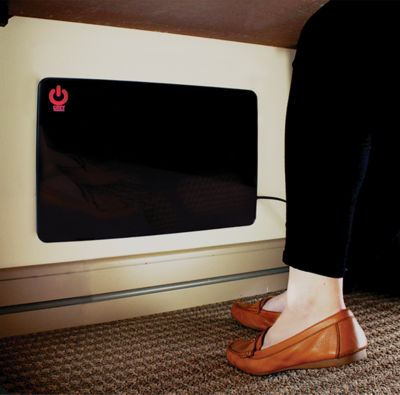
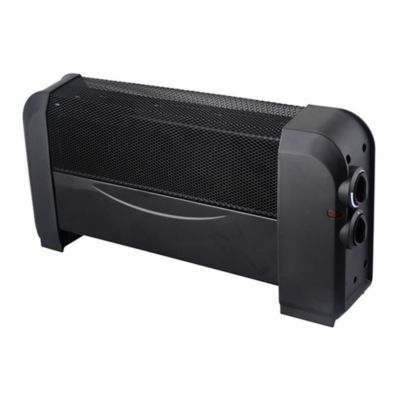
Low Profile Heaters offer another shape to consider, with the same need to check dimensions, installation requirements, and clearance instructions. A shorter housing does not make a heater suitable for sliding beneath furniture or tucking behind curtains. Portable heaters need a stable, level surface approved by the manufacturer, away from foot traffic, bedding, paper, and anything else that can catch fire. A minimum three-foot separation from combustible materials is a common safety recommendation, and any greater distance in the heater’s instructions takes priority. That matters in a busy household where a blanket slips off the couch or a laundry basket lands near an open patch of floor. Tip-over shutoff and overheat protection are helpful safety features, but they do not replace proper placement or supervision. Children and pets need separation from hot surfaces, including grilles and radiator fins that can remain warm after power is switched off. Carry handles can make moving a heater easier, but the unit needs time to cool first. Most portable electric space heaters require a direct connection to a suitable wall outlet rather than an extension cord or power strip. The heater’s electrical rating and the circuit’s other loads matter, too; a high-draw appliance sharing that circuit can create problems. A loose plug, damaged cord, or outlet that becomes hot calls for stopping operation and having the issue checked. Controls such as timers, oscillation, and remote operation add convenience on models equipped with them, but a timer is not permission to leave a portable heater running unattended or while sleeping. Clear placement and straightforward operation matter just as much as the number of settings on the control panel.
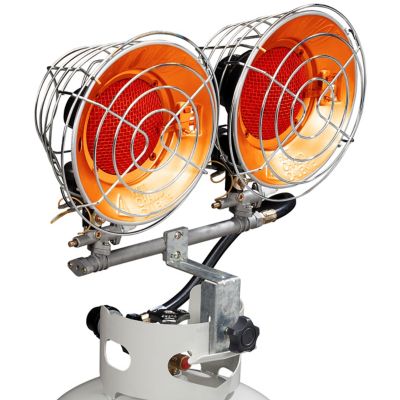
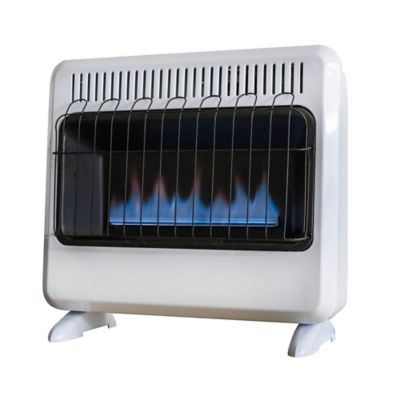
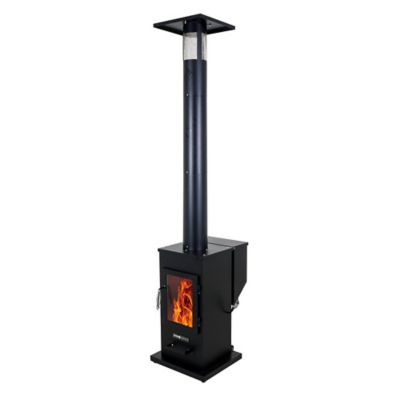
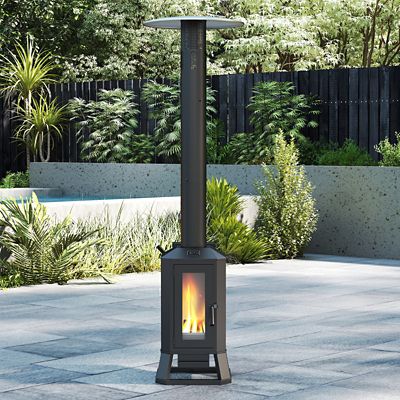
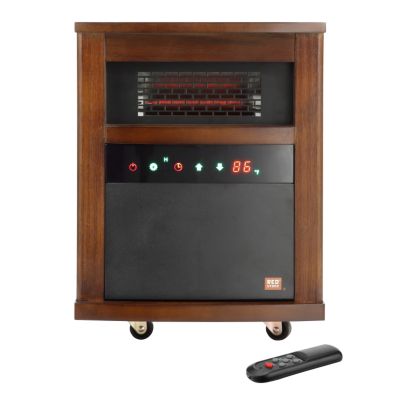
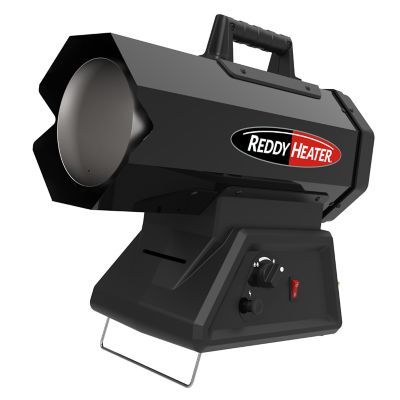
Materials and construction affect how a heater fits into daily life, from the feel of its controls to the care its housing needs. Steel cabinets, metal grilles, molded housings, and enclosed heating assemblies appear across different heater designs, each with its own handling and cleaning requirements. A metal exterior is not automatically cool to the touch, and a molded shell does not mean every surface stays cool during operation. A broad base, secure feet, and firmly attached controls are practical details for a heater that may travel from a closet to an office several times a season. On larger electric radiators, wheels can help with movement across a suitable floor, though thresholds and thick rugs can complicate that trip. Cord length also affects placement, since the heater still needs an appropriate outlet without stretching the cord across a walkway. Routine care generally centers on keeping air openings clear and checking for damage. After the heater is unplugged and fully cooled, cleaning should follow its instructions; many housings need only a soft cloth, while accessible vents may permit gentle vacuuming. Water, spray cleaners inside the housing, and improvised repairs can create electrical hazards. Dust buildup deserves attention in rural homes where boots, work clothes, and open doors bring grit indoors. A household room heater is not automatically suitable for a barn, poultry house, damp utility area, or workshop with airborne dust, fuel, or solvent vapors. Those spaces call for equipment expressly rated for their conditions. Electric and fuel-burning heaters also have different ventilation and placement requirements, so an outdoor jobsite heater is not interchangeable with an indoor room heater. For someone furnishing a first home, setting up a quiet office, or making a guest room more comfortable, practical details matter more than extra buttons: an appropriate heating method, manageable size, clear controls, and a sensible place to operate it. Between periods of use, a clean, dry storage spot and a loosely arranged cord help keep the heater ready for its next inspection and setup.