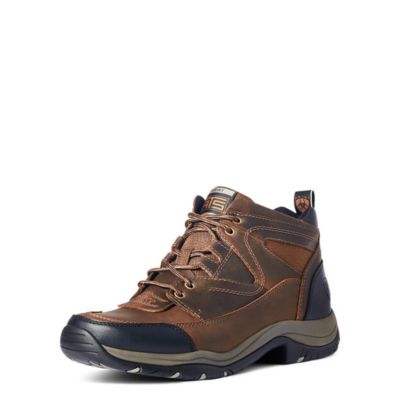
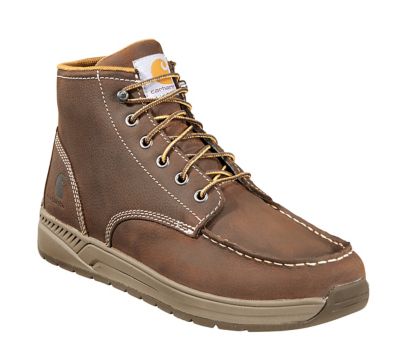
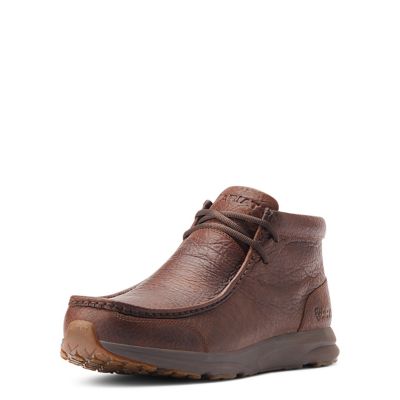
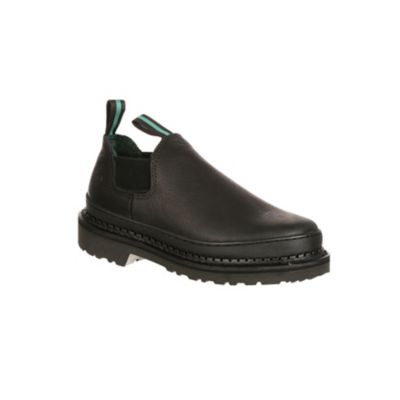
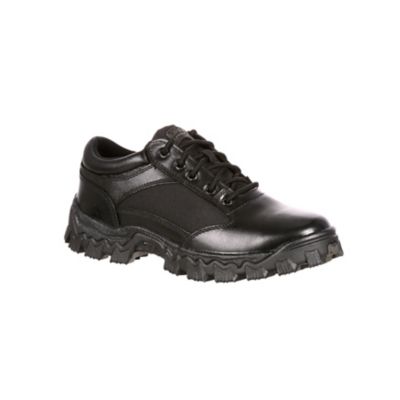
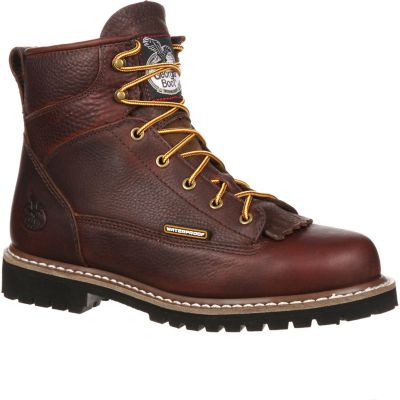
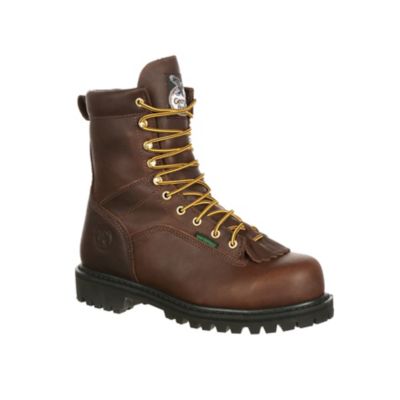
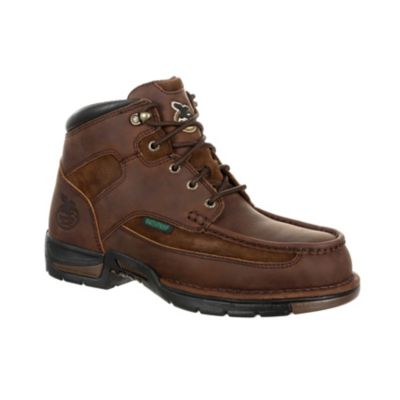
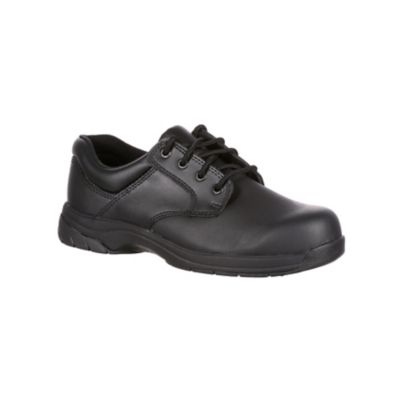
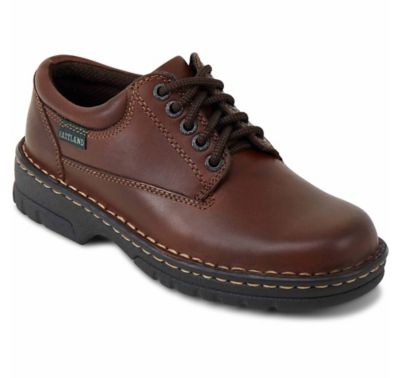
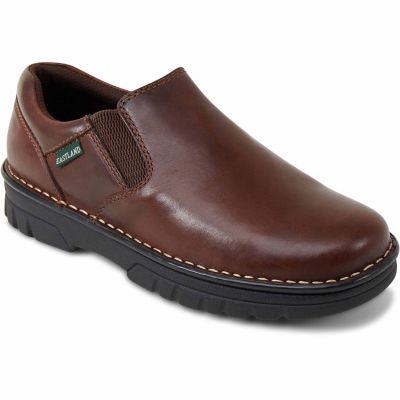
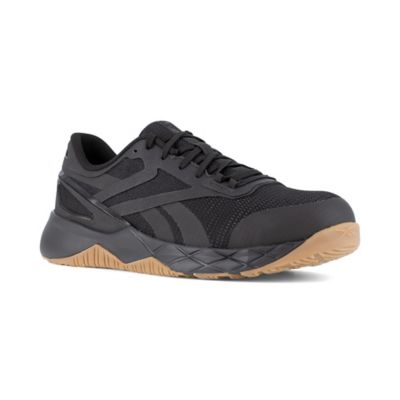
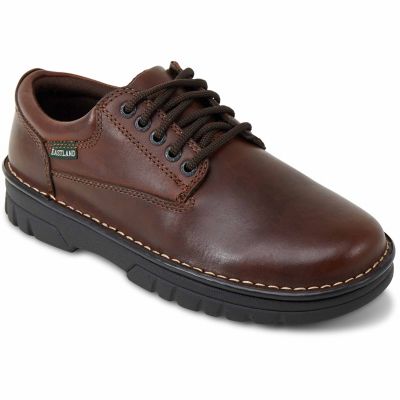
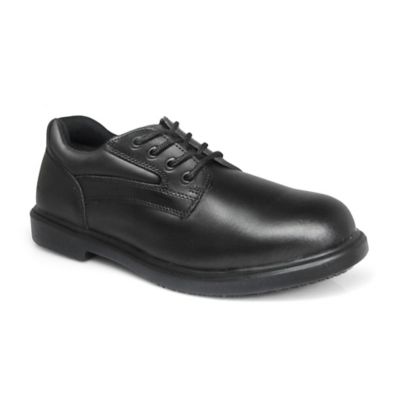
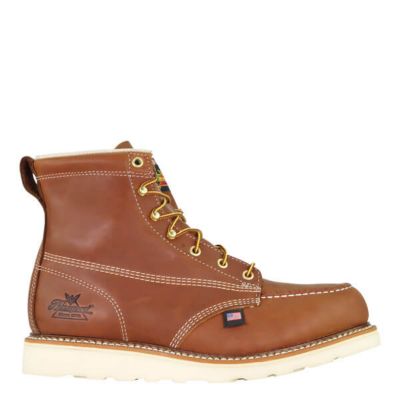
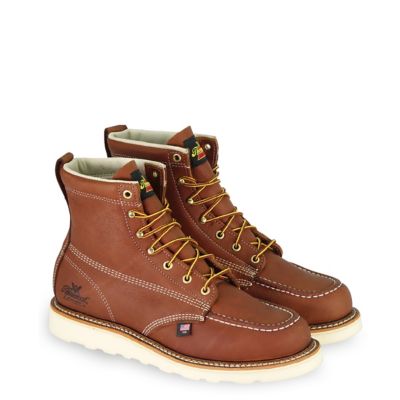
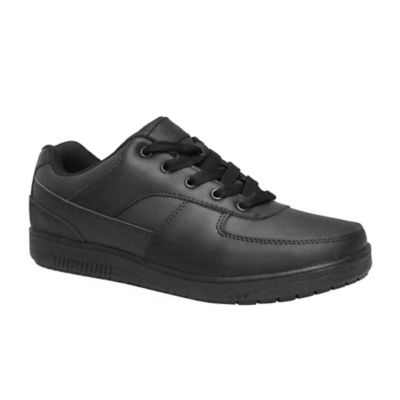
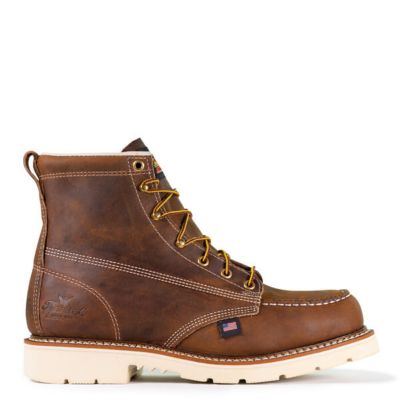
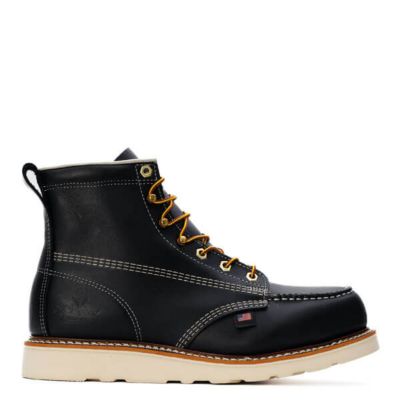
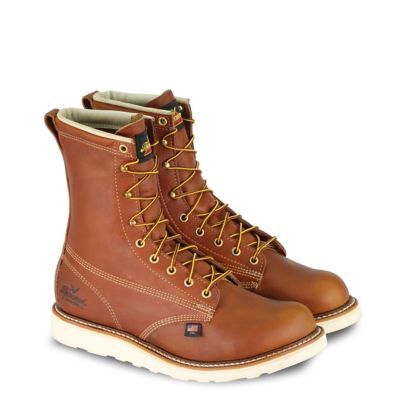
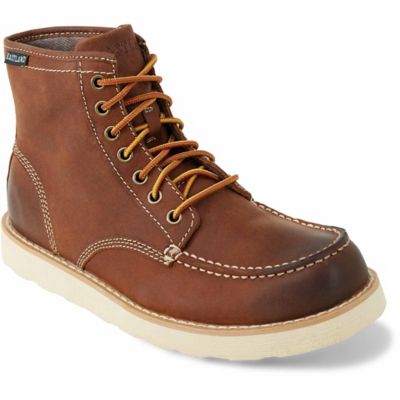
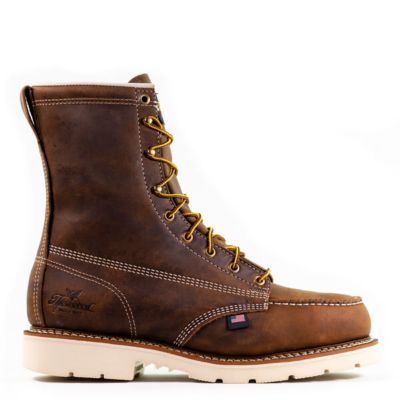
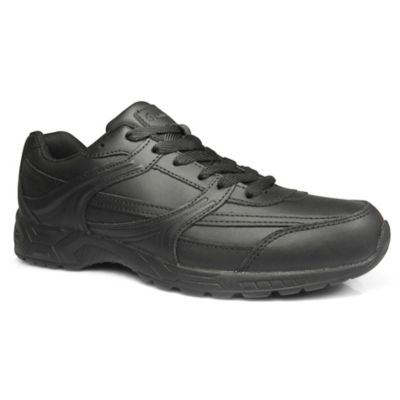
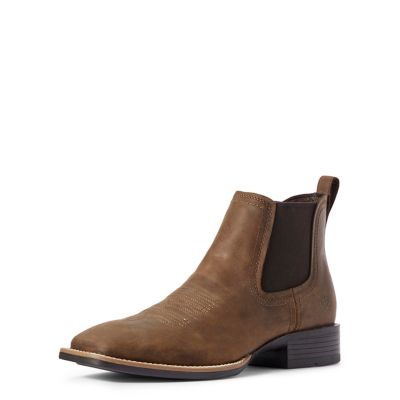
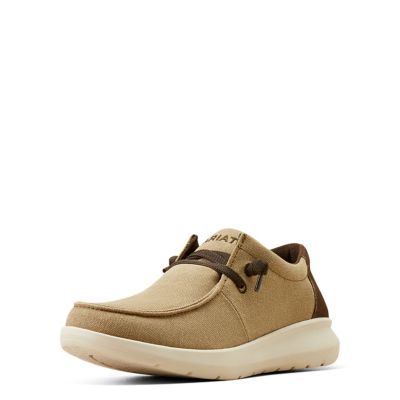
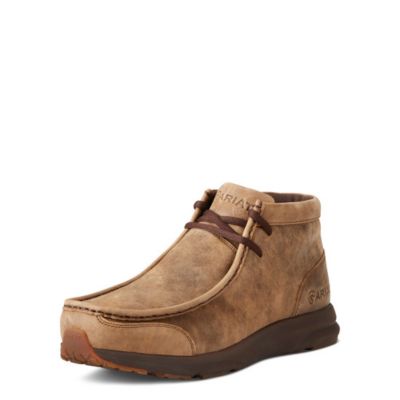
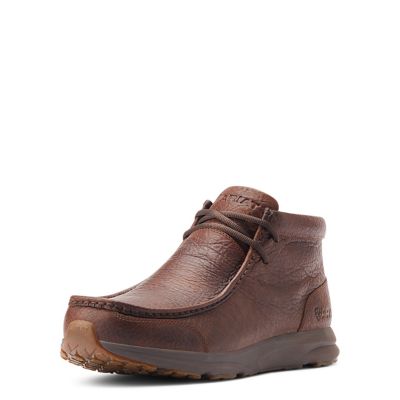
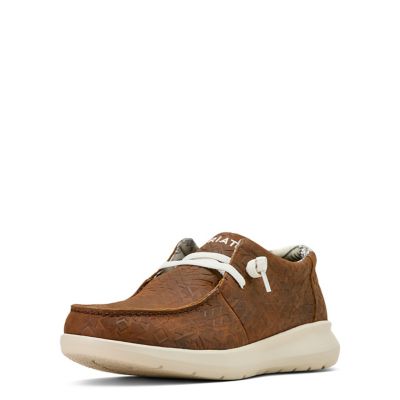
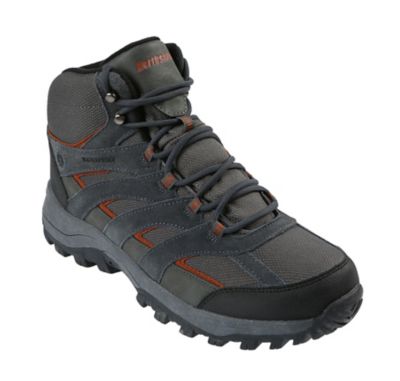
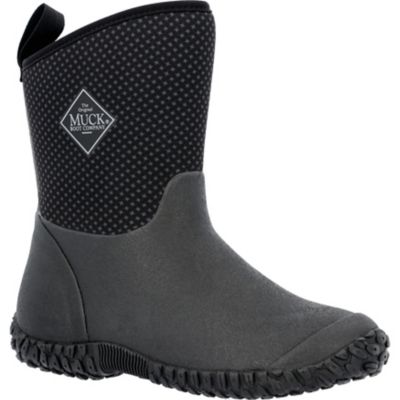
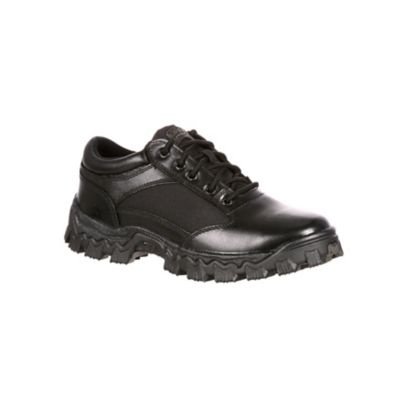
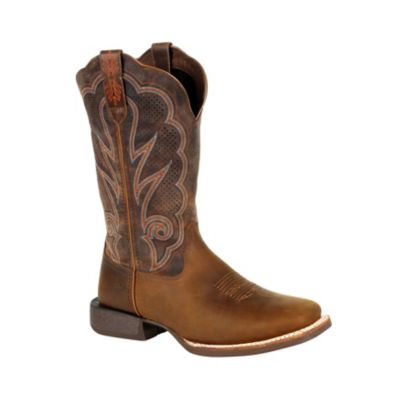
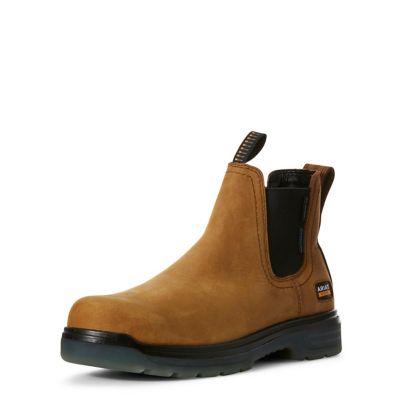
When you need footwear that can keep up with work, travel, chores, and everyday wear, long lasting shoes are built around more than a tough-looking finish. Pay close attention to the way the shoe is made, since construction often has as much to do with service life as the material on top. Stitch-down and Goodyear-welted designs attach the upper, midsole, and outsole with durable stitching, giving the shoe a sturdy foundation and making it easier for a skilled cobbler to replace a worn sole. Blake-stitched footwear can also be repaired in many cases, while glued-on foam soles may be comfortable and lightweight but are generally harder to rebuild after they separate or wear smooth. A full-grain leather upper is another dependable choice for boots and shoes that see regular use. It can develop a weathered, broken-in look while standing up to scuffs, dust, and daily handling, especially when it is cleaned and conditioned. Durable synthetic materials can be useful too, particularly for lightweight outdoor shoes, but look for reinforced stitching, protected toe areas, sturdy eyelets, and outsoles with a well-defined tread. Rubber outsoles are a practical choice for gravel drives, barn floors, wet sidewalks, and uneven ground because they offer traction and resist everyday abrasion. Laces are often simple to replace and adjust, which can be an advantage over complicated plastic hardware or zippers that may fail after repeated stress. For jobs around livestock, gardens, workshops, or construction areas, consider a roomy but secure fit, a supportive midsole, and a sole rated for the surfaces you encounter. Safety features such as a protective toe, electrical hazard protection, slip resistance, or barnyard-resistant materials may be worth prioritizing when footwear is part of your daily work gear.
The best long lasting shoes are the ones suited to how you actually spend your time. A person who spends long hours on concrete may need cushioning, arch support, and a stable heel, while someone walking trails or checking fence lines may get more value from a waterproof membrane, a lugged rubber outsole, and a flexible upper that moves with the foot. For outdoor chores during cooler, wetter stretches of the year, waterproof or water-resistant materials help keep socks dry, but breathability still matters when you are moving steadily or working indoors. Heavy-duty boots can be a smart fit for demanding labor, hauling, maintenance, and time spent in the yard, whereas a lower-profile walking shoe may be more comfortable for errands, travel, and casual daily wear. Shoppers looking for an easygoing pair for town, porch sitting, light chores, or weekends away can also browse
Comfortable Casual Shoes for footwear that balances relaxed comfort with dependable construction. Fit should leave enough room for your toes to spread without letting the heel slide, and thicker work socks should be considered before choosing a size. Try shoes on toward the end of the day, when feet have naturally expanded, and walk on a clean surface to check for rubbing at the heel, ankle, tongue, or toe box. A little break-in time is common with substantial leather footwear, but sharp pressure points, numbness, or pinching usually signal the wrong shape rather than a shoe that simply needs more wear. Long lasting shoes can make a thoughtful gift for someone who works outdoors, spends weekends hiking, travels for work, or is always hard on footwear. A well-made pair can be especially useful for a new homeowner, ranch hand, tradesperson, gardener, or family member who prefers practical gifts that earn their place through regular use.
Good care helps dependable footwear stay dependable. Remove dirt and grit after muddy walks or dusty chores with a soft brush, then allow shoes to dry at room temperature before storing them. Avoid placing leather directly beside a heater, woodstove, or other strong heat source, since rapid drying can pull out natural oils and cause cracking, shrinking, or stiff spots. If shoes become soaked, take out the insoles and laces when possible, open the tongue, and let air move through them naturally. Leather conditioner used occasionally can help keep full-grain uppers flexible, though too much product may soften the leather or attract dirt. Waterproofing treatments should match the shoe’s material and be tested in an inconspicuous area first. Rotate between two pairs when your routine allows it; giving each pair a full day to air out can help moisture from sweat and weather evaporate before the next wear. Keep an eye on the outsole tread, heel wear, stitching, eyelets, and areas that crease with every step. Replacing a worn insole, heel cap, or outsole may extend the life of a well-built shoe and cost less than starting over. Store footwear clean and dry, with the laces loosened and the shape supported by paper or shoe trees when appropriate. During the cooler months, this simple routine helps protect shoes from wet ground, salt, slush, and packed-in mud, while regular brushing and conditioning keep them ready for the next trip to the barn, jobsite, trail, or feed store. With the right fit, sturdy materials, repair-friendly construction, and a little attention after hard use, long lasting shoes can stay comfortable and useful through countless miles and seasons.