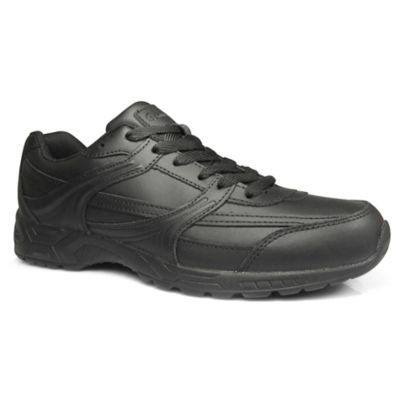
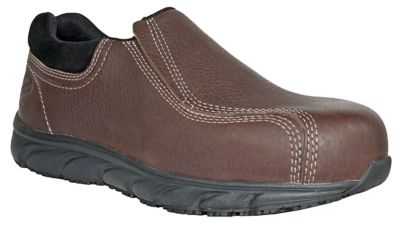
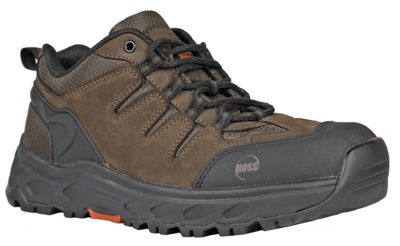
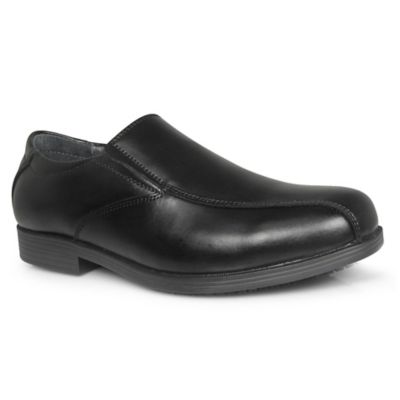
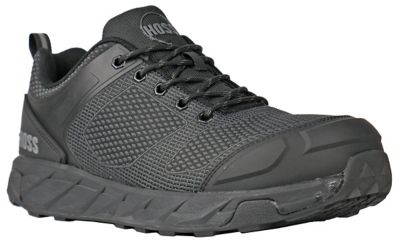
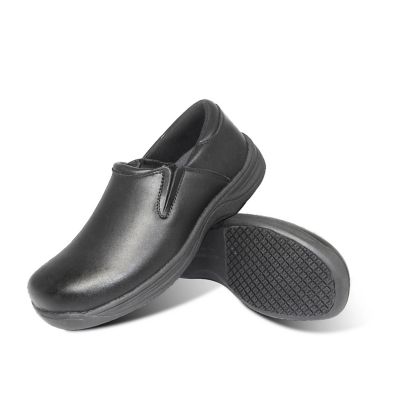
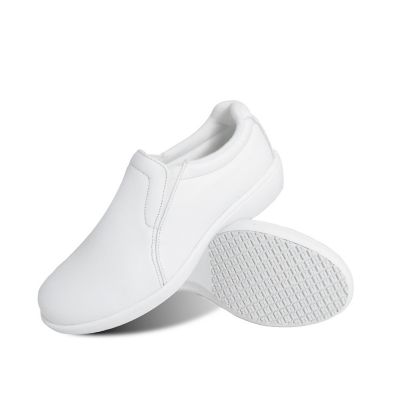
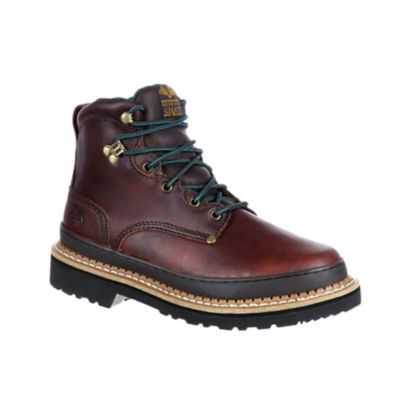
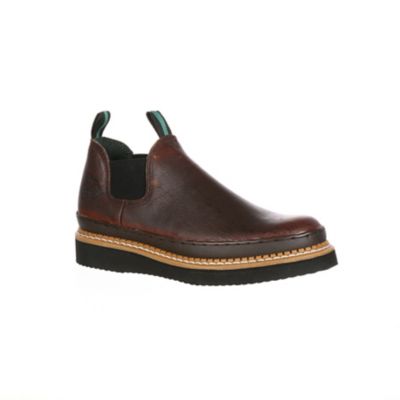
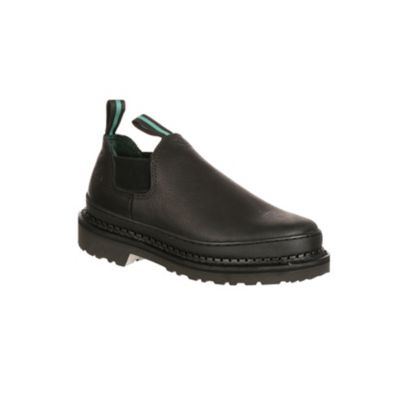
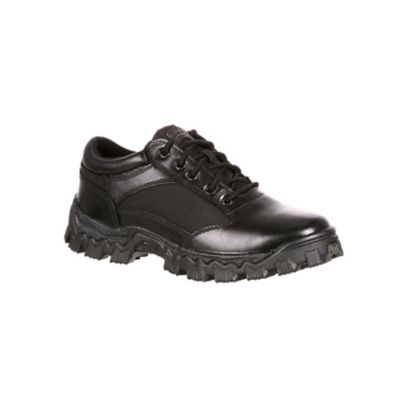
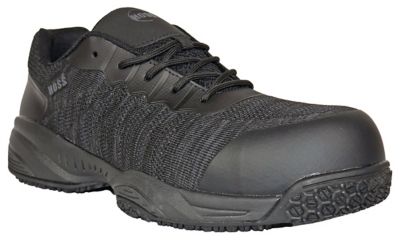
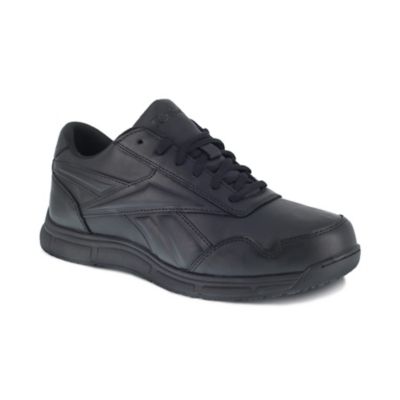
Shoes for professionals combine workplace-appropriate looks, comfort for long hours, and features that suit the job. The right footwear depends on the dress code, the surfaces underfoot, and whether the day involves sitting at a desk, standing behind a counter, or walking from one end of a building to the other. A bookkeeper in a farm office may need a neat, understated shoe that works with slacks, while a veterinary assistant needs footwear suited to frequent movement and the cleaning requirements of an animal-care setting. Teachers, retail staff, clinic employees, service technicians, and business owners all put different demands on their shoes. Closed-toe styles, lace-up shoes, slip-ons, and work-oriented sneakers offer different combinations of coverage, adjustability, and appearance, though the workplace dress code determines which styles belong on the job. Smooth uppers and simple profiles can fit a business-casual setting, while more athletic constructions may suit workplaces that allow them and involve plenty of walking. A low heel and a stable base can feel more practical than a narrow, elevated heel when the schedule includes hours at a service counter. Cushioning matters, but a soft feel alone does not tell the whole story; the shoe also needs to hold the foot securely through turns, steps, and repeated trips across the floor. Restaurant servers, kitchen staff, and guest-service teams have additional considerations, and
shoes for the hospitality industry bring attention to the balance between workplace presentation, floor conditions, and time on foot. Across these settings, professional footwear should fit the actual workday rather than appearance alone. A polished shoe that pinches by lunchtime or a roomy walking shoe that does not meet workplace rules can both miss the mark. Practical details, from the shape of the toe to the way the heel stays seated, help determine whether a pair feels right from the first task to the last.
Materials and construction play a big part in how professional shoes feel, how they handle repeated wear, and how much attention they need between shifts. Leather uppers can offer structure and a smooth appearance, with care requirements that depend on the finish. Synthetic uppers may provide a consistent surface that is straightforward to wipe down, while textile or mesh panels can allow more airflow but may take more effort to clean after spills. No single material suits every workplace. A school office, an animal-care facility, and a food-preparation area can have very different expectations for coverage and cleaning. Interior details matter, too: smooth linings, well-placed seams, and padding around the collar can help limit rubbing, especially when the job involves crouching, reaching, or walking stairs. Underfoot, the midsole provides cushioning, while the outsole makes contact with the floor. Those parts serve different purposes, so a thick cushion does not automatically mean a shoe has the traction a workplace requires. Slip-resistant footwear is intended to improve grip under particular conditions, but no sole prevents every slip. Floor material, cleaning residue, grease, and moisture all affect footing, and tread packed with debris cannot work as intended. Employer requirements and the shoe’s stated performance information are more useful than judging traction by the look of the tread alone. Jobs around dropped tools, rolling equipment, or other identified hazards may require safety-toe footwear or additional protective features. A closed toe by itself does not provide the protection of a safety-rated toe, and an ordinary work shoe is not a substitute for footwear specified by the employer. Construction details such as reinforced high-wear areas, secure stitching, and a firm heel counter can also influence how well shoes hold their shape. The goal is a sensible match between the shoe and the work, whether that means a tidy pair for customer-facing duties or footwear with clearly stated protective features for a more demanding setting.
Fit is where those features come together, and there is more to it than the size printed inside the shoe. Toe shape, forefoot width, heel hold, and room over the top of the foot all affect comfort. Toes need space to move without the foot sliding forward, and the heel should feel secure without a collar digging into the skin. The socks worn on the job can change that fit, as can an orthotic or replacement insole. A removable footbed may leave room for an insert, but the shoe still needs enough depth to accommodate it without crowding the foot or lifting the heel too high. Feet can become fuller after hours of standing, so checking fit later in the day can give a better sense of how work shoes will feel near the end of a shift. Walking, turning, and taking a few steps on a firm surface can reveal pressure points that are easy to miss while standing still. Break-in should not mean tolerating sharp pressure, numbness, or toes pressed against the front. Once shoes are part of the work routine, regular care helps preserve their shape and function. Loose dirt can be brushed away, outsoles checked for lodged debris, and spills addressed according to the material’s care instructions. Leather treatments should suit the finish, and fabric shoes should not go into a washing machine unless the manufacturer permits it. Air-drying away from direct heat helps avoid damage to uppers, adhesives, and cushioning. Giving footwear time to dry between wearings can also help manage moisture inside the shoe. Continued wear eventually shows up as flattened cushioning, uneven heels, worn tread, or uppers that no longer hold the foot securely. Those changes matter even when a pair still looks presentable from across the room. For someone starting a new position, completing job training, or returning to a hands-on workplace, professional shoes can make a practical gift when the recipient’s size, fit preferences, and job requirements are known. Whether the day centers on a reception desk, a classroom, or a busy service aisle, well-matched footwear belongs alongside the other essentials that help keep the workday moving.