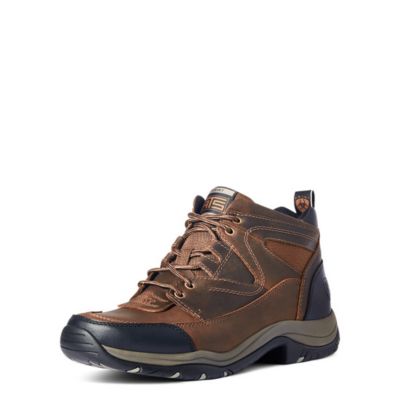
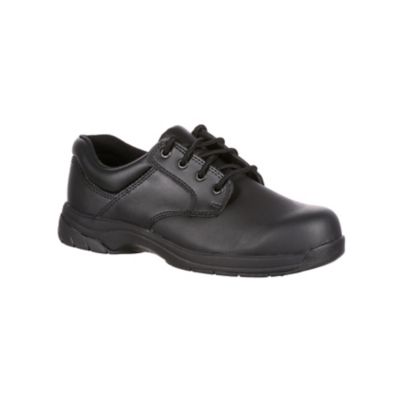
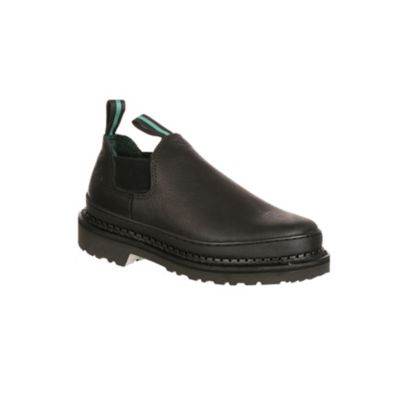
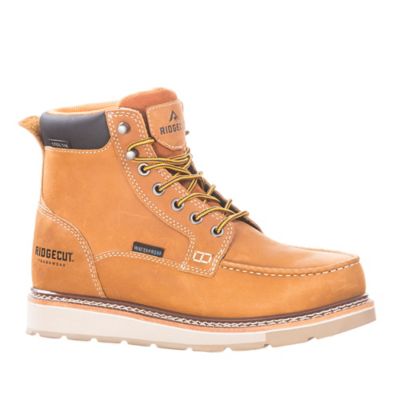
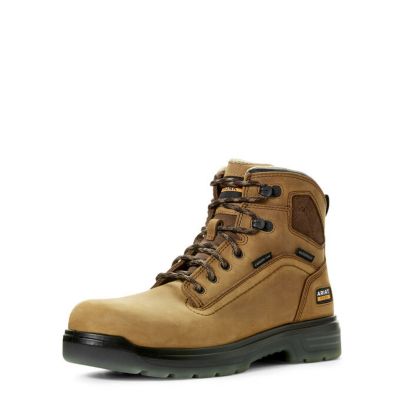
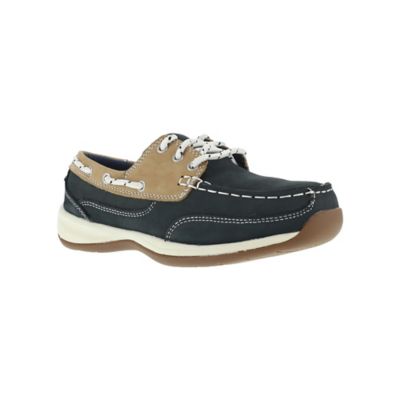
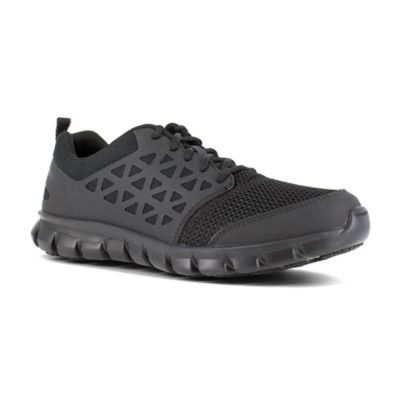
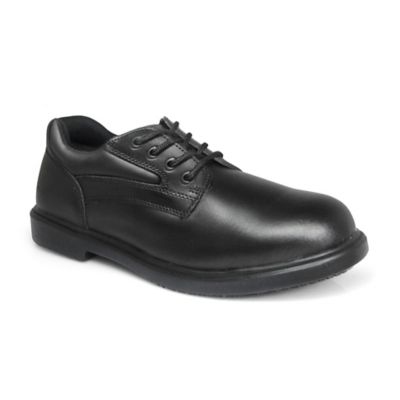
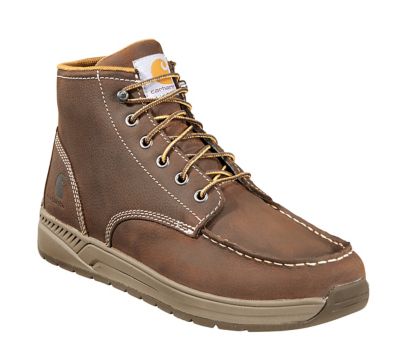
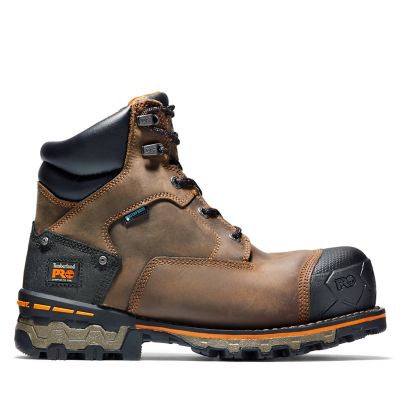
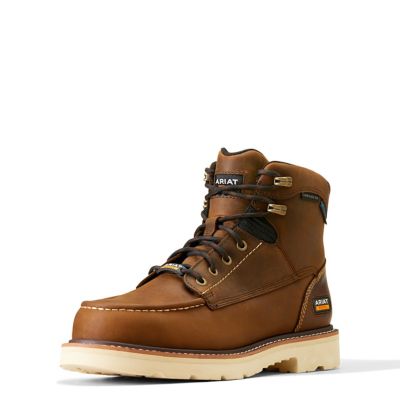
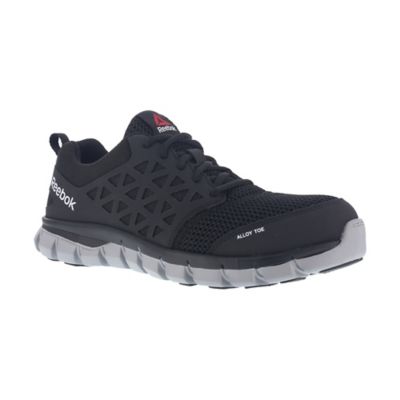
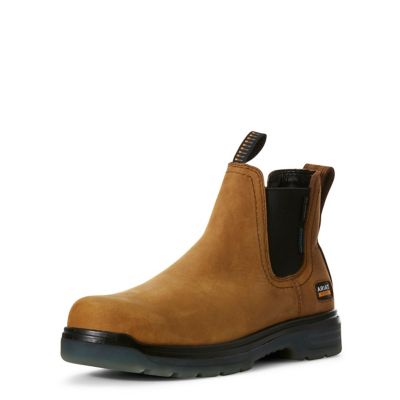
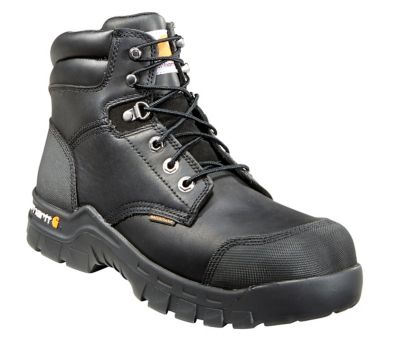
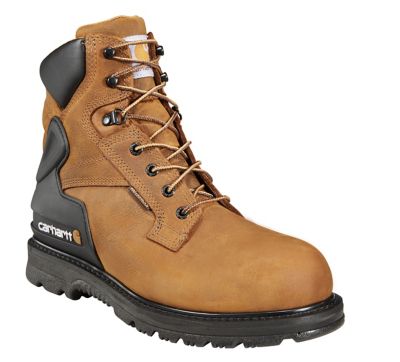
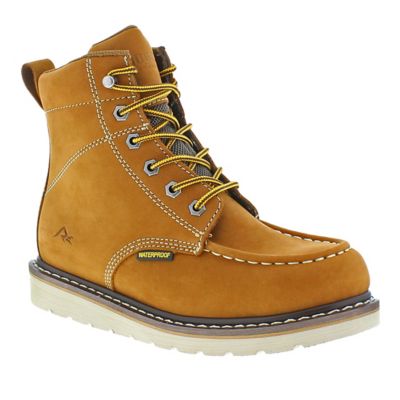
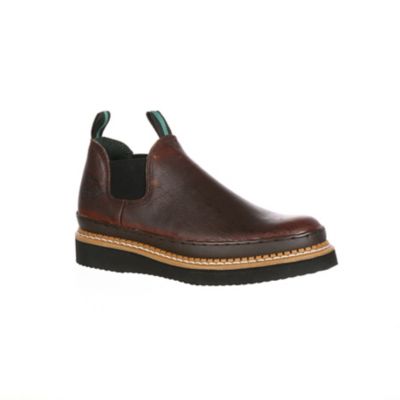
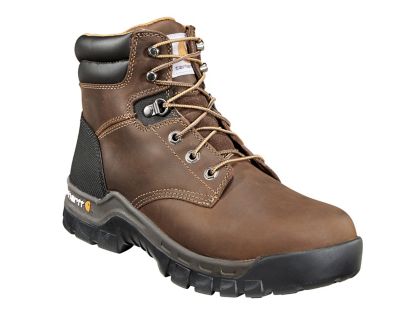
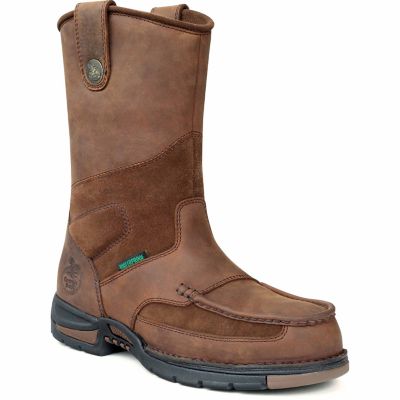
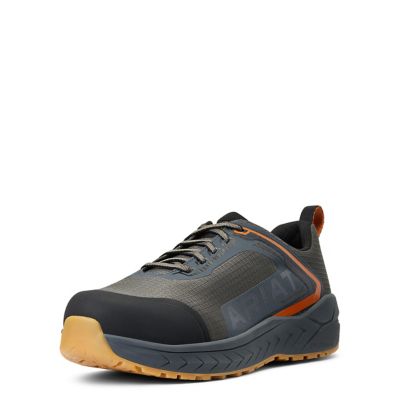
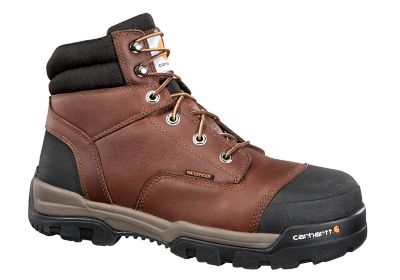
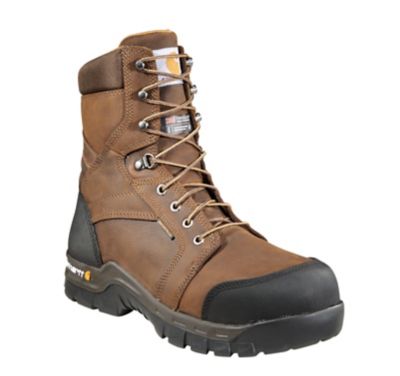
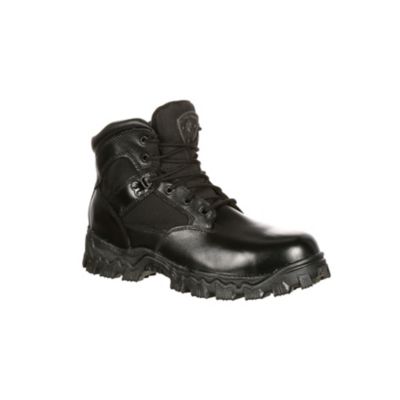
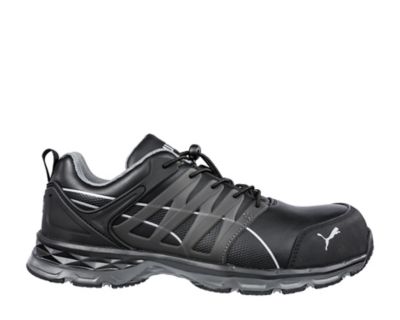
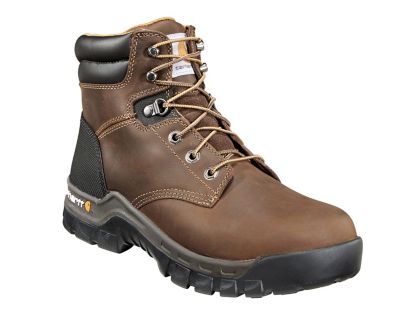
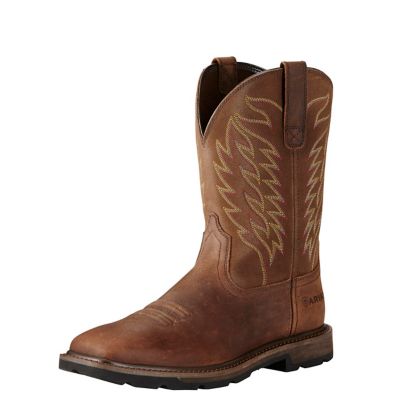
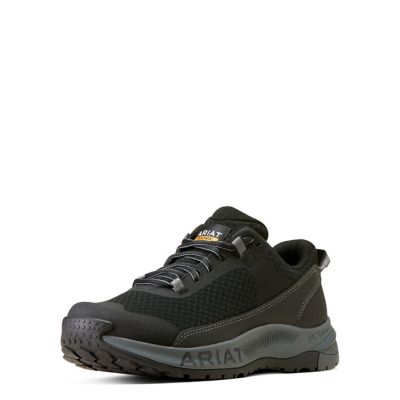
Work shoes are built for the kind of days that do not always go according to plan. They may be worn while repairing a fence, unloading feed, walking a jobsite, tending animals, stocking a shop, or handling chores around the house. A good pair helps your feet stay supported from the first trip outside to the last one at the end of a long shift. When choosing work shoes, start with the job and the ground under your feet. Smooth indoor floors call for dependable slip resistance, while gravel drives, muddy lots, pasture paths, and uneven ground call for a sole with steady traction and a firm feel. Look for cushioning that takes some of the sting out of standing and walking, along with a supportive fit around the heel and arch. The toe box should give your toes room to spread without letting your foot slide forward. A shoe that feels snug across the sides in the store can become downright uncomfortable after hours on your feet, especially when worn with thicker work socks. Try shoes on near the end of the day, when feet are naturally a little swollen, and wear the socks you expect to use on the job. Walk, bend, and climb a step or two before settling on a fit. Work shoes should feel secure without pinching, rubbing, or leaving your heel lifting with every stride.
Different jobs call for different kinds of protection. If your work involves tools, machinery, heavy materials, or busy work areas, consider footwear with safety features suited to the risks you face, such as a protective toe, puncture-resistant construction, or materials designed to help keep water out. For job duties that take place around wiring or electrical equipment, check the footwear’s listed electrical protection and follow the requirements for your workplace. A water-resistant upper can be handy for morning dew, wet grass, and light rain, while fully waterproof construction may be the better choice for repeated exposure to mud, puddles, wash areas, or damp ground. Keep in mind that water protection can affect breathability, so a lighter, more ventilated shoe may be more comfortable for indoor work or warm afternoons. During the cooler months, leave enough room for heavier socks without making the shoe loose, and look for a sole that remains flexible enough for natural movement. Laces can provide a close, adjustable fit, while slip-on styles make sense for quick trips to the barn, garage, or mailbox. Secure fastening matters either way. Loose footwear can catch on equipment or make uneven ground harder to manage. For more options designed around workplace protection, take a look at
Men's Safety Shoes. Always review the safety markings and care instructions, and match the footwear to the rules and hazards of the job rather than relying on appearance alone.
Work shoes can also make a thoughtful gift for someone who spends more time on their feet than they care to admit. They are useful for a new employee, a farmhand, a mechanic, a landscaper, a warehouse worker, or anyone who tackles regular projects in the shop and yard. To make a gift easier to choose, pay attention to the person’s usual work setting, preferred closure, approximate size, and whether they need extra room or a particular safety feature. A gift card or gift receipt can be helpful when fit is hard to pin down, since comfort depends on foot shape as much as shoe size. Once a pair comes home, break it in gradually rather than wearing it for a full shift on the first day. Start with short walks and lighter chores, checking for hot spots at the heel, tongue, and toes. Clean off dirt and manure before it dries, let damp shoes dry naturally away from direct heat, and replace worn insoles or damaged laces when possible. Watch the tread, too: if the pattern is smooth in the places that take the most pressure, traction may not be what it was when the shoes were new. As the weather shifts from warm afternoons to cool mornings, the right work shoes help keep everyday tasks steady, comfortable, and a little easier on your feet.