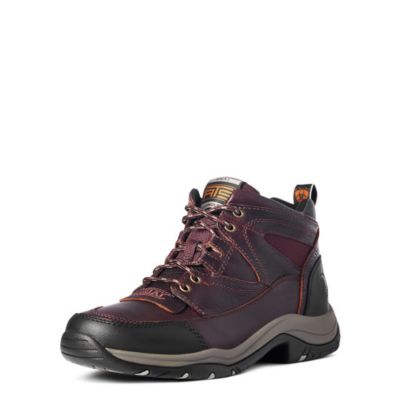
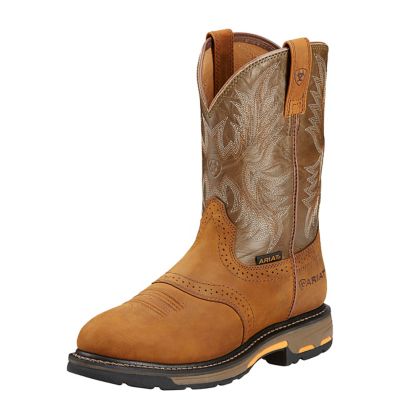
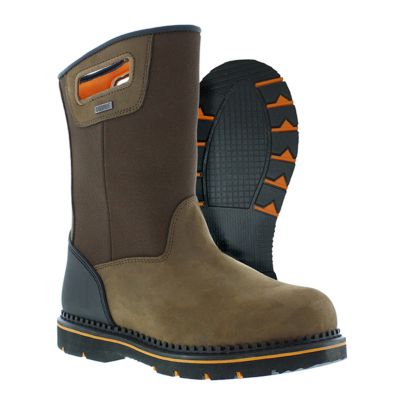
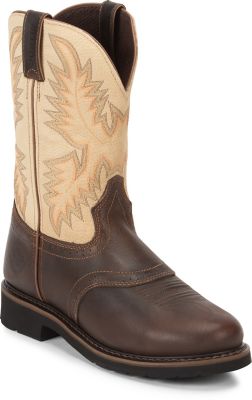
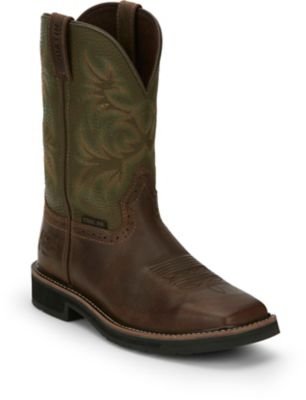
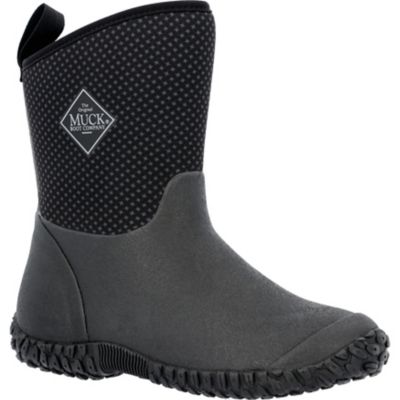
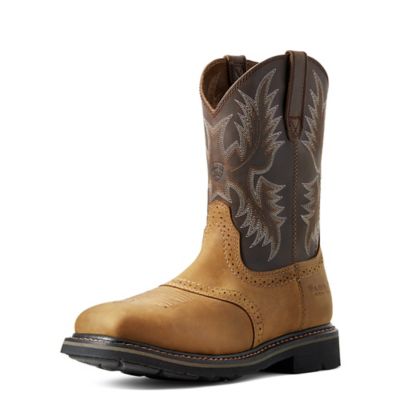
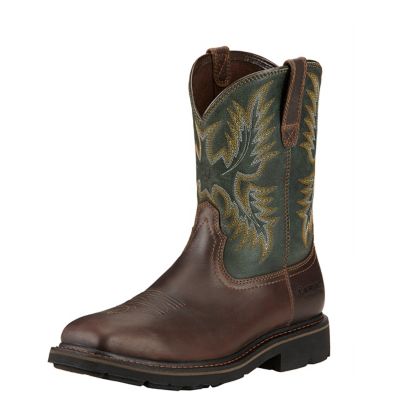
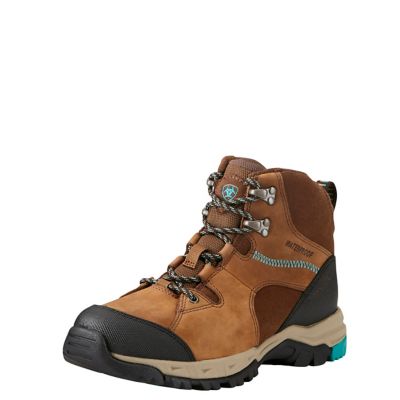
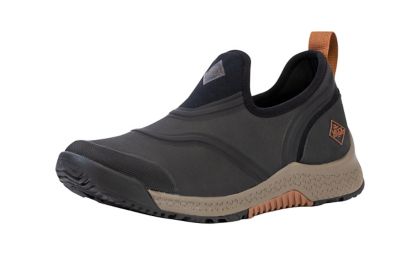
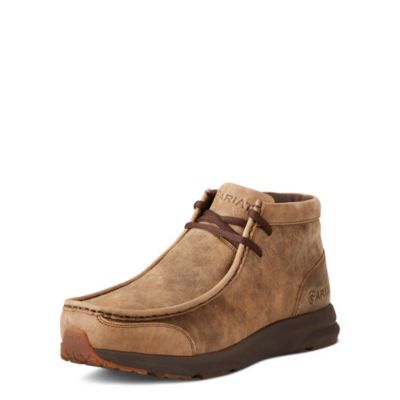
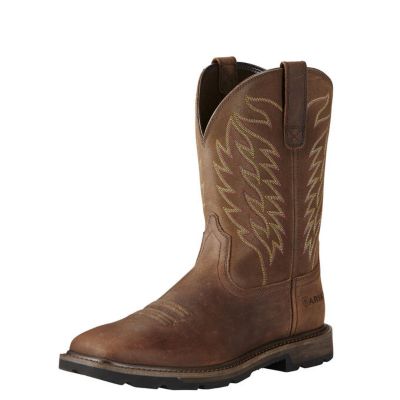
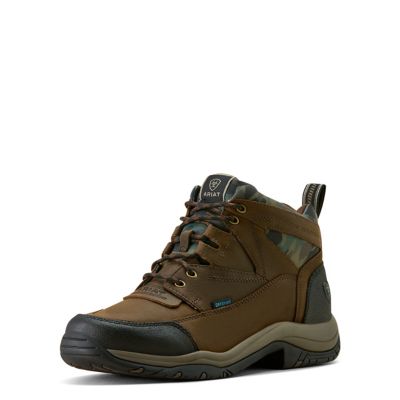
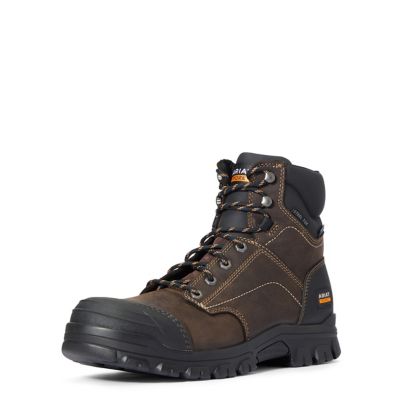
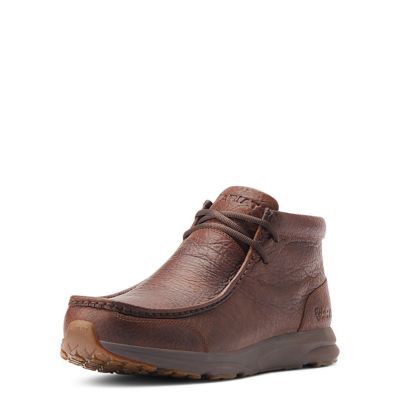
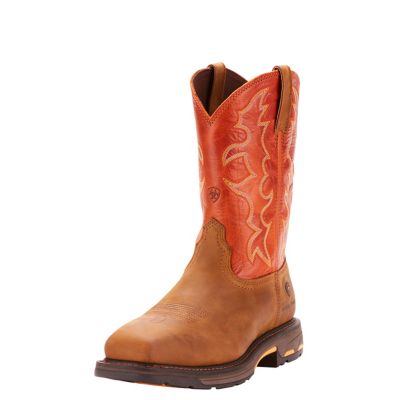
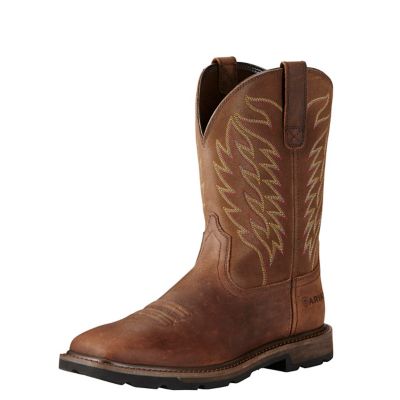
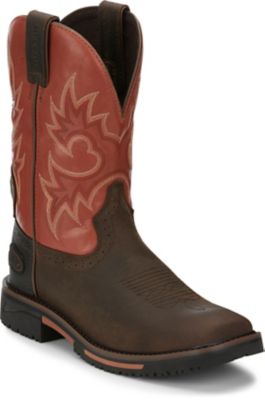
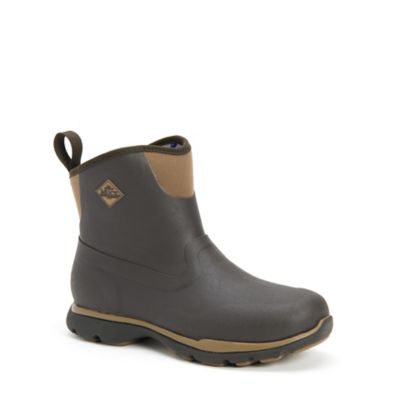
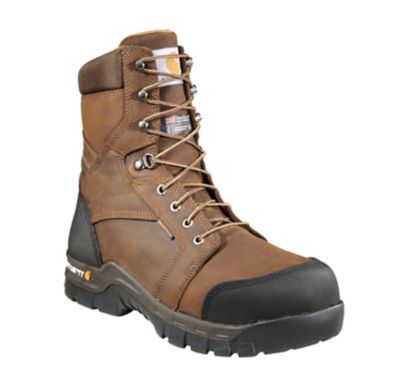
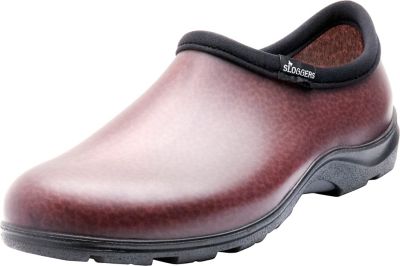
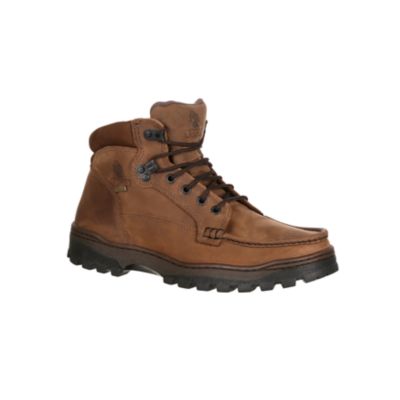
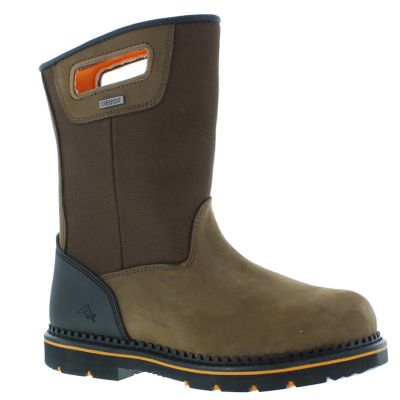
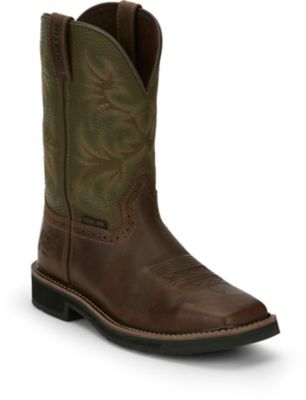
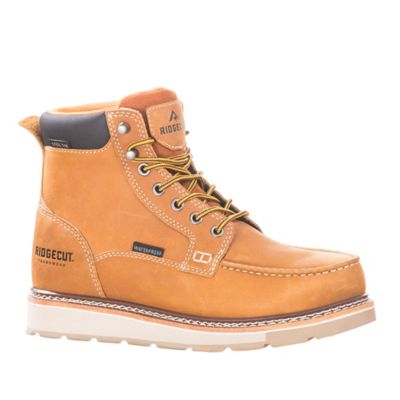
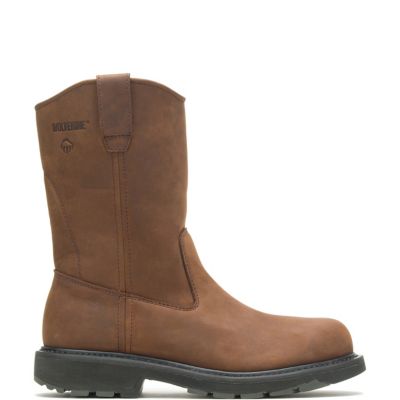
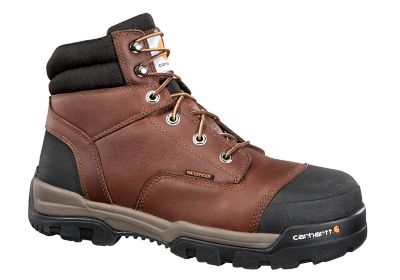
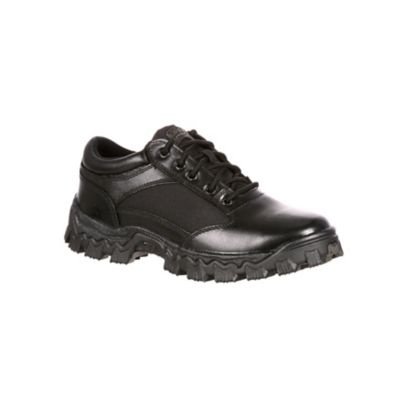
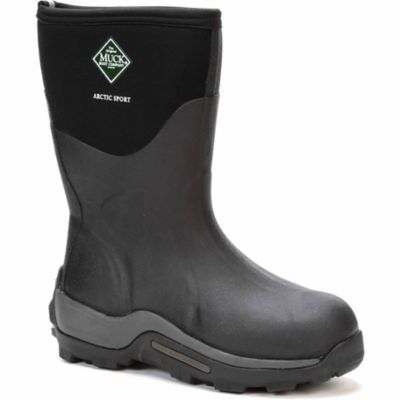
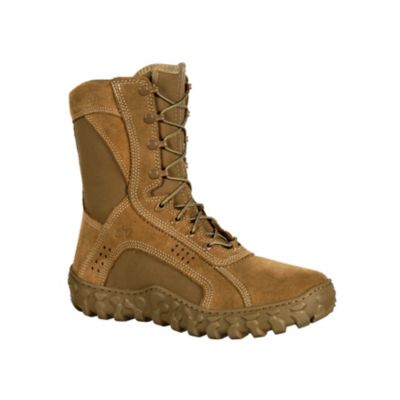
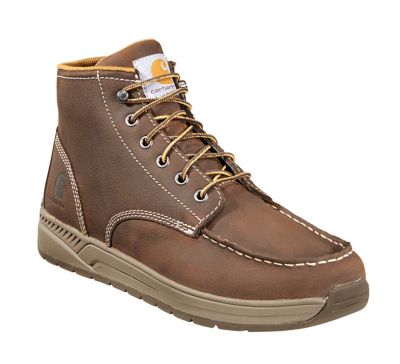
Sturdy footwear is built to handle repeated wear, support the foot and provide traction suited to the ground underfoot. That can mean work boots for a long shift, hiking boots for uneven trails, rubber chore boots for wet ground or work shoes for days spent moving between buildings. The right construction depends on where the day takes you: across a gravel driveway, through a muddy gate, onto a concrete shop floor or along a wooded fence line. Each setting puts different demands on the upper, sole and fit. A tall shaft adds coverage around the lower leg when grass is wet or chores involve splashing, while a lower profile can feel less restrictive during frequent bending and walking. Lace-up footwear lets the fit adjust across the instep, and pull-on styles keep things simple when heading out to feed livestock before daylight. For work that calls for a lower-cut style,
Work Shoes offer another footwear category to consider alongside taller boots. Farmers, ranchers, tradespeople, grounds crews and folks tending a few acres all have reasons to look for substantial soles and uppers that can take regular scuffs. Sturdy footwear also has a place beyond the workday, from walking a dog down a gravel lane to carrying firewood across the yard. Weight matters in those everyday settings. A heavily built boot may suit demanding tasks, but extra weight can become noticeable after miles of walking. A lighter design with reinforcement in high-wear areas may be a better match for steady movement. The strongest-looking option is not automatically the best fit for every job. Footwear earns its place by matching the surface, weather and workload, whether that means cushioning for hard floors, tread for loose soil or coverage for brush along the edge of a pasture. Comfort counts through all of it, especially when the last chore comes well after the first walk to the barn.
Materials and construction shape how sturdy footwear feels and holds up over time. Full-grain leather is common in work boots because it offers a substantial outer layer that gradually flexes with wear, though leather alone does not make a boot waterproof. Fabric panels can reduce weight and help heat escape, while reinforcement around the toe and heel helps protect areas that often rub against steps, rocks and equipment. Rubber footwear suits wet, messy chores because its outer surface sheds water and rinses clean easily. Some designs combine rubber with neoprene for flexibility and added warmth, making them practical for chilly mornings around a stock tank or muddy stretches beside a water trough. Waterproof membranes and sealed construction can help keep outside moisture from reaching the foot, but water can still enter over the opening. Breathability matters, too; feet can feel damp from perspiration even when rain stays outside. During the cooler months, insulation may make slow-moving outdoor chores more comfortable, while highly active work can call for less insulation to avoid overheating. Underfoot, tread shape and sole material deserve as much attention as the upper. Deeper, spaced lugs can bite into loose ground and release mud more readily, whereas a sole intended for hard work surfaces may have a different tread pattern and compound. Slip resistance varies with the surface and the substance on it, and no sole eliminates the risk of slipping on ice, wet leaves or an oily floor. Cushioning helps soften repeated steps, while a supportive midsole and shank can add structure beneath the foot. Safety-toe footwear serves a separate purpose from ordinary reinforced toes. Steel, composite and alloy safety toes should be evaluated by their stated protection ratings and workplace requirements, not appearance alone. Electrical hazard protection, puncture resistance and other safety features also need explicit ratings. A sturdy build is useful, but it is not a substitute for the protection a particular task requires. Stitching, sole attachment and toe coverage round out the construction details that influence how footwear handles daily wear.
Fit makes the difference between footwear that feels good at the door and footwear that remains comfortable through a full day. Toes need room to spread without pressing against the front or a safety cap, and the midfoot should feel secure rather than squeezed. Heel movement varies by style, but repeated rubbing or excessive sliding can leave feet sore during a long walk across the property. The socks worn for work matter when judging fit, particularly thicker pairs for cooler weather. Trying footwear toward the end of the day can account for normal foot swelling, and checking both feet helps reveal differences in length or width. Removable footbeds can offer room for compatible inserts, provided the change does not crowd the toes or interfere with the intended fit. Leather may soften with wear, but break-in should not be expected to fix the wrong size or a painful pressure point. Care also plays a big part in service life. Packed mud can hide damage and interfere with tread, so brushing it away gives soles a better chance to perform as intended. Leather benefits from cleaning and conditioning with treatments suited to its finish, while rubber and fabric need care matched to their own materials. Drying footwear in a ventilated spot, away from a stove, radiator or other direct heat source, helps protect uppers, adhesives and linings. Opening the laces and removing footbeds when the manufacturer permits can help trapped moisture escape. Regular checks for worn tread, loose stitching, cracked uppers and separating soles make it easier to spot when footwear needs attention or replacement. Sturdy boots or shoes can also make a thoughtful gift for someone starting a trade, spending more time outdoors or taking on chores at a new place, though knowing their size, width and work requirements is essential. From the first trip across a frosty yard to the final sweep of the workshop, well-matched footwear helps keep attention on the task instead of on tired, uncomfortable feet.