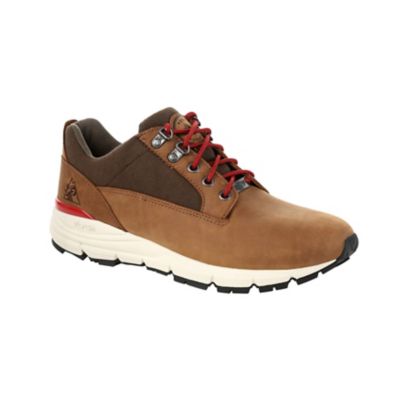
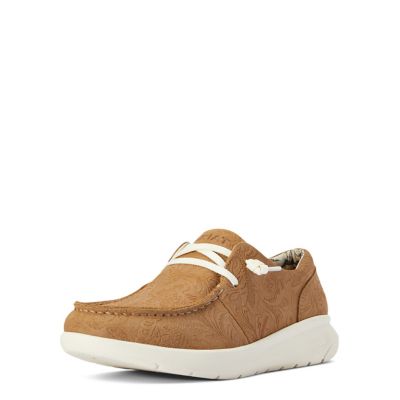
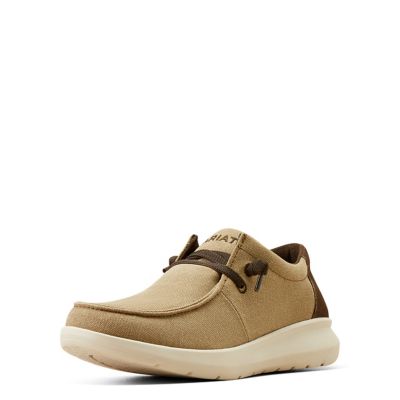
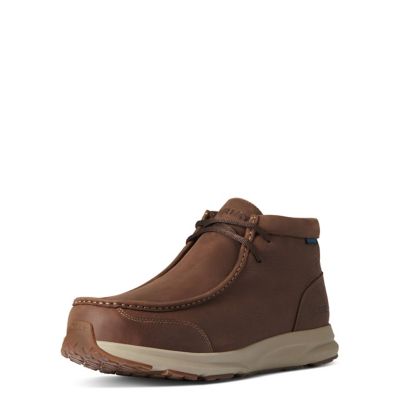
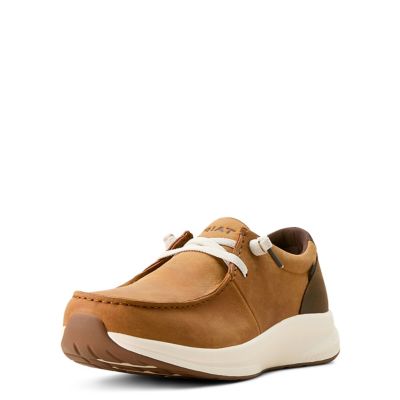
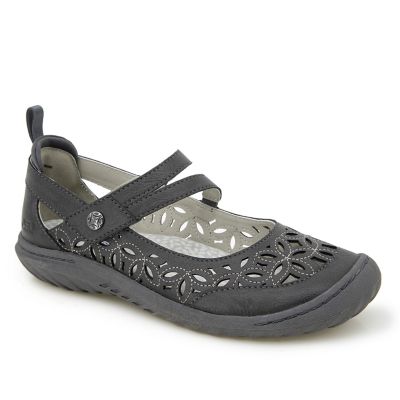
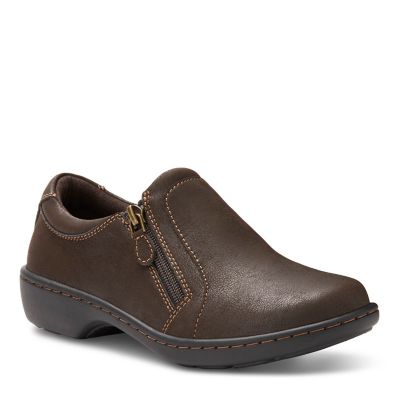
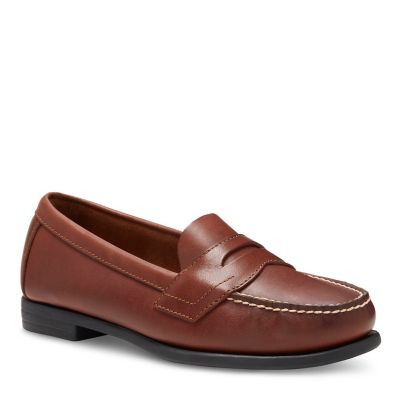
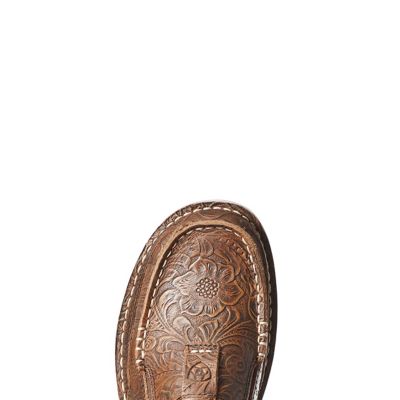
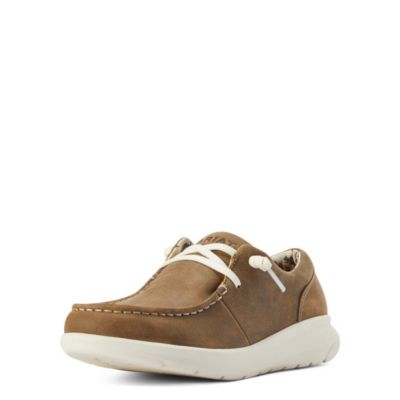
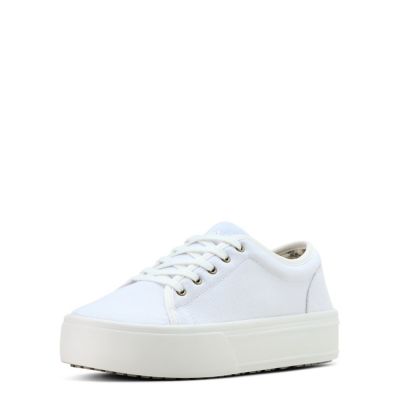
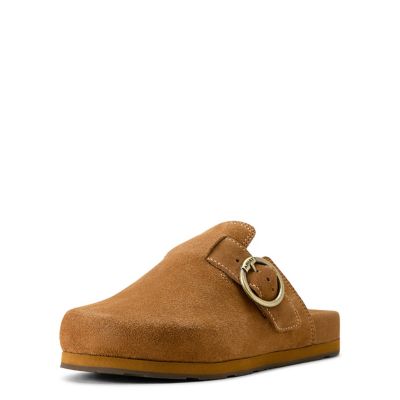
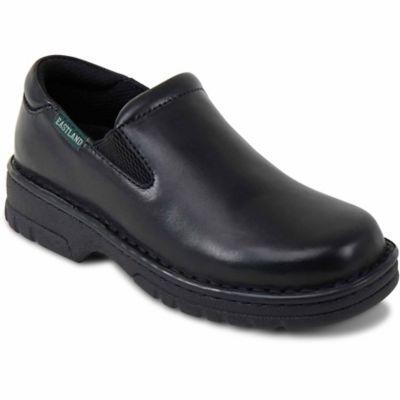
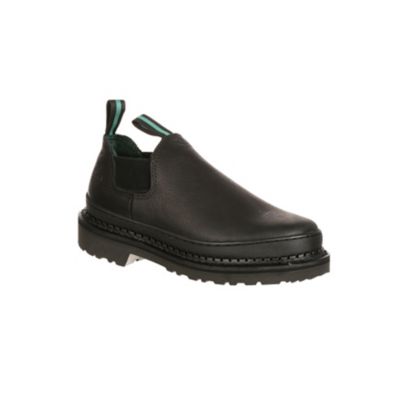
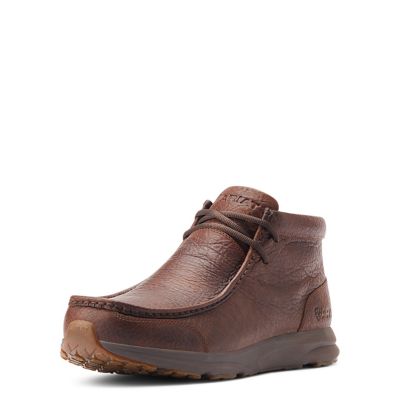
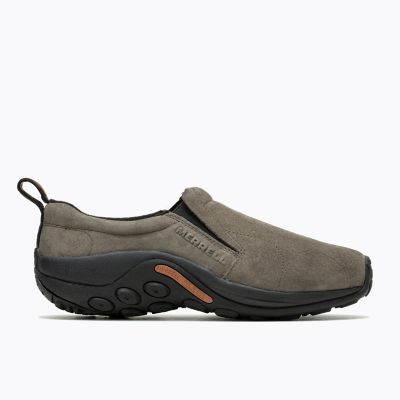
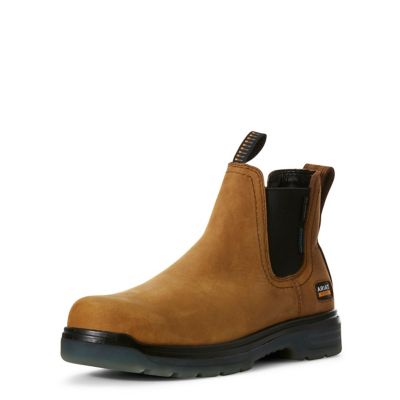
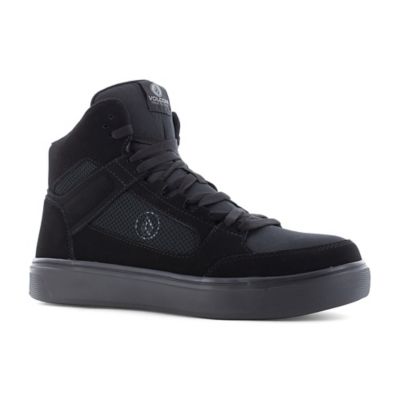
Comfortable casual shoes are the pair you reach for when the day starts before sunrise and does not slow down until supper. They can handle a trip to the feed store, a walk across the yard, errands around town, a school pickup, or a long stretch on your feet without looking out of place when you head indoors. The best choice balances cushioning, support, fit, and everyday style. A soft footbed can help take the edge off hard floors and packed gravel, while a supportive midsole helps your feet feel steadier through hours of walking or standing. Look for a shape that follows your foot instead of squeezing it from the sides. A roomy toe box gives your toes space to spread naturally, and wide-width options can make a big difference for feet that swell during the day. Arch support should feel present without digging into your foot, and the heel should stay in place without rubbing. Slip-on shoes make quick trips easy, especially when your hands are full, while lace-up sneakers let you fine-tune the fit for longer walks or more active days. Low-profile casual shoes can pair with jeans, work pants, or everyday layers, making them handy when you want one pair to carry you from chores to coffee with no fuss. During the cooler months, consider how much room you need for thicker socks, and check that the opening does not press against your ankle. A flexible sole helps with natural movement, but it should still bend in a controlled way rather than folding under your foot. Look for tread that gives you a steady step on sidewalks, store floors, porches, and dry paths. Shoes with a padded collar and tongue can help reduce rubbing, while breathable lining helps keep feet more comfortable when the day warms up indoors.
Fit matters more than a label or a first impression on the shelf. Try shoes on near the end of the day, when feet are often at their largest, and wear the socks you plan to wear most often. Stand up, walk across the room, and pay attention to pressure around the toes, ball of the foot, heel, and instep. Your longest toe should have a little breathing room, but your foot should not slide forward with every step. If one foot is slightly larger, fit that foot first and adjust the other side with laces, an insole, or a different width when needed. A cushioned shoe should feel comfortable from the first try-on, though some materials may settle as you walk. Do not count on a painful fit to improve with time. For people who spend long hours standing, look for cushioning under the heel and forefoot, along with a stable base that does not wobble. For walks around the property, a grippy outsole can add confidence over packed dirt and uneven pavement. If you are on your feet at work, a smooth, easy-to-clean upper may suit your routine, while breathable mesh can feel better for errands and active weekends. People who have foot sensitivity, high arches, low arches, or swelling may want to pay close attention to removable footbeds, adjustable closures, wider shapes, and extra depth. A removable insole can make room for an orthotic, but check that the replacement insert sits flat and does not crowd your toes. Keep an eye on the heel counter, too. It should hold the back of your foot without digging into the Achilles area. As fall turns colder, socks become part of the fit, and a little extra room can prevent a snug shoe from feeling tight by afternoon. For more seasonal options and fit considerations, browse
Comfortable Shoes For Spring when planning a year-round rotation.
Casual shoes can also make a thoughtful gift for a parent, grandparent, partner, college student, teacher, neighbor, or anyone who spends a lot of time moving from one task to the next. They are especially practical for someone who enjoys morning walks, weekend drives, farmers markets, travel, or relaxed gatherings where dress shoes feel like too much and slippers do not offer enough support. When choosing a pair for someone else, pay attention to their usual size, preferred width, favorite colors, and whether they reach for laces, elastic panels, or slip-on openings. Neutral shades can fit easily into an everyday wardrobe, while a touch of color may suit someone who likes a little personality in their outfit. A gift receipt or flexible return option can be helpful because foot shape varies, even among people who wear the same size. For your own pair, think about the places you spend the most time. A shoe for a quick run to the mailbox may not be the same shoe you want for a full day at an auction, a walk through a barn, or hours on concrete. Rotating between two pairs can give each pair time to air out and can help you match the shoe to the task. Let shoes dry naturally if they get damp, brush away loose dirt with a soft cloth, and follow the care directions for the upper and footbed. Store them where they can breathe, especially after a long day. The right comfortable casual shoes should feel easy to live in: supportive enough for steady miles, flexible enough for natural movement, and simple enough to wear with the clothes already in your closet. From crisp mornings and dusty lanes to cool afternoons spent running errands, a well-fitting pair helps keep your attention on the day instead of your feet.