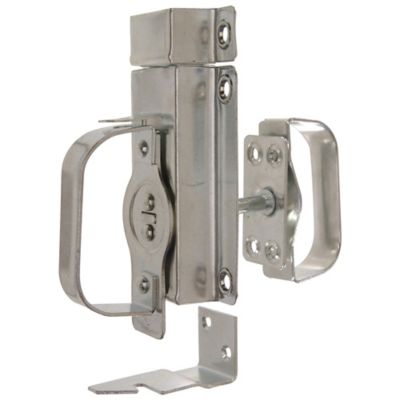
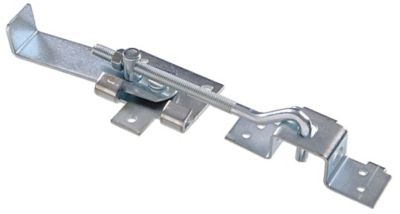
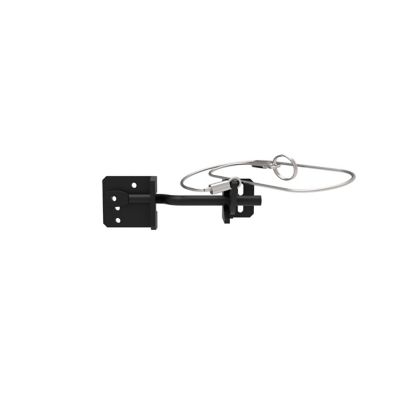
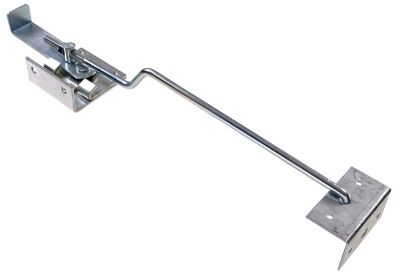
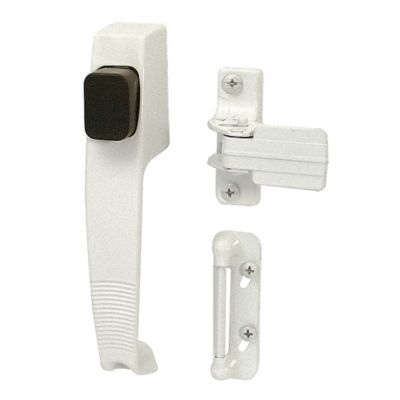
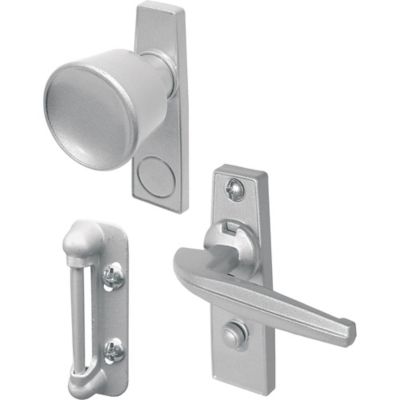
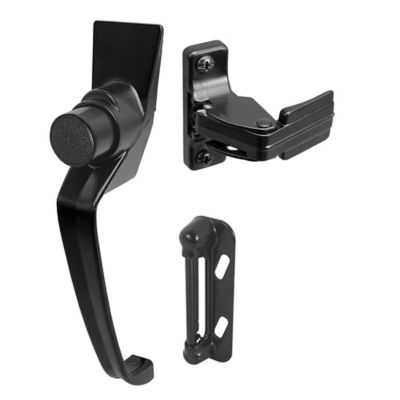
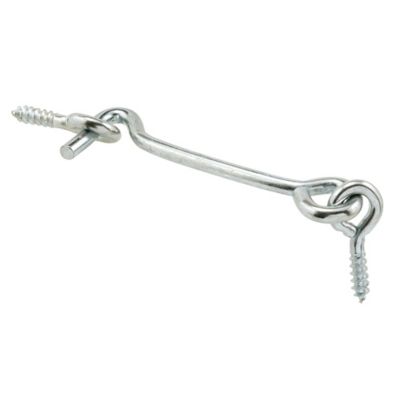
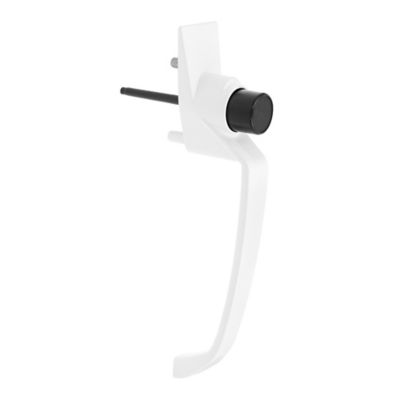
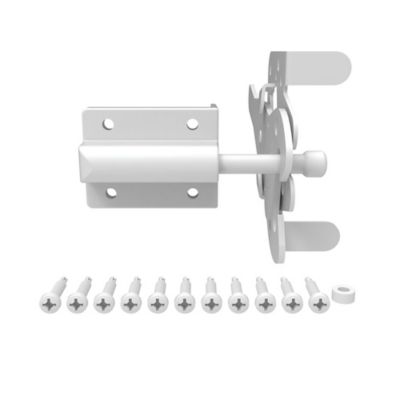
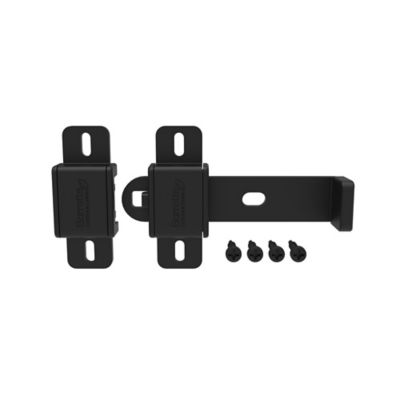
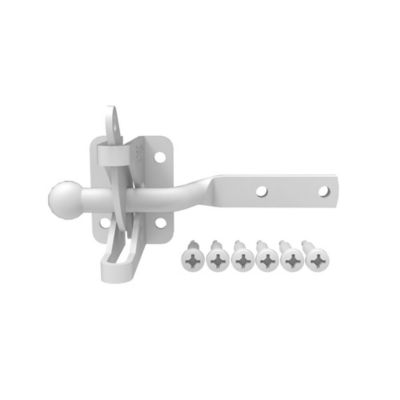
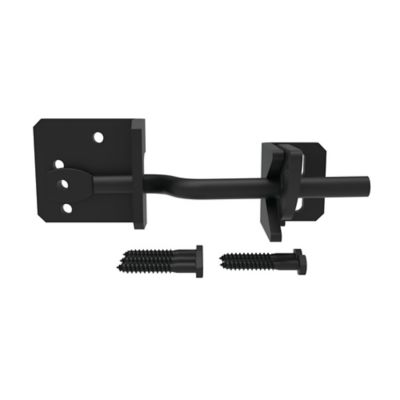
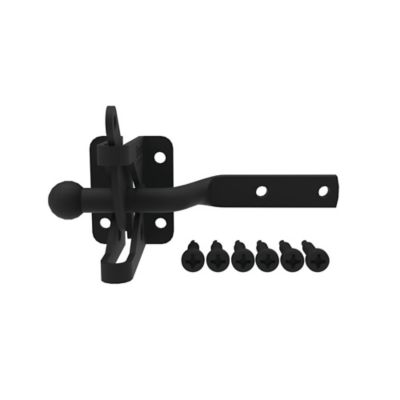
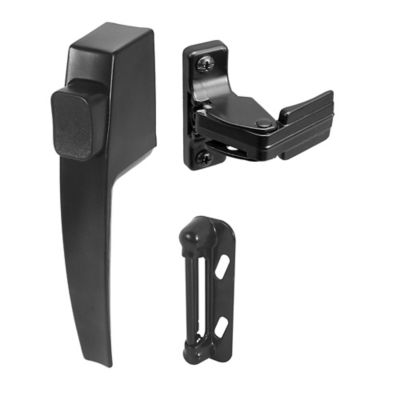
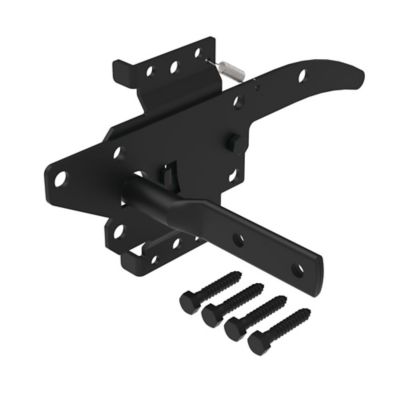
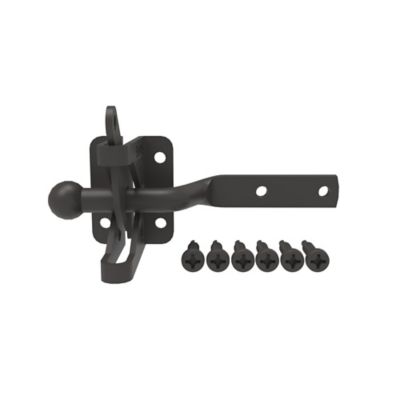
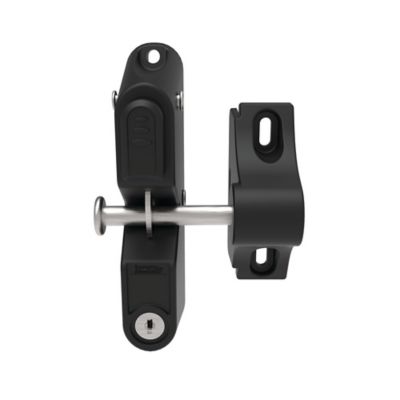
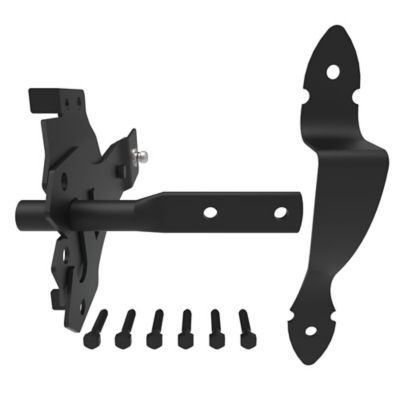
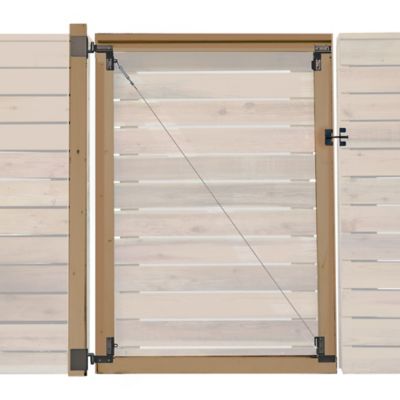
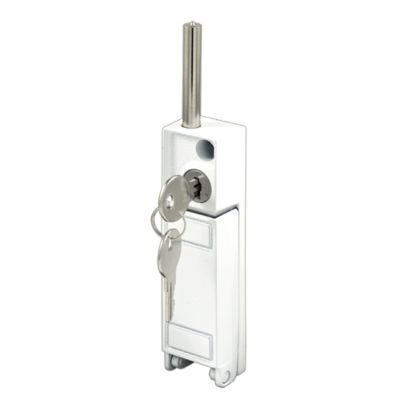
Wood door latches hold wooden doors and gates shut, whether the latch itself is made of wood or made of metal and fitted to a wood door. Most have a moving bar, bolt or tongue that seats in a keeper or strike on the jamb, post or adjoining panel. A traditional timber latch might have a wood bar that pivots or slides into a keeper, leaving the whole mechanism in plain sight. A cast-iron rim latch also sits on the face of the door, but its working parts are typically housed in a case. A concealed latch fits into a recess in the door edge, leaving less hardware showing on the face. Those differences matter when the door is a set of pine boards braced across the back rather than a solid interior door with a broad upright along the edge. They matter in daily use, too. A thumb latch lifts the bar when someone presses the lever, which comes in handy when there’s a feed scoop in the other hand. A spring latch can catch as a swinging door closes, while a slide bolt generally needs someone to move it into place. On a garden gate, the reach from a path to the release on the other side can matter as much as how the latch looks against the wood. A pantry door may only need a small catch that keeps it from drifting open, while a shed door that gets pulled shut several times a day calls for a latch with enough room to get a firm grip. Holding a door shut isn’t the same as locking it. Some latches have a provision for a lock, but an ordinary catch is there to keep the door closed, not to control who can come through.
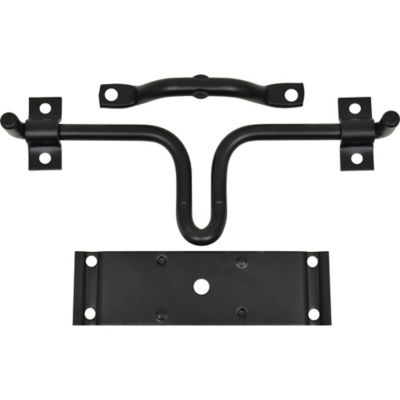
Fit starts with how the door moves and where the latch meets the frame. On a swinging door, the latch and strike have to meet as the edge comes around into the jamb. Some styles work on either a right- or left-hand swing, while others are made for a particular swing or mounting side. A sliding wood door moves parallel to the wall, so the space behind the panel and the gap at the closed edge both affect where a keeper can sit. The latch needs to engage without pulling the panel sideways or rubbing as it travels along the track. For sliding panels and larger farm doors,
Barn Door Latches cover a range of ways to hold the panel at the closed end of its travel. Door thickness matters when a spindle or thumb piece passes through the wood, and the width of the solid mounting area matters even when all the hardware sits on one face. A wide latch plate can look right on a plank door and still leave a screw hole over a seam between boards or too close to an edge. On a framed door, the solid upright can offer more purchase than the thinner panel beside it. Replacing an old latch brings the existing screw holes, handle opening and strike position into play; two latches that look much alike from the front may not line up the same way. A gate that has dropped on its hinges can also make a sound latch feel like a poor fit. If the gate has to be lifted by the handle before the bar will seat, the weight of the gate belongs back on the hinges, not on the keeper. On a walk-through door, it’s worth noting whether the latch can be released from both sides, especially if someone might swing it shut while another person is inside.
Material and finish make a difference in how well a wood door latch holds up to the work. Cast iron has a substantial feel on a broad plank door, while steel is common for bars, bolts and other parts that get moved often. Stainless steel or a finish rated for exterior mounting makes sense where corrosion is a concern, and the fasteners deserve the same attention as the latch body. On treated lumber, the mounting hardware needs to be compatible with the wood treatment as well as suitable for the location. A timber latch has its own wear points: the pivot hole and the spot where the bar bears against the keeper can wear down with repeated use. Look at what the door does over the course of a day. A latch on a tack room might get worked with a gloved hand while someone carries a saddle, so clearance around the release comes in handy. Around livestock, a latch may need to sit beyond a curious nose and have no projecting edges where a halter can snag. In the house, a latch that closes with a light touch and doesn’t rattle may be a better match for a linen cupboard than a heavy bar that clacks against a keeper. Care is mostly a matter of keeping the moving parts free of sawdust, grit and paint buildup and noticing when the hardware starts to shift. If the bar leaves a fresh mark below the keeper, the door or its mounting may have moved; if the latch plate wiggles, the fasteners may no longer be holding firmly in the wood. A latch that fits the way the door moves should seat without a shoulder shove and release without having to lift the door by its handle.