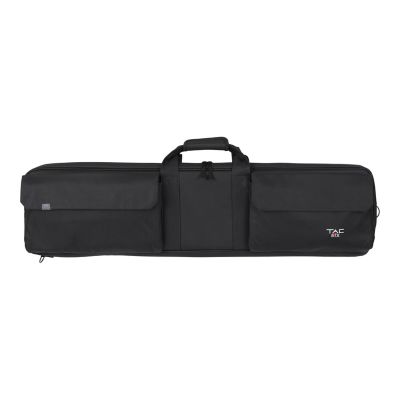
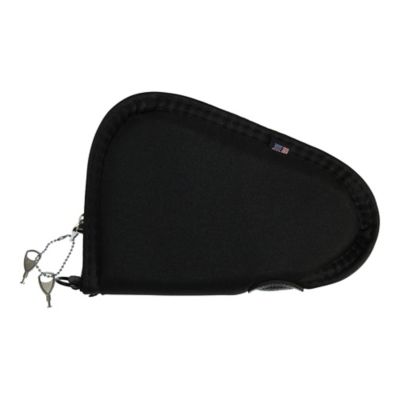
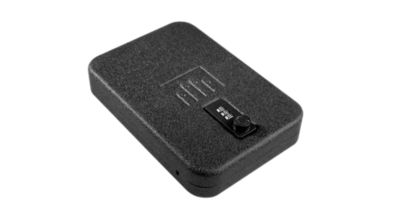
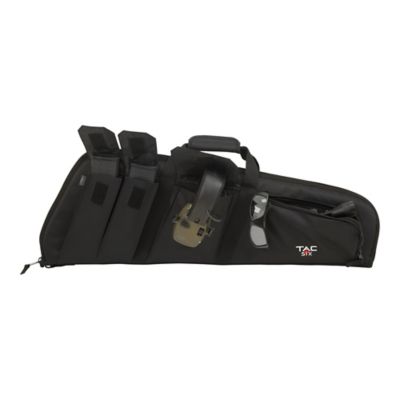
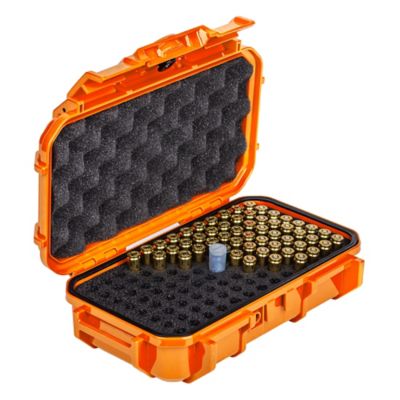
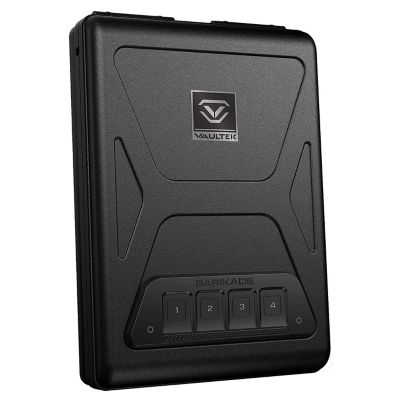
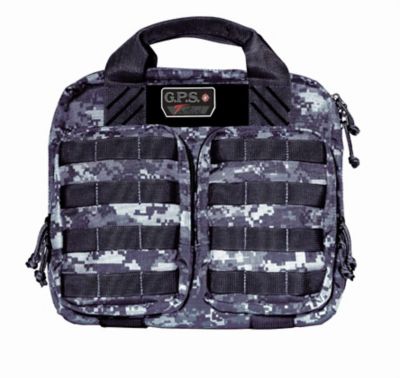
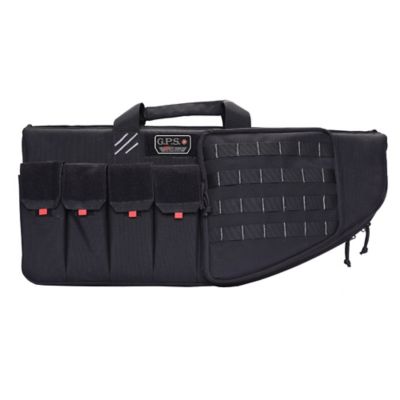
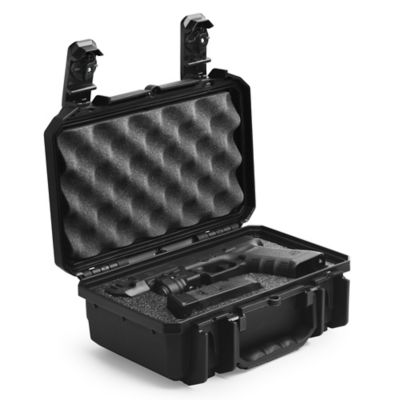
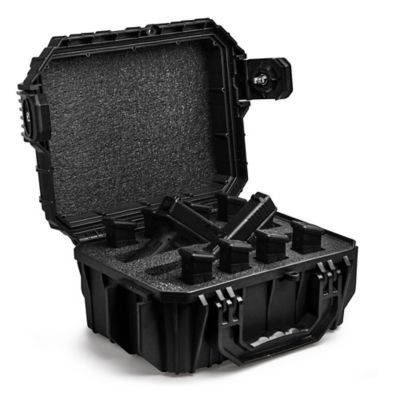
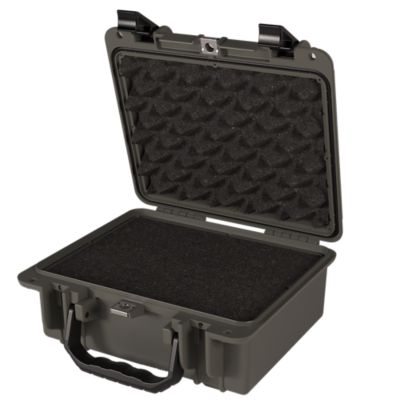
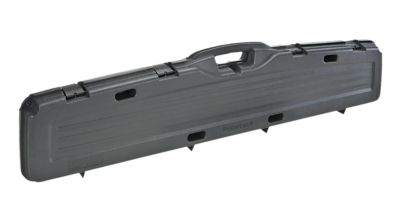
Lockable gun cases combine a protective enclosure with a locking system to help keep firearms secure during transport and between outings. They give hunters, recreational shooters, and firearm owners a way to carry an unloaded firearm while helping protect it from bumps, scratches, and unauthorized handling. The right fit starts with the firearm itself: a compact pistol needs different interior dimensions than a scoped rifle or a long-barreled shotgun. Interior length, width, and depth matter more than outside measurements, especially when a scope, raised sights, or other attached equipment adds height. There should be room for the firearm without forcing the lid shut, but not so much open space that it slides around on a gravel road. Foam inserts, padded dividers, and interior straps can help limit movement, depending on the case design. Foam should support the firearm without pressing hard against sights, controls, or optics. For long gun cases, space around the muzzle and stock helps keep those ends from resting directly against the shell. Hard-sided cases often feature molded polymer, metal, or reinforced construction, giving the contents a firm barrier against everyday knocks. Polymer shells can balance weight and impact resistance, while metal construction brings a different combination of heft and rigidity. Soft-sided lockable cases generally weigh less and may be easier to carry, though their fabric walls do not provide the same resistance to crushing or forced entry as a substantial hard shell. Reinforced stitching, protected zipper tracks, strong hinges, and well-supported handles all deserve a close look. A case carried from the house to the truck has different demands than one hauled through a terminal or packed alongside hunting gear. Long cases with wheels can make heavier loads easier to manage, while a centered handle helps a shorter case carry evenly. A comfortable grip also matters when the walk from the parking area to the range is longer than expected.
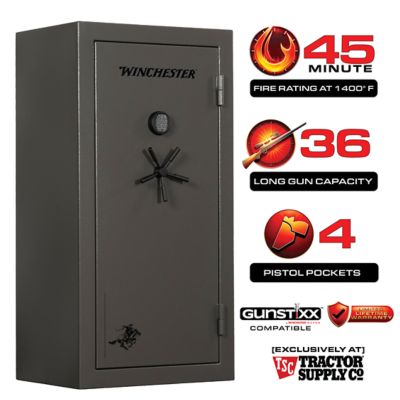
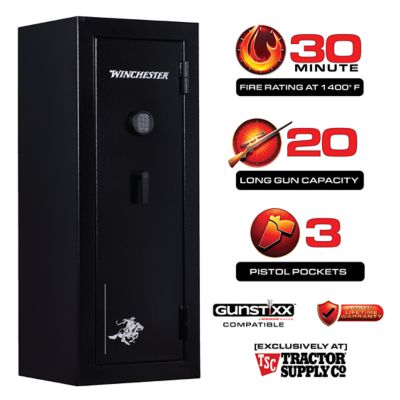
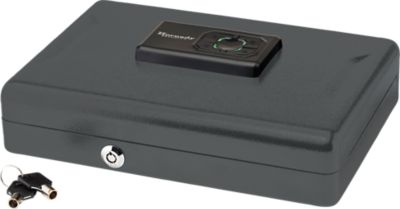
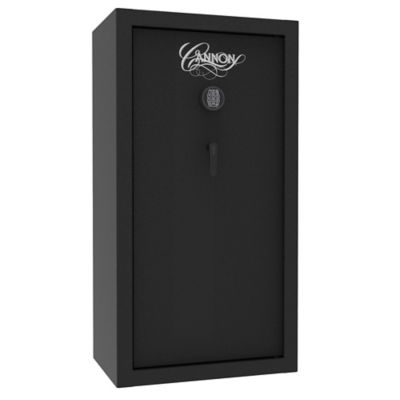
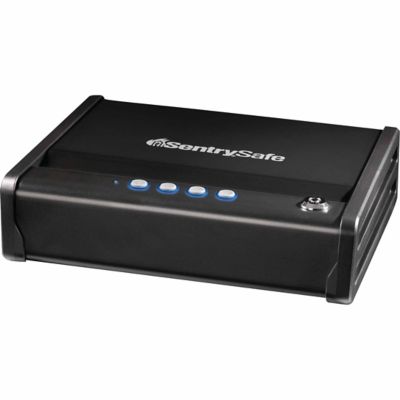
The lock is only one part of a gun case’s security. Latches, hinges, shell strength, and the area around each locking point all work together to keep the enclosure closed. Some cases have built-in keyed locks or combination locks; others have reinforced openings for separate padlocks. With padlock-ready designs, the shackle needs to fit the opening and allow the case to close securely without leaving enough movement to pry the lid apart. Multiple locking points can help secure a long lid, but the design and construction still matter more than the number of locks alone. Electronic and fingerprint-operated cases add another way to control access, with power requirements and backup entry methods that deserve attention before a trip. Keys, combinations, and backup access should stay out of reach of children and anyone who should not handle the firearm. A portable lockable case is not the same as an anchored gun safe, and a small case can be carried away even when its lock remains closed. At home, secure storage should account for that limitation, with firearms unloaded, ammunition locked separately, and access restricted to authorized adults. During travel, a case should sit where it cannot slide, tip, or take the full weight of loose tools and other cargo. Leaving a firearm unattended in a vehicle adds theft risk, regardless of the case. Air travel brings separate requirements: TSA requires firearms to be unloaded, packed in a locked hard-sided container, and transported as checked baggage, with declaration to the airline at check-in. The container must completely secure the firearm from access, and airline rules may add requirements for ammunition and packing. A case described as suitable for travel does not automatically meet every carrier’s rules. Checking current TSA guidance, airline policies, and laws at the destination helps prevent trouble at the counter or along the route. For ordinary road trips, too, state and local transport requirements can differ, so a locking case is one piece of the preparation rather than a substitute for checking the rules.
Protection inside the case matters just as much when cooler weather brings damp mornings, muddy boots, and gear that moves between a warm house and a cold truck. A gasketed lid can help keep out dust and moisture, but water resistance varies by design. A stated ingress-protection rating describes performance under specific test conditions; it does not mean every case can sit in water indefinitely or stay sealed after damage. Seals need clean contact surfaces, and grit caught around the lid can interfere with closure. Pressure-equalization valves on some hard cases help manage air-pressure changes, which can make opening the lid easier after changes in elevation. For a broader look at enclosure styles and padding options,
Protective Gun Cases covers another part of keeping firearms shielded from everyday bumps and exposure. Care remains straightforward: wipe dirt from the exterior, clean the interior according to its material, and let the case dry thoroughly before closing it for storage. Foam and fabric can hold moisture, so a firearm brought in from a wet outing should not stay shut inside damp padding. Bringing cold equipment into a warm room can also lead to condensation. Following the firearm maker’s cleaning and storage directions, along with the case maker’s care instructions, helps keep moisture from becoming a corrosion problem. Check hinges, latches, handles, and lock openings for cracks, looseness, or wear, especially after a hard knock. Avoid forcing a lid over overfilled compartments or storing heavy gear on top of a case unless its design supports that load. Separate spaces for small accessories can keep loose metal pieces from rubbing against a firearm’s finish. For an adult hunter or range shooter receiving a case as a gift, firearm dimensions, carrying weight, and the usual trip matter more than appearance alone. A well-matched lockable gun case earns its place through a snug interior fit, manageable handling, and a closure that works smoothly every time it heads out the door.