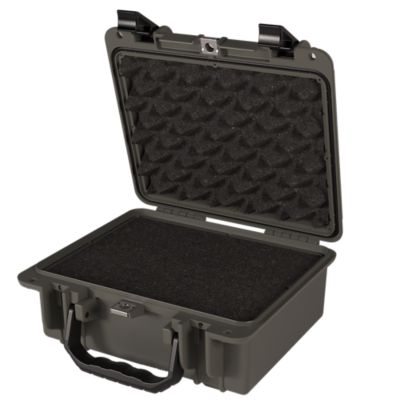
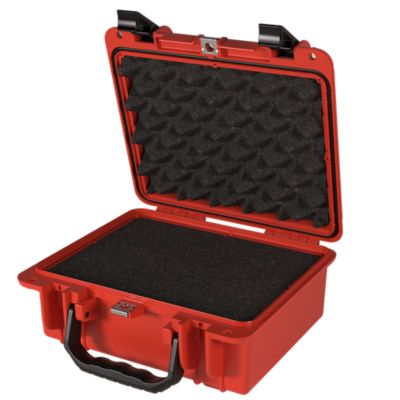
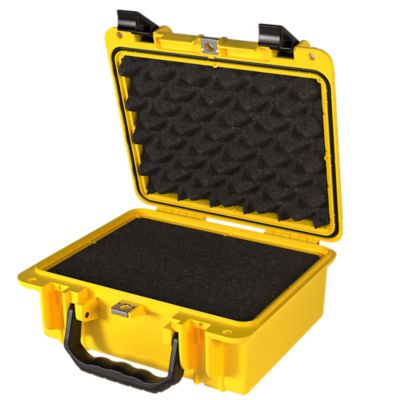
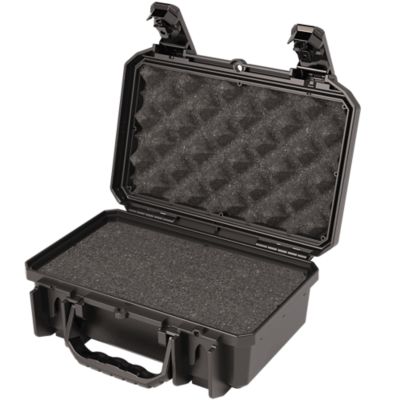
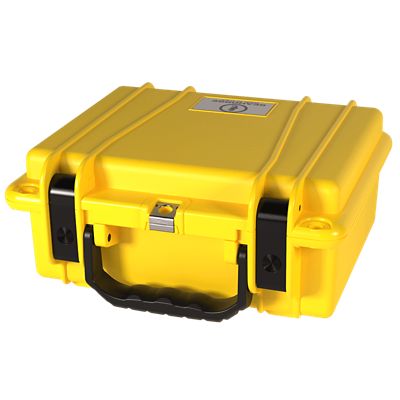
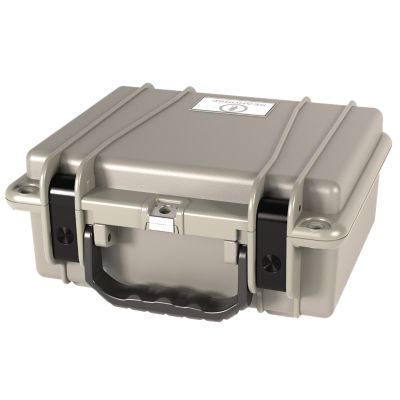
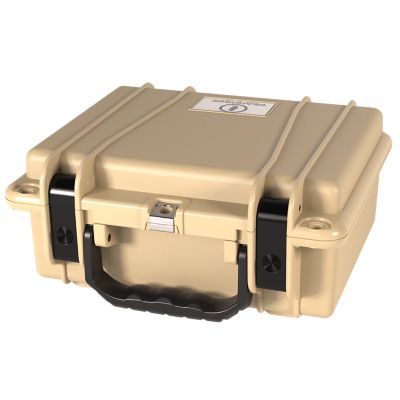
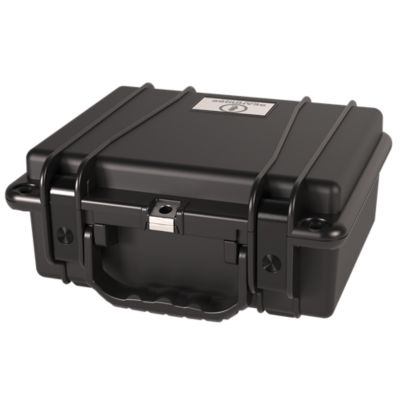
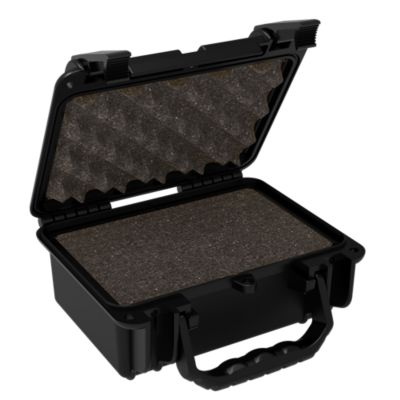
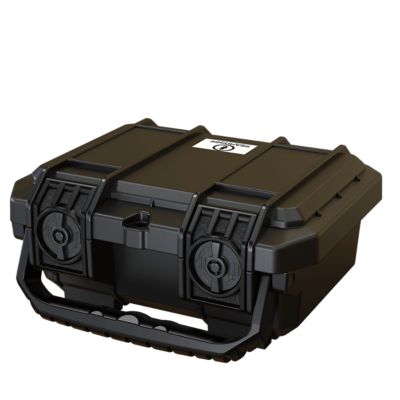
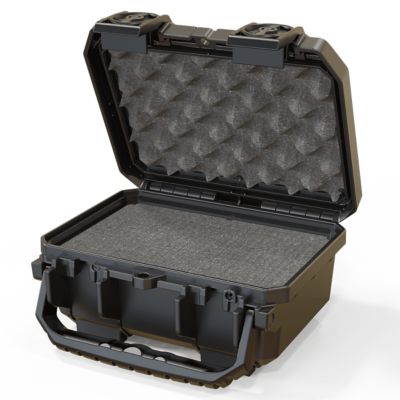
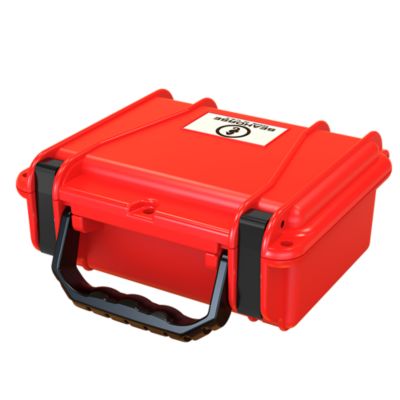
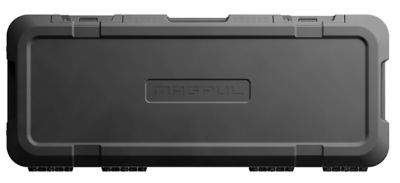
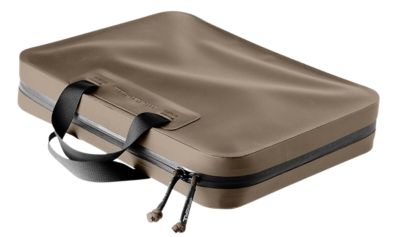
Protective gun cases help shield firearms from bumps, scratches, dust, and moisture during transport and storage, with the level of protection depending on the shell, padding, closures, and seals. Hard gun cases offer a rigid outer barrier, while soft gun cases wrap a firearm in padding with less weight and a little more flexibility for carrying. For a ride down a gravel lane, a trip to the range, or travel to hunting camp, the right case keeps a firearm contained and helps prevent it from knocking against other gear. Hard cases commonly feature molded polymer shells that resist impact and hold their shape when packed alongside bags and equipment. Reinforced corners, sturdy hinges, and firmly closing latches matter when a case sees regular loading and unloading. Some designs have gasket seals that help keep out dust and water, but water resistance is not the same as waterproof protection. Any waterproof or crush-resistance claim should be checked against the manufacturer's stated rating and limits. Soft cases often have woven nylon, polyester, or canvas exteriors, with foam padding and a lining that helps protect the firearm's finish. Tightly woven fabric, reinforced stitching, and covered zipper edges can make a difference through repeated trips between the house, truck, and range bench. A soft-sided bag may be a practical fit for short local outings where lighter weight matters most; a rigid case generally makes more sense when protection from compression and harder knocks is the priority. Neither style fits every situation, and a thick-looking exterior alone does not tell the whole story. Padding coverage, closure strength, and the way a firearm sits inside all contribute to protection. During the cooler months, when damp grass, muddy boots, and wet gear tend to come along for the ride, an exterior that wipes clean and a carrying handle that feels secure with gloves on are practical details worth having.
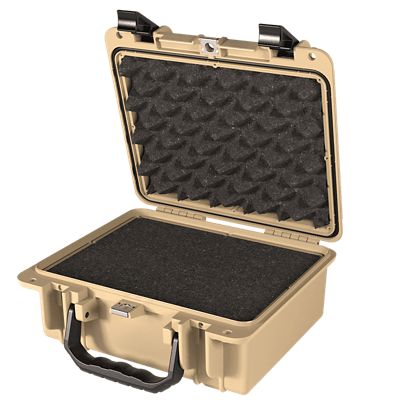
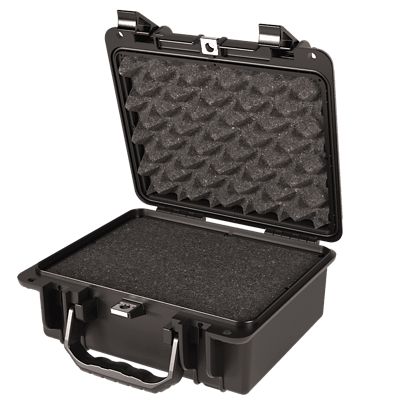
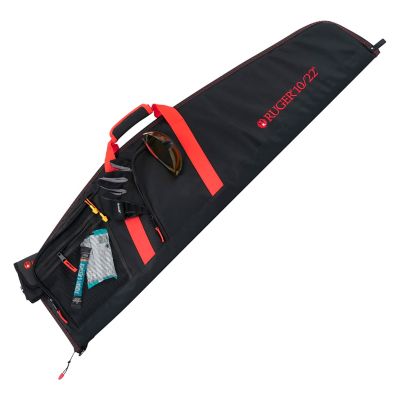
Fit starts with the firearm's full dimensions, not just whether the case is labeled for a rifle, shotgun, or handgun. Interior length, width, and depth should allow room for the entire firearm, including any attached scope, sights, or other accessories, without forcing the zipper or lid shut. Exterior measurements can be misleading because the shell and padding take up space. A scoped hunting rifle, for example, needs enough clearance above the receiver that the lid does not press against the optic. A shotgun with a longer barrel needs sufficient interior length while still leaving protective padding around both ends. Too much open space can let a firearm slide during transport; too little can put pressure on the finish, sights, or stock. Foam inserts, padded dividers, and internal retention straps help limit movement when they suit the firearm's shape and the case's design. Some hard cases have removable foam sections that let the interior fit around a firearm and its accessories. Leave enough supporting foam between compartments and around the outer edges, following the case maker's directions. Cases intended to carry more than one firearm need separation that prevents metal and wood surfaces from rubbing together. Accessory pockets are handy for eye protection, hearing protection, paperwork, and small cleaning supplies, but overfilling them can strain seams or press hard objects into the main compartment. Carrying comfort deserves the same attention as interior space. A balanced handle helps with the walk from a parking area to a shooting bench, while a padded shoulder strap can leave a hand free for another bag. Larger hard cases may have wheels, which can ease a long walk across pavement but are less helpful in deep gravel or mud. For hunters, recreational target shooters, and firearm owners who travel, those details shape how manageable a case feels once it is loaded. As a gift, a gun case works best when the recipient's firearm measurements, usual travel plans, and preferred carrying style are known ahead of time.
Care and security are just as important as the case material. After a damp outing, wipe down the exterior and follow the firearm manufacturer's care directions before putting the firearm away. A firearm brought from cold outdoor air into a warm building can collect condensation, and closing moisture inside a case can encourage corrosion. Let wet fabric, lining, and foam dry completely before closing the case for storage. Many foam interiors can hold moisture, so a transport case should not automatically become a long-term storage solution. Keep cases in a dry location away from large temperature swings, and inspect the interior occasionally rather than assuming a closed lid means everything stays dry. Clean grit from zipper tracks and latch areas, check handles and straps for loose stitching, and inspect gaskets for dirt, cracks, or damage that could affect the seal. Manufacturer-approved cleaning methods help protect fabric coatings, foam, and plastic components from harsh solvents. For owners who want an additional barrier against unauthorized opening,
Lockable Gun Cases can provide closure options designed to accept locks or include locking hardware. A lockable transport case is not automatically a substitute for a properly secured firearm safe, particularly in a home with children or visitors. Firearms should be unloaded before casing, with ammunition secured separately and access limited to authorized adults. Travel adds another set of considerations. For air travel within the United States, TSA requires firearms to be unloaded, packed in a locked hard-sided container, declared to the airline, and transported as checked baggage. The container must fully secure the firearm from access; a case that can be pulled open despite its locks may not meet the requirements. Check current TSA rules, airline policies, and laws at the destination before departure, including any ammunition requirements. Pressure-relief valves on some sealed hard cases help equalize air pressure as elevation changes, but that feature alone does not make a case suitable for flying. Whether the next outing means a nearby range or a longer drive to camp, a well-fitting case with sound closures, sensible padding, and proper care helps protect a firearm along the way.