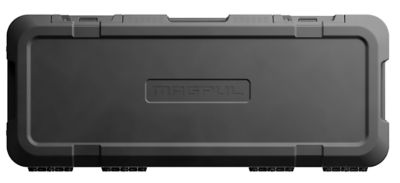
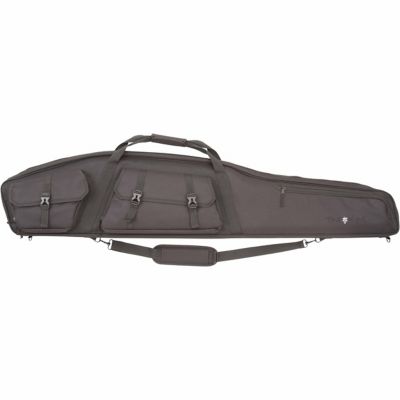
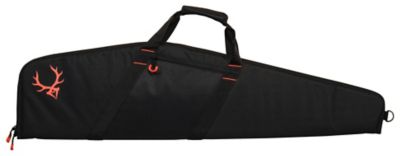
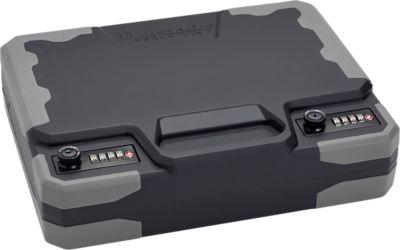
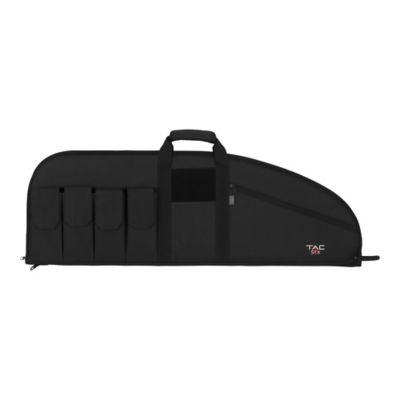
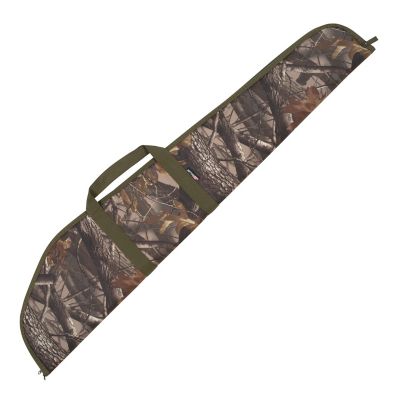
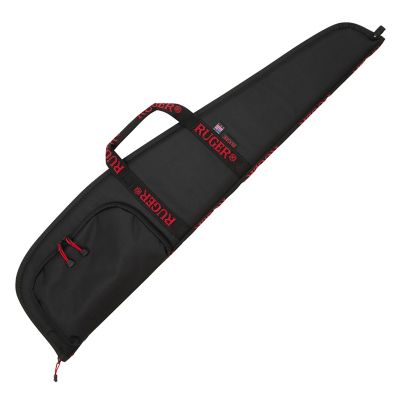
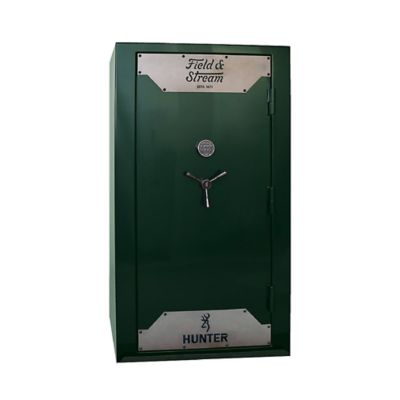
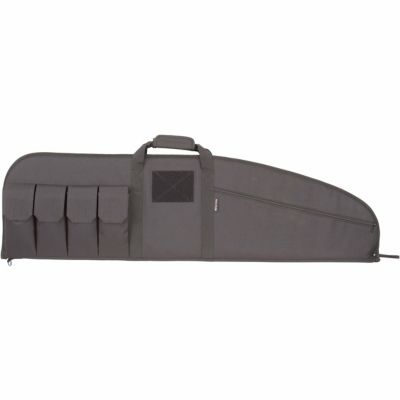
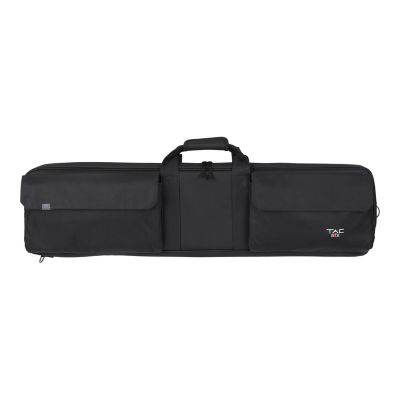
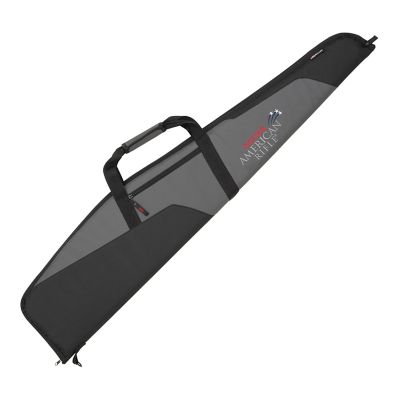
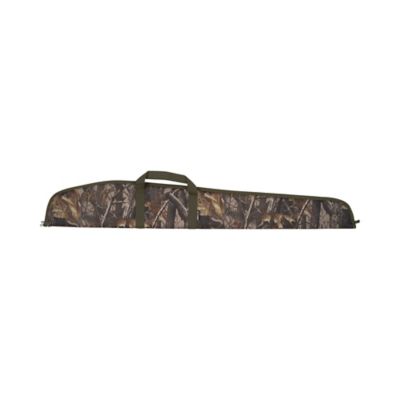
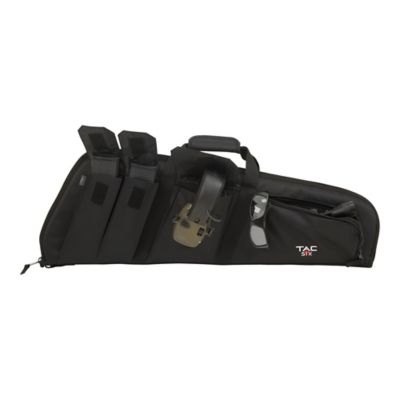
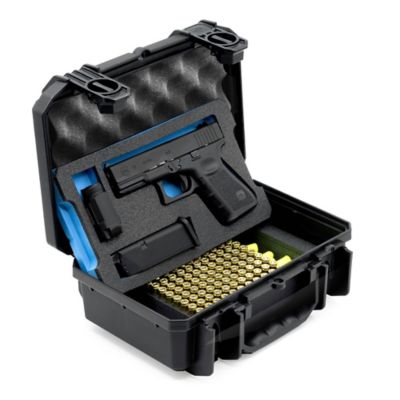
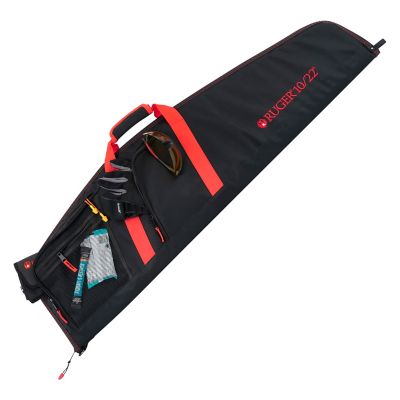
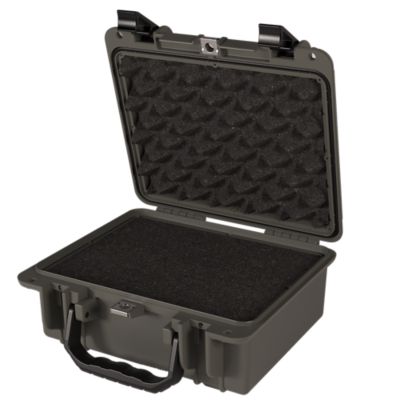
Gun storage cases help protect firearms from bumps, scratches, dust and everyday handling between storage and transport. Options generally fall into hard-shell cases, padded soft-sided cases and sealed designs with stated water-resistance ratings. Each serves a different purpose, from keeping a hunting rifle protected on the way to the range to giving a handgun a fitted place inside a secured storage area. A hard-shell case provides a rigid outer barrier, often made from molded plastic, reinforced polymer or aluminum, with foam or another cushioned lining inside. That structure helps resist crushing pressure and keeps other gear from pressing directly against a firearm. Soft-sided cases typically pair woven nylon or polyester exteriors with padding, making them lighter to carry and easier to tuck into an appropriate storage space. Reinforced corners, covered zipper tracks and tightly stitched handles can make a difference when a case gets carried from the house to the truck and back again. Neither style automatically provides waterproof protection or secure storage against unauthorized access. Those features depend on the construction, closure system and locking provisions of the individual design. A water-resistant fabric can shed light splashes without providing the protection of a properly sealed enclosure, while a gasket alone does not establish a waterproof rating. For shooters who carry several pieces of gear, exterior pockets and divided compartments can keep hearing protection, paperwork and cleaning supplies from rubbing against the firearm. A plain, low-profile exterior may also suit someone who prefers an understated carry case. Across these styles, the most useful features are the ones that match the job: a firm shell for added impact protection, manageable weight for a longer walk and a lining that cushions without leaving hardware exposed against the finish. A case that feels comfortable in an empty hand should also remain balanced when carrying its intended load.
Fit matters just as much as the outer material, because a case needs room for the whole firearm without allowing excessive movement inside. Interior measurements are more useful than exterior dimensions when comparing space for a rifle, shotgun or handgun. Barrel length alone does not tell the full story; the stock, grip, sights, scope and other attached equipment all affect the room required. A scoped rifle, for example, needs enough depth around the optic that closing the lid does not put pressure on the scope or its mounts. A soft-sided case should close freely rather than pulling tight across raised sights or stretching at the zipper. Extra length can be helpful within reason, but too much open space may let the firearm shift during carrying. Foam inserts, adjustable interior straps and padded dividers can help hold things in place when their layout suits the firearm. Pre-scored foam offers a way to shape the interior, while layered foam or removable sections can accommodate different profiles without forcing the lid shut. When comparing
Protective Gun Cases, the relationship between interior support and exterior protection deserves a close look. A stout shell cannot make up for a poor fit, and thick padding should not interfere with safe placement or closure. For take-down firearms, separate padded sections can keep components from contacting each other. Multiple-firearm cases need enough separation that stocks, barrels and metal parts stay apart throughout normal handling. Carrying details matter, too. A broad handle spreads pressure across the hand, a shoulder strap leaves a hand free for a range bag, and wheels can make a heavier case easier to move across suitable surfaces. Strap anchors, hinge attachments and latch placement deserve attention because those points take repeated strain. Someone making short trips from a secured cabinet to a nearby shooting bench may value compact dimensions, while a traveler may put greater emphasis on reinforced construction and clear locking provisions.
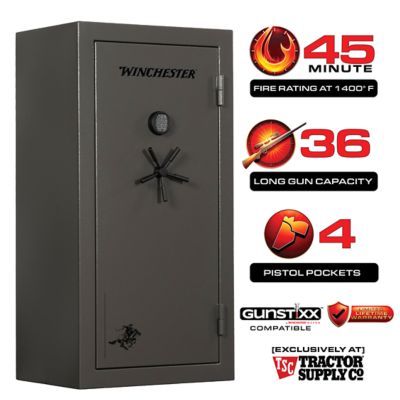
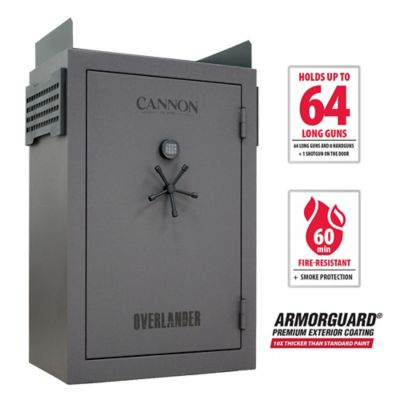
Care and secure storage are part of getting lasting service from a gun case, whether it belongs to a regular range shooter, a hunter or a firearm owner keeping equipment organized at home. Grit caught in a lining can rub against a finish, and damp padding can hold moisture close to metal and wood. Materials that are easy to inspect and clean make routine upkeep simpler. Removable liners and inserts allow better access to corners, while smooth shell interiors can be easier to wipe down than deeply textured surfaces. Cleaning methods should follow the case manufacturer’s directions, especially around foam, coatings, adhesives and seals. A case and its lining should be fully dry before a firearm goes back inside, and cleaning solvents or firearm oils should not be allowed to soak into materials that may react with them. Hinges, zippers, handles and latches also benefit from regular checks for looseness, fraying or damage. For longer storage periods, a carrying case is not a substitute for appropriate moisture control or a secured firearm storage system. Firearms should be unloaded before storage or transport, handled according to their manufacturers’ instructions and secured against access by children or other unauthorized people. Ammunition belongs in separate locked storage. Lockable zippers, reinforced lock holes and built-in locks provide different levels of protection; a simple zipper lock should not be mistaken for a firearm safe. Travel requirements also vary by destination and carrier, so a case described for transport still needs to meet the rules that apply to the trip. As a gift for a responsible adult firearm owner, a storage case makes the most sense when the firearm’s dimensions and the recipient’s carrying needs are known. Getting those practical details right helps turn a case into a useful part of the routine, with less shifting gear, fewer exposed surfaces and a designated place for the firearm between outings.