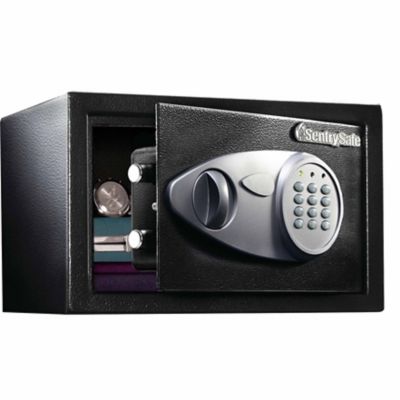
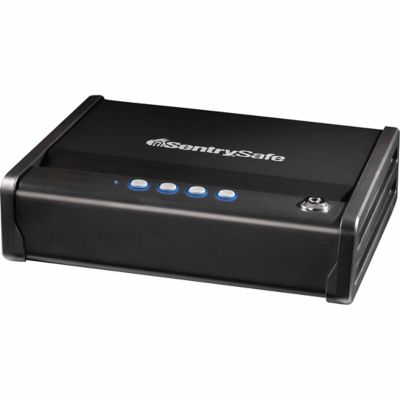
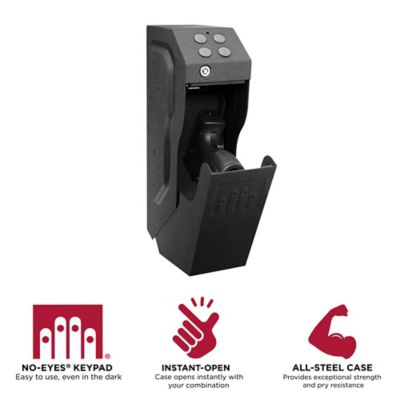
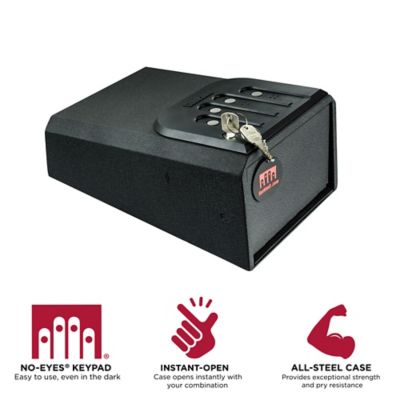
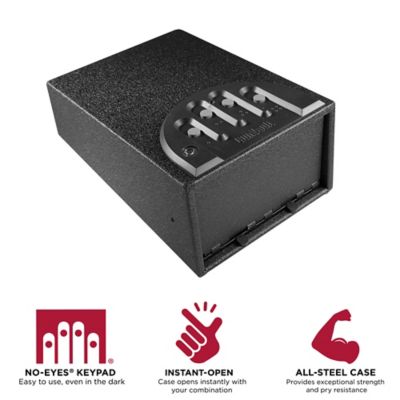
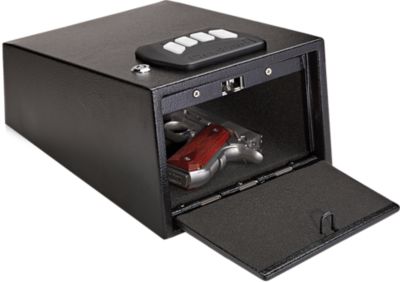
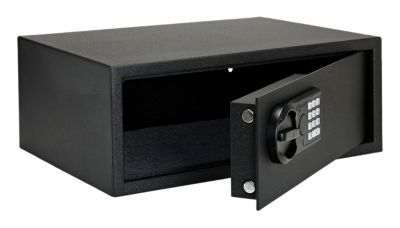
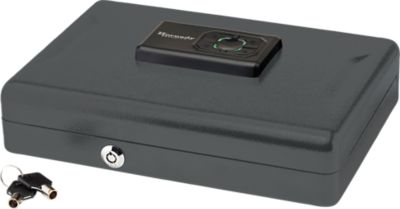
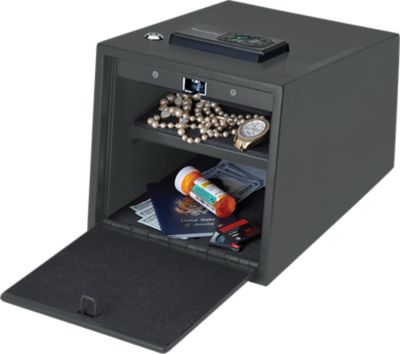
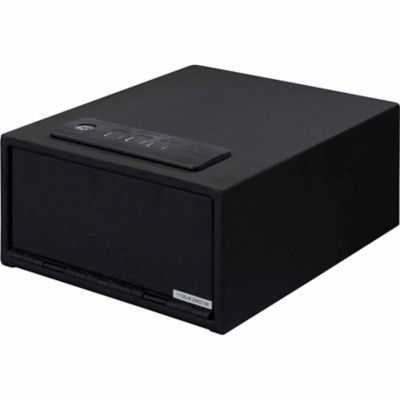
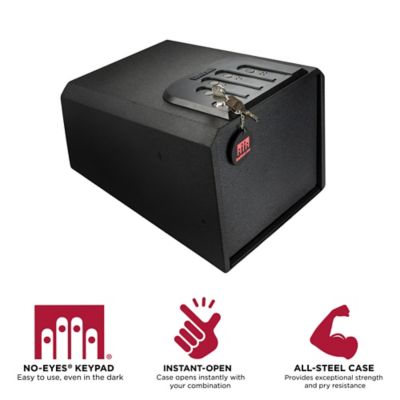
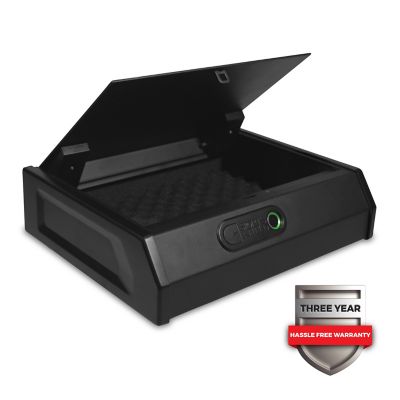
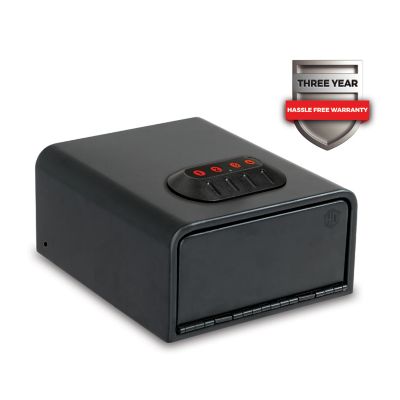
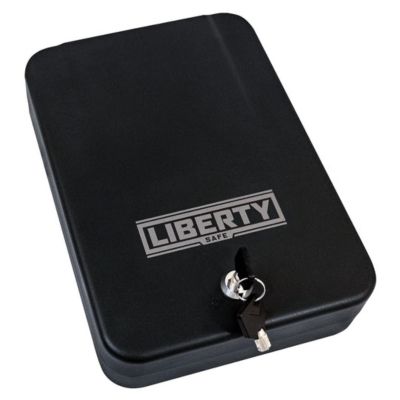
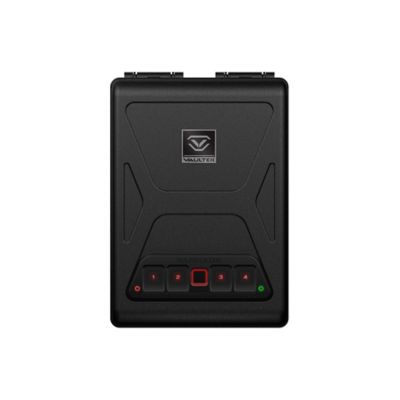
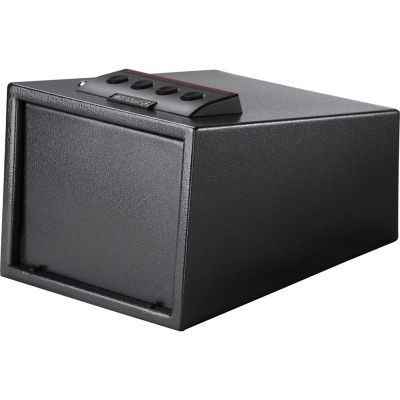
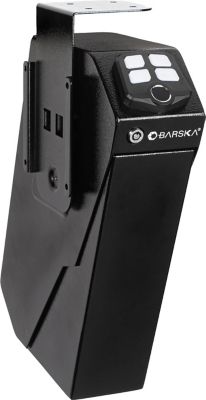
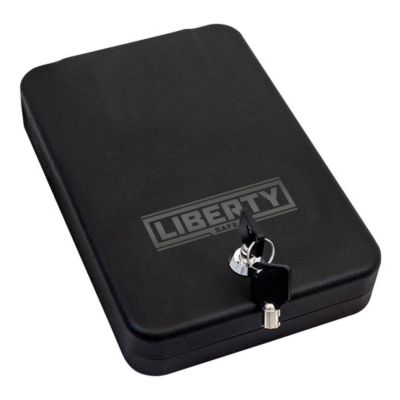
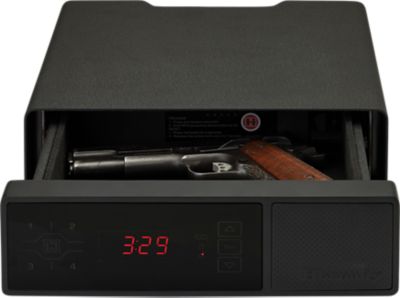
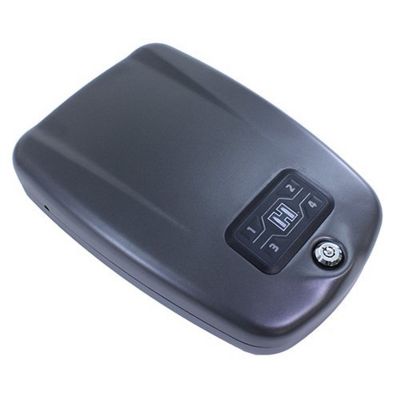
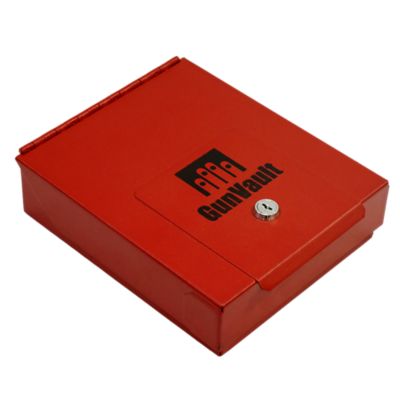
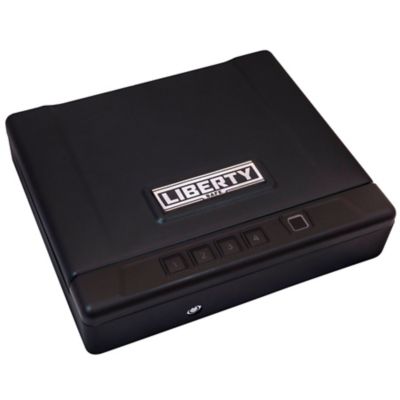
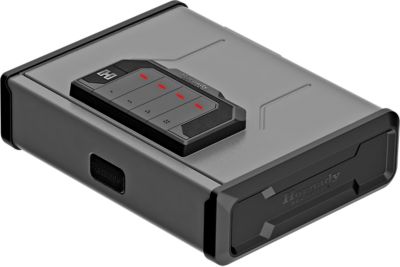
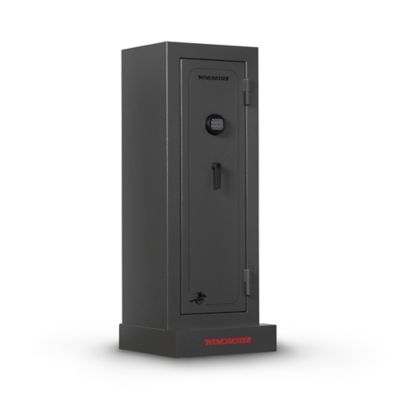
Quick access handgun safes bring controlled entry and compact firearm storage together in a format that fits everyday spaces. For responsible handgun owners, that can mean a secured place for an unloaded firearm after a trip to the range, between work shifts or whenever it is not under direct control. These safes are built around different entry systems, including fingerprint readers, electronic keypads and mechanical push-button locks. Each style has its own feel: a keypad offers a familiar code-based routine, a fingerprint reader checks an enrolled fingerprint, and a mechanical lock can operate without batteries. Some designs combine more than one entry method or include a backup key, so the locking system deserves as much attention as the size of the box. Fingerprint performance can vary with finger placement and skin condition, while electronic locks need battery checks and eventual battery replacement. Mechanical entry avoids that power requirement but still calls for a combination that authorized adults can remember and keep private. Clear controls, readable indicators and a lid that opens without binding all contribute to straightforward operation. Audible feedback, interior lighting and keypad illumination are other features that may matter, particularly when a safe sits beneath a shelf or inside a cabinet. Quick access should never mean open access: codes, enrolled fingerprints and backup keys all need careful control, especially in a home with children, visiting family or other people who are not authorized to handle firearms. A quick-entry lock is one part of a responsible storage setup, not a replacement for safe handling. Firearms should be stored unloaded, with ammunition locked separately, and storage arrangements should meet applicable laws. For homes on a few acres, busy farm households and smaller living spaces alike, the appeal is practical—a dedicated enclosure that keeps firearm storage separate from the clutter of keys, paperwork and everyday gear.
Construction and fit help determine how well a handgun safe works in its intended location. Steel bodies, reinforced lid edges and protected locking components are common features worth comparing, but steel thickness alone does not tell the whole story. The way the lid meets the body, the protection around the locking mechanism and the strength of the mounting points also matter. A snug door seam and a sturdy enclosure serve a different purpose than a lightweight case intended mainly for transport, so the intended use should be clear before either becomes part of a storage routine. Published testing information and recognized certifications can provide helpful context where provided; a lock style or heavy feel by itself does not establish a particular level of protection. Inside the safe, usable space matters more than outside dimensions. A handgun with a longer barrel, taller sights or an attached optic may need extra clearance, and interior padding takes up room too. Where the safe manufacturer permits storage in a holster, that holster’s width and shape also belong in the fit check. Enough room for an authorized adult to grasp an unloaded firearm without catching on the lid or neighboring contents makes the enclosure more practical. Overfilling can interfere with closure, crowd the lock area or leave the door unable to latch completely. Exterior placement deserves the same attention. A top-opening lid needs overhead clearance, while a front-opening door needs space to swing without hitting a drawer front or cabinet frame. Mounting provisions may support attachment to suitable furniture or a structural surface, depending on the design and installation instructions. Anchoring helps address the risk of someone carrying away the entire enclosure; a cable attachment should not be assumed to provide the same protection as a properly installed bolt-down arrangement. For households comparing compact storage with a roomier setup,
Closet Gun Safes offer another category to consider alongside the available space and storage needs.
Day-to-day care is mostly about keeping the enclosure, lock and mounting arrangement working as intended. Powder-coated or painted steel surfaces can help protect the body from ordinary handling, while soft interior liners help limit contact between the firearm and bare metal. Those liners still need attention: grit, loose fibers and debris can collect inside a small enclosure, especially when range gear or work clothing is nearby. A clean interior and an exterior wiped according to the manufacturer’s directions help keep buildup away from hinges, seams and controls. Harsh cleaners, excess liquid and lubricant applied to the wrong place can interfere with finishes or lock components, so care requirements should come from the safe’s instructions rather than a general-purpose cleaning routine. Battery-powered models need the specified battery type and periodic checks, even when the lock has a low-power alert. Backup keys belong in a separate secured location, not tucked into the same drawer or left inside the safe they are meant to open. For fingerprint models, enrollment and testing should follow the manufacturer’s directions, with any handling practice performed only after confirming the firearm is unloaded and ammunition is kept elsewhere. A complete latch check after closing is a simple part of responsible ownership; a lid resting against the frame is not necessarily locked. Over time, loose mounting hardware, a damaged liner or a door that begins to catch deserves attention before the safe returns to regular service. The right fit is not always the enclosure with the most features. It is the one whose dimensions, entry method, installation requirements and care routine suit the household without encouraging shortcuts. Whether it sits in a bedroom cabinet, a home office or another permitted location, a quick access handgun safe should support consistent, controlled storage every time the firearm is put away.