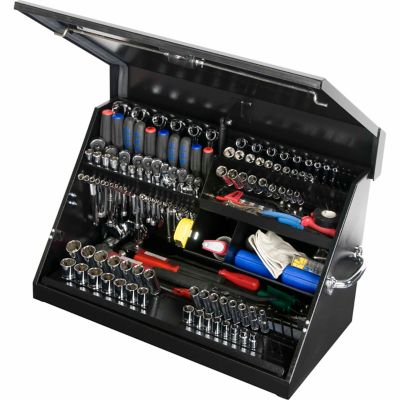
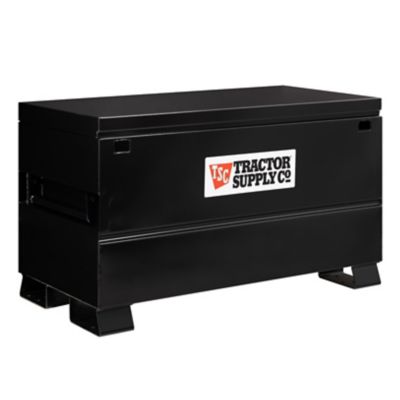
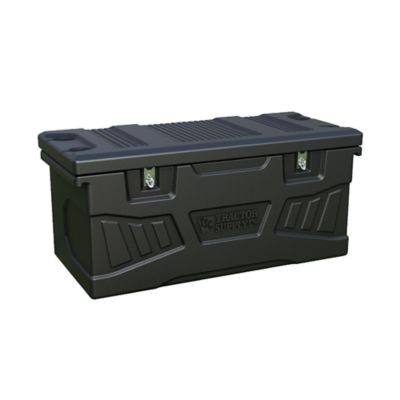
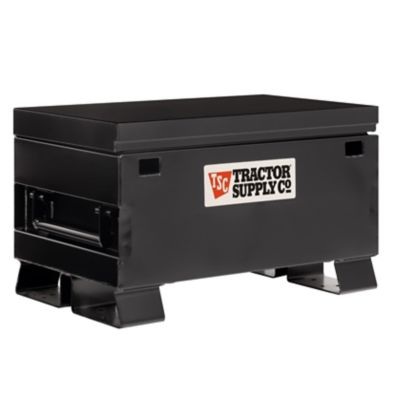
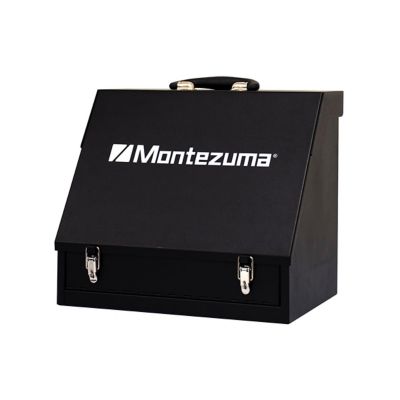
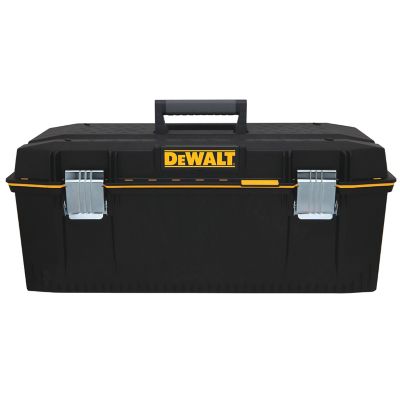
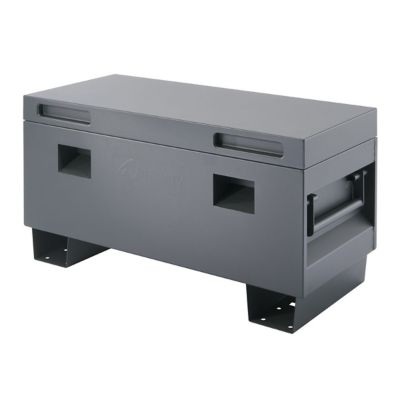
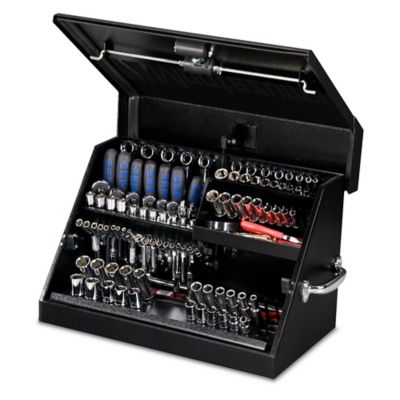
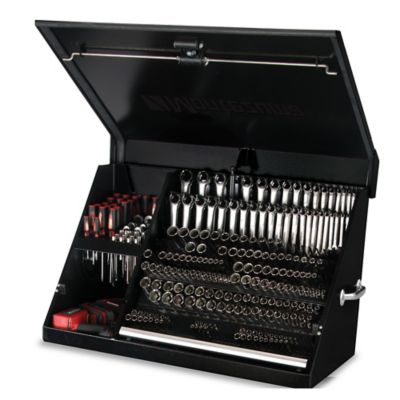
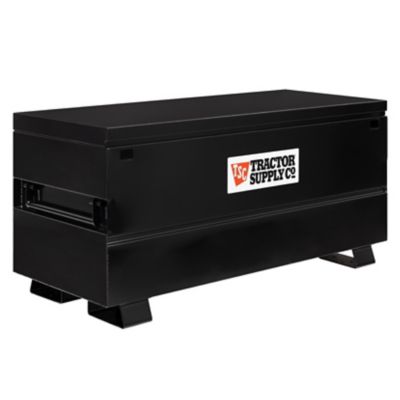
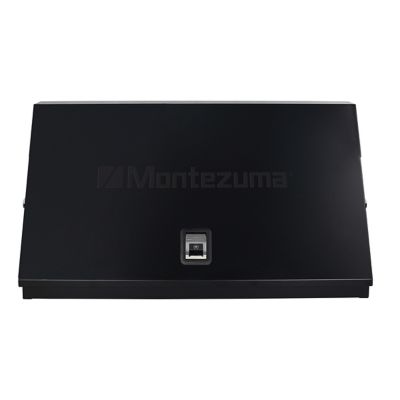
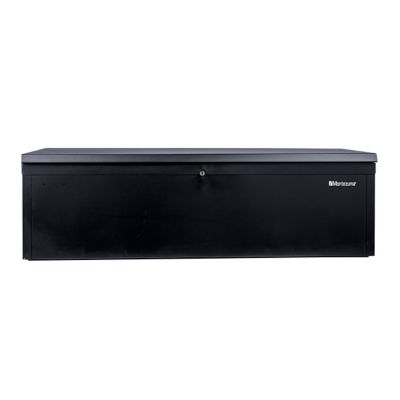
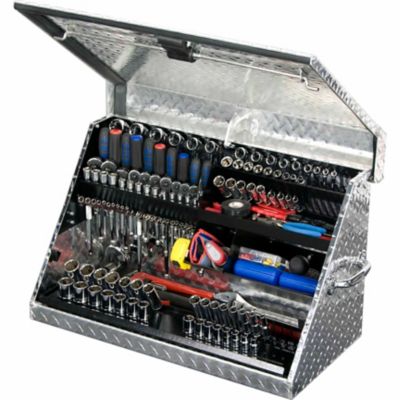
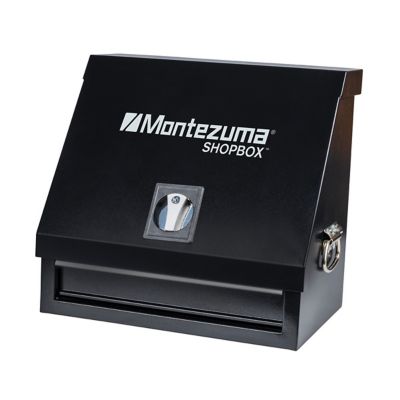
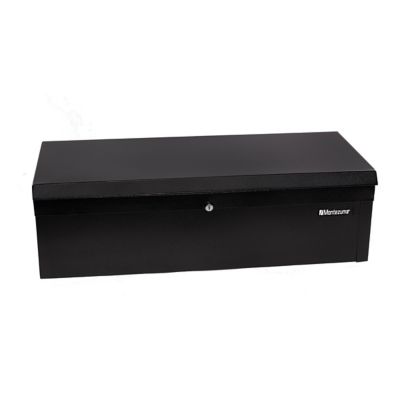
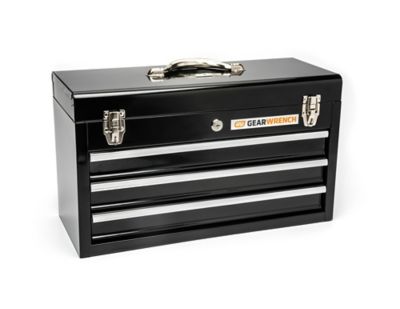
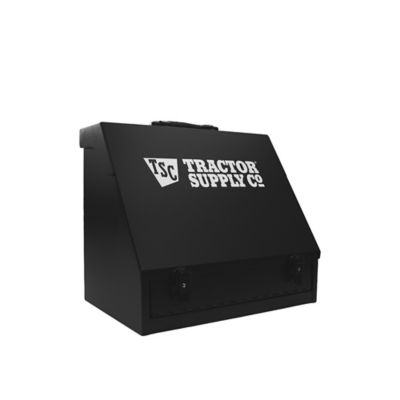
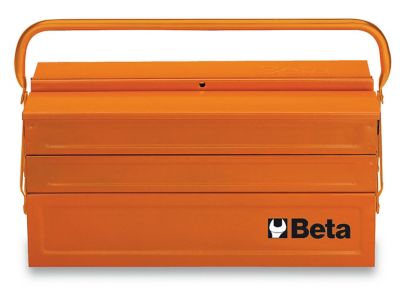
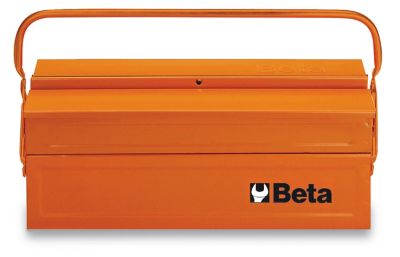
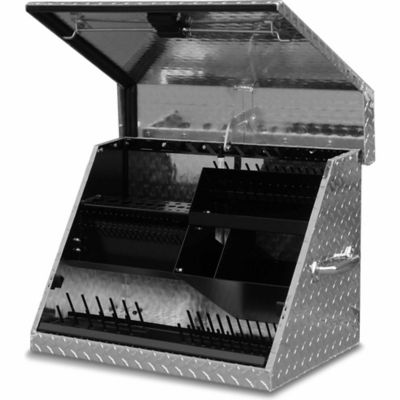
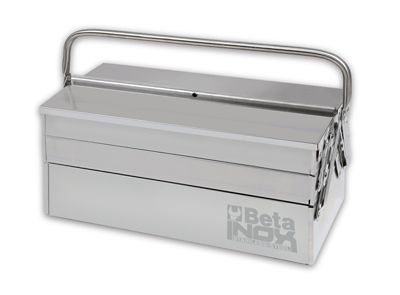
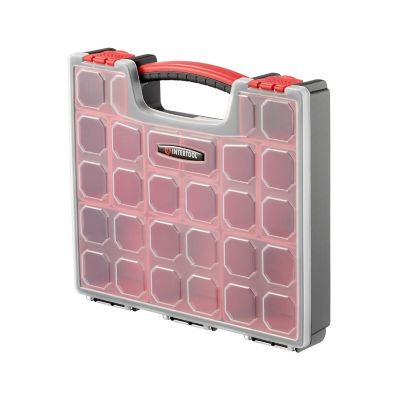
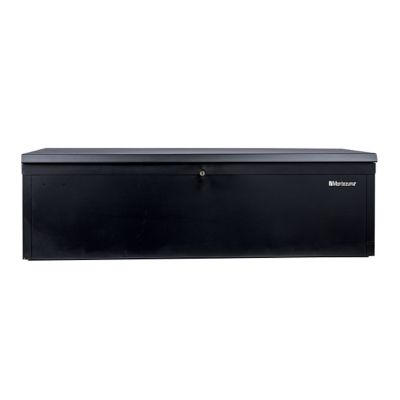
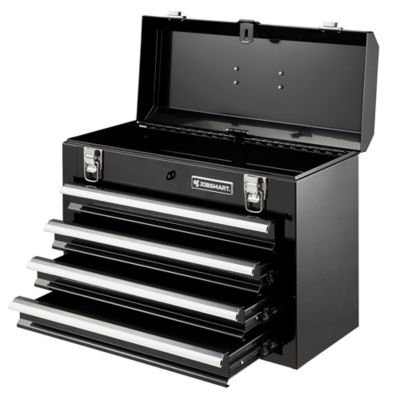
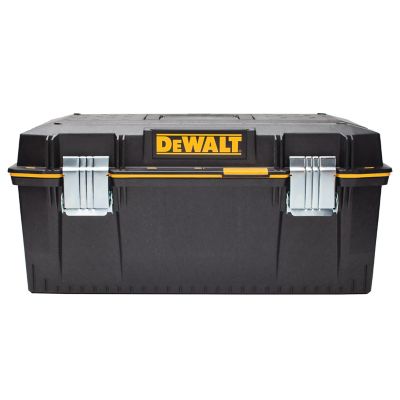
Lockable portable tool boxes keep hand tools, sockets, and small hardware organized in a carryable container, with a locking feature that helps limit access when the lid is closed. They suit the everyday back-and-forth between a garage bench, a truck, a barn, and whatever needs fixing down the lane. A box packed for fence repairs might hold pliers, a hammer, adjustable wrenches, and fasteners, while one headed to an equipment shed might carry socket sets, screwdrivers, and electrical testing tools. Keeping those essentials together means less time walking back for the wrench that never made it into a pocket. The best fit depends on both the tools going inside and the space where the box will ride or sit. Exterior measurements matter for fitting beneath a workbench or behind a truck seat, but interior dimensions determine whether a long ratchet, pry bar, or wrench can lie flat without crowding the latch. A deep main compartment leaves room for larger tools, while a lift-out tray keeps frequently reached-for pieces near the top. Small divided compartments help separate nuts, washers, drill bits, and driver tips so they do not disappear beneath heavier gear. Drawers can make individual tools easier to reach without unloading the whole box, though their added structure also adds weight. For someone moving between several chores, a straightforward open compartment with a removable tray may be easier to work from than a more elaborate layout. Mechanics, farm owners, maintenance workers, and homeowners all have different packing habits, so useful storage starts with room for the actual load rather than extra space for its own sake. A comfortable box should hold the essentials without becoming a burden once every compartment is filled. There is also value in leaving enough breathing room to see what is inside and put tools back without forcing the lid shut. Clear organization makes a missing socket easier to spot before the box leaves the shop.
Materials and hardware shape how a portable locking tool box handles daily work. Steel construction brings rigidity and a solid feel, with a protective finish helping shield the metal underneath from corrosion. Scratches and chipped edges deserve attention because exposed steel can rust when moisture lingers. Aluminum generally weighs less than steel for a comparable design and resists red rust, though panel thickness and construction still affect how well a box stands up to knocks. Molded plastic can reduce carrying weight and avoids metal-body corrosion, while reinforced corners, ribs, and well-supported handles help spread the load. No material tells the whole story by itself. Hinges, lid alignment, latch attachment, and the connection between the handle and body all matter when a loaded box is lifted repeatedly. A handle with enough clearance for a gloved hand can make a noticeable difference when hauling tools from the truck to a repair. Published load ratings are more useful than judging strength by appearance, and the weight of the empty box belongs in that calculation, too. Locking arrangements vary: some boxes have an integrated keyed lock, while others have a hasp or reinforced opening for a separate padlock. With a padlock-ready design, the shackle must fit the opening and allow the lid to close properly. Boxes with several drawers may have a central locking system, but the lock needs to secure every compartment that holds tools. A lock is a deterrent to casual access, not a promise against theft or forced entry, and it does not secure the entire box to a vehicle. Latches have a separate job: holding the lid firmly closed during carrying. A box that closes squarely, latches without strain, and locks without pressure on the lid is better suited to regular handling than one packed beyond its capacity. Gaskets and overlapping lid edges can help limit dust or moisture entry, but protection depends on the stated rating and how the box is closed.
Portability is about more than having a handle on top. A compact box can tuck beside a bench and travel easily to a small repair, while a wider chest offers more room but can be awkward through narrow doorways or around equipment. Balanced packing helps keep a carried box from tilting, with heavier tools low in the compartment and smaller pieces secured in trays or dividers. For vehicle travel, the box needs a stable position and suitable restraint so it cannot slide, tip, or become a hazard during a sudden stop. A locked lid alone will not keep the container in place. When carrying a fully packed box gets awkward,
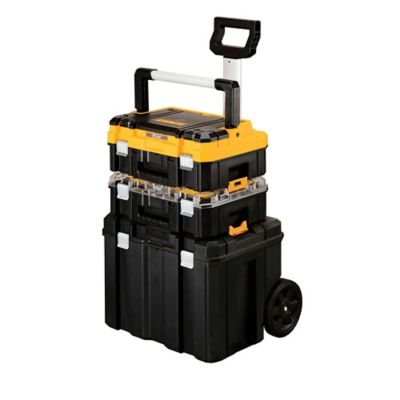
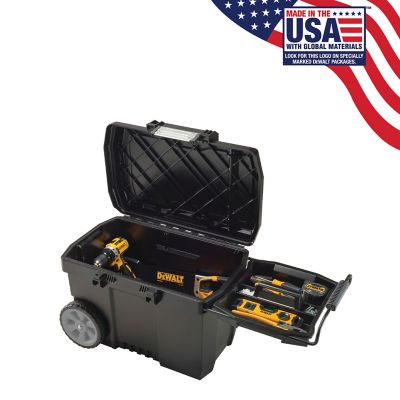
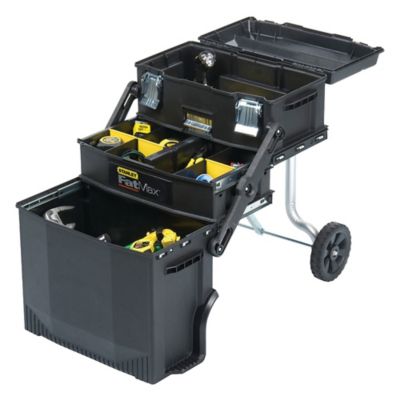
Mobile Tool Boxes offer a rolling option for moving tools between work areas. Wheel size, handle reach, and clearance beneath the body become important considerations on uneven shop floors or paths between buildings. For a carry-style box, a broad grip and manageable packed weight can matter more than extra compartments. Everyday care is straightforward: loose grit can be brushed from corners, trays can be wiped clean, and tools should be dry before the lid is closed for storage. Keeping debris out of hinges and latches helps them move freely, while any lock maintenance should follow the maker’s directions. A spare key stored separately can save a good deal of trouble without weakening the purpose of the lock. These boxes also make practical gifts for someone setting up a first garage workspace, starting a trade, or keeping a separate repair kit close to the barn. The most useful choice suits that person’s tools, lifting comfort, and usual tasks rather than simply offering the largest compartment. Whether it holds a compact household repair kit or the hand tools needed for equipment maintenance, a lockable portable tool box gives everyday gear a defined place and makes it easier to take the right tools along.