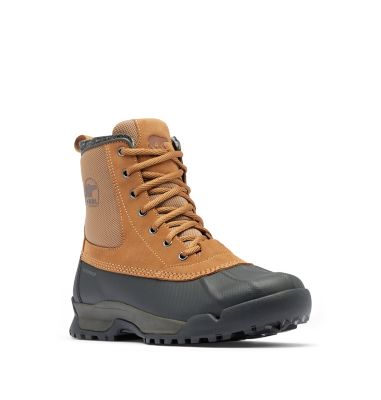
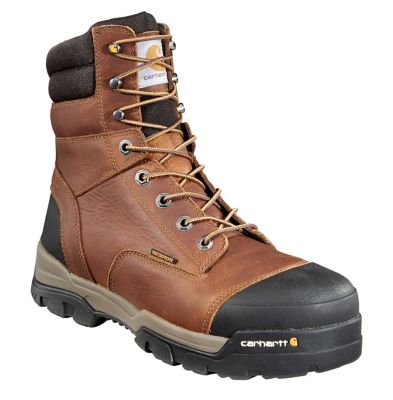
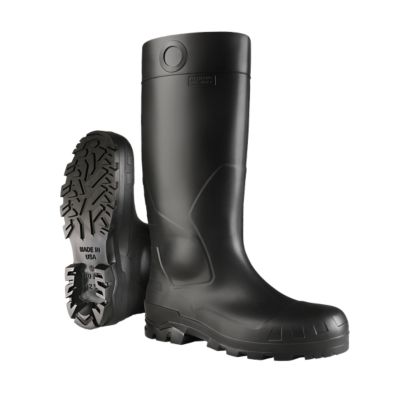
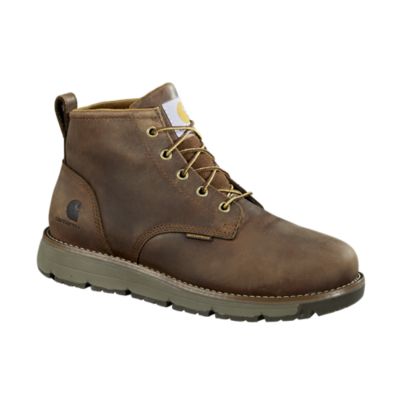
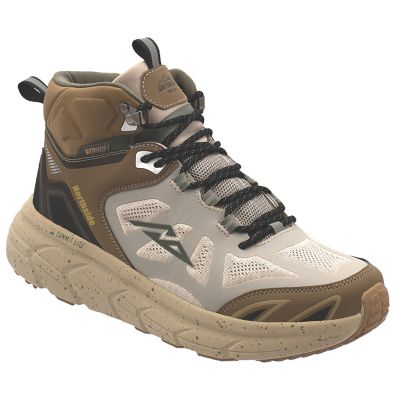
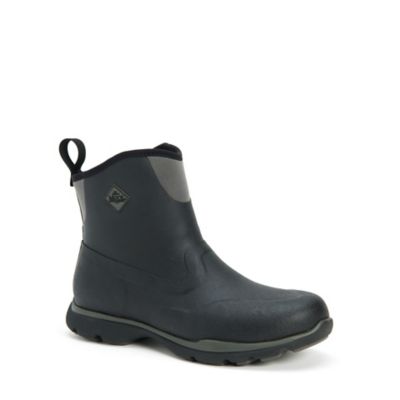
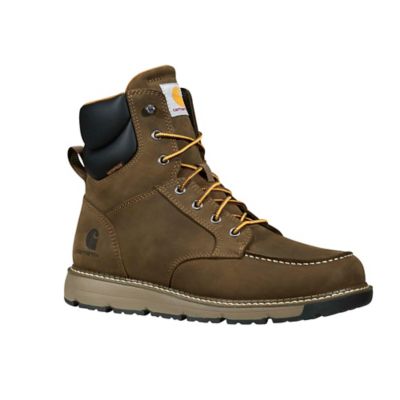
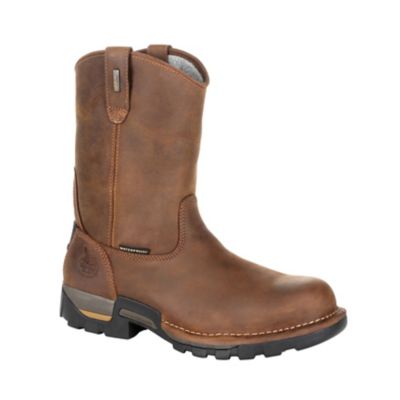
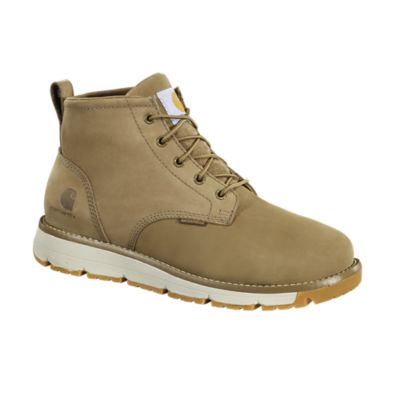
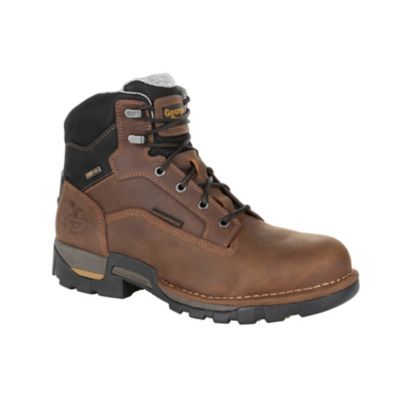
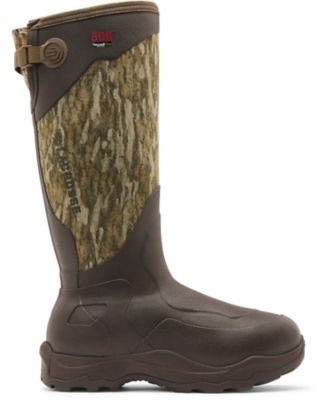
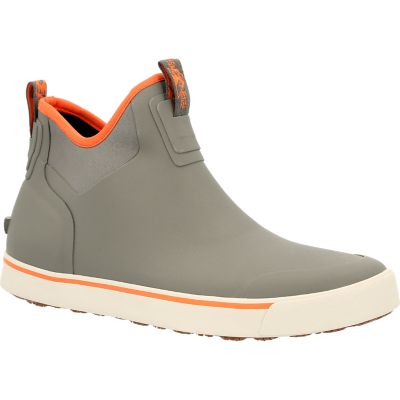
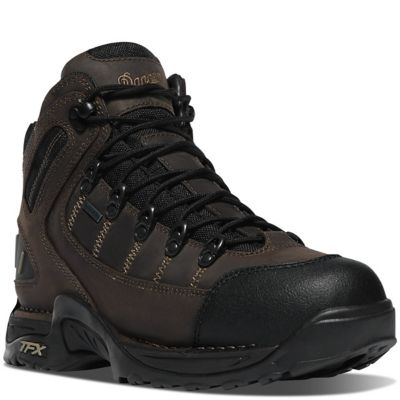
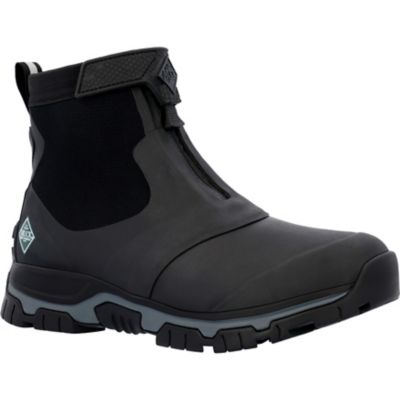
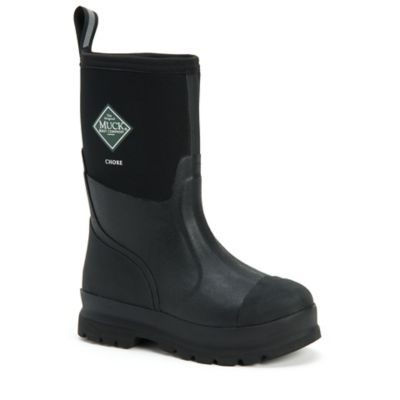
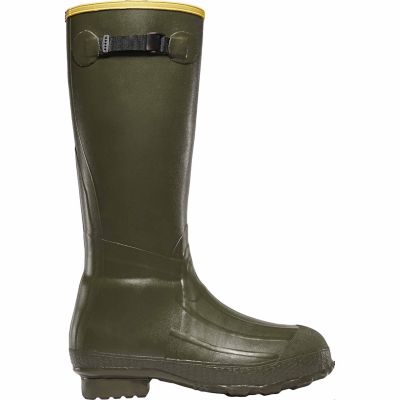
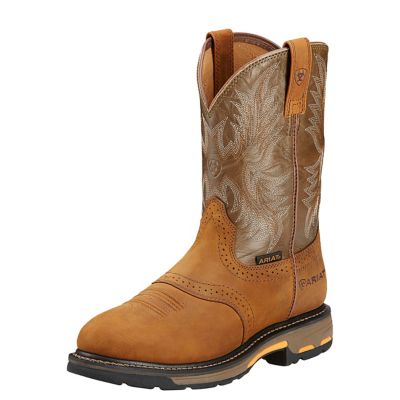
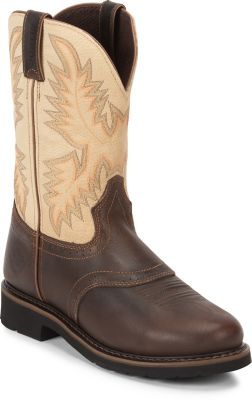
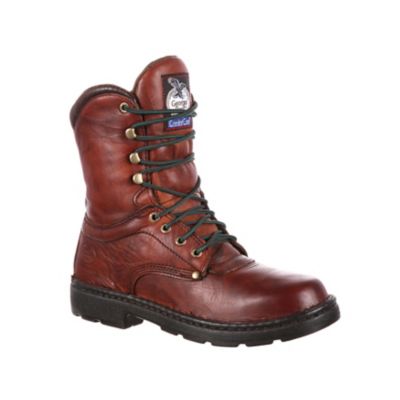
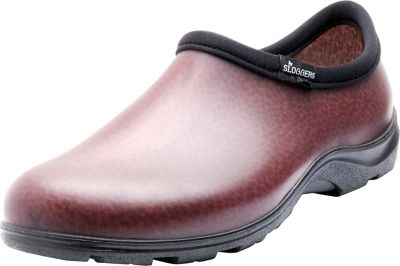
Men’s lightweight waterproof boots bring together protection from wet ground and a lighter feel for days that involve plenty of walking. They make sense for checking fence lines through dew-covered grass, carrying feed across a muddy barnyard, walking wooded trails, or getting from the truck to a jobsite after a rain. The best match depends on the ground underfoot and the work ahead, not weight alone. A flexible hiking-style boot can feel comfortable on long stretches of uneven trail, while a work-oriented boot may provide the firmer support and toe protection a particular job calls for. Lightweight construction often combines synthetic fabric or leather-and-fabric uppers with cushioning foam midsoles, keeping weight down without stripping away every layer between the foot and the ground. Leather panels can add resistance to scuffs around the toes and heels, while fabric sections allow more flex. Rubber boots offer another approach for wet chores, with waterproof shells that rinse clean after a trip through mud or manure. Their weight varies with shaft height, lining, and outsole construction, so a shorter chore boot may feel quite different from a tall field boot. Waterproof protection may come from a rubber shell or an internal membrane paired with sealed seams. A water-repellent surface treatment helps moisture bead off the upper, but that treatment alone does not make a boot waterproof. Coverage matters, too: water can enter over the collar, and a gusseted tongue only blocks entry up to the height where its sides attach. Breathable waterproof membranes allow some moisture vapor to escape, though socks can still get damp from perspiration during hard work. For anyone comparing boot weights, the useful numbers are those measured in the same size and listed on the same basis, either per boot or per pair. There is no single weight cutoff that makes every men’s waterproof boot lightweight; the practical goal is less weight to carry while keeping the protection, traction, and support the task requires.
Comfort in men’s lightweight waterproof work boots starts with enough room for the foot to move naturally and enough hold to keep it from sliding around. Toes need space to spread and should not strike the front when walking downhill, stepping off a porch, or kneeling to latch a gate. The heel should stay reasonably secure without rubbing, and the instep should feel supported rather than squeezed. Fit checks mean more with the socks intended for the job, especially when switching between thin everyday socks and thicker work socks. Feet often swell after hours of standing, making a late-day try-on helpful for judging all-day room. Wide widths can provide needed space without the extra length that comes from sizing up. Lace-up boots allow adjustment across the instep and around the ankle, which helps when moving between level paths and rough pasture. Pull-on styles save time at the back door, though the shape of the heel and instep becomes especially important without laces to tighten. Underfoot, EVA foam midsoles generally add cushioning with little weight, while firmer midsoles and support components can help limit excessive bending over rocks, ruts, and ladder rungs. A soft first step is only part of the picture; cushioning also needs to feel steady while carrying a bag of feed or standing on concrete. Outsole design deserves equal attention. Spaced lugs can release mud more readily than tightly packed tread, while heel edges and multidirectional patterns can help with footing on slopes. Traction depends on both tread and rubber compound, and no outsole guarantees grip on slick boards, wet metal, or ice. Slip-resistance claims should match the intended setting rather than serve as a promise for every surface. For jobs with footwear requirements, look for the specified safety-toe, electrical-hazard, or other protection rating; a waterproof label does not establish those protections. Higher shafts add coverage from splashes and wet vegetation, but height alone does not guarantee ankle support. For shorter walks and chores where less ankle coverage is enough,
Mens Lightweight Waterproof Shoes offer a lower-cut alternative, with the tradeoff that water and debris have a shorter path over the collar.
Long service life comes from matching the boot’s construction to its surroundings and giving wet footwear a chance to dry properly. A lightweight trail boot that feels good on gravel and grass may not be the right choice for daily abrasion against concrete, sharp scrap, or repeated contact with livestock waste. Reinforced toe areas, heel counters, and well-protected seams can help in spots that take regular knocks, while a sole suited to the surface can reduce unnecessary wear. Rubber shells are handy for messy chores, but rubber compounds differ in resistance to oils, chemicals, and other barn or shop substances. Any need for chemical protection calls for the manufacturer’s stated rating, not an assumption based on waterproof construction. After ordinary wear, removing packed mud from the tread helps preserve traction, and brushing grit away from seams keeps abrasive dirt from sitting against the stitching. Leather, fabric, and rubber each need care suited to the material. Leather may benefit from a compatible conditioner, while fabric uppers generally call for gentle cleaning that does not damage their surface treatment. Waterproofing products should be approved for the boot’s materials and membrane. Reapplying a suitable water-repellent treatment can restore surface beading, but it cannot mend a torn waterproof liner or a split shell. Drying boots at room temperature, away from direct heaters and open fires, helps protect leather, adhesives, and linings from excessive heat. Removable insoles can come out to dry separately, and loosening laces gives trapped moisture a better way out. Regular checks around flex points, seams, and the sole-to-upper connection can catch wear before the next long walk across wet ground. Moisture-managing socks and a second pair to change into also help on days when hard work leaves feet damp from the inside. For ranch hands, property owners, outdoor workers, and men who split their time between chores and trails, the right lightweight waterproof boots balance easy movement with the coverage the day demands. They can also make a practical gift when the wearer’s size, preferred fit, and workplace requirements are known, especially for someone who spends more time outside than sitting still.