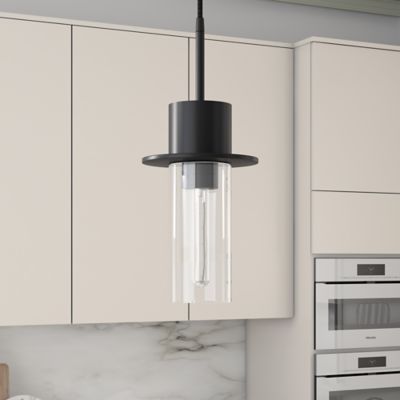
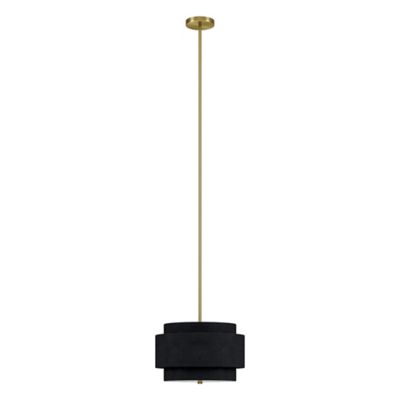
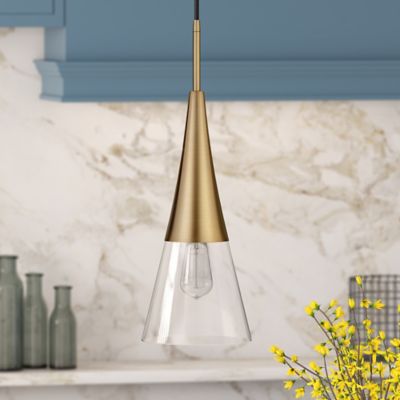
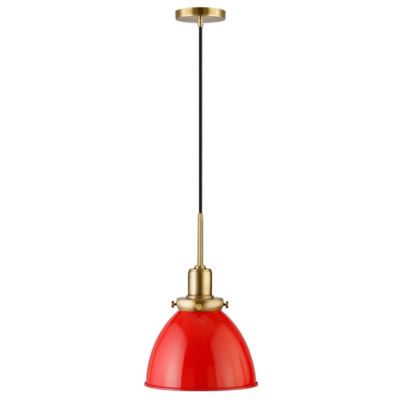
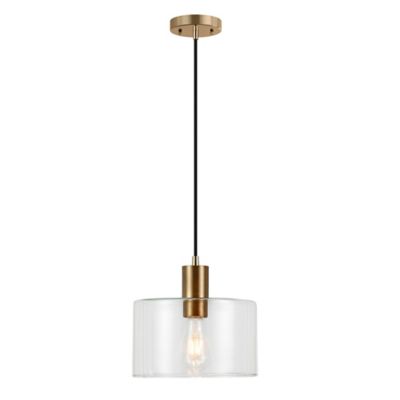
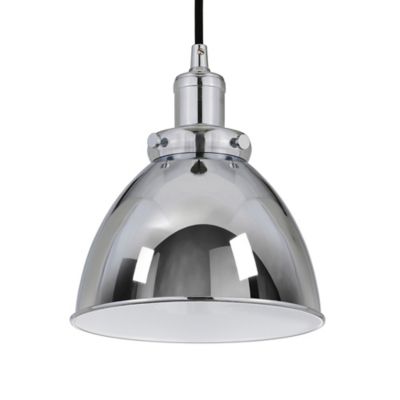
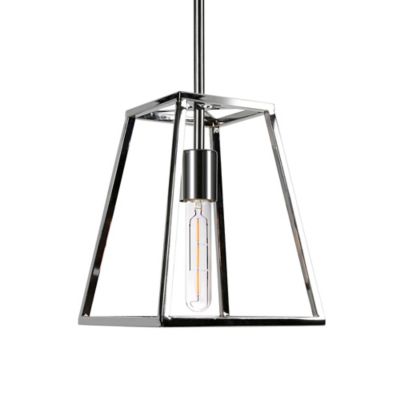
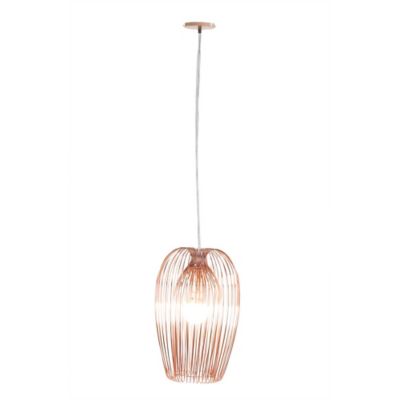
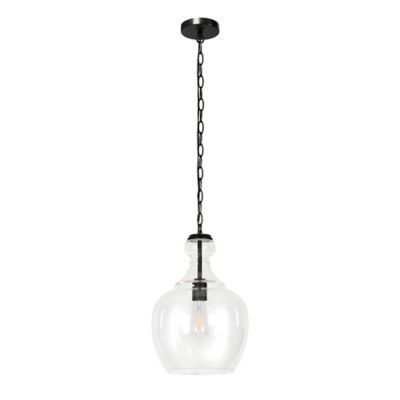
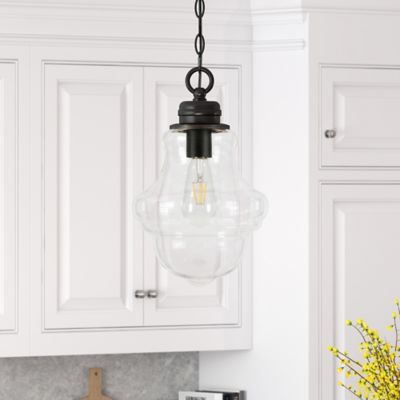
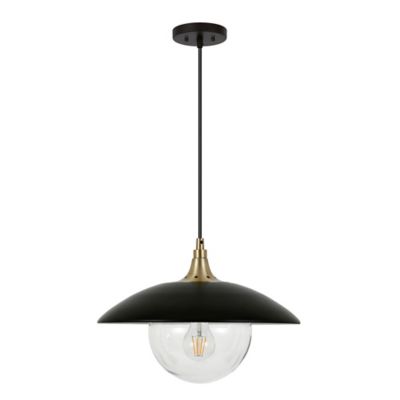
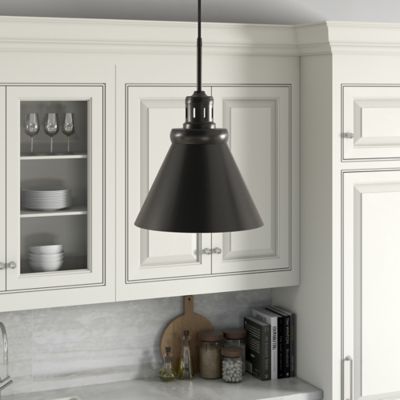
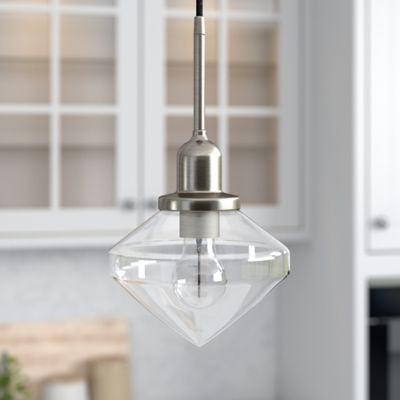
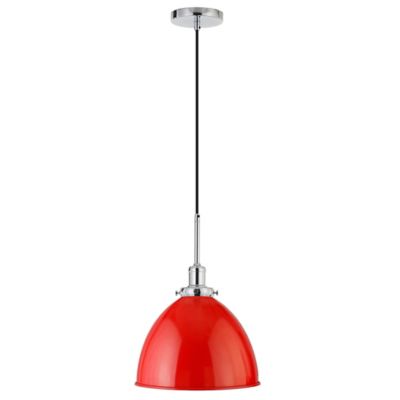
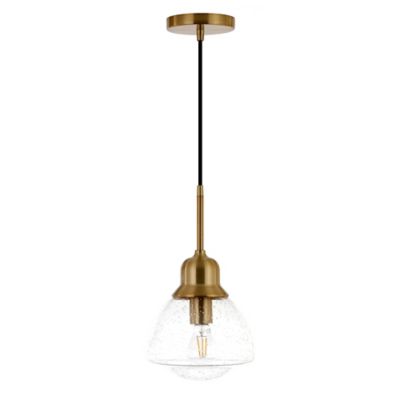
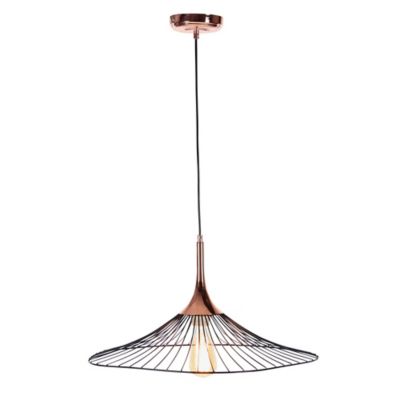
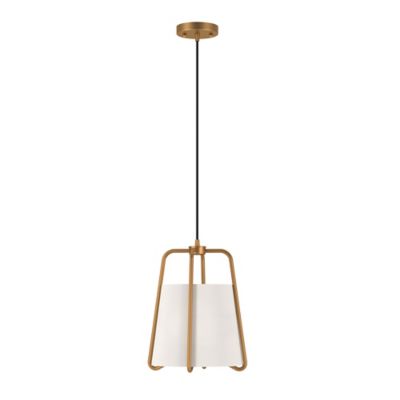
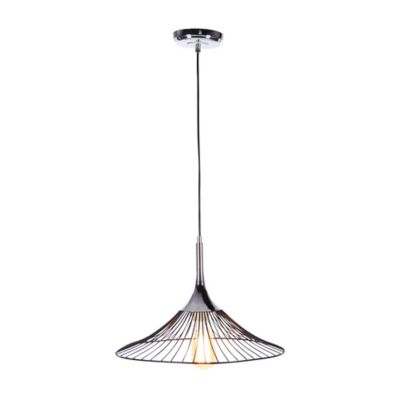
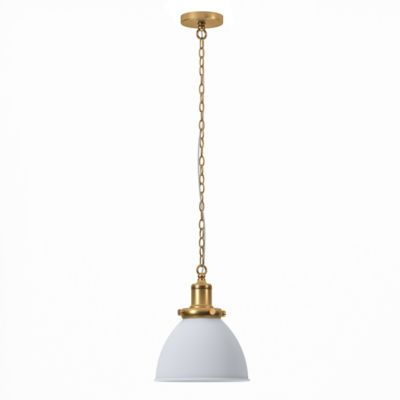
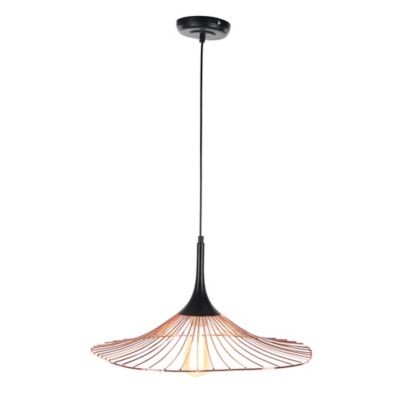
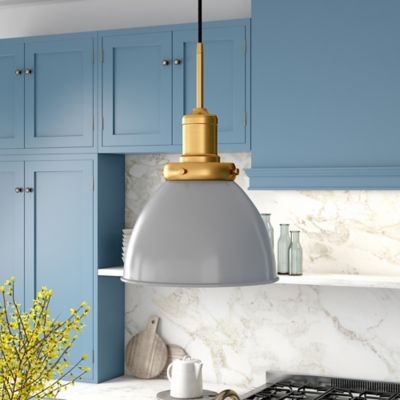
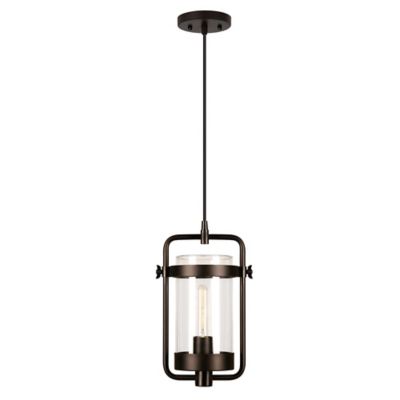
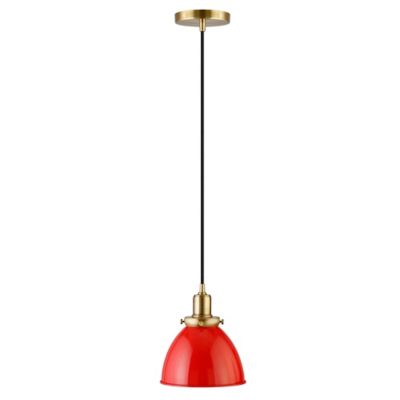
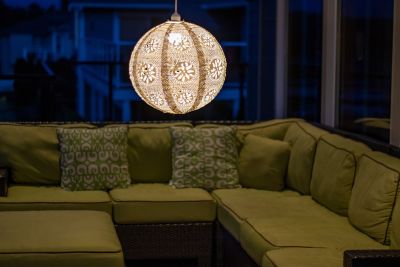
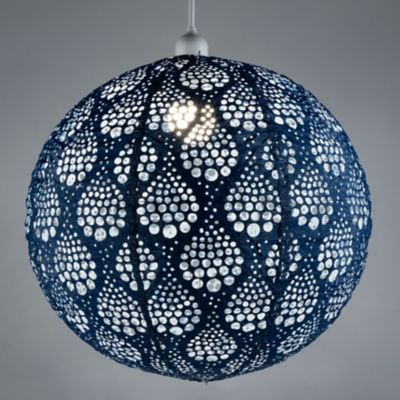
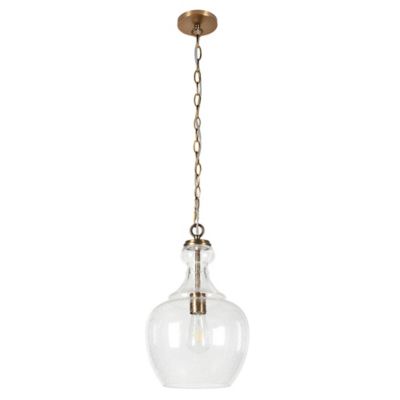
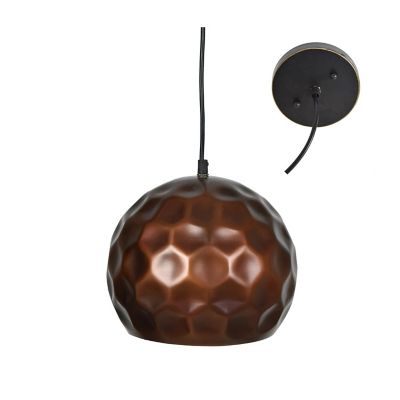
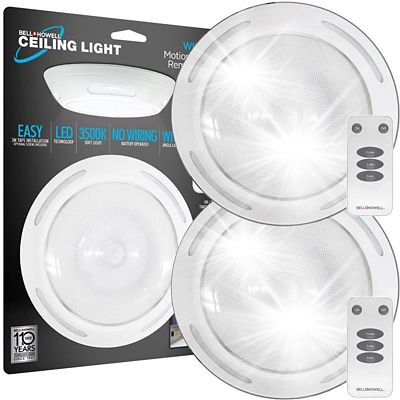
Lighting for small dining rooms can make a cozy eating area feel open, welcoming, and ready for everything from weekday suppers to holiday gatherings. A well-chosen fixture adds useful light without taking over the room, especially when the table sits close to a wall, a kitchen walkway, or a set of cabinets. Start by measuring the table, then look for a light that is no wider than about half the table’s width. That simple rule helps keep the room in balance and leaves enough visual breathing room around the fixture. For a small rectangular or round table, a single pendant, compact drum shade, or slim mini chandelier can provide a finished look without making the ceiling feel crowded. A single shade often suits a clean, simple room, while a small multi-light fixture can bring a little farmhouse charm or traditional character to a breakfast nook. If your dining space opens into the kitchen or living room, choose a fixture that works with the surrounding finishes so the areas feel connected. Black metal, brushed finishes, wood accents, woven materials, and fabric shades can each set a different tone, from work-ready country style to a softer, more polished look. For more inspiration with a warm, comfortable feel, browse
Farmhouse Style Dining Room Lighting.
The height above the table matters just as much as the width. In many homes, the bottom of a hanging fixture looks and functions best about 30 to 36 inches above the tabletop, though ceiling height and the shape of the fixture may call for a small adjustment. The light should be low enough to anchor the dining area, but high enough that family and guests can see one another across the table without bumping their heads or looking around a bulky shade. Before choosing a fixture, check the ceiling height, the table’s thickness, and the path people use to move through the room. A flush-mount or semi-flush light may be a better fit where the ceiling is low, while a pendant or compact chandelier can add more presence in a room with extra overhead space. Shade material also changes the feel of the light. Fabric and frosted shades help soften glare and spread a gentle glow, which can be especially helpful over a glass tabletop. Clear or open shades may cast brighter light and show off decorative bulbs, but they can feel harsh if the bulb is exposed at eye level. Look for lighting that uses a bulb size and base you can easily replace, and check whether the fixture is rated for the location and compatible with your home’s wiring. If installation calls for new wiring or a ceiling box, have the work handled by a qualified professional. A dimmer switch is another useful feature for a small dining room. Bright light helps with setting the table, sorting mail, doing homework, or cleaning up after a meal, while a lower setting creates a relaxed glow when friends settle in for a longer dinner during the cooler months.
Bulb color plays a big part in how the room looks once the fixture is in place. Warm bulbs in the 2,700K to 3,000K range generally create a comfortable glow that is easy on the eyes and flattering around the table, bringing out the natural color of food, wood, and skin tones. Cooler bulbs can feel more energetic and task-focused, but they may make a small dining room look stark, especially when paired with white walls or reflective surfaces. LED bulbs are a practical choice for many households because they use less energy, produce less heat, and come in a range of shapes and brightness levels. Check the fixture’s maximum wattage and the bulb’s lumens before buying, since a small shade does not always mean a low-light fixture. A dining room used for crafts, bills, or schoolwork may need more brightness than a space used mainly for meals. Consider the shape of the table, too: a round table usually pairs naturally with one centered light, while a longer table may look better with a narrow linear fixture or two properly spaced pendants, provided the ceiling and wiring support that setup. These lighting choices can also make a thoughtful housewarming gift for someone settling into a first home, updating a breakfast nook, or turning a spare corner into a useful dining spot. During early fall through winter, when evenings arrive earlier and more meals happen indoors, the right light helps a small room feel comfortable instead of cramped. Keep the fixture proportional, use warm illumination, and choose a style that fits the way the space is actually used, whether that means quick family breakfasts, coffee with a neighbor, or a full table of guests sharing a home-cooked meal.