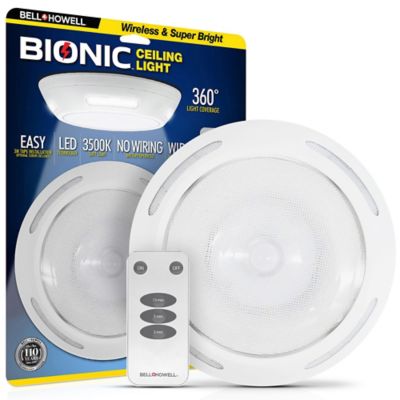
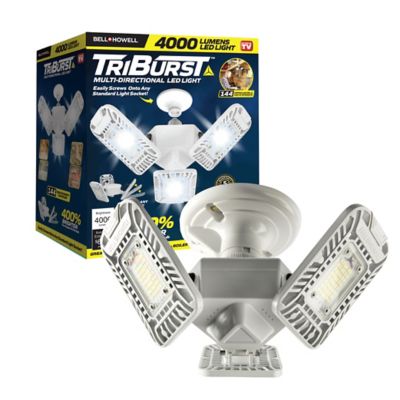
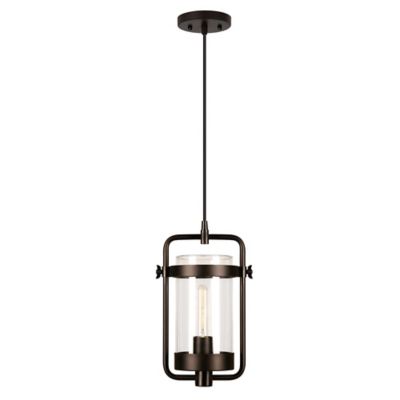
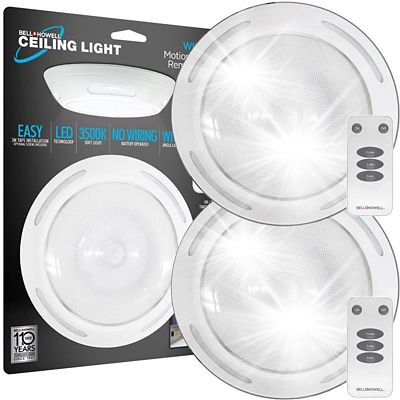
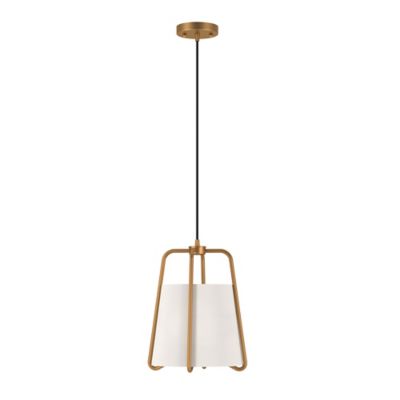
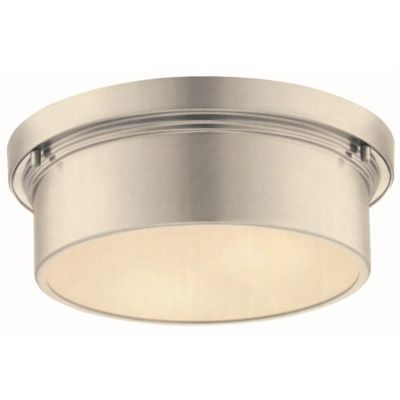
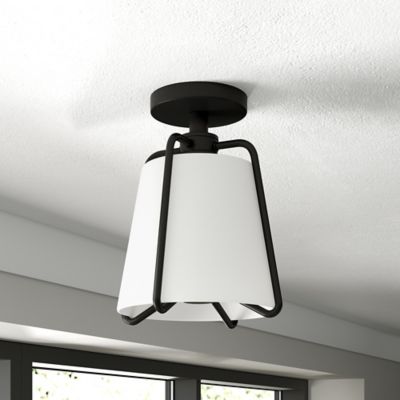
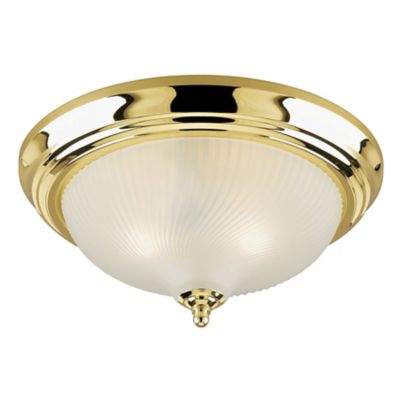
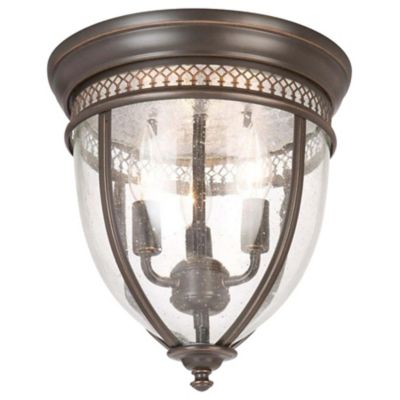
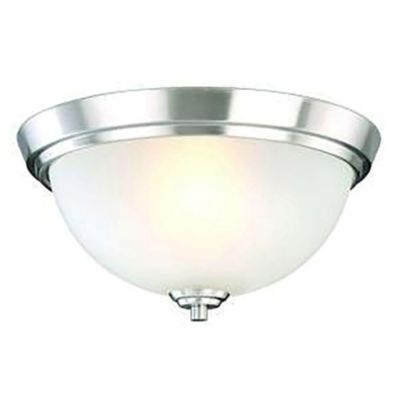
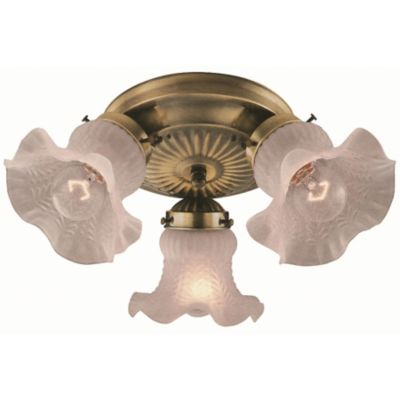
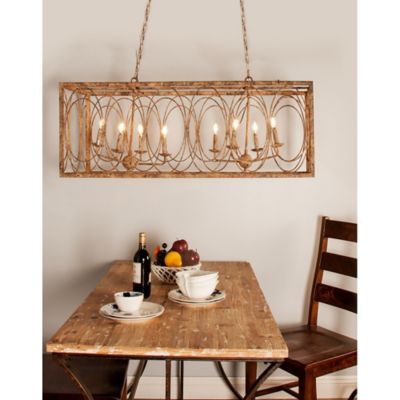
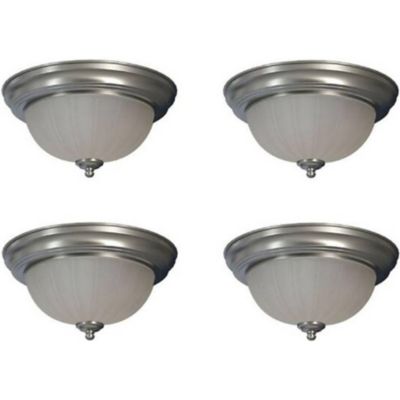
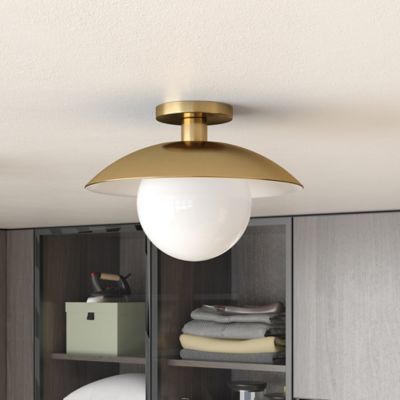
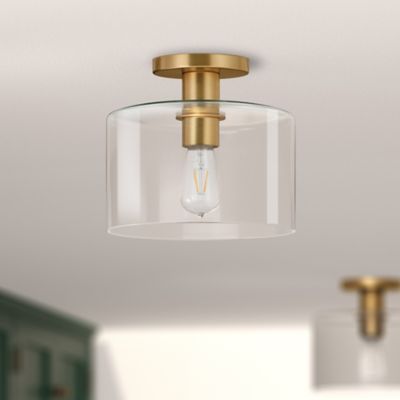
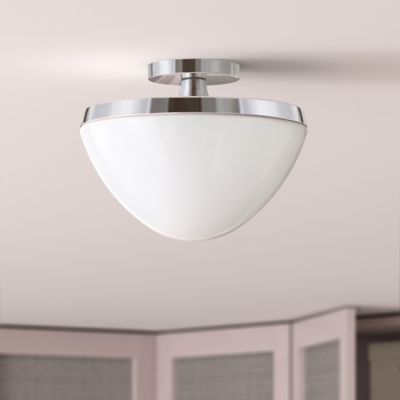
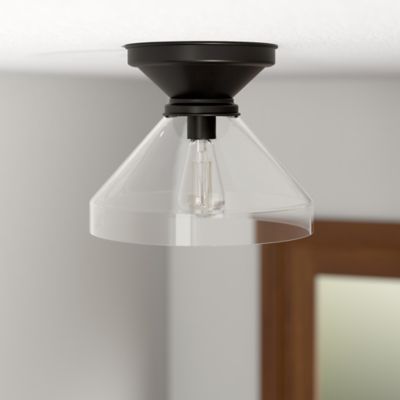
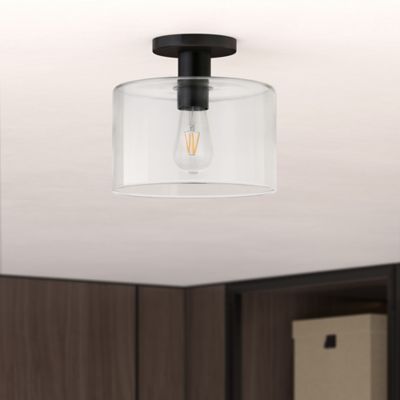
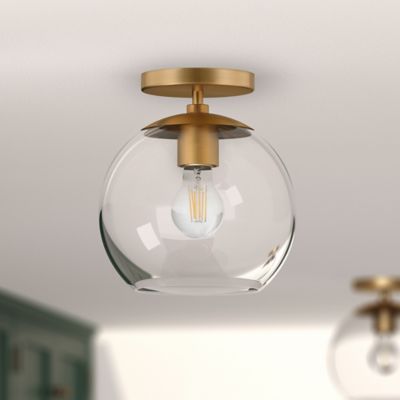
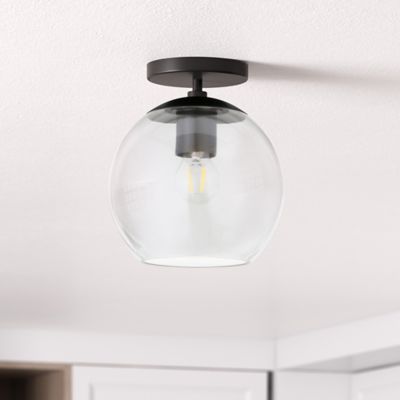
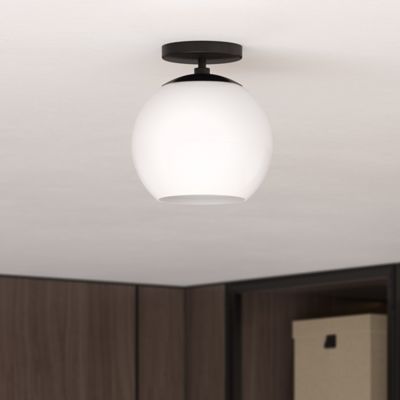
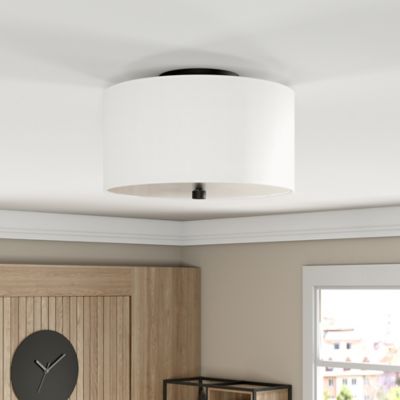
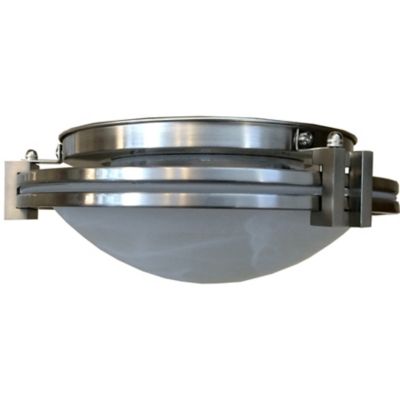
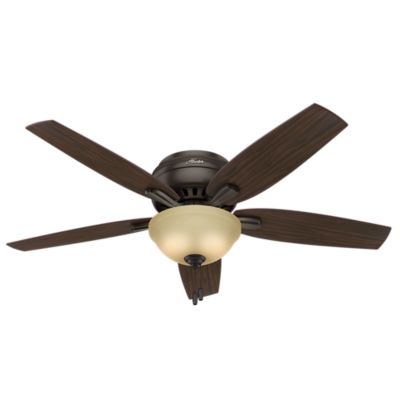
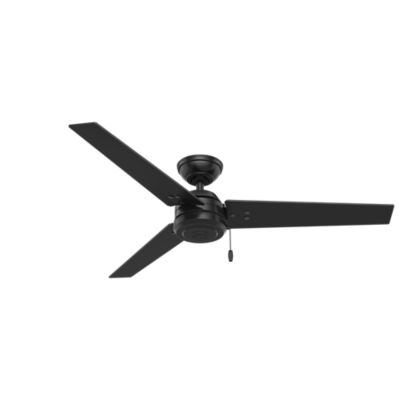
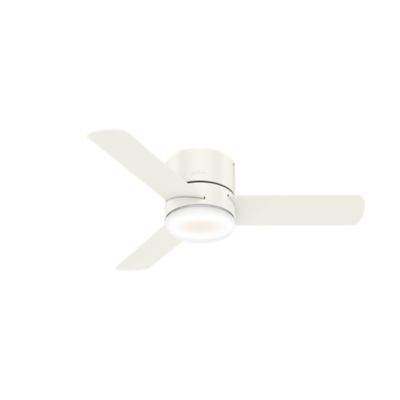
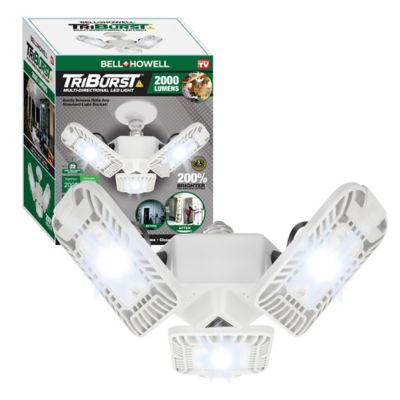
Ceiling lights for low ceilings bring dependable overhead light to rooms where every inch of headroom matters. They work well in older farmhouses, utility rooms, mudrooms, hallways, bedrooms, porches, cabins, workshops, and smaller homes where a hanging fixture could feel crowded or become an easy place to bump your head. Flush mount lights sit close against the ceiling, while ultra-slim flush mounts keep the profile especially shallow, often extending less than 2.5 inches from the ceiling. Low-profile semi-flush fixtures can add a little more shape and style while still keeping the drop short, generally around 3 to 4 inches or less. Recessed canless LED downlights are another practical choice because they fit into a shallow ceiling space instead of hanging below it. These options help maintain clear walkways and open sightlines in rooms with low overheads, including hallways, stair landings, bunk rooms, and bedrooms. For a softer, more comfortable look, choose a diffuser or shade that spreads light across the room rather than sending a sharp beam straight down. A frosted cover can help reduce glare over a kitchen table or reading chair, while a clear or decorative shade may add a bit more character to a plain ceiling. Integrated LED fixtures are popular for low-ceiling applications because the light source is built into the fixture, allowing for a slimmer design without the extra space needed for a standard bulb and socket. They also use energy efficiently and typically require little maintenance. When shopping, start by checking the fixture’s vertical depth, diameter, and required ceiling opening instead of judging size by appearance alone. A fixture that looks compact in a photo may extend farther down than expected, especially when the trim, shade, or mounting hardware is included. For the cleanest fit in a tight room, look for a low-profile or ultra-slim design and compare the listed measurements with the available clearance.
Brightness is just as important as a fixture’s low profile. Lumens measure the amount of light produced, and a general starting point for overall room lighting is about 20 lumens per square foot. A small hallway may need far less total output than a laundry room, kitchen, or multipurpose shop area, while a bedroom often benefits from a gentler level that feels relaxing at night. Room color, ceiling height, window placement, and the finish of the walls all affect how bright a fixture feels. Light-colored walls and ceilings reflect more light, while wood paneling, dark paint, or open rafters can absorb it. Instead of relying on wattage alone, compare the fixture’s lumen rating and consider whether it will be the room’s main source of light or part of a layered setup with lamps, under-cabinet lighting, or task lights. Color temperature also changes the mood and usefulness of a space. Warm white light around 2700K to 3000K has a soft, welcoming appearance that suits bedrooms, living areas, and entryways. Neutral white light around 3500K to 4100K can make kitchens, bathrooms, workrooms, and laundry areas feel crisp without looking overly blue. Higher color temperatures are often used where clear visibility matters, though personal preference and the room’s existing bulbs should guide the choice. A high color rendering index, or CRI, can make paint, clothing, food, tools, and natural wood tones look more accurate under the light. Dimmable fixtures are useful in rooms that serve more than one purpose, letting you keep the light bright for chores and turn it down when the room becomes a place to relax. Check that the fixture is compatible with the dimmer switch already installed, since not every LED light works with every dimmer. Some integrated fixtures also offer selectable color temperature or adjustable brightness, which can be handy in a guest room, home office, or family space that changes throughout the day. For bathrooms, covered porches, mudrooms, and other areas exposed to moisture, check the damp-location rating before installation. A fixture rated for dry locations should not be used where condensation, splashing, or outdoor moisture is expected.
Low-ceiling lighting is a practical choice for homeowners, renters, landlords, and anyone updating a room without changing its basic layout. It can brighten a dim hallway in a farmhouse, make a basement bedroom feel less closed in, or add safer visibility near a back door where muddy boots and wet coats tend to pile up. In a bedroom, a close-to-ceiling fixture leaves more room for ceiling fans, shelving, bunk beds, tall cabinets, and other furnishings. Shoppers looking for a simple room refresh may pair a low-profile light with fresh paint, new curtains, or updated hardware to make a space feel cleaner without taking on a major renovation. These fixtures can also make thoughtful gifts for someone moving into a new home, setting up a nursery, remodeling a cabin, or finishing a garage apartment. A flush mount with a warm glow can give a newly built room a finished, lived-in feel, while a bright, neutral fixture may be especially useful for someone organizing a workshop, tack room, craft area, or laundry space. For bedroom projects, browse
Bedroom Flush Mount Ceiling Lights for styles that keep the ceiling line tidy and leave plenty of overhead clearance. Before replacing an existing fixture, turn off power at the breaker and confirm that the circuit is not energized. If the ceiling box, wiring, or support looks worn or unfamiliar, have a qualified electrician handle the installation. Some heavier fixtures require additional bracing, and recessed canless lights may have specific clearance and junction-box requirements. Follow the manufacturer’s instructions for spacing, insulation contact, and mounting hardware, particularly in older homes where ceiling construction can vary. With the right depth, brightness, color temperature, and location rating, ceiling lights for low ceilings can provide steady everyday illumination while keeping rooms open, comfortable, and easy to move through during the cooler months and throughout the year.