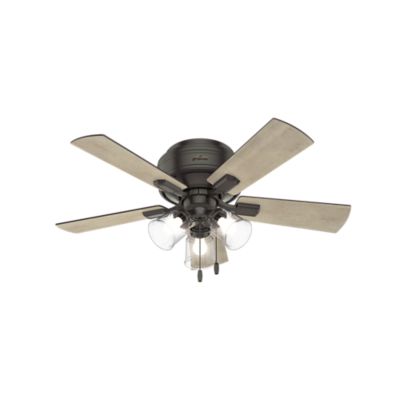
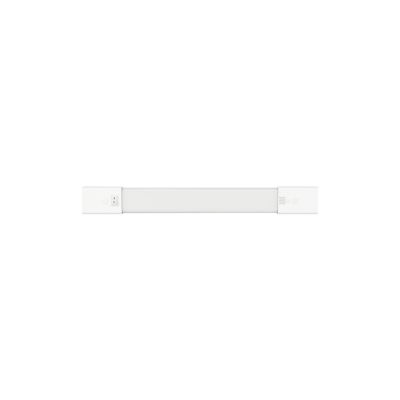
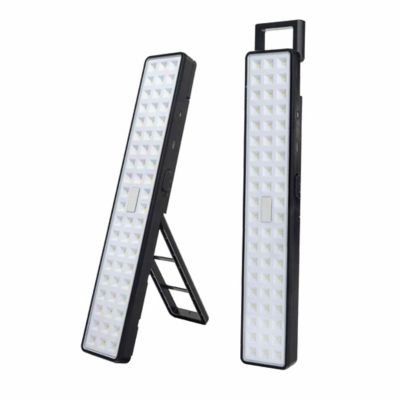
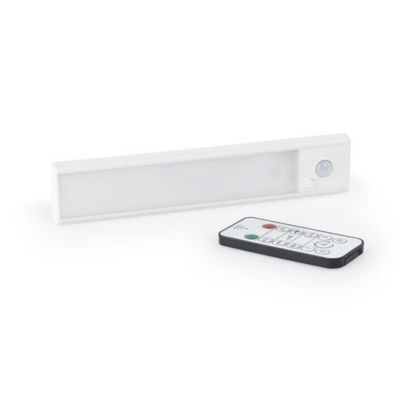
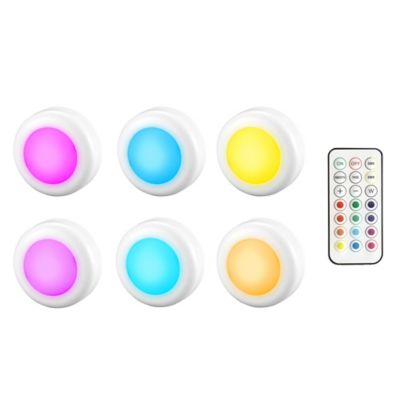
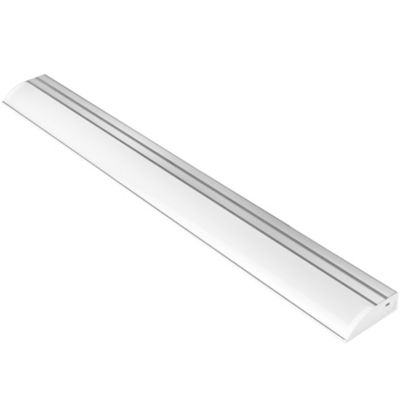
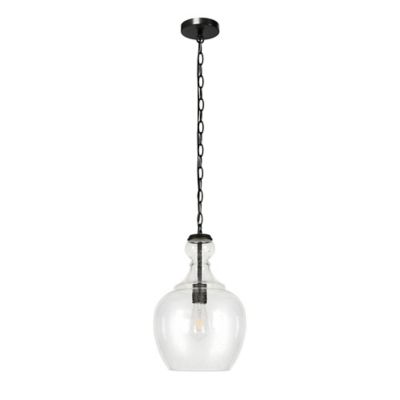
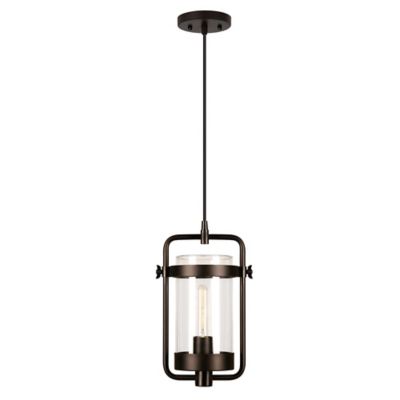
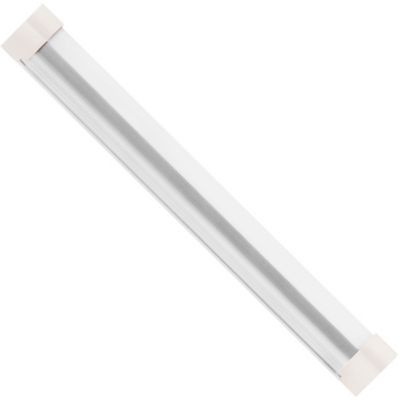
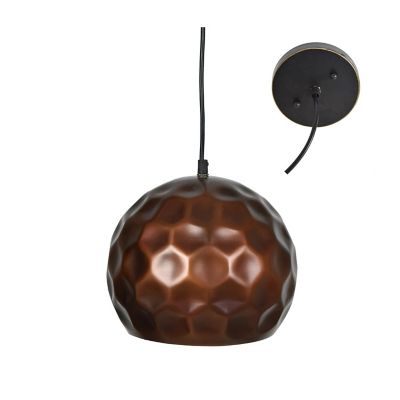
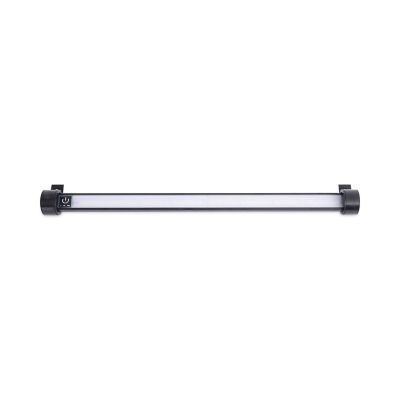
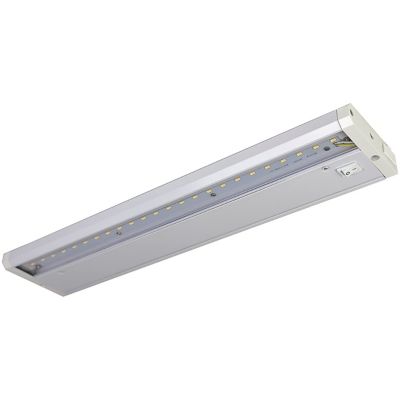
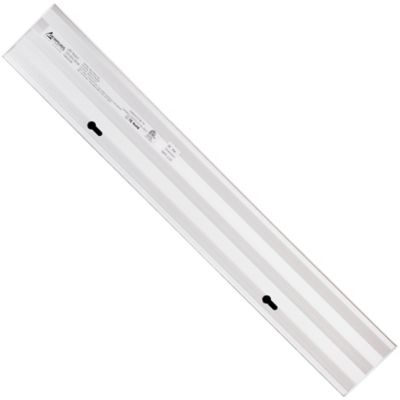
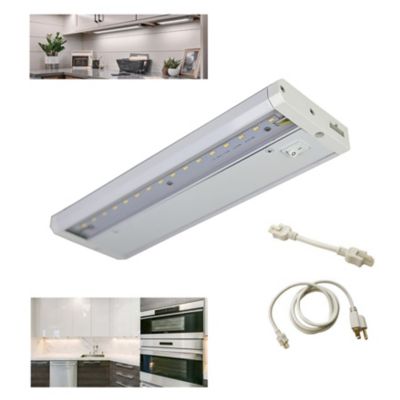
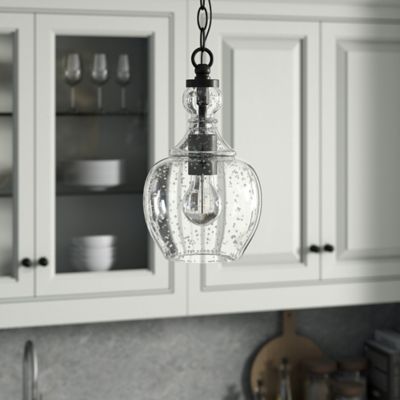
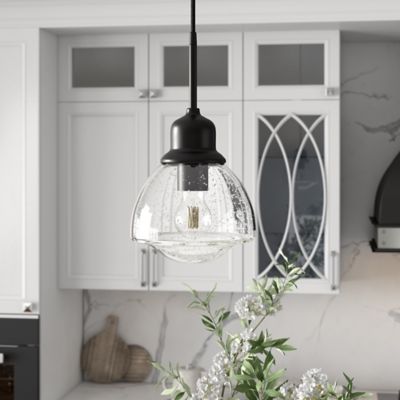
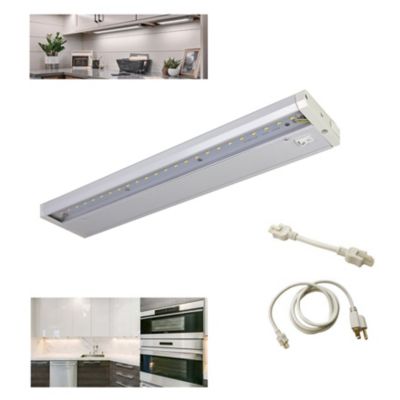
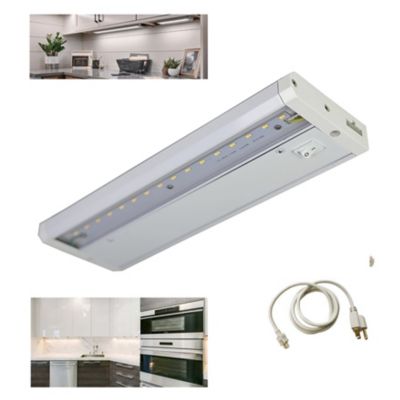
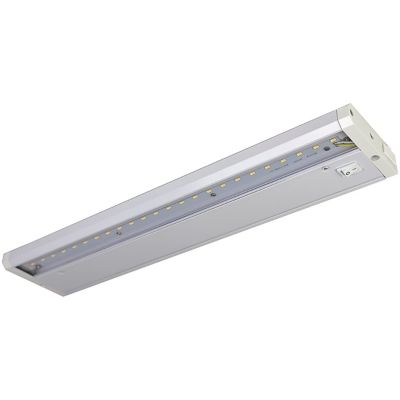
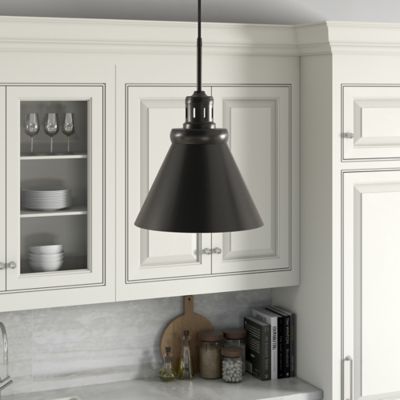
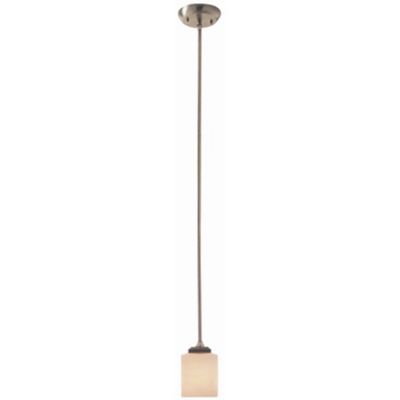
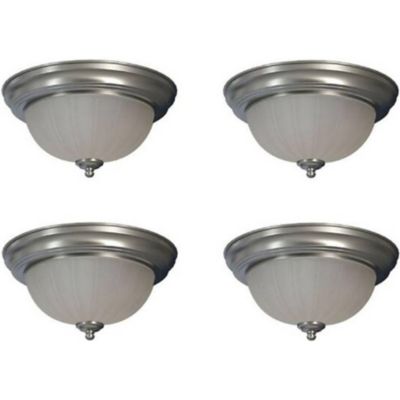
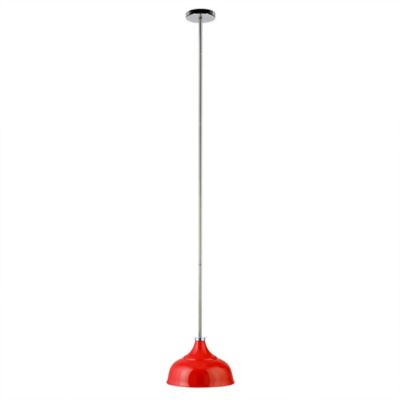
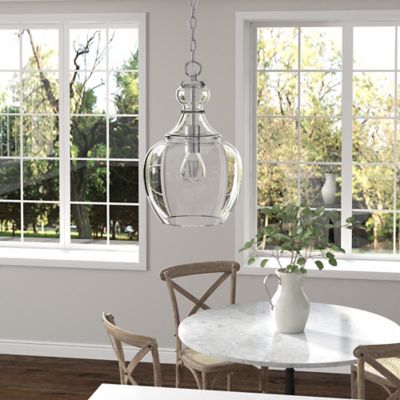
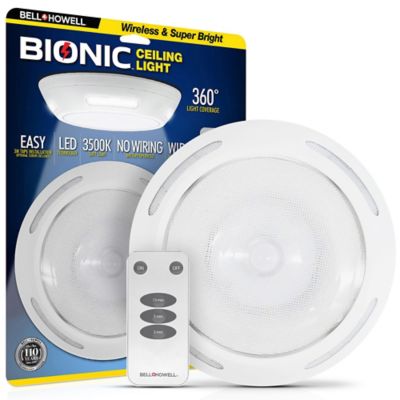
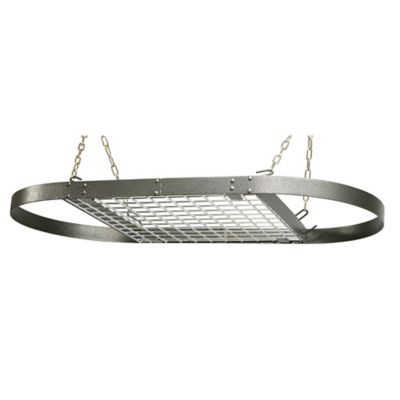
Small kitchens can feel cramped when the lighting is dim, uneven, or crowded with bulky fixtures, but the right setup can make the room feel more open and easier to work in. Lighting for small kitchens generally works best in layers: ambient lighting for overall brightness, task lighting for food prep and cleanup, and accent lighting for a little warmth around shelves, cabinets, or a breakfast nook. Low-profile flush mount lights, compact semi-flush fixtures, and recessed downlights sit close to the ceiling, making them a practical choice for rooms with low ceilings or limited overhead space. They spread light across the kitchen without making the room feel busy, which matters in a narrow galley kitchen, a farmhouse kitchenette, an apartment, or a small cabin where every inch counts. A wide-beam ceiling fixture can help soften dark corners, while under-cabinet lighting puts a useful pool of light right where chopping, measuring, mixing, and washing usually happen. LED lighting is especially handy in a kitchen because it uses less energy, produces less heat, and lasts a long time through everyday cooking and cleanup. Look for lighting that fits the scale of the room rather than choosing the biggest or brightest fixture available. A compact kitchen usually benefits from even coverage instead of one harsh beam in the center. Measure the ceiling area, counter length, and cabinet spacing before buying, and pay attention to the fixture’s overall height, width, mounting method, and cord or wiring requirements. For a rental, a camper, or a quick kitchen refresh, plug-in or rechargeable options may be easier to use than hardwired lighting. In a permanent home, hardwired fixtures can provide a cleaner finished look when installed according to local electrical requirements. Anyone doing electrical work should follow the manufacturer’s instructions and use a qualified professional when needed, especially around moisture, older wiring, or a busy service panel.
Color temperature also makes a noticeable difference in a small kitchen. Warm white lighting in the 2700K to 3000K range gives the room a comfortable glow that works well for morning coffee, family meals, and evening cleanup. Neutral white light around 4000K can make prep areas look clearer and help with detail work such as reading measuring marks, sorting small hardware, or checking whether produce is ready to serve. Keeping the color temperature consistent from one fixture to the next helps the room look pulled together instead of patchy or overly blue in one area and yellow in another. Brightness matters, too, but more light is not always better. A fixture that is too intense can create glare on glossy countertops, stainless steel appliances, or white cabinets. Diffusers, frosted covers, dimming capability, and adjustable brightness can make it easier to set the right feel for cooking, entertaining, or winding down after supper. Under-cabinet LED strips or compact puck-style lights should be positioned toward the front half of the cabinet underside so the counter receives light instead of the backsplash taking all of it. Centering task lights over the main work panels helps reduce shadows from upper cabinets and your own hands. If the kitchen has open shelves, glass-front cabinets, or a small display area, gentle accent lighting can add depth without taking up counter space. Light-colored walls and cabinet doors reflect more illumination and may help a small kitchen feel larger, while darker finishes often look best with a little extra brightness directed toward work surfaces. In a room with a low ceiling, avoid oversized hanging fixtures that can interrupt headroom or make the kitchen feel crowded. Flush and recessed styles keep sightlines open, while a small semi-flush fixture can add character without hanging too far down. For a kitchen that opens into a dining area, matching the warmth and finish of nearby lighting can create a smoother transition; shoppers comparing ideas for connected spaces may also find useful options in
Lighting For Small Dining Rooms.
Lighting for a small kitchen can be a practical housewarming gift, a thoughtful choice for someone moving into a first home, or a useful upgrade for a parent, renter, camper owner, or home cook who spends plenty of time at the counter. It can also be a simple way to freshen up a farmhouse kitchen before guests arrive during the cooler months, when more meals are prepared indoors and daylight fades earlier in the afternoon. When choosing lighting as a gift, consider the recipient’s ceiling height, cabinet layout, decorating style, and comfort with installation. A renter may appreciate a removable, plug-in, battery-powered, or rechargeable option, while a homeowner planning a remodel may prefer a coordinated set of ceiling and under-cabinet fixtures. Finishes such as black, bronze, nickel, white, and brushed metal can change the feel of a room, so take a look at cabinet hardware, faucets, appliances, and nearby door handles before making a choice. Safety is another important consideration. Kitchen lighting should be rated for the location where it will be installed, with suitable protection for areas exposed to steam, splashes, or changing temperatures. Keep cords away from sinks, hot cooktops, and places where they could snag on a drawer or catch on a handle. Clean shades and diffusers from time to time so dust and cooking residue do not dull the light, and check that replacement parts or bulbs are easy to find if the fixture requires them. With thoughtful placement, a small kitchen can have a bright prep surface, a soft glow for everyday living, and enough open space to move comfortably. Whether the goal is better visibility over a cutting board, a welcoming light above a compact breakfast table, or a simple update before the household settles in for more time indoors, the right kitchen lighting helps make daily chores feel easier and the whole room feel more inviting.