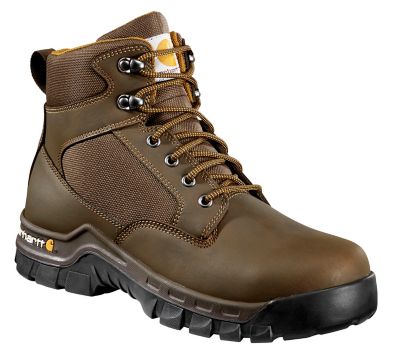
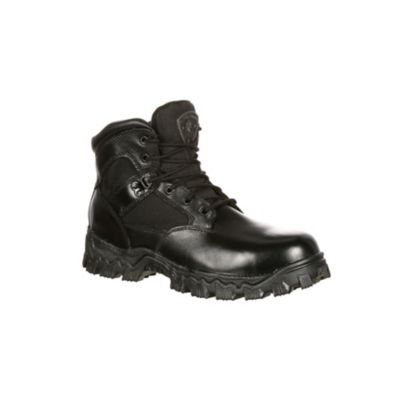
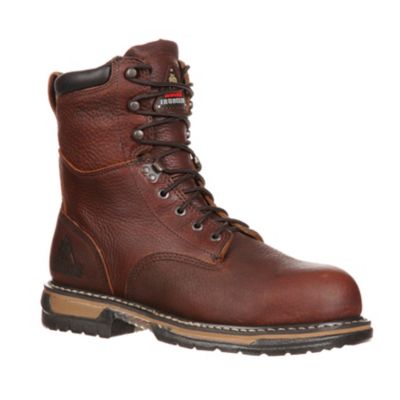
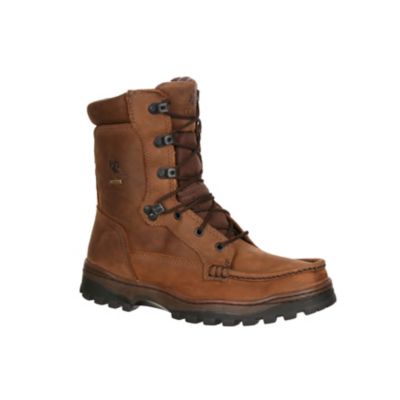
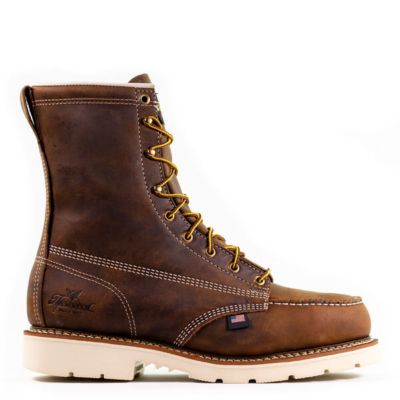
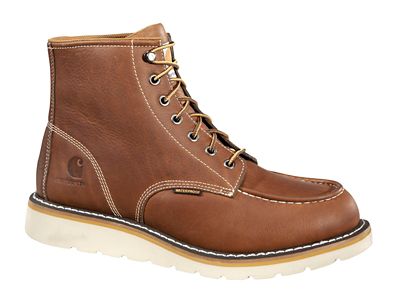
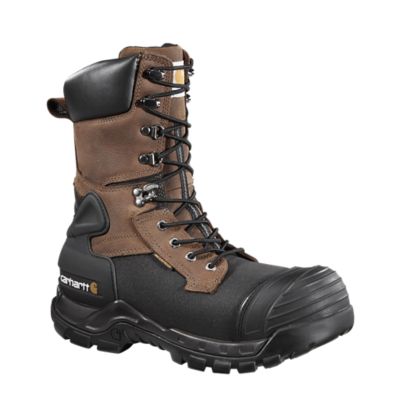
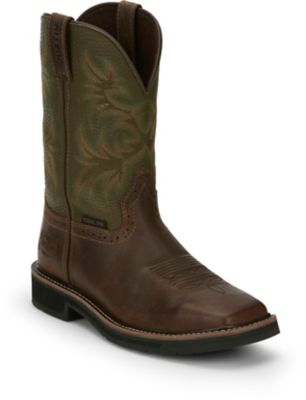
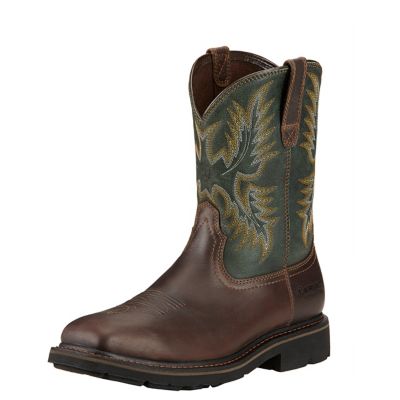
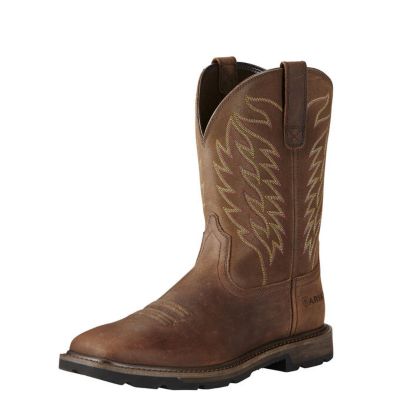
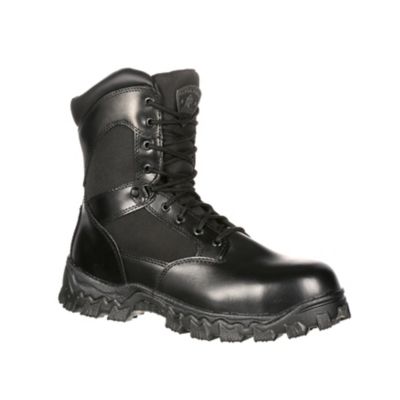
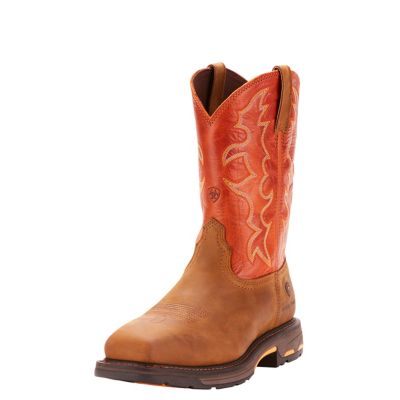
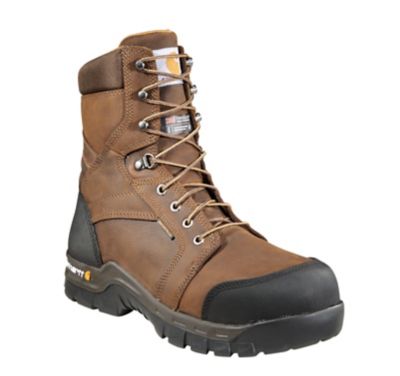
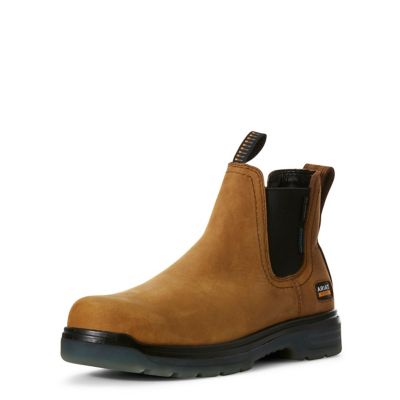
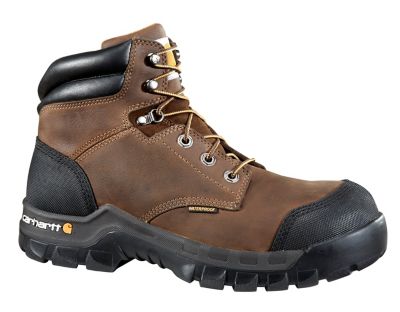
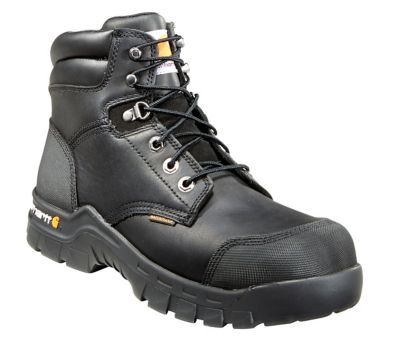
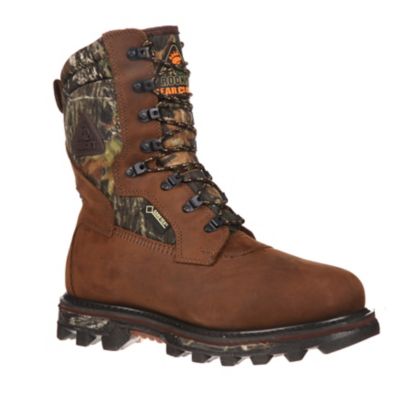
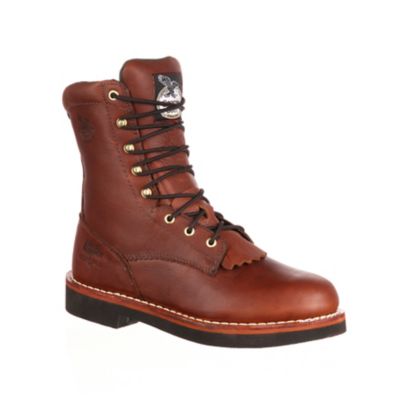
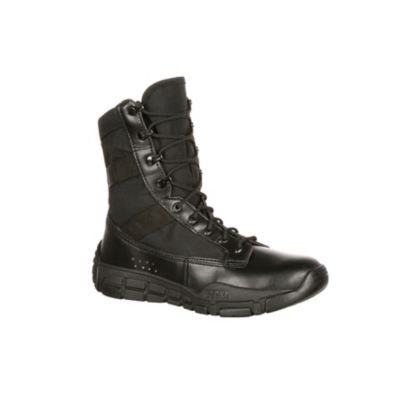
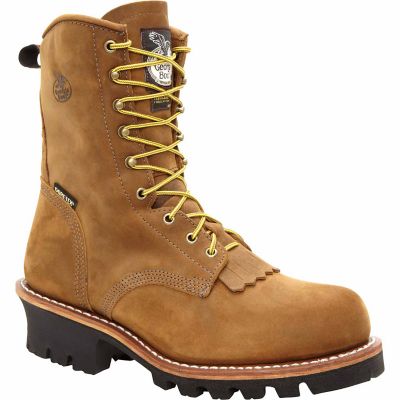
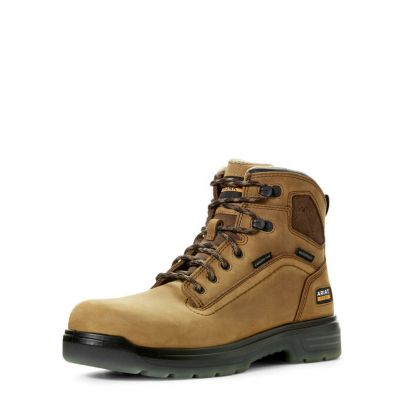
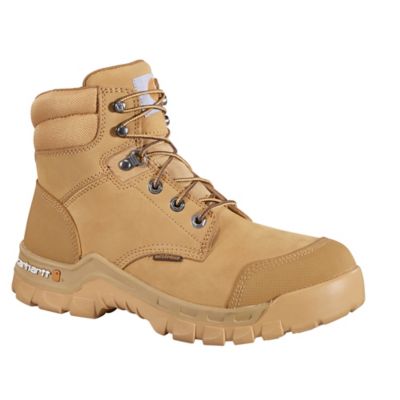
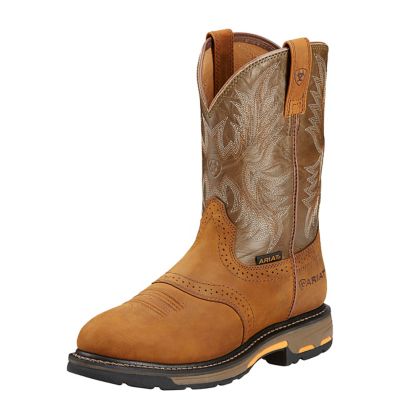
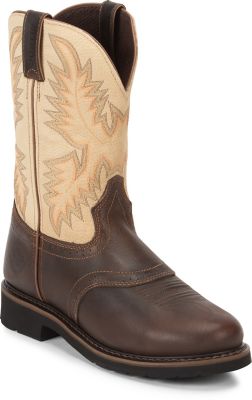
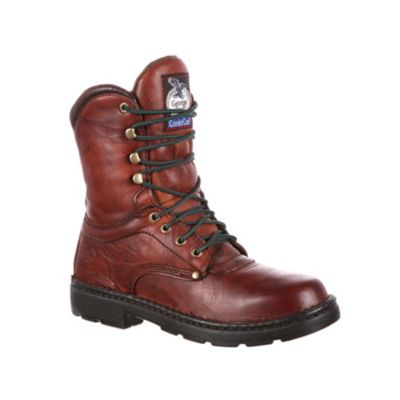
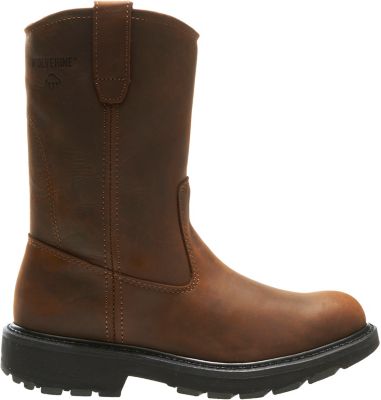
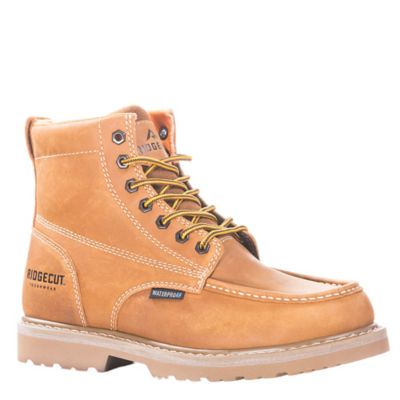
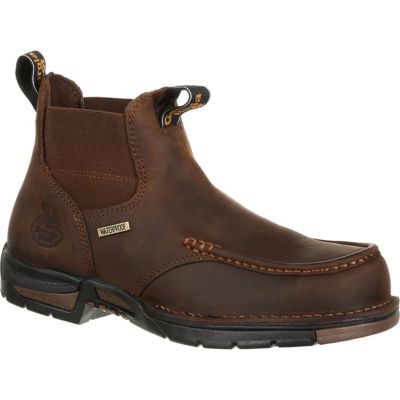
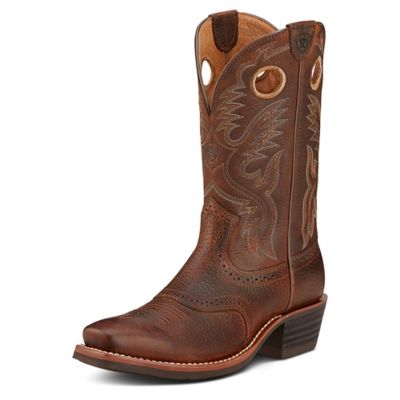
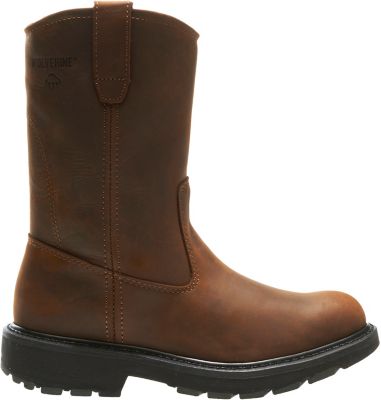
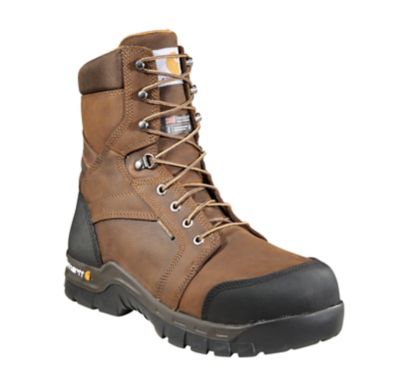
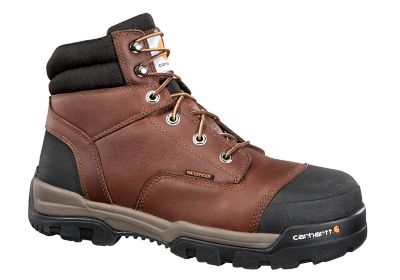
Men’s lace-up work boots earn their place by the back door when the day starts with feeding livestock and carries on through fence repairs, shop work, or a shift on the jobsite. Their defining feature is the way the laces let you adjust the fit across the foot and around the ankle, with room to fine-tune snugness as socks and working conditions change. That adjustment matters when a morning includes climbing into a tractor cab, crossing rutted ground, and spending several hours on a concrete floor. Leather uppers are a familiar choice for these jobs, offering substantial coverage and gradually softening with wear. Full-grain leather retains its natural surface, while other leather finishes and combinations of leather and fabric offer different balances of flexibility, weight, and upkeep. Reinforced stitching, protected toe areas, and sturdy lace hardware are worth a close look wherever boots regularly rub against brush, gravel, or equipment. Boot height makes a difference, too: taller shafts provide more coverage above the ankle, while shorter styles can feel less restrictive when kneeling or moving between tasks. Outsoles should suit the ground underfoot rather than simply look rugged. Deep, spaced lugs can help grip loose soil and shed mud, while flatter tread patterns may feel better suited to long stretches on firm surfaces. Wedge soles spread contact across more of the ground; defined heels create a different underfoot feel and may suit certain tasks where a distinct heel edge matters. Neither shape is the answer for every workplace, and ladder work calls for footwear that meets the site’s requirements. Farmers, ranch hands, tradespeople, maintenance crews, and folks keeping up a small acreage all put different demands on their boots. The right match starts with those everyday demands: how much walking the day involves, what surfaces turn slick, and whether the work calls for protective features beyond a solid leather upper and dependable footing.
Comfort in men’s lace-up work boots comes from the whole boot working with the foot, not just a soft footbed. There should be space for toes to move without the forefoot sliding around, and the heel should feel secure without rubbing at every step. Fit checks are best made with the socks intended for work and later in the day, when feet may be a little fuller. Lace tension can be adjusted through different sections of the boot, but pulling the laces harder will not fix a toe box that is too narrow or a length that is too short. Wider widths, different toe shapes, and removable insoles can make a meaningful difference, particularly for someone who wears orthotics. An added insole takes up space, so it belongs in the fit check rather than becoming an afterthought. Cushioning helps soften the feel of hard ground, while the midsole and shank influence how much the boot bends and how supported the foot feels. A heavier, more structured boot may suit demanding outdoor work, but extra weight can become noticeable during a long day of walking. For jobs that keep a man on his feet from the first chore to the last,
men’s comfortable work boots bring those underfoot details into focus. Protective toes are another part of the fit and function picture. Steel, composite, and alloy toe constructions differ in weight and feel, and protection depends on the footwear’s stated rating rather than the material name alone. Soft-toe boots suit work that does not require a protective toe, but they do not replace rated safety footwear where the job requires it. Slip resistance, electrical-hazard protection, and puncture resistance are separate features with separate purposes. Check the boot’s markings against workplace rules, and remember that no outsole prevents every slip on wet boards, oily concrete, or ice. Even a well-fitting leather boot may need a gradual introduction, but sharp pressure or persistent rubbing should not be written off as normal break-in.
During the cooler months, wet grass, muddy gates, and cold shop floors can all shape what feels right on the foot. Waterproof construction can help keep outside moisture from reaching socks, though water can still enter over the top of a boot. A waterproof membrane and sealed seams serve a different purpose from a surface treatment that sheds light moisture, so those descriptions deserve attention. Breathable linings help manage moisture from inside the boot, but socks, activity level, and drying time also affect comfort. Insulation can be welcome for slow-moving outdoor chores or long periods in the cold; it may feel too warm for brisk work or frequent trips into a heated building. Thick socks are not a substitute for enough room inside the boot, since a cramped fit can leave feet less comfortable rather than warmer. Care has just as much bearing on service life as the initial construction. Knock off loose dirt, brush grit from seams and lace hardware, and clean leather with products suited to its finish. Mud left packed around stitching and repeated soaking without proper drying can take a toll. Let wet boots dry with airflow away from a stove, radiator, or other strong heat source, which can harm leather and adhesives. Removing insoles, when the design allows, helps the inside dry more thoroughly. Leather conditioner can help prevent excessive drying, but the maker’s care directions should govern what goes on the upper, especially with waterproof materials or specialized finishes. Worn laces, split seams, flattened cushioning, and tread that has lost its edges are signs to address before another demanding workday. Some welted constructions may allow resoling, depending on the boot’s condition and the repair service. Lace-up work boots can also make a practical gift for a man starting a trade, taking on more farm chores, or replacing a hard-working pair. Knowing his size, width, usual socks, and required safety ratings matters far more than choosing by appearance alone. A pair that fits the work and the wearer is the one most likely to get laced up every morning.