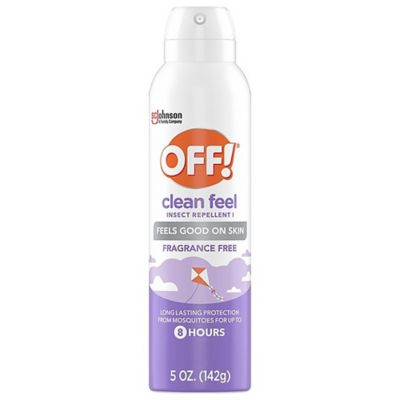
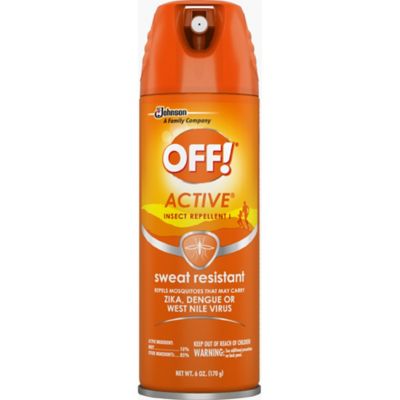
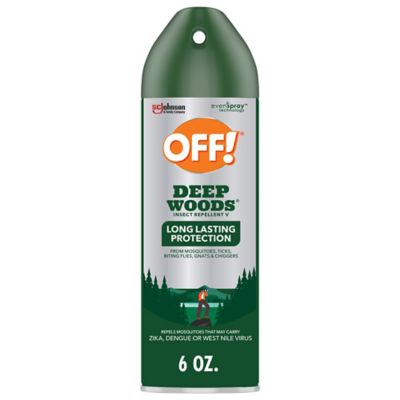
Insect sprays serve several different jobs, from helping keep mosquitoes off exposed skin to controlling ants near an entryway or flies in an approved livestock area. The main distinction is between repellents and insecticides: repellents help discourage listed pests from landing or biting, while insecticides kill or control listed pests. Some formulas perform both functions, but the label determines where a spray belongs and what it targets. A spray meant for a doorway is not interchangeable with one meant for skin, clothing, or animals. For personal protection while checking fence, walking a trail, or spending time around the property, EPA-registered repellents may contain DEET, picaridin, IR3535, oil of lemon eucalyptus, or PMD. The best fit depends on the pests listed, the application site, age restrictions, and the protection time stated on the label—not simply the scent or ingredient percentage. With DEET, a higher concentration generally extends protection time rather than making the repellent stronger. Protection can also vary with activity, perspiration, and other conditions, so a stated duration is not a reason to ignore reapplication directions. Oil of lemon eucalyptus and PMD repellents are different from plain lemon eucalyptus essential oil, and they should not be applied to children younger than 3. Plant-derived ingredients still require the same attention to directions and precautions as other formulas. For sprays intended to help prevent bites, the
Insect Repellents category focuses on that side of pest protection. Skin feel, fragrance, and application style also matter when a bottle will travel in a work bag or along on a fishing trip. A fine mist can suit exposed arms and legs, while a controlled pump can make targeted application easier. Facial application requires particular care: label directions generally call for applying repellent to hands first rather than spraying toward the face. Children need an adult handling application, with repellent kept away from their hands, eyes, and mouths. Clothing treatments are a separate category; permethrin sprays labeled for clothing and gear do not belong on skin.
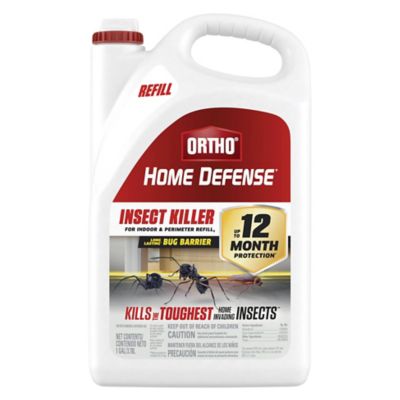
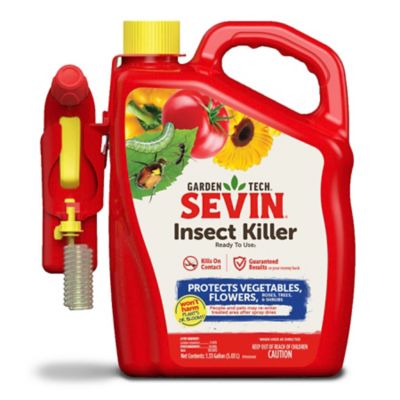
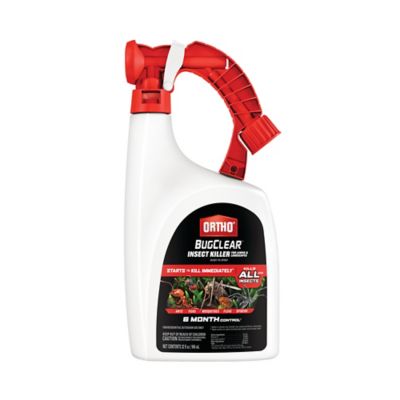
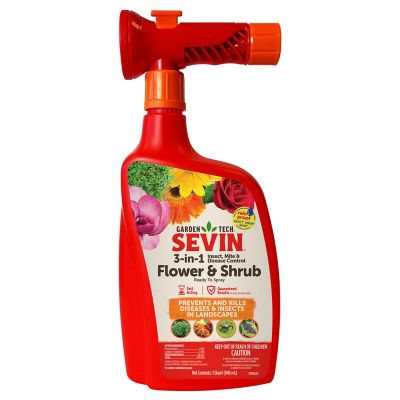
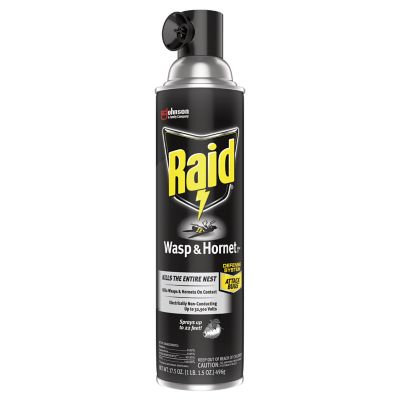
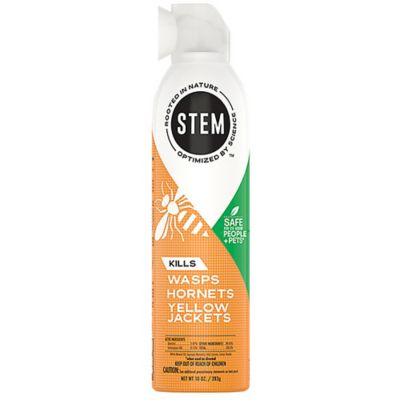
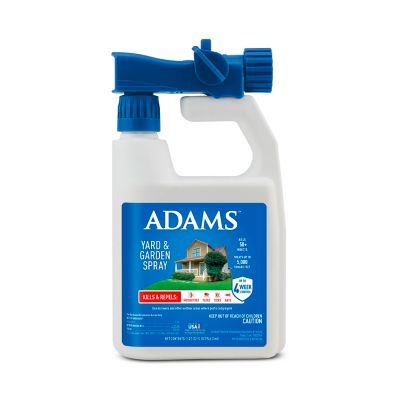
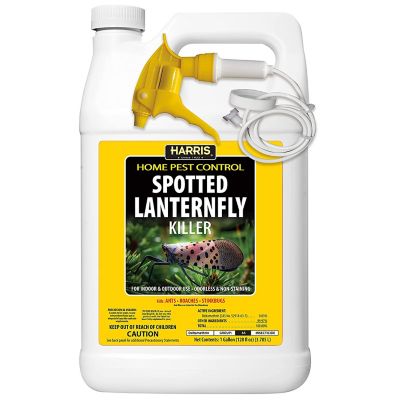
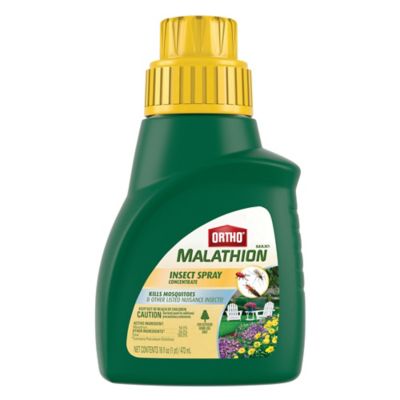
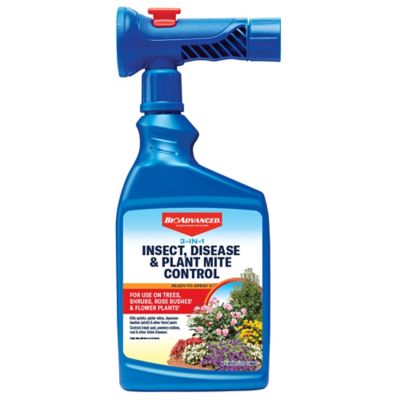
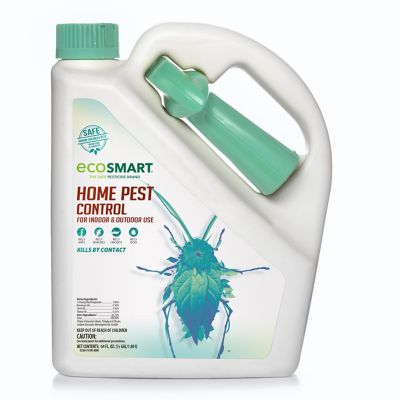
For homes, shops, sheds, and other approved structures, insect sprays range from direct-contact treatments to residual formulas intended to keep working on labeled surfaces after application. Contact sprays target pests that the spray reaches, while residual treatments depend on pests encountering a treated area. Neither description guarantees control of every insect, and a broad pest claim is no substitute for checking the actual label. Ants following a trail beneath a utility-room sink call for a different treatment location than flies gathering around a barn doorway. Cockroaches tucked into a cabinet gap also present a different job than mosquitoes around an outdoor sitting area. Indoor and outdoor permissions matter, as do directions for cracks and crevices, spot treatments, or perimeter application. A formula approved for an exterior foundation may not belong across an indoor floor or on a kitchen counter. Spray format affects handling, too. Trigger bottles offer control for smaller treatment areas, aerosols can reach certain narrow spaces, and concentrates require the exact dilution and application equipment specified on the label. More concentrate does not mean better control, and mixing unrelated pesticides can create hazards. Materials around the treatment area deserve a close look before spraying. Painted trim, finished wood, upholstery, flooring, and plastics may have restrictions or require a small test in an out-of-the-way spot. Personal repellents containing DEET can affect some plastics and synthetic materials, which matters around glasses, watchbands, and gear. Food-contact surfaces, animal feed, drinking water, bedding, and children’s play areas need protection according to the spray’s directions. Ventilation requirements and reentry instructions also shape where a treatment fits into everyday chores. A space that people or animals cannot leave for the required period needs a different plan, not a shortcut. For a busy household or working property, a clear label and a manageable application method matter as much as the size of the area being treated.
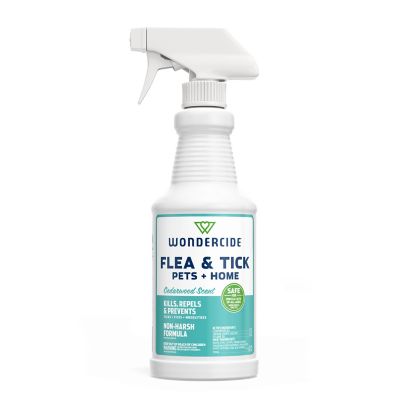
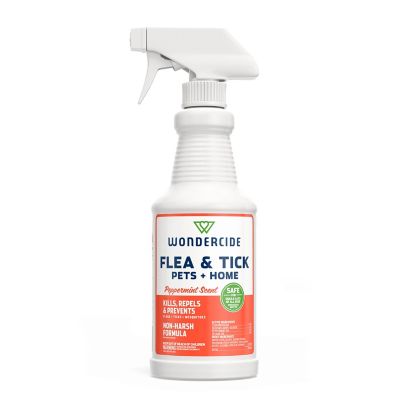
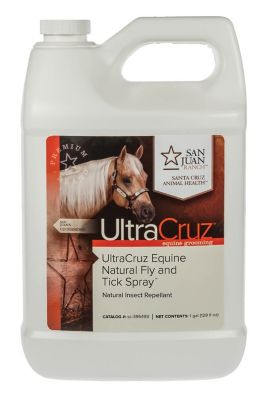
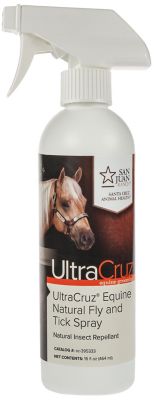
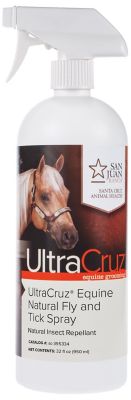
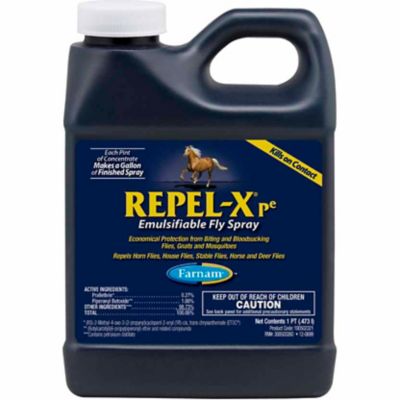
Around livestock and pets, insect spray selection starts with the animal species and the exact location named on the label. A horse fly spray, a cattle treatment, a kennel spray, and a premise spray have different purposes, even when the same pest appears on more than one label. Approval for a barn does not automatically mean approval for direct application to an animal. Likewise, permission for dogs does not extend to cats; some insecticides, including certain permethrin formulations, can cause serious poisoning in cats. Age limits, health precautions, application frequency, and directions for keeping spray away from eyes and sensitive areas all matter. Labels for food-producing animals may also include restrictions involving milk, eggs, slaughter, or other withdrawal periods. These details are especially important where a few backyard hens share a property with horses, working dogs, and a family garden. Treatment boundaries can be close together, but the directions do not carry over from one area to another. Spray drift and runoff also need attention around ponds, water troughs, flowering plants, and places where beneficial insects are active. Equipment care helps keep applications controlled: clean nozzles, sound seals, and sprayers reserved for a particular purpose reduce the chance of leaks or cross-contamination. Pesticide containers belong in secure storage, away from food and feed, with their original labels intact; leftover spray should never go into a drink bottle or an unmarked jug. Disposal follows the label and local requirements, not a drain or ditch. Insect sprays also fit alongside everyday upkeep rather than replacing it. Tight screens help keep flies outside, sealed entry gaps limit crawling pests, and prompt manure and trash management can reduce breeding spots. For anyone tending animals, maintaining a homeplace, or heading out for a day on the land, the right insect spray is one matched to the pest, the setting, and the people or animals nearby. Those practical details make the difference between a spray that fits the job and one that belongs somewhere else.