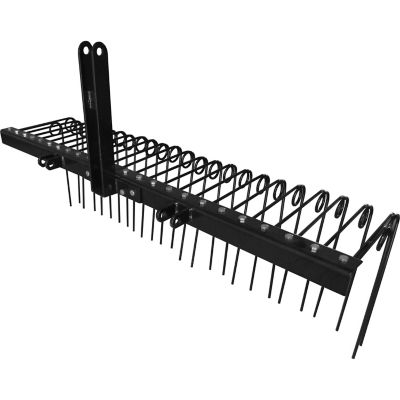
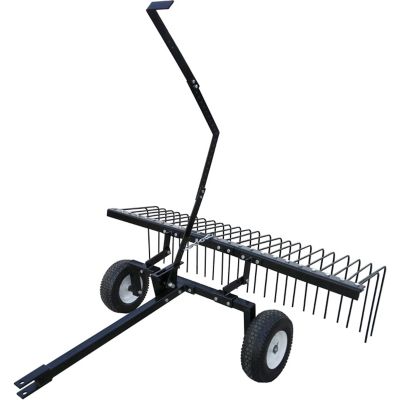
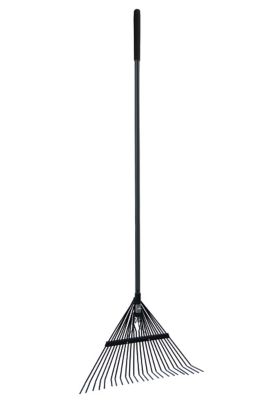
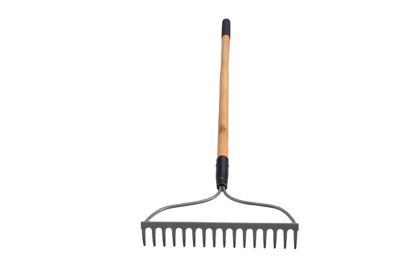
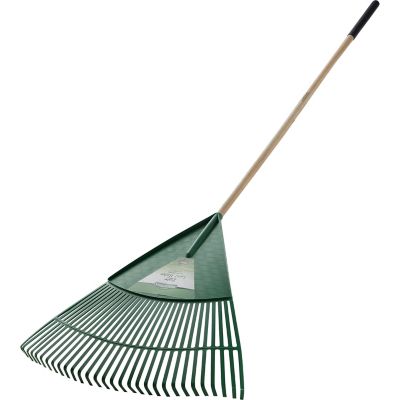
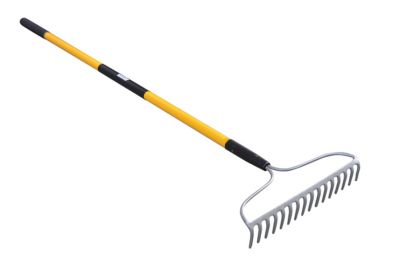
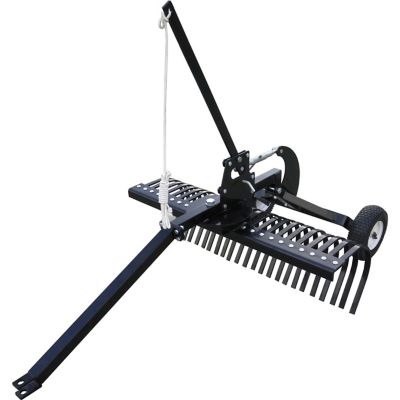
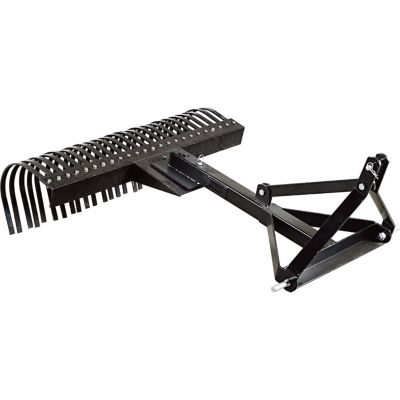
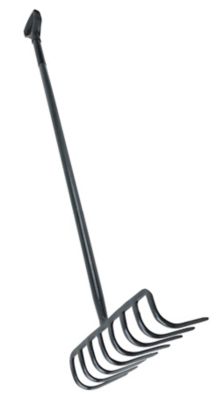
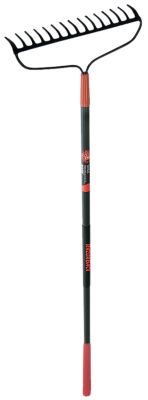
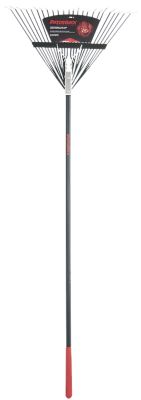
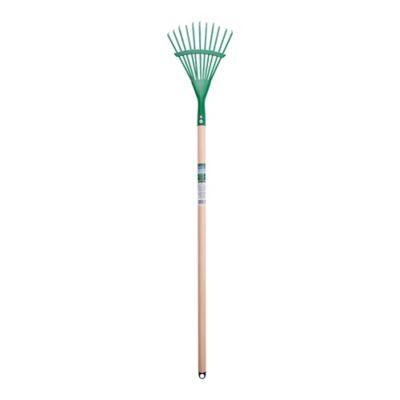
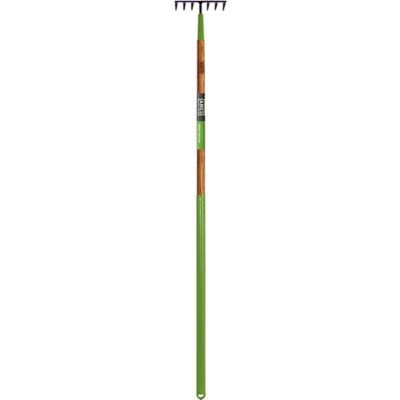
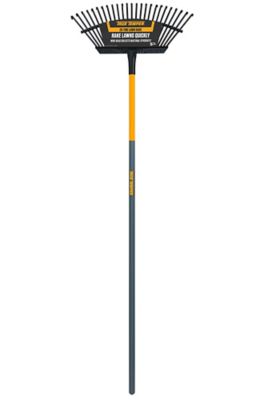
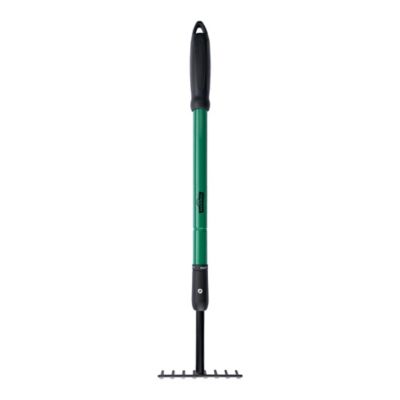
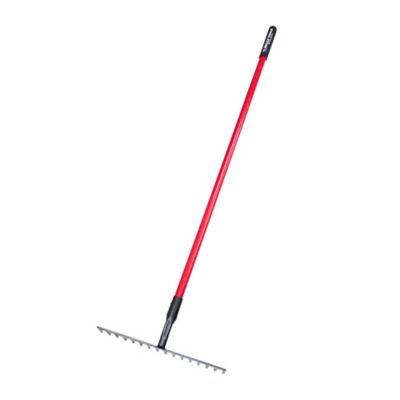
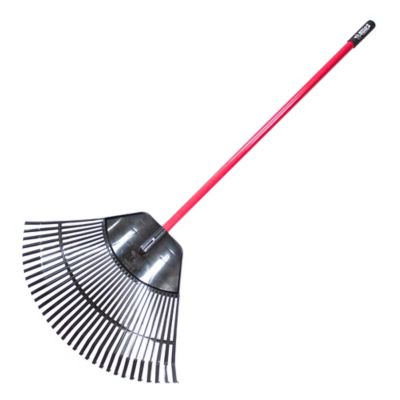
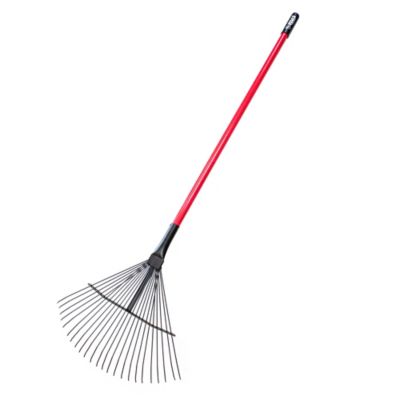
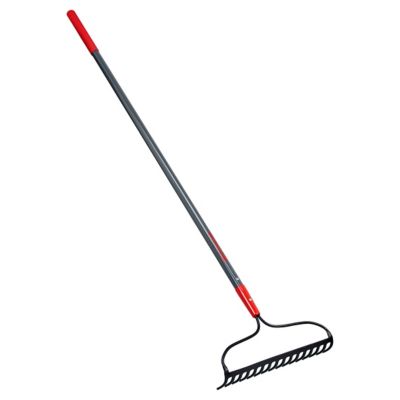
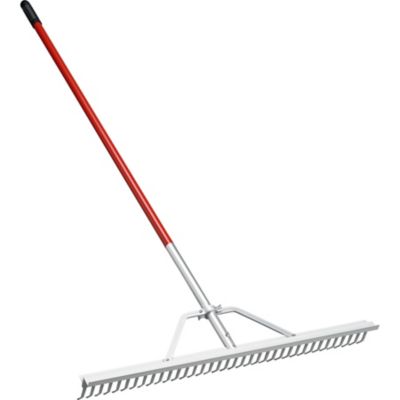
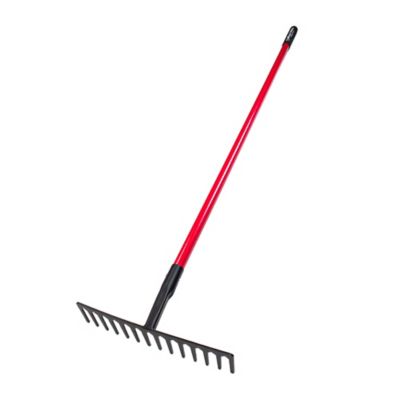
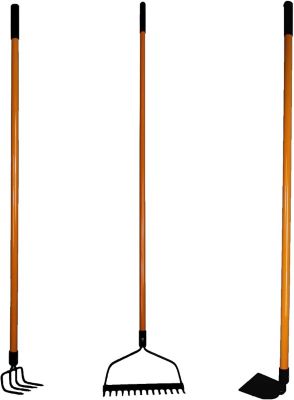
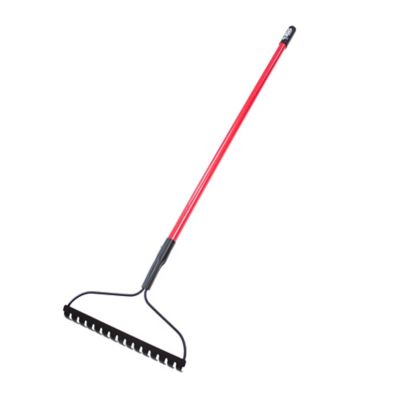
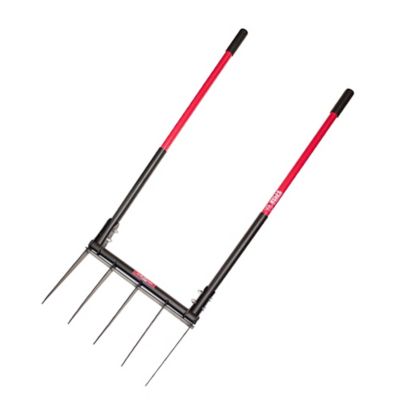
Yard rakes for outdoor maintenance handle everything from gathering leaves beside the driveway to smoothing loose soil in a garden bed. The right rake depends on the material being moved, the surface underneath it, and how much ground needs attention. A leaf rake has a fan-shaped head with flexible tines that gather light debris while following the contours of a lawn. A bow rake has a rigid head and shorter metal teeth suited to spreading loose soil, breaking apart small clods, and leveling garden beds. Landscape rakes generally have wider heads for grading loose material across larger areas, while narrow shrub rakes reach between plants and along fence lines. Those differences matter on a property where grass, gravel, garden soil, and mulch sit just a few steps apart. Flexible tines are generally a better match for collecting leaves from turf without digging into the ground; rigid teeth provide more bite when moving loose earth. A broad head covers open stretches with fewer passes, but a smaller head is easier to steer around tree trunks, porch steps, and closely spaced plantings. For routine lawn pickup,
Lawn Rakes For Fast Yard Cleanup offers a closer look at the lawn-focused side of these tools. Yard size is only part of the decision. A small yard with tight corners may call for more maneuverability than a broad, open lawn, while a long gravel walkway brings a different set of demands than a bed of tender seedlings. The amount and weight of the debris also affect the choice. Loose leaves, small twigs, grass clippings, and scattered mulch do not all move the same way beneath a rake head. Matching the head shape and tine stiffness to the task helps keep cleanup manageable without dragging heavy teeth through an area that needs a lighter touch. For properties with several kinds of ground cover, different rake styles can serve separate jobs rather than asking one head to handle every chore.
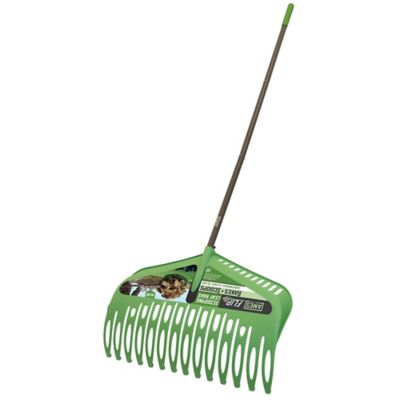
Materials influence a yard rake’s weight, flexibility, and resistance to everyday wear. Steel heads provide the stiffness needed for pulling through loose soil and moving heavier material, though they generally add weight compared with lighter alternatives. Plastic leaf-rake heads can feel easier to carry across a large lawn, and their broad fans work well for gathering light debris. Aluminum appears in some handles and landscape-rake heads where lower weight is helpful. Bamboo-tine designs offer another approach to light leaf gathering, with a different feel and degree of flex from metal or plastic. No single material fits every chore, and the shape and thickness of the parts matter alongside the material itself. Tines that bend readily can skim across grass, while thicker, rigid teeth transfer more force into the ground. Tine spacing also changes how a rake handles debris: closer spacing can collect smaller pieces, while wider gaps let more fine material pass through. Handle construction deserves just as much attention as the head. Wood offers a familiar grip and may have some give under pressure; fiberglass and metal handles have their own weight and handling characteristics. A comfortable fit allows the person holding the rake to work with relaxed shoulders and a fairly upright posture instead of reaching down through every pull. Longer handles can extend reach, but extra length is not always helpful in a narrow garden path or beside a shed. Grip texture, handle diameter, and overall balance all affect comfort, especially during repeated passes across a large area. A cushioned grip may ease contact with the hands, while a secure head-to-handle connection helps limit wobble. Adjustable handles can accommodate different heights or storage spaces, provided their locking mechanism holds firmly. The best fit feels steady without requiring an overly tight grip, whether the work involves gathering a small pile near the gate or moving material along a long garden row.
A rake also needs to suit the places where it will spend its working life. Around established plants, a narrow head and controlled reach help gather debris without catching every low branch or trailing stem. On turf, flexible tines are suited to light collection, while aggressive pressure with rigid teeth can disturb grass and soil. In gravel or loose landscape material, a rigid rake can redistribute scattered pieces, although head design and material size determine how smoothly that work goes. A rake is not a substitute for a digging tool when the ground is hard, nor is every leaf rake built to drag heavy piles of wet debris. Smaller loads are easier to control and place less strain on the handle connection. Everyday care helps preserve the tool’s working condition. Soil caught around the teeth, grass wrapped near the head, and residue on the handle are worth clearing away after a job. Metal parts benefit from being dried before storage, and a light protective coating may be appropriate where the manufacturer recommends it. Wood handles need attention to rough spots or splinters, while cracked plastic, loose fasteners, bent teeth, and damaged grips deserve a closer look before the next chore. Hanging a rake with its head secured keeps the tines out of walkways and prevents the handle from becoming a tripping hazard beside the garage door. These are practical tools for homeowners, gardeners, caretakers, and anyone keeping a patch of ground tidy, from a small fenced yard to a place with garden beds and outbuildings. A well-matched rake can also make a useful gift for someone setting up a first garden or taking care of a new property, especially when the handle length and intended tasks are known. With the right balance of reach, tine action, and head width, ordinary cleanup feels less awkward, and the tool earns its place within easy reach of the shed door.