An aquatic garden brings a different kind of life to a backyard, whether it’s a small planted basin beside the porch or a broad pond tucked along a garden path. The gentle sound of moving water, lily leaves resting on the surface and upright stems along the edges give the space a character all its own. Aquatic garden supplies support both that finished look and the working parts beneath it. Pond liners, planting containers, circulation equipment and water care supplies each serve a different purpose, and the best fit depends on the size, depth and layout of the water feature. A shallow planting shelf has different needs than an open area meant for floating leaves, while a waterfall adds plumbing and flow requirements that a still basin may not have. For a homeowner adding a quiet spot near the patio or a gardener making room for water-loving plants, it helps to think of the pond as one connected setup rather than a collection of separate pieces. The liner holds the water, the pump moves it, the planting containers keep roots where they belong and filtration helps manage suspended debris and waste. Those parts need to work together without crowding the space or making everyday upkeep a chore. A compact garden pond benefits from equipment that fits neatly around its edges, while a larger feature calls for attention to water volume, access and the distance between components. Shape matters, too: narrow corners and tucked-away planting pockets can affect circulation. Supplies intended for aquatic settings also deserve a close look at their stated compatibility with plants and any animals sharing the water. Materials that work well in a dry flower bed aren’t automatically suited to a pond. For anyone who enjoys tending a garden after the day’s chores, a thoughtfully matched setup leaves more room to appreciate the water and less reason to wrestle with awkward connections or hard-to-reach equipment.
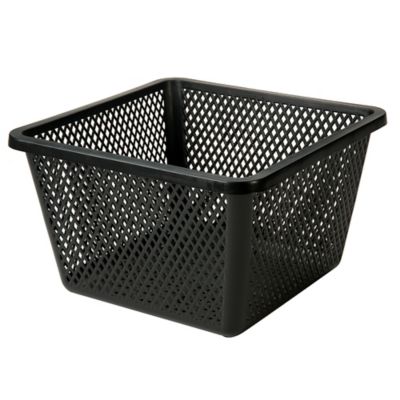
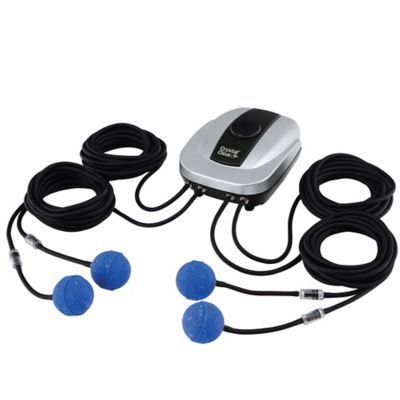
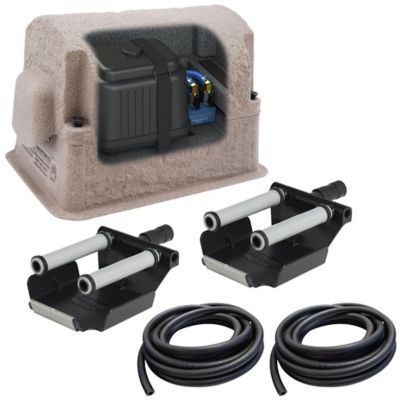
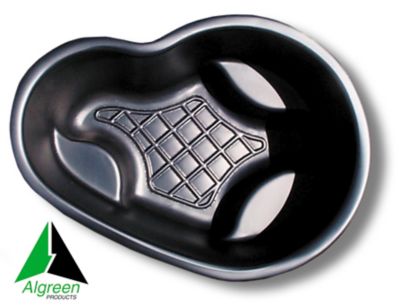
Materials and fit make a real difference in how an aquatic garden comes together and how well its parts hold up over time. Flexible liners can follow curved edges and irregular bottoms, while rigid basins provide a set shape that helps define the planting space. Liner dimensions need to account for depth and edge allowance, not just the width of the finished water surface. Beneath that liner, suitable underlayment helps cushion contact with roots and stones; around the perimeter, a well-supported edge helps keep surrounding soil from washing into the pond. Planting containers bring another set of considerations. Their width, depth and openings should suit the plant’s root growth and the growing medium, with enough stability to stay upright on a submerged shelf. Aquatic planting media are meant for that wet setting, where loose materials may otherwise float away or cloud the water. Tubing and fittings call for equally careful matching. Connection diameter, hose flexibility and the route between the pump and outlet all affect installation, and a tight bend behind a rock can restrict flow or make maintenance frustrating. Pump selection involves more than the number printed on the package: lifting water to a waterfall and pushing it through tubing and fittings reduces the flow that reaches the outlet. Manufacturer flow charts help show whether a pump fits the actual layout. Filtration should likewise suit the pond’s volume and biological load, especially where fish are present. Electrical equipment belongs in applications covered by its rating, with ground-fault circuit-interrupter protection and installation that follows the manufacturer’s directions and local requirements. Access is worth considering alongside performance. A filter tucked beneath a heavy stack of stones might look tidy, but a reachable housing and manageable connections make routine cleaning far simpler. For parts exposed to sunlight, constant moisture or repeated handling, material ratings and care requirements offer more useful guidance than appearance alone. Strong connections, supported tubing and components that can be taken apart for service help make the whole setup easier to live with.
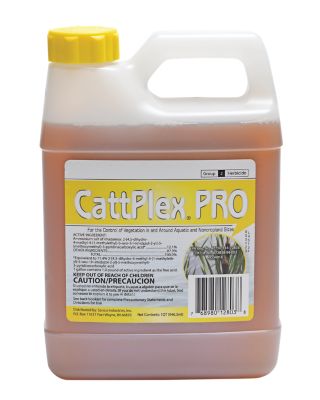
Plant health and water care are closely tied, so aquatic garden supplies serve a purpose well beyond the pond’s outline. Submerged roots need suitable growing conditions, and plant placement depends on the depth range listed for each type. A marginal plant resting on a shallow ledge won’t necessarily thrive at the bottom of a deeper basin. Room for mature growth matters just as much as the space a plant takes up at planting time; crowded containers can make thinning, lifting and dividing harder later on. Plant fertilizers labeled for aquatic use help target feeding to the root area, with application amounts based on the label rather than a guess. Water testing supplies offer another practical way to understand what’s happening below the surface. Clear-looking water doesn’t tell the whole story, particularly in a garden pond that also holds fish. Where planting beds and fish habitat share the same water,
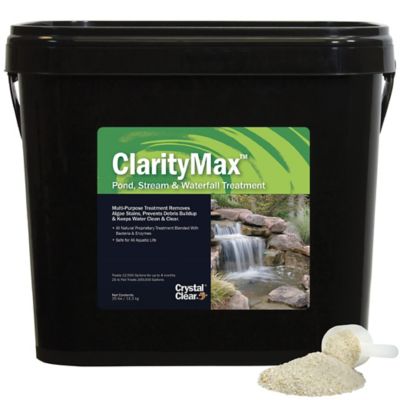
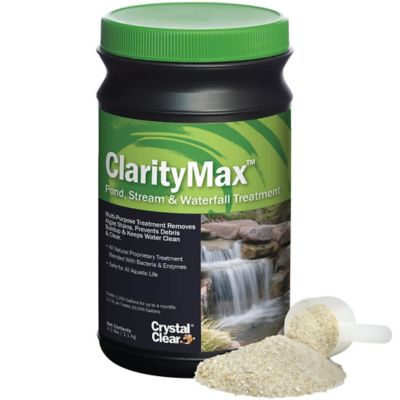
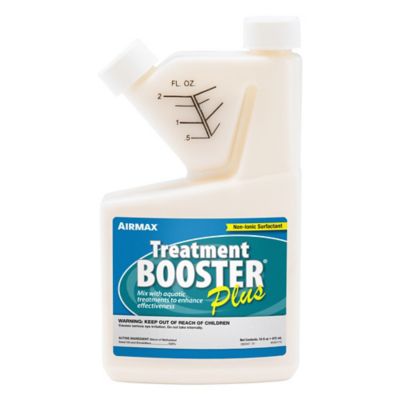
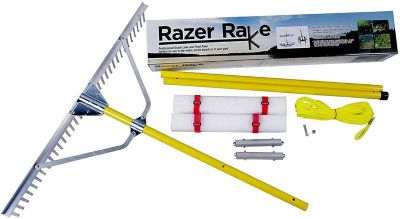
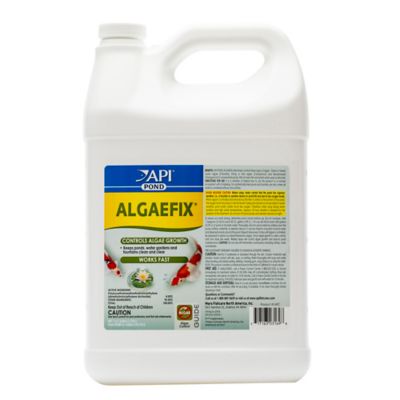
Fish Pond Supplies are a related consideration, since fish add oxygen demand and waste that influence equipment needs. Water treatments should match the concern being addressed and be labeled for the plants and animals present. Any replacement water also needs consideration for its source, including chlorine or chloramine when applicable. Nets and other pond maintenance tools can make it easier to gather fallen leaves, lift loose debris and reach across a planted edge without stepping into the basin. Handle length, tool weight and storage space all affect how comfortable those tasks feel. Routine care also includes checking pump intakes, inspecting tubing and cleaning filtration components according to their instructions, with care to preserve beneficial bacteria in biological filters. For the gardener who likes a gift with a practical purpose, pond care tools can be a thoughtful choice when the recipient’s setup and reach requirements are known; equipment with precise sizing needs is better matched to the pond’s specifications. Whether the finished space sits beside a farmhouse porch or at the edge of a modest backyard, well-matched aquatic garden supplies support healthy planting, manageable upkeep and the simple pleasure of having water close by.