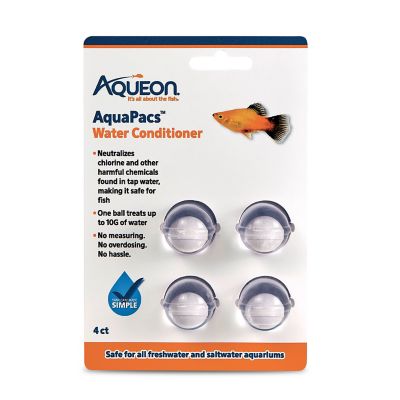
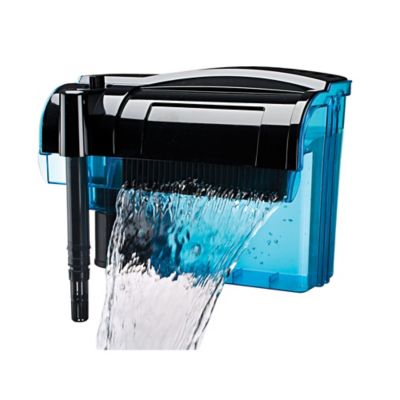
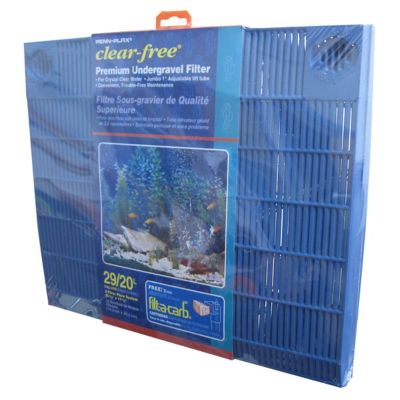
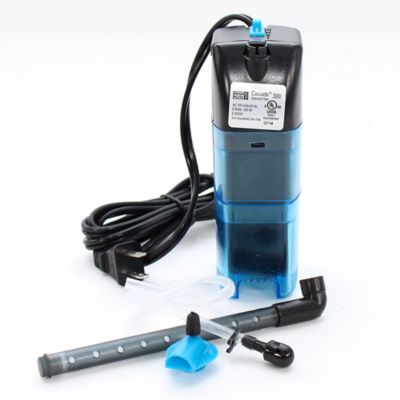
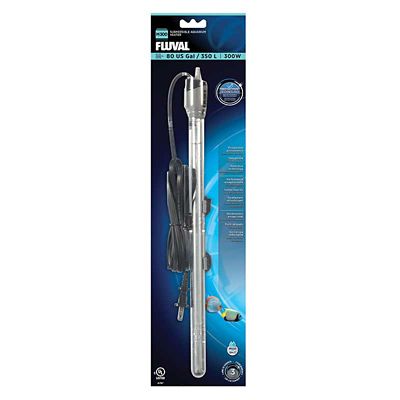
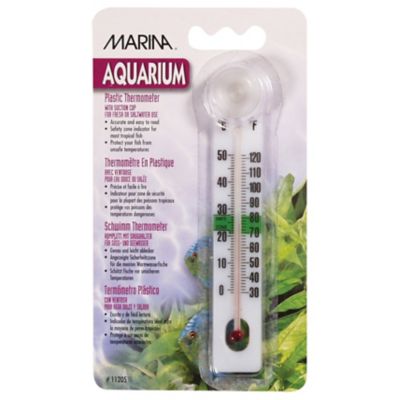
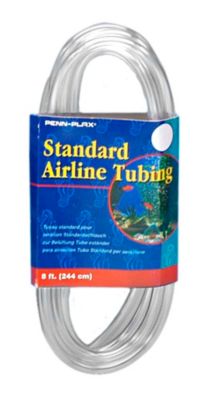
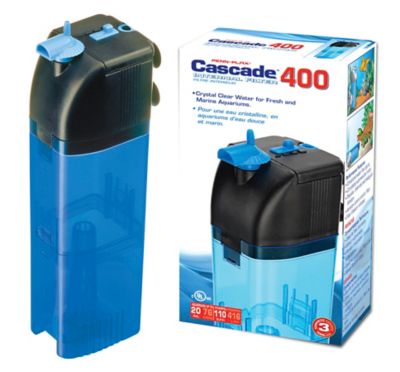
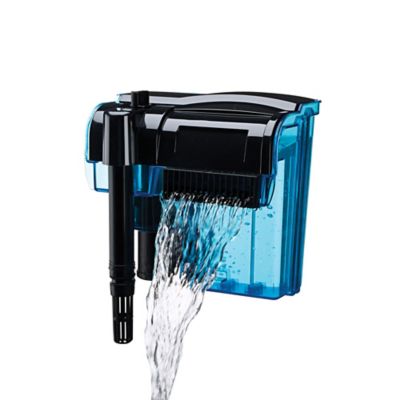
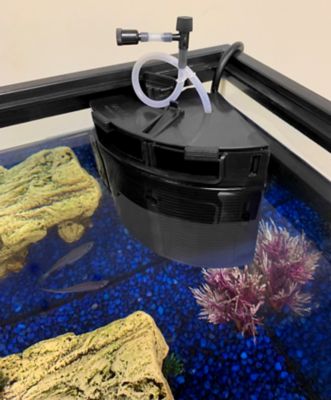
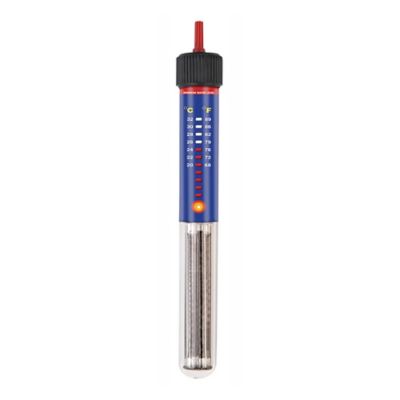
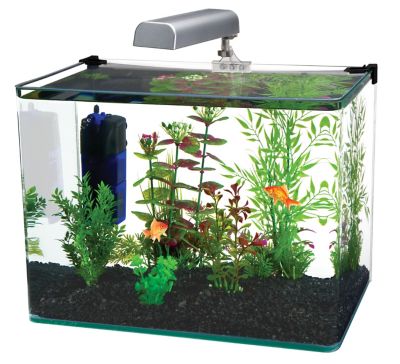
Accessories for fish tanks include filtration equipment, water conditioners, heaters, thermometers, air pumps, lighting, substrate, shelters, and cleaning tools. Each plays a different part in keeping an aquarium comfortable for its inhabitants and manageable for the person caring for them. A filter moves water through media that catches loose debris and provides space for beneficial bacteria to process fish waste. Hang-on-back filters need clearance behind the aquarium and a good fit along the rim, while sponge filters connect to an air pump and can provide gentle filtration for setups with small fish or shrimp. Filter capacity and flow rate should suit the tank’s water volume and its inhabitants; a strong current that works for active swimmers may overwhelm fish that prefer calmer water. Water conditioners address chlorine or chloramine in tap water according to their labels, but they do not replace biological filtration or regular maintenance. For tropical species, an aquarium heater and a separate thermometer help support and monitor an appropriate, steady water temperature. Heater dimensions, wattage, placement, and immersion requirements all matter, especially in tanks with limited space around the filter and other equipment. Air pumps, airline tubing, check valves, and air stones support surface movement and gas exchange, with pump strength and bubble output matched to the setup. A properly installed check valve helps prevent water from siphoning backward through the airline. Aquarium lighting makes fish easier to see, while fixtures intended for planted tanks can also support plant growth. Fixture length, mounting style, lid clearance, and moisture protection deserve a close look before adding lighting above the water. Timers make a consistent lighting schedule easier to maintain without leaving the tank lit around the clock. Whether the aquarium sits in a farmhouse living room or beside a home-office desk, equipment that fits properly is easier to reach, inspect, and care for. It also leaves more room to enjoy the fish instead of working around crowded cords, tubing, and lids.
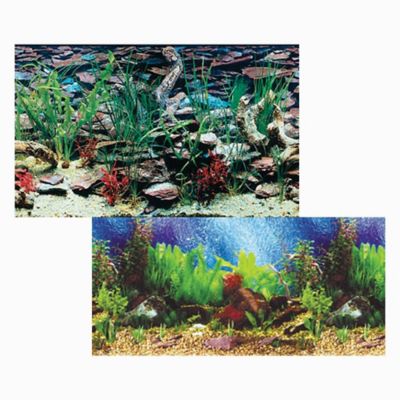
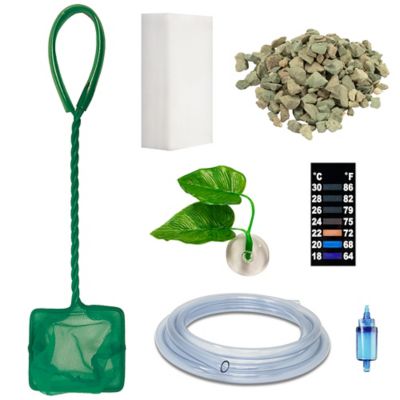
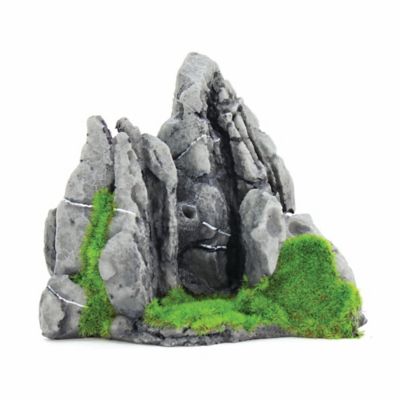
Gravel, sand, stones, plants, and aquarium ornaments shape the underwater space, but their purpose goes beyond appearance. Substrate forms the bottom layer, supports some live plants, and influences how easily settled waste can be removed. Grain size matters: bottom-feeding fish may need a smooth surface that will not scrape delicate mouths or barbels, while rooted plants may need a substrate suited to their growth. Some materials can affect water chemistry, so aquarium suitability and compatibility with the fish come before color or texture. Natural wood prepared for aquarium use can create shaded pockets and release tannins that tint the water, an effect that suits some setups better than others. Aquarium-safe resin, ceramic, silicone, and plastic offer other ways to add structure without bringing in materials of uncertain composition. Smooth edges, sound construction, and finishes intended for underwater use matter more than an ornament’s shape alone. A cave needs an opening large enough for its intended occupant, with room to turn around rather than squeeze through a tight passage. Shelters and plant cover can help shy fish retreat from activity, give shrimp places to graze, and break up sightlines between territorial tank mates. Soft artificial leaves can provide cover without the lighting needs of live plants, while living plants bring their own requirements for light, nutrients, and upkeep. Tall stems work well toward the back of many layouts, with lower features leaving open swimming room toward the front. Broad leaves or resting platforms may suit fish that spend time near the surface, provided they are positioned safely. Stable bases and secure attachments help keep features from shifting when a fish brushes past or a cleaning tool moves nearby. Leaving space around filter intakes, heaters, and feeding areas makes the finished tank easier to manage. A roomy, practical arrangement often serves the animals better than filling every inch of the bottom.
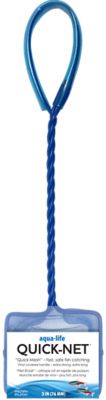
Maintenance accessories help keep everyday fish care from becoming a wrestling match with a bucket. An aquarium siphon combines water removal with access to settled debris, and its tube diameter and length should match the tank’s depth and substrate. A smaller siphon offers more control in a compact setup, while a longer tube can reach the bottom of a deeper aquarium without putting an entire arm underwater. Algae pads, scrapers, and magnetic cleaners need surfaces suited to the tank material; a tool intended for glass may scratch acrylic. Grit caught beneath a cleaning pad can also leave marks, making clean contact surfaces important. Fish nets come in different sizes and mesh styles, with softer, finer mesh suited to delicate fish and small inhabitants. Dedicated aquarium buckets and tools help keep soap, household cleaners, and other residues away from the water. Water test kits provide information that appearance alone cannot, including readings for ammonia, nitrite, nitrate, and pH when those tests are included. Clear water is not proof that conditions are suitable, especially while a new aquarium’s biological filtration is developing. Filter media also needs thoughtful care: gentle rinsing in water removed from the aquarium can clear loose debris while helping preserve beneficial bacteria, rather than exposing the media to untreated tap water. Replacement components should match the equipment’s dimensions and connection style, including airline fittings, filter inserts, and mounting hardware. For smaller spaces,
Desktop Fish Tanks bring equipment fit into sharper focus, since compact aquariums leave less room for oversized accessories and can experience faster changes in water conditions. A tank on a desk still needs suitable filtration, a stable supporting surface, and access for routine care. Fish tank accessories can also make thoughtful gifts for aquarium keepers when the tank size, inhabitants, and existing equipment are known. Matching those details helps turn a well-meant gift into something that earns its place beside the tank.