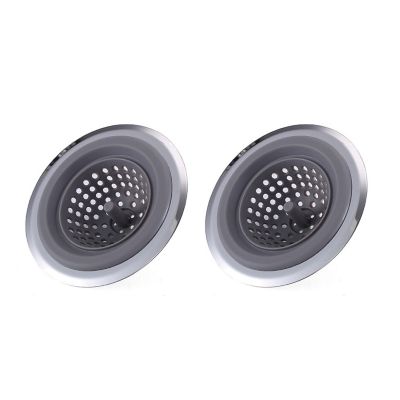
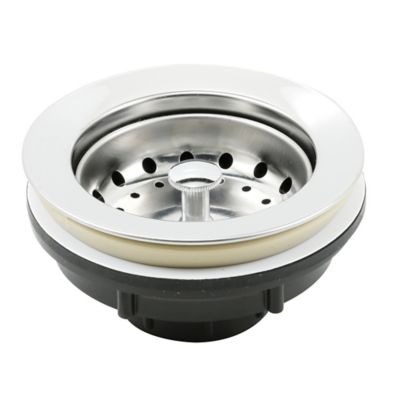
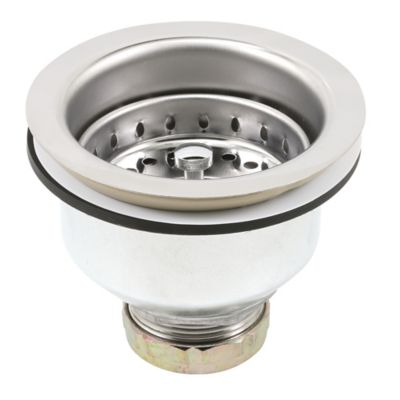
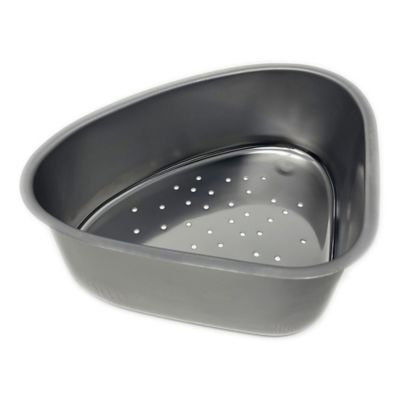
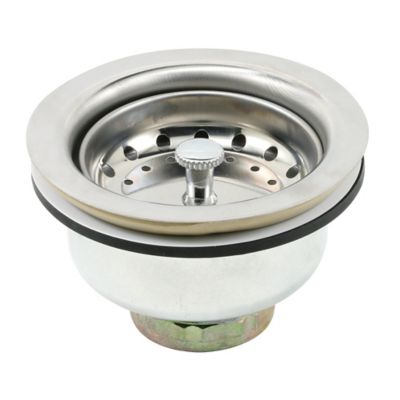
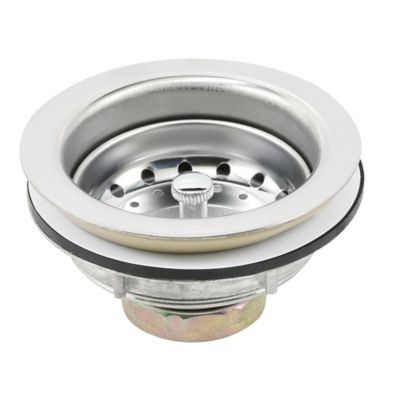
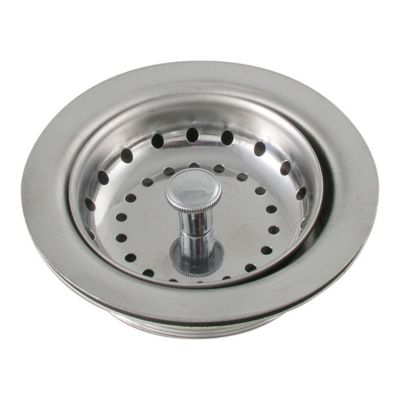
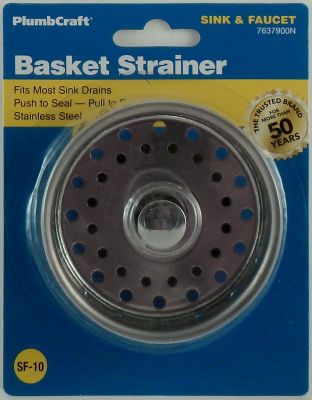
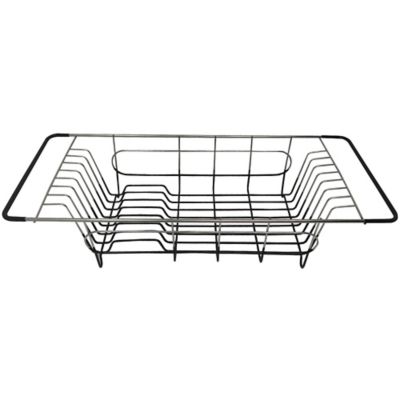
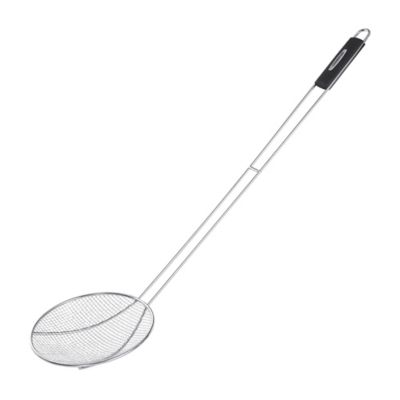
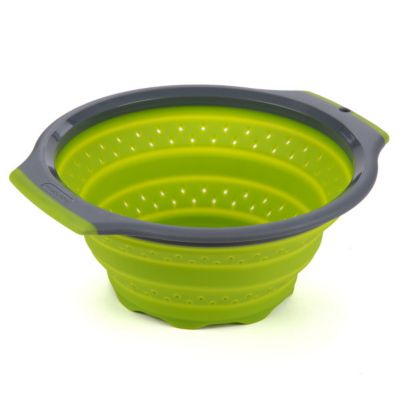
A kitchen sink drain strainer catches food scraps and other debris while allowing water to flow into the drain, helping reduce the chance of clogs. It sits at the sink opening, where it collects bits left behind after rinsing plates, washing vegetables, or cleaning cookware. In a busy farmhouse kitchen or a small apartment, that simple barrier can keep everyday cleanup from sending loose scraps straight into the plumbing. Kitchen sink drain strainers come in several general styles, including fine-mesh inserts, perforated baskets, and basket-and-stopper combinations. Fine mesh catches smaller particles, such as rice and loose tea leaves, while larger perforations generally let water pass more freely around bigger scraps. The balance matters: a basket that catches more fine debris may also need emptying more often, especially after a sink full of supper dishes. A removable insert rests over or inside an existing drain opening, while a replacement basket-strainer assembly becomes part of the sink’s drain connection. Those are different purchases, even when the visible baskets look much alike. Some designs only strain water; others also close the drain so the basin can hold dishwater. For a household that washes pots by hand, that stopper function can be just as important as catching scraps. For a sink mainly handling quick rinses, a simple lift-out basket may cover the job. Strainers are helpful around food preparation areas, but they do not make every kitchen leftover safe for the drain. Grease, cooking oil, and very fine residue can still pass through or collect farther along the pipes. Scraping plates before rinsing keeps the basket from filling too quickly and leaves more open space for water to drain. Whether cleanup means a breakfast skillet or a stack of plates after feeding a full table, the best match is one that catches the scraps common to that kitchen without getting in the way of daily work. A basket that is easy to lift and empty is also easier to keep in place between chores.
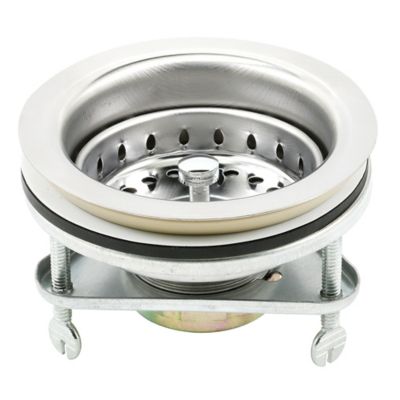
Fit comes down to more than how wide the strainer looks from above. The sink opening, the shape of the existing drain flange, and the space below the rim all affect how an insert sits. A broad rim may cover the opening well, but the basket beneath it still needs enough clearance to settle without rocking. A basket that sits too high can shift when a pan slides across the basin, while gaps around the edge can let scraps slip past. For a replacement drain assembly, the opening diameter, sink thickness, connection size, and included sealing parts all matter. The visible finish alone does not tell whether the assembly will fit the sink or connect to the plumbing underneath. Stainless steel is a common material for kitchen sink drain strainers because it resists rust and suits the wet conditions around a working sink. Mesh thickness, rim construction, and the strength of any lifting handle also affect how well a basket holds its shape through repeated emptying. Silicone baskets or rims offer some flexibility and may help limit contact between metal edges and the sink surface, although flexible materials can collect stains or odors if food residue stays in place. Plastic components keep weight down, but their heat limits and cleaning requirements deserve attention. Some full drain assemblies combine metal parts with rubber seals or other nonmetal components, so the care needs of the whole assembly matter more than the finish alone. Stopper designs vary, too: a center post, twist mechanism, or separate plug can change how the drain opens and closes. A sink with a garbage disposal calls for particular attention to compatibility, since an ordinary basket may not sit properly in the disposal opening. For a larger wash area, browse
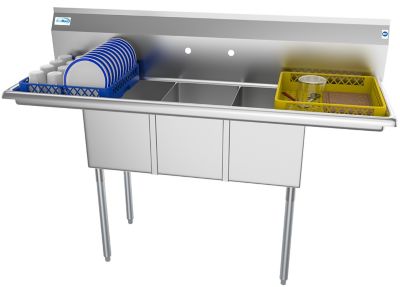
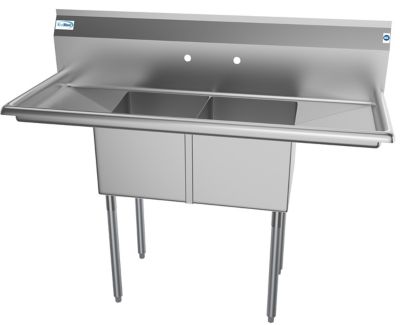
Stainless Steel Commercial Sinks With Drainboards with each basin’s drain measurements in mind. More basin space does not mean every strainer will fit, and a double-basin setup may call for different drain accessories on each side.
Day-to-day care has a big say in how well a kitchen sink strainer keeps doing its job. Food packed into mesh or lodged along a basket’s lower edge can slow drainage even when the plumbing below is clear. A basket with smooth surfaces, accessible openings, and a comfortable lifting point makes regular emptying less of a chore. After rinsing garden vegetables, for example, loose leaves and fibrous stems can gather into a mat across the bottom; after washing a mixing bowl, sticky batter can cling around the rim. Those different messes help explain why cleaning access matters alongside hole size. Many strainers clean up with dish soap, water, and a soft brush, but dishwasher suitability depends on the material and the manufacturer’s directions. Harsh cleaners and abrasive pads can scratch finishes or damage softer parts, and prolonged contact with strong cleaning chemicals may affect metal surfaces. Thorough rinsing helps clear soap and food residue from the openings, while occasional attention to the underside keeps buildup from hiding out of sight. Removable baskets also make it easier to wipe the drain flange beneath them. For stopper styles, a clean sealing surface helps the plug sit evenly when the sink needs to hold water. Over time, bent mesh, cracked plastic, a loose lifting post, or a worn seal can interfere with fit and function. A sturdy rim and a basket that lifts without a struggle are practical details for anyone who handles a lot of dishes, from a home cook putting up garden produce to a household sharing cleanup duty. Appearance can stay simple: a finish that works with the faucet and drain hardware gives the basin a tidy look without drawing much attention. The real value is in the everyday routine—scraps gathered where they can be emptied, dishwater flowing through open holes, and a sink ready for the next round of work.