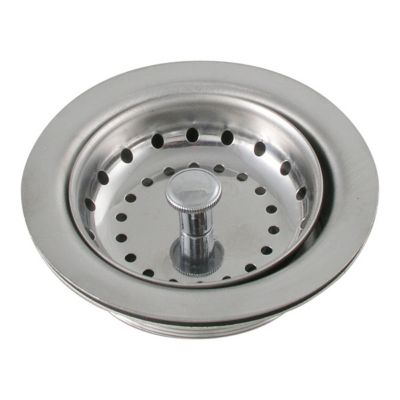
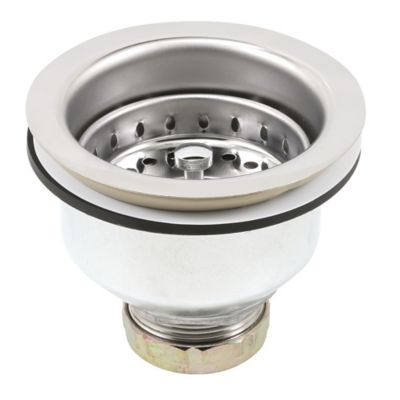
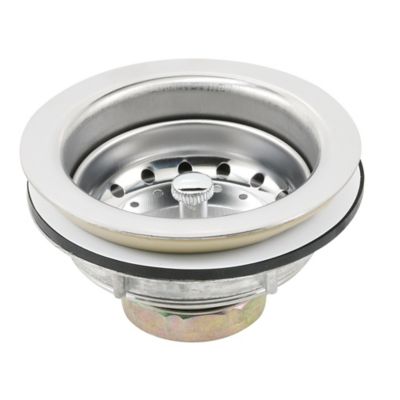
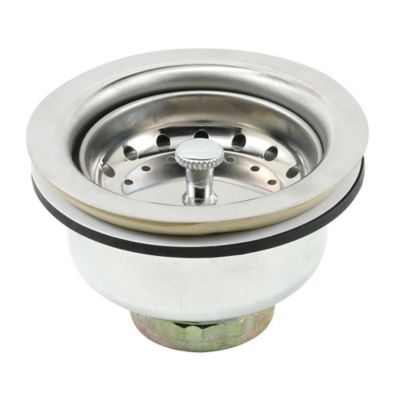
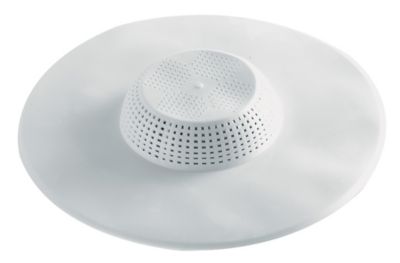
Stainless steel sink strainers are a simple way to help keep food scraps, hair, and other solid waste out of your drain line. They sit at the opening of a kitchen, utility, laundry, or bathroom sink and catch debris before it can move deeper into the plumbing. That can mean fewer slow drains, less pipe buildup, and less time spent reaching for a plunger when the sink should be draining freely. In a farmhouse kitchen, a strainer can catch vegetable peels and bits of soil rinsed from garden produce. In a laundry room, it can help keep lint and small particles from heading down the drain. Around a bathroom sink, a fine screen may catch hair before it collects in the trap. Stainless steel is well suited to these damp spaces because it stands up to regular contact with water and is easy to rinse clean. It also has a neat, straightforward appearance that fits right in with a work sink or a kitchen basin. For another way to outfit a hardworking wash area, take a look at
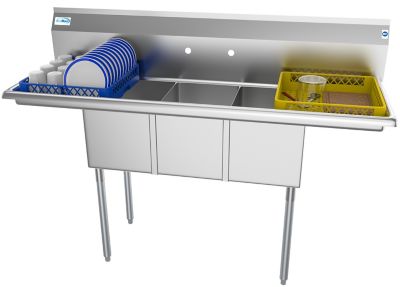
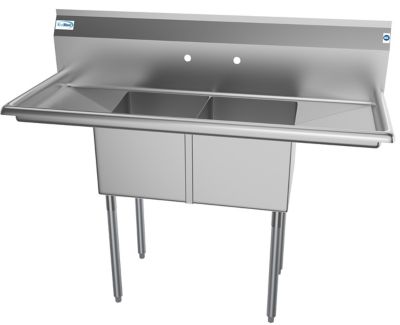
Heavy Duty Stainless Steel Sinks. Whether you are replacing a worn basket, protecting a garbage disposal, or setting up a sink in a barn, mudroom, shop, or outdoor kitchen, a stainless steel sink strainer can help make everyday cleanup a little less of a chore.
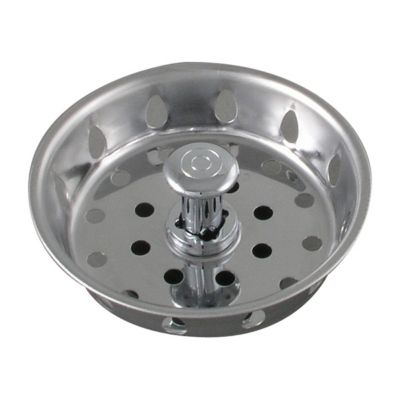
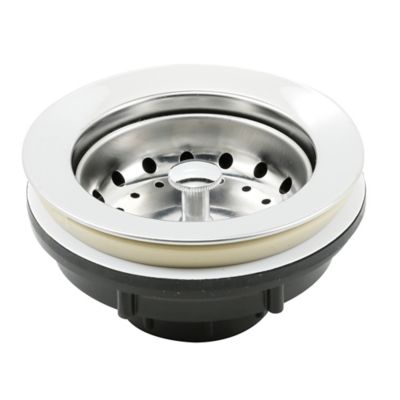
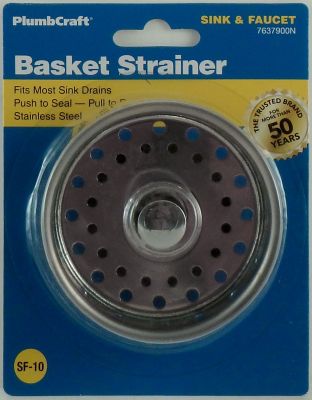
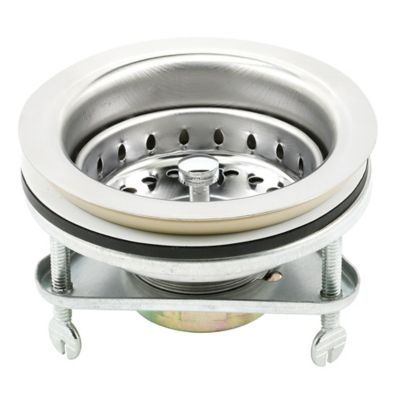
The first step in choosing a stainless steel sink strainer is figuring out which style fits your sink. Drop-in or rimmed strainers rest inside the existing drain opening, making them a handy choice for a quick swap or for adding another layer of protection over a disposal opening. Fixed basket assemblies are installed as part of the drain itself and may include a stopper, twist-lock basket, or spring-loaded mechanism that lets you hold water in the basin when needed. These assemblies are a better match when the drain hardware needs replacing from below the sink, rather than simply adding a basket from above. Measure the inside of the drain opening, not just the outside edge of the old strainer, and check the product measurements before ordering. Kitchen sink openings often fall within a common range, but farmhouse sinks, utility basins, bar sinks, older fixtures, and specialty basins can vary. If your sink has a garbage disposal, check how the strainer connects with that unit and whether the existing flange or mounting hardware must stay in place. A snug fit helps prevent scraps from slipping around the edge, while a rim that sits flat keeps the basket from rocking when water and dishes move across the sink. It is also worth looking at the underside, where a gasket, retaining ring, or threaded connection may affect installation. If you are not sure what you have, take a quick photo under the basin and compare the drain shape, mounting pieces, and opening size with the listing details. A local plumber or experienced farm-and-home shopper can also help identify whether you need a drop-in basket or a complete drain assembly.
The pattern of the basket matters just as much as the size. A solid, micro-perforated sheet has small punched openings that catch fine scraps while giving food less room to lodge in grooves. This style is often easy to empty over a compost pile, trash can, or feed-area waste container, then rinse under the faucet. Woven wire mesh creates a dense screen that can catch very small particles such as coffee grounds, hair, and fine soil, though the tighter pattern may call for a more thorough rinse with a soft brush. Look for a smooth rim with a folded or hemmed edge so the basket is comfortable to lift and clear. A flat, blunt rim is especially helpful when a sink is cleaned often or when several people in the household share the task. Stainless steel grades such as 304, 18/8, or 18/10 are commonly selected for sink hardware because their chromium content helps the metal resist corrosion in wet surroundings. Even with a well-suited alloy, regular care pays off: empty the basket before debris dries, rinse away soap and food residue, and wipe it down when you clean the basin. Avoid forcing sharp tools against the screen, and follow the sink or strainer instructions before using strong cleaners. Stainless steel sink strainers can make a thoughtful housewarming gift for someone moving into a farmhouse, outfitting a hunting cabin, finishing a workshop sink, or updating a busy family kitchen. They are small, practical items that fit easily into a home-maintenance basket and can be appreciated by cooks, gardeners, renters, property managers, and anyone who spends enough time at the sink to notice when the drain starts acting slow. During the cooler months, when more meals are prepared indoors and muddy boots or garden tools are rinsed at utility sinks, having the right basket in place helps keep cleanup moving along.