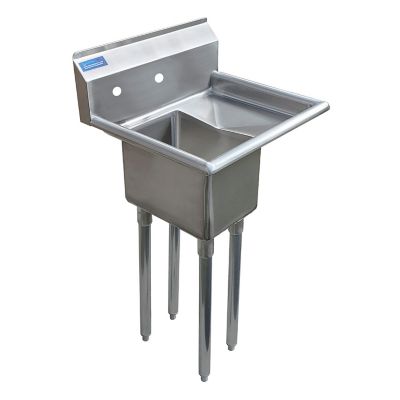
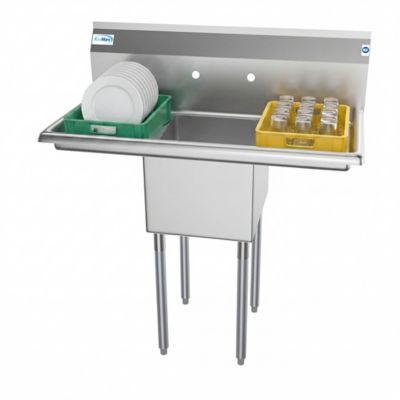
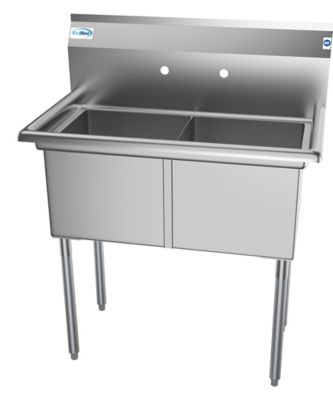
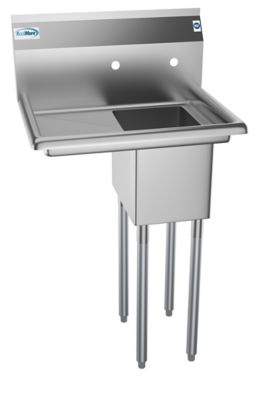
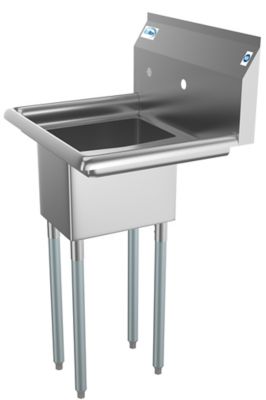
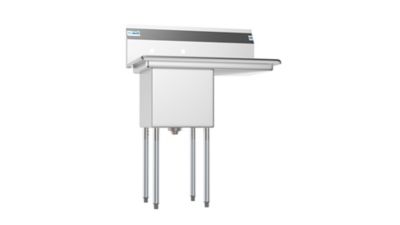
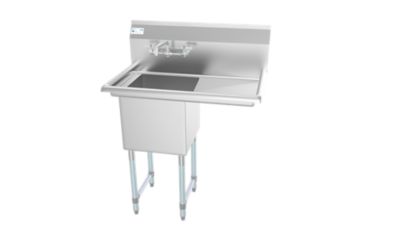
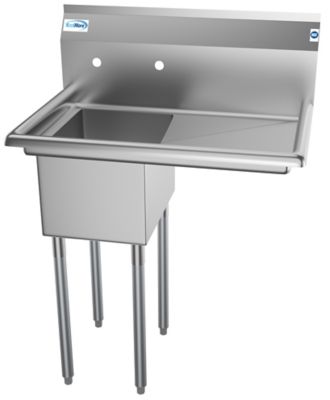
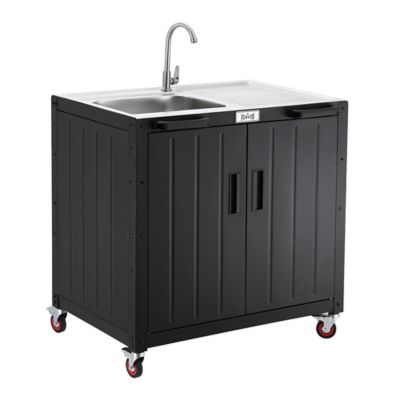
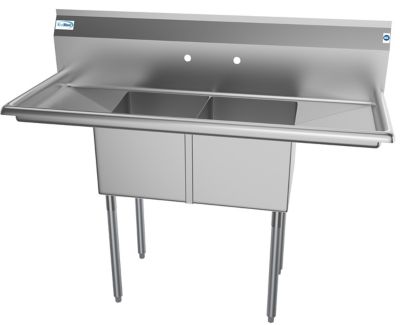
Laundry room stainless steel sinks give everyday wash chores a place of their own, away from the kitchen counter and bathroom vanity. A roomy utility basin makes space for soaking stained work shirts, handwashing washable garments, rinsing muddy boots, and filling a mop bucket without wrestling it under a small faucet. For households with garden chores, barn clothes, or a steady pile of workwear, that extra workspace can earn its keep fast. Stainless steel suits this setting because its nonporous surface rinses clean, stands up to regular contact with water, and does not require a painted finish to protect the basin. Grade 304 stainless steel is a common choice for sinks; its chromium and nickel content helps resist corrosion, though no stainless steel surface is completely immune to staining or rust under the wrong conditions. Steel thickness is another useful point of comparison. A lower gauge number means thicker steel, so 16-gauge steel is thicker than 18-gauge steel. Thicker material generally offers greater resistance to dents, while the basin’s shape, construction, and support also affect how it handles everyday work. Sound-dampening pads can soften the clang of a metal bucket and reduce noise from running water, a welcome feature when the laundry area sits near a living room or bedroom. Brushed and satin finishes tend to blend small surface marks into their grain, although scratches can still develop with regular use. Basin depth matters just as much as the material. A bowl around 10 to 12 inches deep can provide helpful room for soaking laundry or rinsing taller containers, but depth alone does not tell the whole story. Interior width, front-to-back space, corner shape, and faucet clearance all affect what actually fits. A wide, open bowl may be handier for a wash tub than a deeper but narrower basin, especially when there needs to be room to turn a brush or lift out a wet garment.
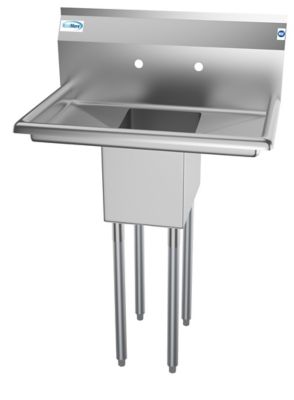
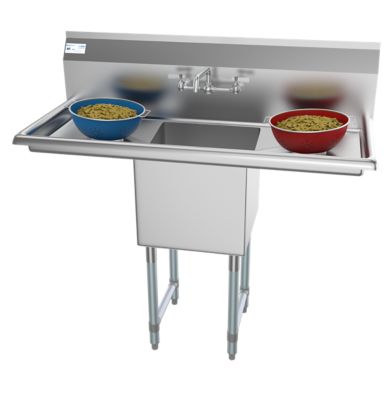
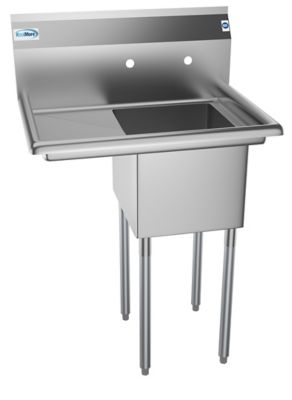
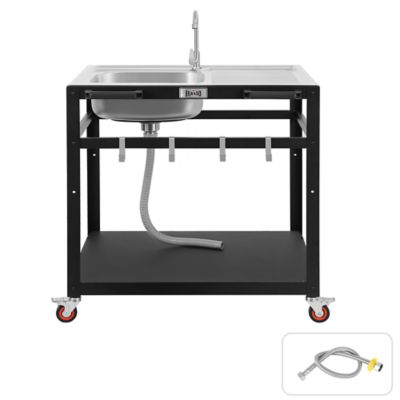
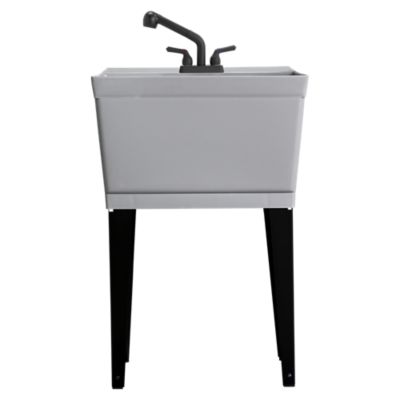
The right installation style depends on the room as much as the sink. Drop-in stainless steel laundry sinks rest on the countertop with a rim around the opening, making them a practical option for many existing counter layouts when the cutout and support meet the manufacturer’s requirements. Their exposed rim creates an edge to wipe around, and the seal beneath it helps keep water from reaching the countertop opening. Undermount sinks attach beneath a compatible countertop, leaving the counter edge exposed above the basin and allowing splashes to wipe straight into the bowl. They need suitable mounting hardware, proper support, and a countertop material that can handle moisture at the opening; ordinary laminate counters generally are not a straightforward match for this setup. Freestanding laundry sinks have their own supporting frame or legs, which can suit a utility room without built-in cabinets. Some designs include a lower shelf or backsplash, but those features vary. Whatever the mounting style, overall sink dimensions, interior bowl dimensions, countertop cutout measurements, and minimum cabinet size describe different parts of the fit. A basin that looks right from above may still crowd a door, block access to plumbing, or leave too little room beside the washing machine. The space underneath matters, too, because a deep bowl lowers the drain connection and takes up storage room. Faucet placement deserves the same attention. A tall spout can leave more room over a bucket, while a pull-down or pull-out spray can help rinse the corners and wash soil from a boot sole. The faucet must match the sink or counter’s hole arrangement, and its reach should put the stream comfortably inside the bowl. Wall-mounted faucets require a different plumbing layout. For anyone who spends time scrubbing by hand, sink height and reach can matter more than an extra inch of depth. A very deep bowl mounted too low can mean more bending, especially when lifting water-filled containers. Proper drainage, venting, and water connections complete the setup, with plumbing work matched to local requirements.
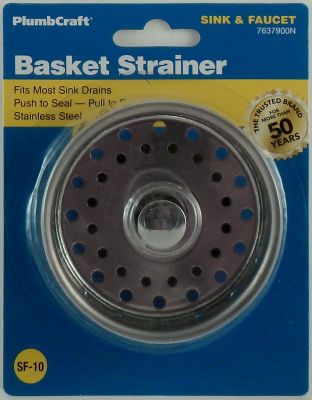
Day-to-day care helps a stainless steel laundry sink stay ready for the next load of chores. Mild dish soap, water, and a soft cloth or nonabrasive sponge are generally enough for routine cleaning, followed by a rinse and a wipe dry to limit water spots and mineral buildup. Wiping with the grain helps maintain a brushed finish. Steel wool, harsh abrasive pads, and aggressive cleaners can scratch the surface or leave behind particles that rust, while prolonged contact with chlorine bleach or salty residue can damage stainless steel. Laundry products deserve particular attention around a soaking basin: follow both the product label and the sink manufacturer’s care directions, rinse away residue promptly, and never mix cleaning chemicals. A sink that handles muddy clothing also benefits from a little attention before the tap turns on. Shaking loose soil from boots outdoors and brushing heavy dirt from washable gear keeps some of that grit out of the drain. A removable strainer can catch lint, threads, and larger debris, but it does not make the plumbing suitable for paint, solvents, pesticides, or other materials that require separate disposal. Rounded basin corners can be easier to wipe than tight square corners, while a sloped bottom helps water move toward the drain. A bottom grid, when sized for the basin, can keep containers from sitting directly against the steel and leave space for water to move underneath; it still needs regular lifting and cleaning. Nearby counter space also makes a difference, giving a damp sweater, scrub brush, or laundry basket somewhere to land without balancing across the sink rim. Households with frequent farm or shop cleanup may also find a practical match among
Heavy Duty Stainless Steel Sinks, with the same attention to basin dimensions, mounting requirements, and everyday care. The most useful laundry room stainless steel sink is not simply the deepest or largest one. It is the one that fits the room, leaves comfortable working space, and handles the household’s regular washing tasks without making cleanup another chore.