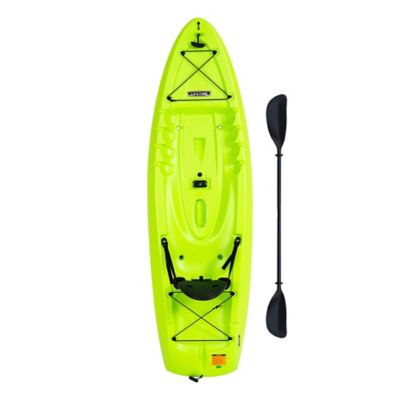
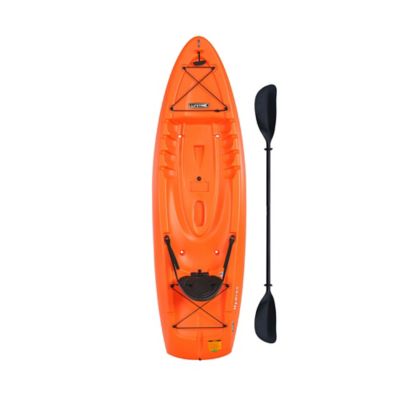
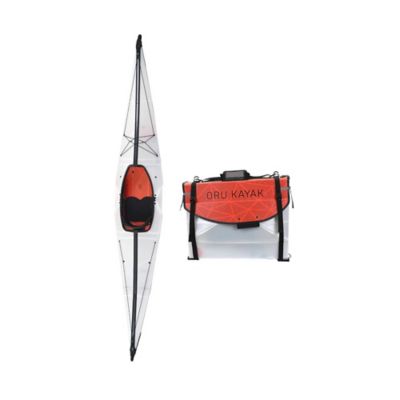
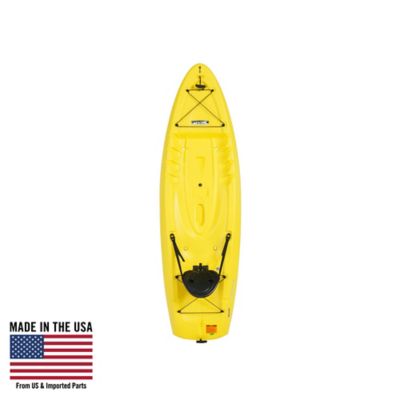
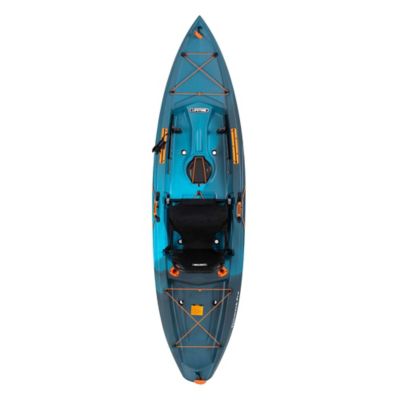
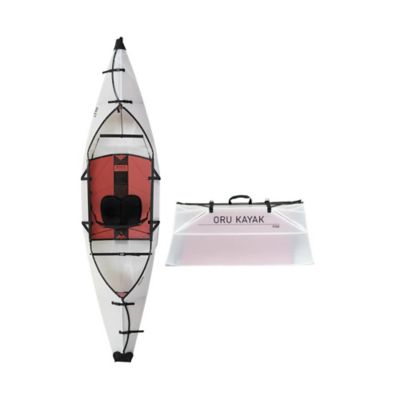
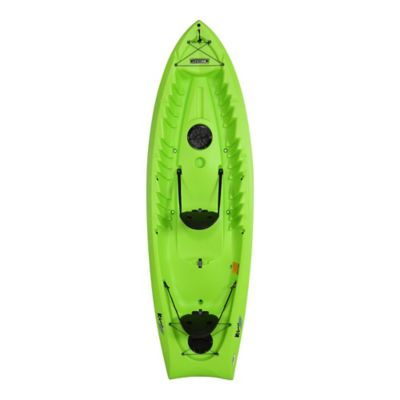
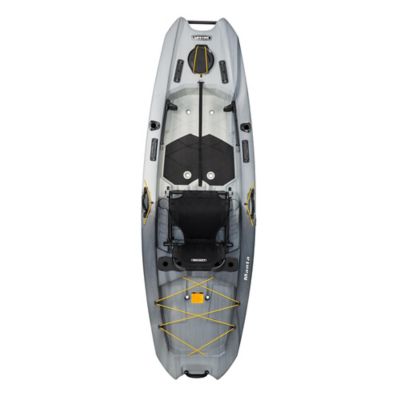
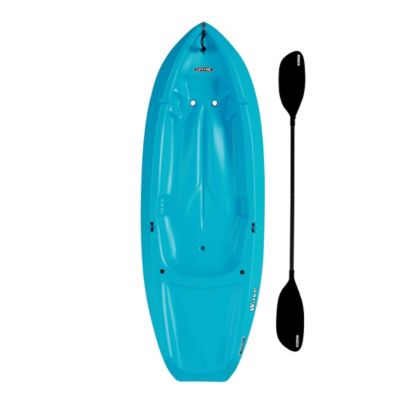
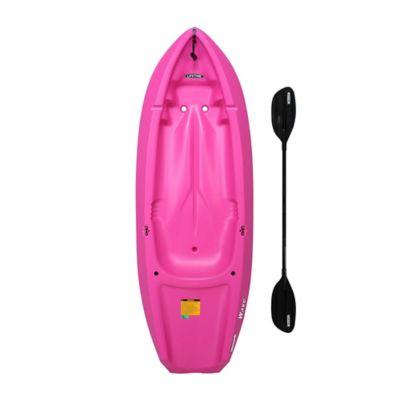
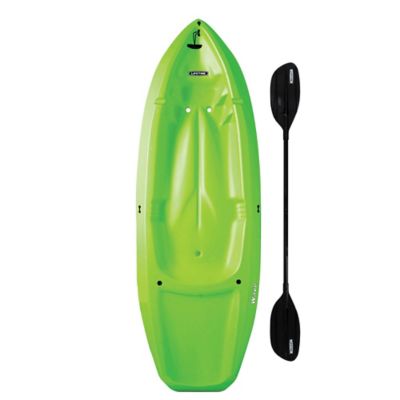
Kayaks for frequent outdoor use need to suit the water, the paddler and the work of getting from the driveway to the launch. A boat that handles regular trips to a farm pond, a nearby reservoir or a gentle river should balance resistance to everyday bumps with manageable weight and a comfortable place to sit. High-density polyethylene, often called HDPE, is a common material for recreational kayak hulls because it tolerates the knocks and scrapes that come with repeated outings. Rotomolded polyethylene construction creates a one-piece hull, while other molding methods produce different combinations of weight, shape and construction details. UV-stabilized materials help limit damage from sunlight, though no hull benefits from being left exposed indefinitely. Construction matters, but thickness, hull design and proper handling also affect how a kayak holds up over time. Repeated dragging across gravel can wear down even a substantial plastic hull, making carry handles and a compatible transport cart worth considering for regular launches. Shape makes just as much difference once the boat leaves shore. Longer hulls generally hold a straight course more easily and cover distance with fewer steering corrections, while shorter kayaks tend to turn more readily around bends and small coves. A wider hull can feel steadier at rest, which appeals to paddlers who enjoy taking photographs, casting a line or easing along a shoreline. Width alone does not tell the whole story, though; hull profile and the height of the seating position also influence stability. Recreational kayaks intended for sheltered water are not interchangeable with craft built for rapids, surf or exposed crossings. For leisurely miles past wooded banks and quiet inlets,
Kayaks For Scenic Lake Touring offers a closely related way to think about paddling comfort and straight-line travel. Frequent outings are more enjoyable when the boat’s intended use matches the stretch of water close to home, rather than a trip that might happen only once.
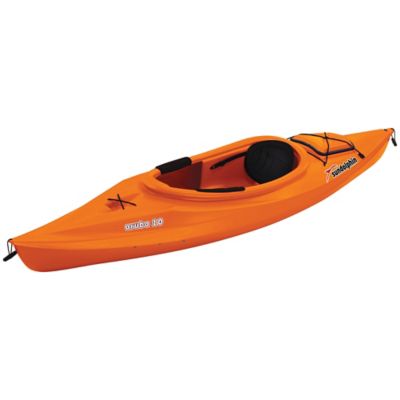
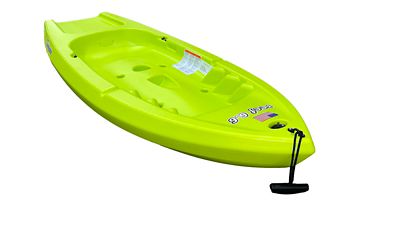
Comfort becomes a practical concern when a short paddle turns into a full morning on the water. Seat support, legroom and adjustable foot braces help a kayak fit the person paddling it, especially when the same boat serves different members of a household. A supportive backrest should work with a properly fitted life jacket instead of pushing it upward or crowding the shoulders. Foot braces give the feet a steady resting point and help the paddler maintain a balanced position without locking the knees. Cockpit size matters on sit-inside kayaks, both for room around the hips and thighs and for getting in and out at the launch. Sit-on-top kayaks have an open seating area that many recreational paddlers find straightforward to access, and their scupper openings allow water on the deck to drain under appropriate conditions. Neither style is automatically the right fit for every person or every outing. A kayak’s listed weight capacity includes the paddler and everything carried aboard, from a tackle bag and drinking water to a small cooler. Staying comfortably within the manufacturer’s limits helps preserve the handling and clearance above the waterline that the design requires. Storage layout deserves attention, too. A reachable rear tank well, secure deck rigging and a hatch can serve different purposes, but an enclosed compartment should not be assumed watertight unless its specifications say so. Phones, keys and spare clothing belong in suitable dry storage, secured where they will not interfere with paddling or an exit. Anglers may appreciate rod storage and room for tackle, while a paddler following a winding shoreline may care more about unobstructed paddle strokes and a seat that stays comfortable over distance. For a family member who spends free time near the water, paddling gear can make a thoughtful gift, although the kayak itself calls for a clear understanding of their size, transport setup and preferred waters. A boat that feels comfortable and manageable is far more likely to make regular trips than one that is awkward to carry or cramped to paddle.
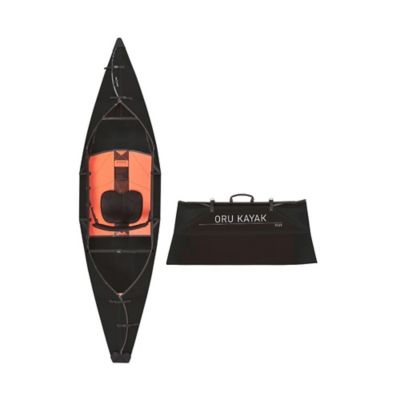
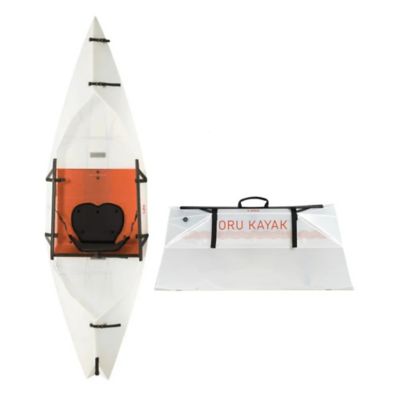
Frequent paddling also puts the less glamorous details to work: lifting, tying down, rinsing and finding a place to keep the boat between outings. Listed kayak weight is worth reading closely, including whether the figure includes the seat or other removable components. There is no single weight limit that makes a boat easy for everyone to lift; hull length, grip placement, lifting height and personal ability all play a part. A manageable carry from the truck to the bank may feel very different from raising the same kayak onto a tall roof rack. Compatible racks, cradles and tie-downs support the hull and help keep the load secure, with bow and stern lines where required by the vehicle or carrier instructions. Truck-bed transport needs suitable support and restraint as well, rather than relying on the boat’s weight to hold it in place. Modular designs can reduce the length of individual sections for transport or storage, but their connection points need the inspection and care specified by the manufacturer. After a trip, rinsing away grit, mud and salt helps protect fittings, moving parts and seating components. Cleaning away plant fragments and following local clean, drain and dry requirements also helps prevent the spread of aquatic invasive species between waterways. Letting the kayak drain and dry before storage reduces trapped moisture, while broad supports help avoid concentrated pressure that can distort a plastic hull. Storage out of direct sunlight, with a suitable cover when needed, helps protect both the hull and fabric components. Routine checks of handles, deck lines, plugs, seat attachments and fasteners can catch small problems before the next launch. A properly fitted, Coast Guard-approved life jacket belongs on the paddler for every outing, and a suitable paddle and a way to call for help round out the essentials. With the right fit, sensible transport and regular care, a kayak can become a familiar part of days off—ready for another quiet stretch along the bank or a few hours exploring beyond the boat ramp.