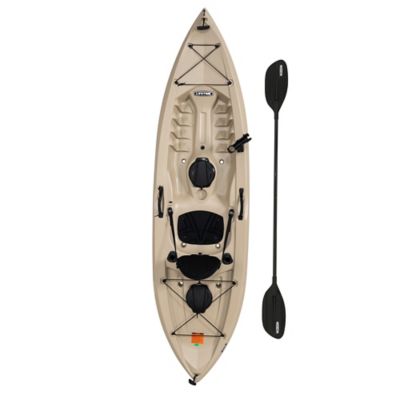
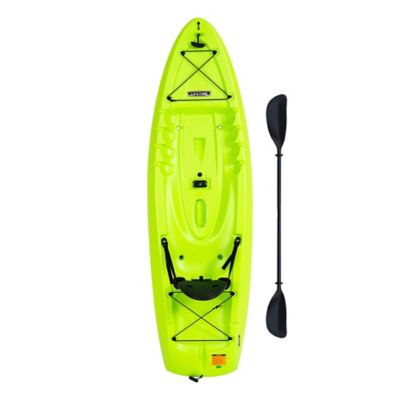
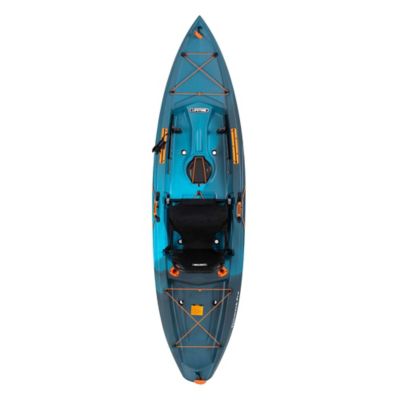
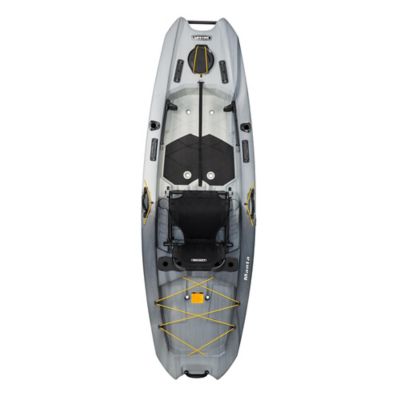
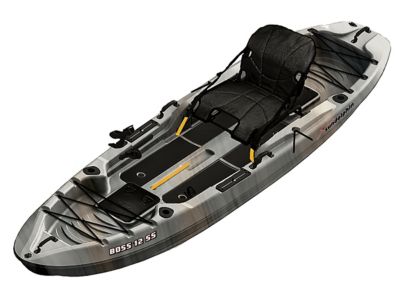
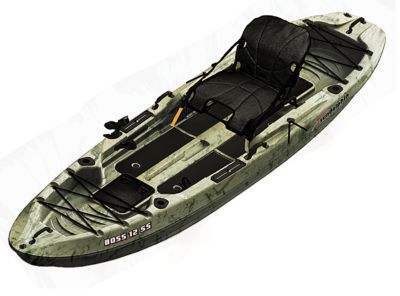
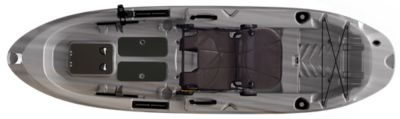
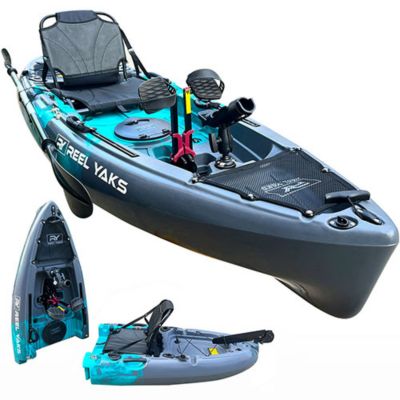
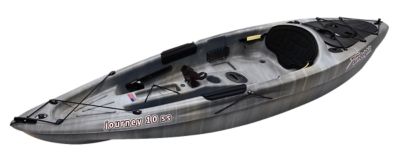
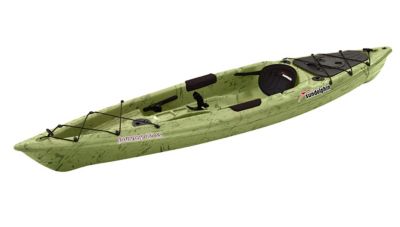
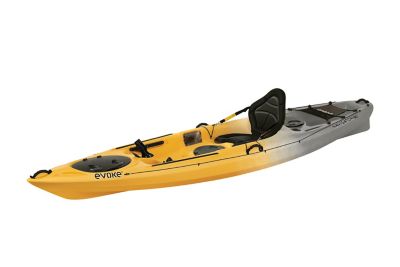
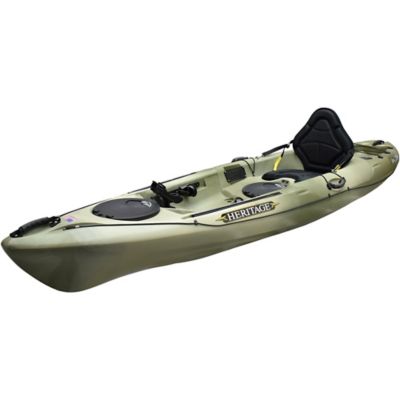
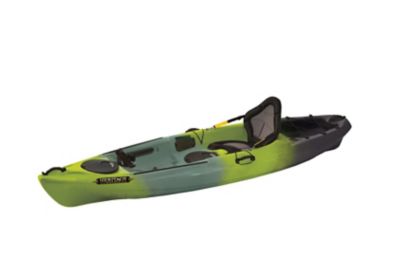
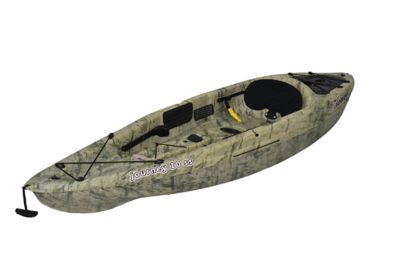
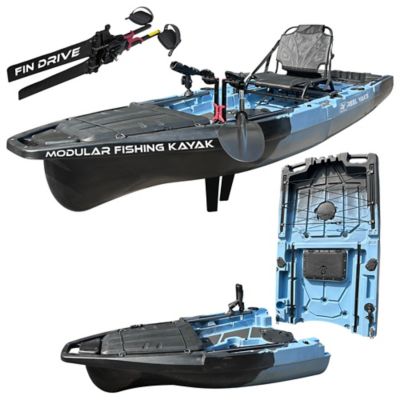
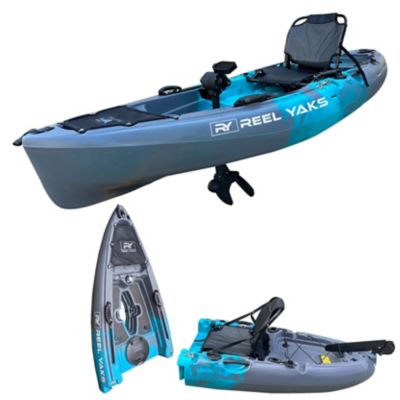
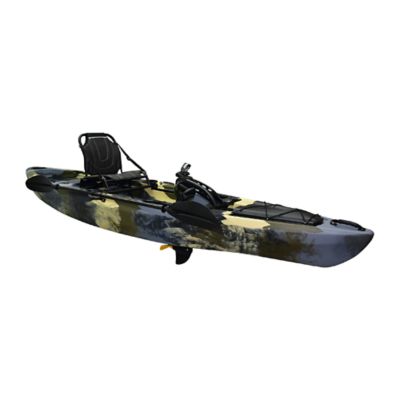
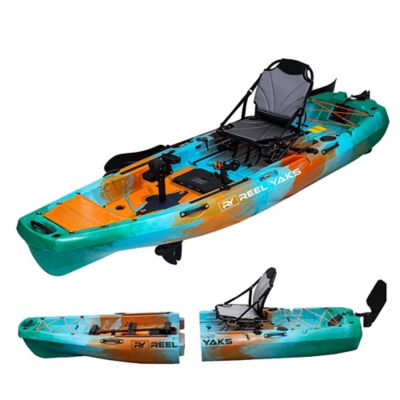
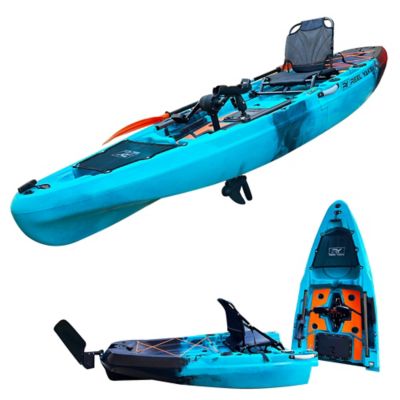
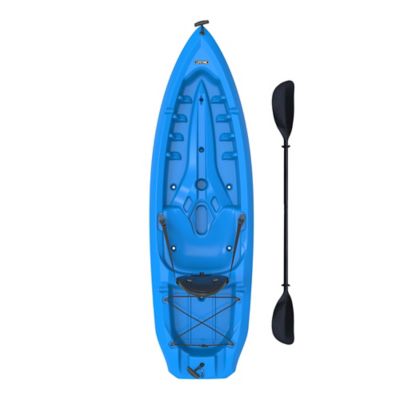
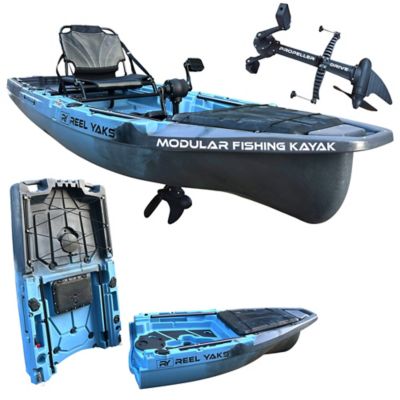
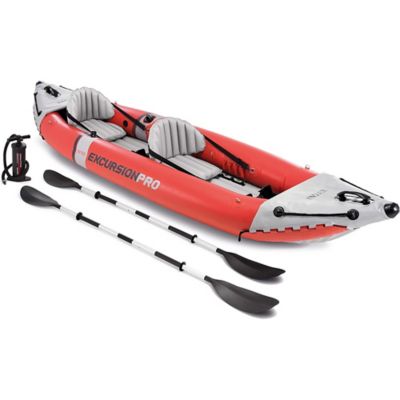
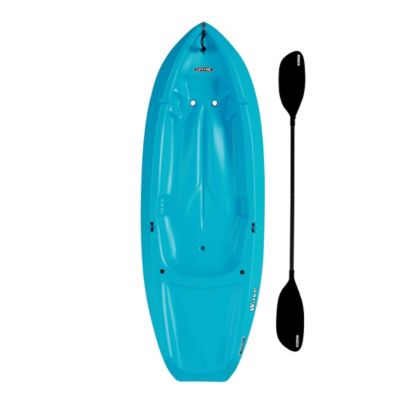
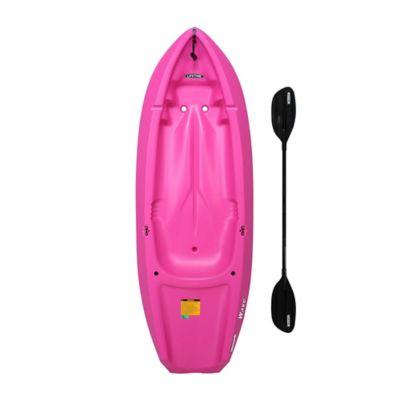
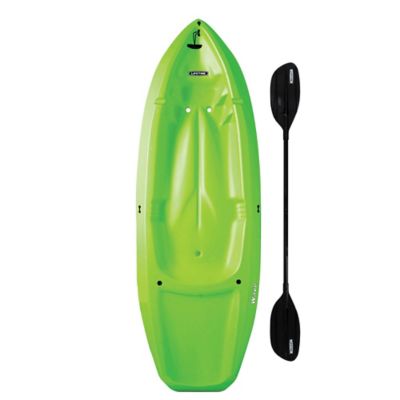
Fishing kayaks for freshwater anglers put a fishing platform within paddling distance of farm pond banks, lake coves, reservoir points, and suitable stretches of river. Their appeal comes from getting close to the water with room for rods, tackle, and the gear that makes a fishing trip run smoothly. Compared with a general recreational kayak, a fishing kayak often places more emphasis on rod storage, accessible tackle space, supportive seating, and places to attach fishing accessories. Sit-on-top fishing kayaks have an open deck that gives anglers room to move their legs, reach gear, and bring a fish alongside the boat. Many have scupper openings that let water drain through the deck when the kayak is properly loaded. Sit-inside designs place the paddler lower within a cockpit, with a different seating feel and less open space around the legs. Paddle kayaks keep the propulsion setup straightforward and can be a practical match for small ponds, short outings, and launches reached by a narrow path. Pedal-drive fishing kayaks let anglers move while keeping their hands free for a rod, although steering, stopping, and maintaining position still take attention. Drive clearance matters around submerged stumps, shallow flats, and thick aquatic vegetation; some systems retract or lift, while others require more clearance beneath the hull. Hull shape and dimensions also affect how a kayak handles. Many freshwater fishing kayaks measure roughly 10 to 12 feet long, though shorter and longer designs serve different needs. A shorter hull can be easier to turn along a tight shoreline, while a longer hull generally tracks straighter over open water. Wider platforms often feel steadier at rest, but width alone does not establish whether a kayak is suitable for standing. Standing should be limited to designs intended for it, with the angler’s balance, loading, and water conditions taken into account. For someone working a line of brush piles or casting beside a dock, a manageable boat with a clear deck can matter more than a long list of attachments.
Seat fit, usable capacity, and gear layout make a real difference once a quick outing turns into several hours on the water. A supportive backrest, comfortable seat base, and adjustable foot braces help an angler settle into a position that allows easy paddling and casting. Taller paddlers need enough legroom to avoid a cramped bend at the knees, while shorter paddlers need to reach foot braces or pedals without stretching. Raised seats can improve the view into the water and make tackle easier to reach, but a higher seating position also changes the boat’s balance. The listed weight capacity needs to cover the angler, fishing gear, drinking water, safety equipment, and any accessories carried aboard, with attention to how the manufacturer defines that rating. Maximum capacity is a limit, not a promise of the same handling at every load. Leaving a sensible margin helps preserve clearance and maneuverability, especially when carrying a crate, anchor equipment, or a larger tackle bag. Storage works best when it matches the way someone fishes: a small tray near the seat for frequently changed lures, secure space for pliers, and rod holders positioned clear of the paddle stroke. Flush-mounted holders keep the deck less crowded, while adjustable holders offer more control over rod angle. Neither arrangement should put hooks where hands or clothing can catch them. Explore
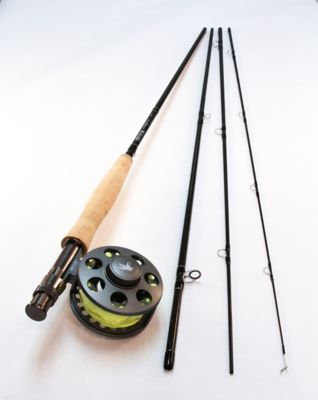
Fishing Rods For Fisherman for a rod that suits the target species and the casting room aboard a kayak. A seated angler benefits from a handle that clears the seat and a rod setup that allows a fish to be brought alongside without awkward reaching. Gear tracks can make attachment placement more flexible, but checking mounting compatibility matters before adding a holder or electronics mount. Hatches offer enclosed storage, though a closed hatch does not necessarily mean a waterproof compartment. Phones, licenses, and other essentials still belong in properly sealed protection.
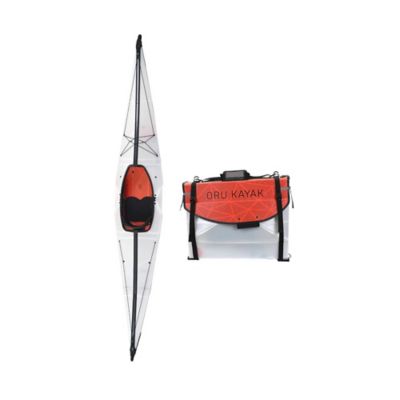
Materials and construction help determine how a freshwater fishing kayak stands up to loading, launching, and regular contact with shorelines. Molded polyethylene is common because it tolerates everyday knocks and scraping, though hull weight and construction vary. Thermoformed plastic designs can offer a different balance of weight, stiffness, and finish, while inflatable fishing kayaks emphasize packability and require attention to inflation pressure, valves, seams, and puncture prevention. For any construction, the whole handling routine deserves consideration. A kayak that feels manageable beside a pond may be harder to lift onto a tall vehicle after several hours of paddling. Carry handles, a compatible cart, and a loading arrangement suited to the boat’s weight can make the trip between storage and launch less of a chore. Transport measurements should include the kayak’s length and width, the vehicle’s carrying limits, and the requirements of the rack or trailer. Proper tie-down points and secure bow and stern lines, where recommended for the transport setup, help keep the hull from shifting. Care is generally straightforward: rinse away mud and plant material, remove debris from drive components, and let compartments and seating dry before storage. Cleaning, draining, and drying the kayak and gear between waterways also helps limit the spread of aquatic invasive species. Hulls need support at the points recommended by the manufacturer rather than being left under concentrated pressure that can cause distortion. Pedal drives, rudders, cables, and fasteners benefit from routine checks and maintenance specified for the equipment. A properly fitted personal flotation device belongs on the angler, with a whistle and other required safety equipment close at hand. A paddle remains important even with pedal propulsion, and local access rules and boating requirements still apply. For pond regulars, bass anglers, or someone receiving a kayak as a gift, the strongest match is a boat that fits the person, the water, and the full trip from loading up to putting everything away.