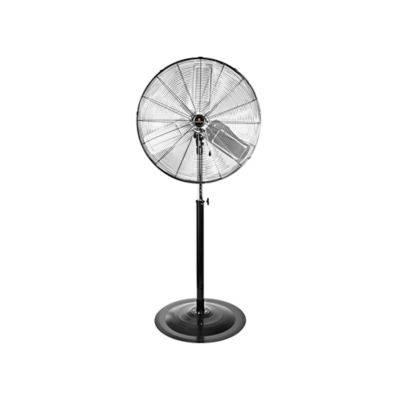
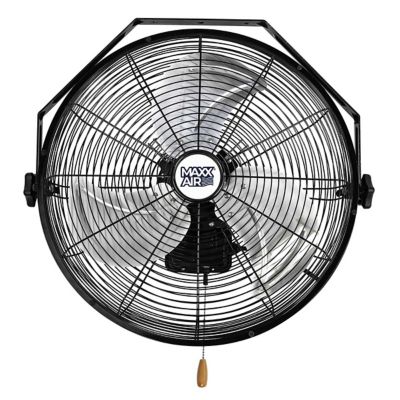
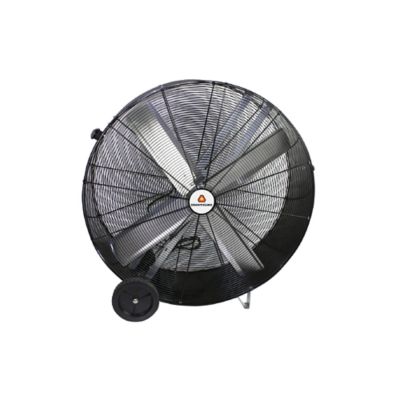
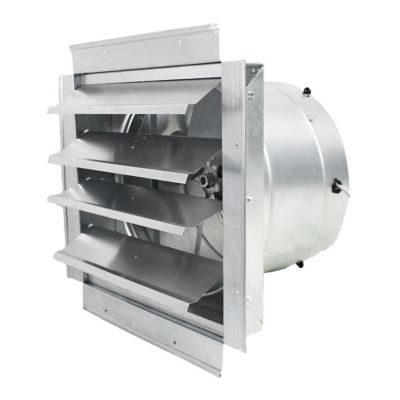
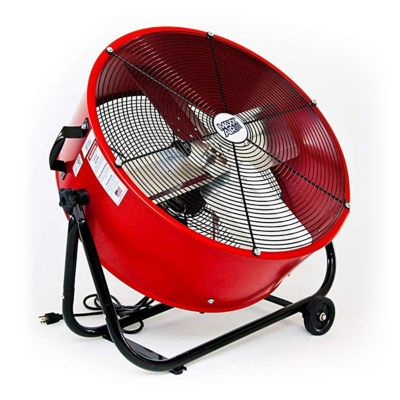
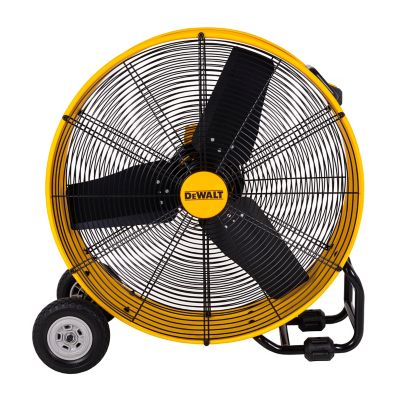
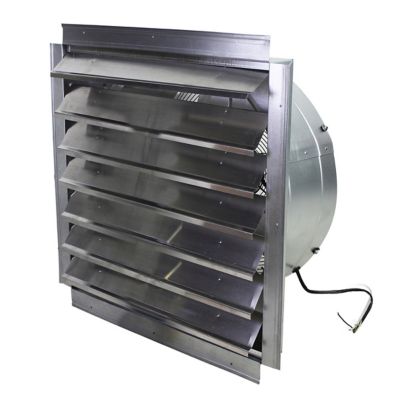
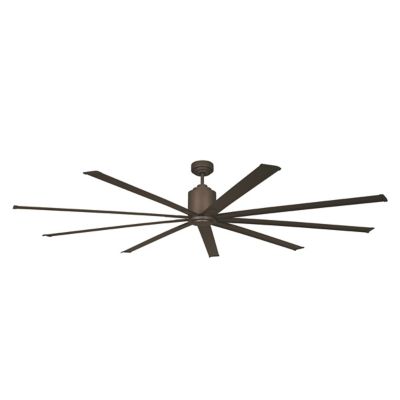
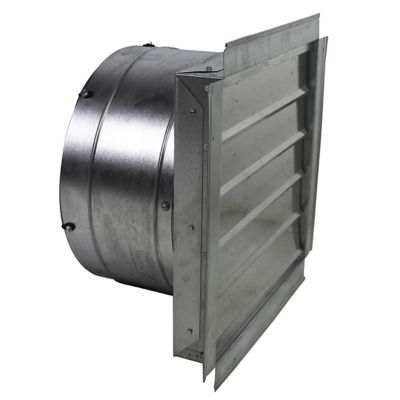
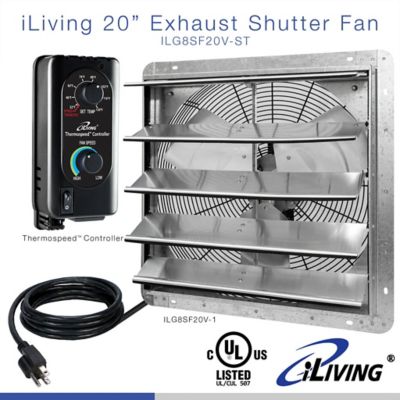
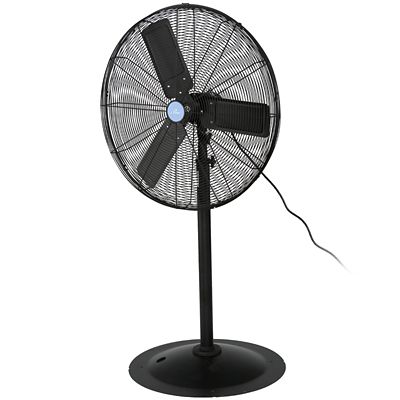
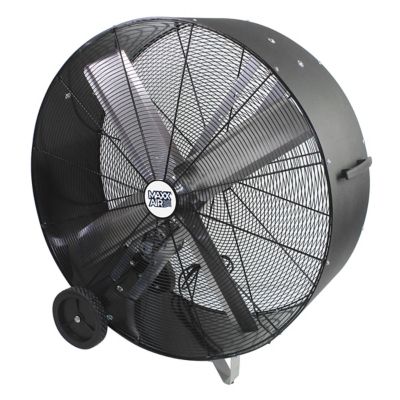
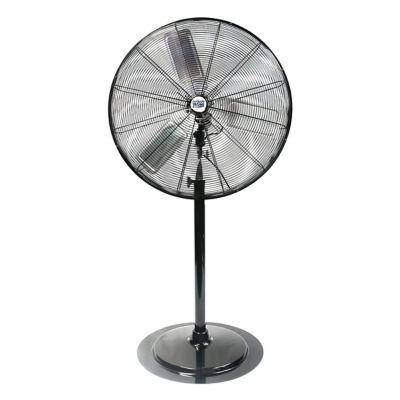
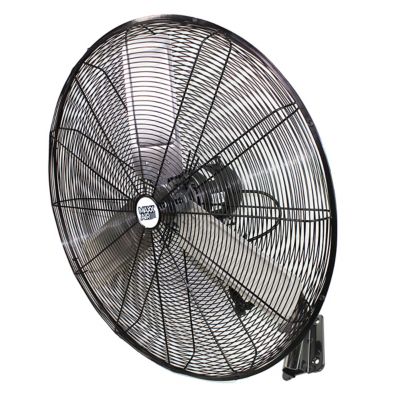
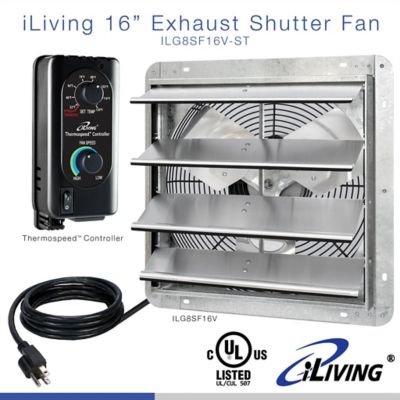
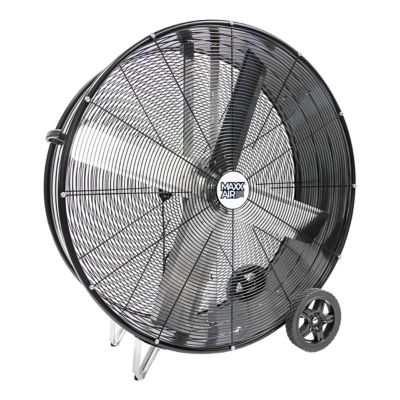
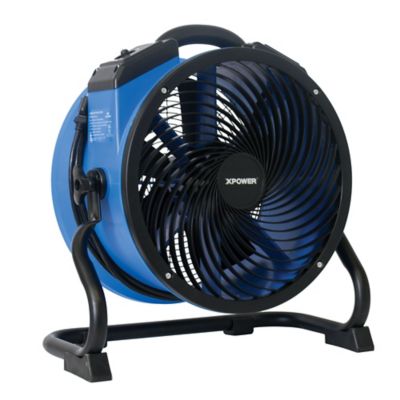
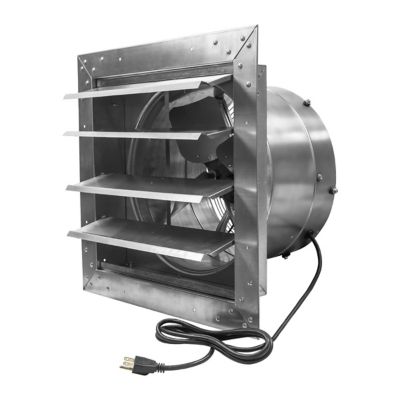
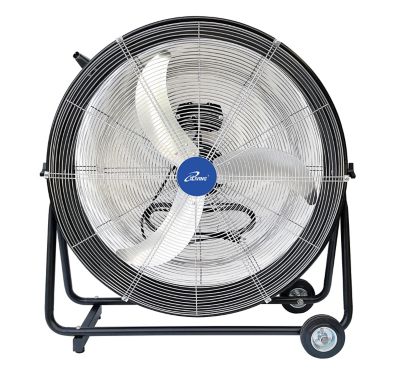
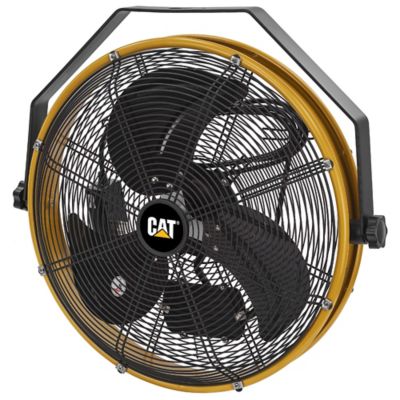
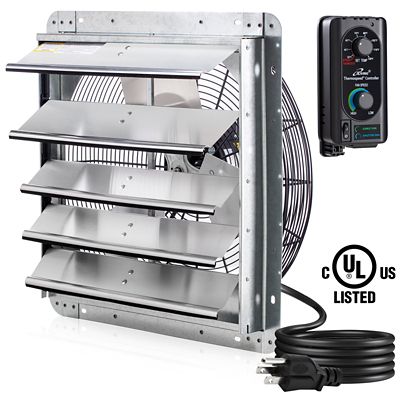
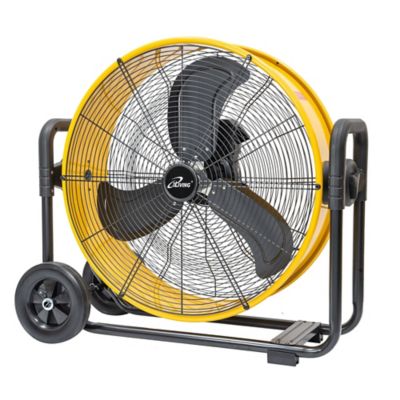
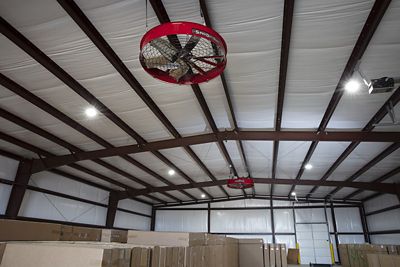
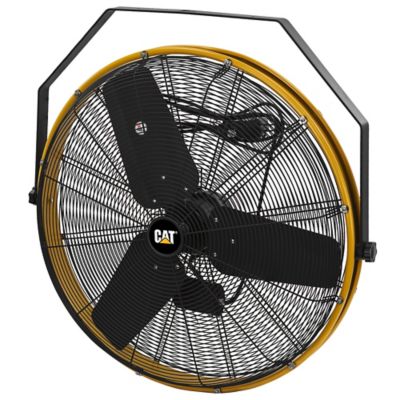
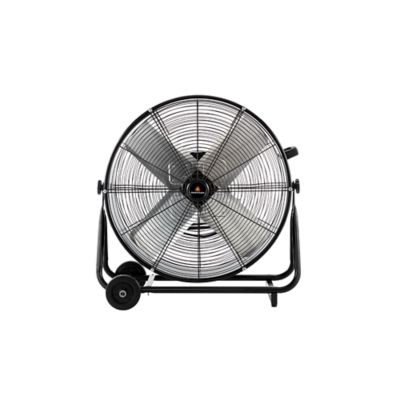
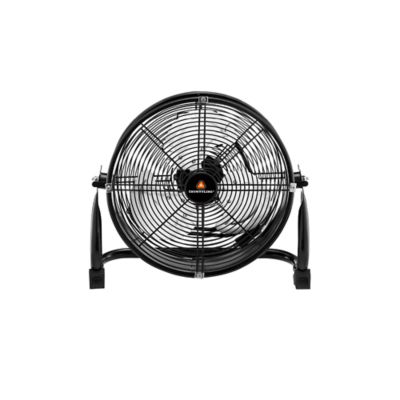
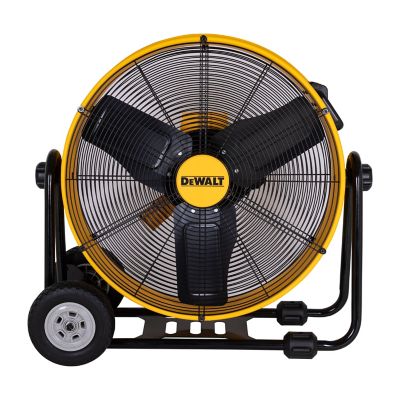
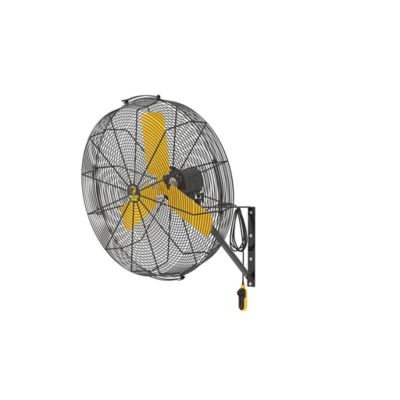
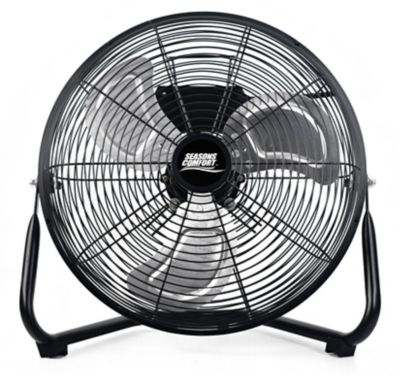
Industrial fans for warehouses help keep air moving through spaces where tall racks, wide floor plans, and steady activity can leave some work areas feeling still. From a shipping table tucked beside shelving to a broad packing floor, different layouts call for different airflow patterns. A floor or drum fan can direct a strong stream across an open work zone, while a pedestal fan raises that airflow closer to standing height. Wall-mounted fans keep floor space clear around carts and pallet jacks, and ceiling-mounted fans can circulate air across larger sections without adding equipment along busy aisles. The right fit depends on more than the size of the building. Rack height, ceiling clearance, workstation placement, and the direction of travel all affect how air reaches the people doing the work. A fan aimed straight into the side of a loaded rack may do little for the packing crew working beyond it. Adjustable tilt, oscillation, and multiple speed settings give warehouse managers more room to match airflow to the task instead of sending the same blast everywhere. At a label-printing station, a gentler setting may keep paperwork from lifting off the table; across an open assembly area, broader coverage may matter more. For farm operations with a parts warehouse, repair businesses with a receiving area, or distribution crews handling freight all day, industrial air circulation can be part of making the workspace more comfortable and practical. Noise deserves a place in that picture, too. A fan near a dispatch desk has different demands than one serving a wide equipment bay. Motor sound, blade design, and operating speed all influence whether conversation stays easy to follow. Keeping airflow within the intended work area also matters around loose packaging, stretch wrap, and lightweight materials. A good match moves air where it helps without turning the surrounding workspace into another thing the crew has to manage.
Industrial warehouse fans vary in airflow output, construction, mounting requirements, and electrical needs, so the details behind the housing matter as much as the overall shape. Airflow ratings, commonly expressed in cubic feet per minute, offer a starting point for comparing how much air a fan moves. That number does not tell the whole story, though: the width and reach of the air stream, obstructions in its path, and mounting position all affect the result on the floor. A larger blade diameter is not automatically the best answer for a narrow aisle or a closely arranged work area. Steel housings and frames can provide a substantial build for demanding settings, while aluminum blades may help limit weight in designs that call for it. Powder-coated finishes can help protect metal surfaces, though resistance to moisture or corrosion depends on the complete fan and its stated rating. Guards, stable bases, secure adjustment points, and mounting hardware all deserve attention where equipment runs near daily traffic. Portable models need room to sit level without putting cords across walkways. Wall and ceiling installations need suitable structural support, adequate clearance, and mounting methods that follow the manufacturer's directions. Electrical fit is just as important: voltage, amperage, plug configuration, and circuit requirements need to match the installation. A standard plug-in fan and a hardwired overhead fan bring different setup needs, and permanent electrical work may call for a qualified electrician. Motor design and enclosure ratings also matter in areas with airborne dust or occasional moisture. An enclosed motor alone does not mean a fan is suitable for every dusty location. Ordinary circulation fans are not substitutes for equipment specifically rated for combustible dust, flammable vapors, or other hazardous conditions. Likewise, moving air around a warehouse is different from bringing in outside air or exhausting contaminants. Where a process creates fumes or airborne particles, the building needs ventilation and exposure controls suited to that process, not simply a stronger breeze.
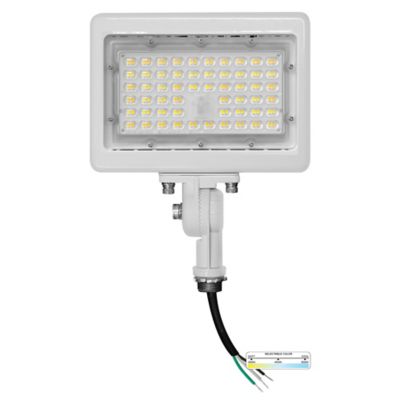
Day-to-day care helps industrial fans stay ready for the work ahead. Warehouse dust can collect on blades, guards, and motor housings, and that buildup can affect airflow or contribute to vibration. Cleaning needs vary by design, but accessible guards and clearly described service procedures can make routine upkeep easier to plan. Power should be disconnected before cleaning or service, with any additional lockout procedures followed where required. Water, cleaning agents, and compressed air are not interchangeable solutions; the manufacturer's care directions determine what is appropriate for the motor, electrical parts, and finish. Some motors have sealed bearings, while others have specified lubrication needs, so extra oil is not automatically helpful. Periodic checks for loose fasteners, damaged cords, worn wheels, or changes in operating sound can bring attention to problems before the next long stretch of work. Mobility also affects everyday usefulness. A wheeled frame may make sense for a warehouse where work zones move between receiving, sorting, and outbound packing, while a fixed mount can suit a station that stays in the same place. Handles, wheel size, overall weight, and storage footprint influence how manageable a portable fan feels when it needs to move. For fixed installations, access for cleaning and service belongs in the layout from the start rather than becoming a ladder-and-rack puzzle later. Fans also share overhead and wall space with doors, signs, sprinklers, and lighting, so placement needs to account for those systems without blocking access or required clearances. Alongside airflow,
Lighting For Warehouses supports visibility around packing benches, equipment paths, and workstations. Whether the space serves a small agricultural business or a larger shipping operation, the most practical fan setup fits the building, the electrical supply, and the way people actually move through the job. Solid construction, sensible placement, and straightforward maintenance all contribute to equipment that earns its place on the warehouse floor.