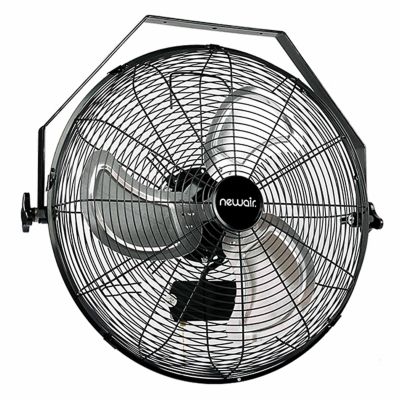
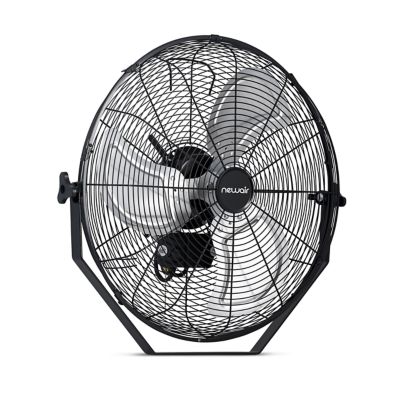
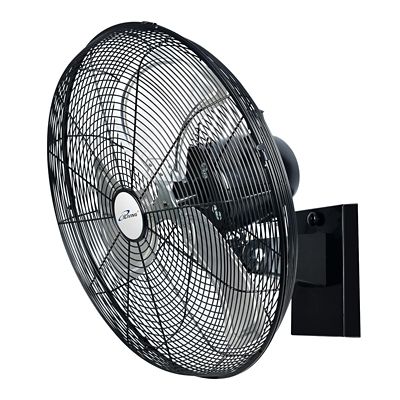
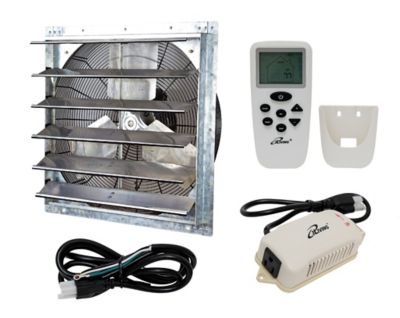
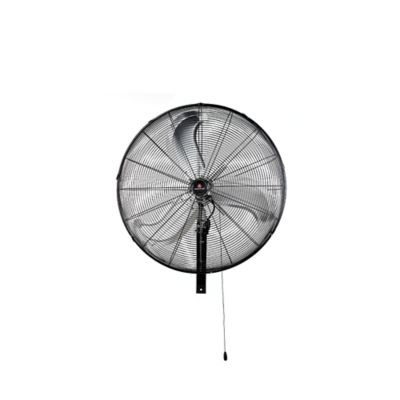
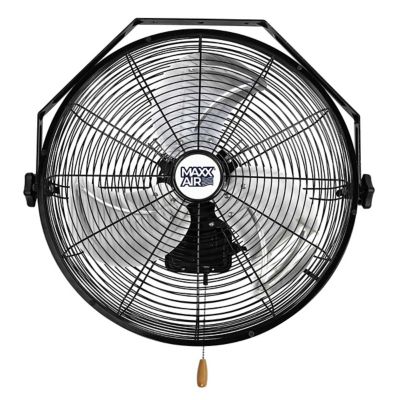
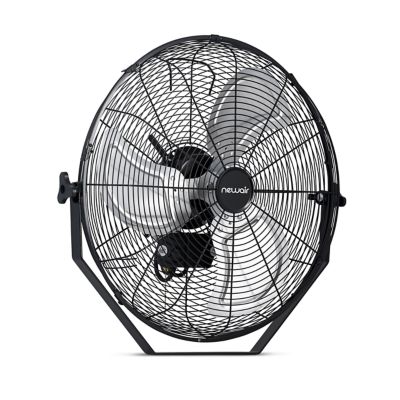
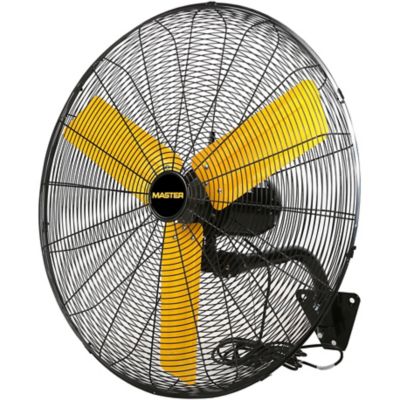
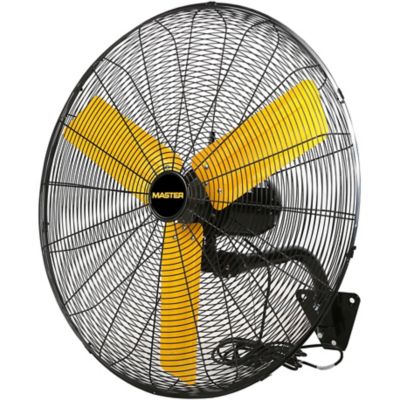
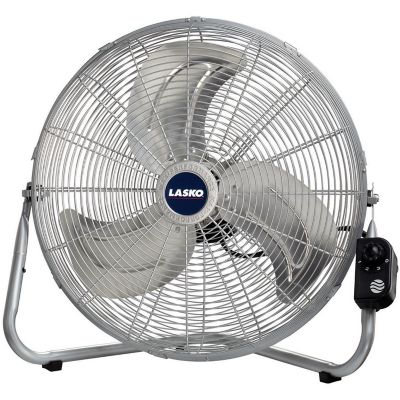
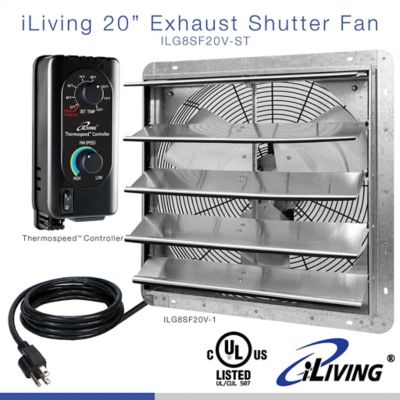
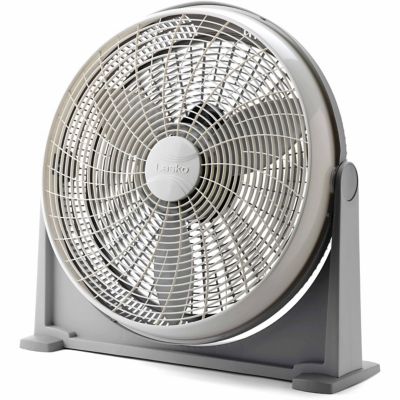
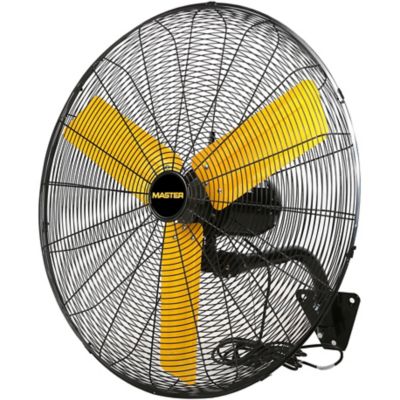
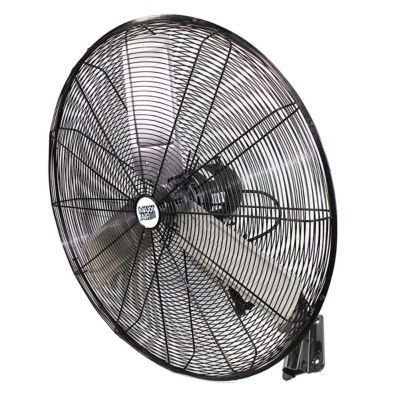
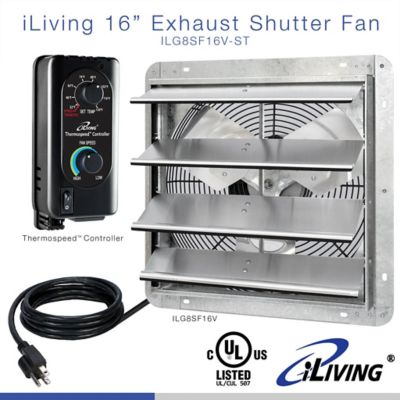
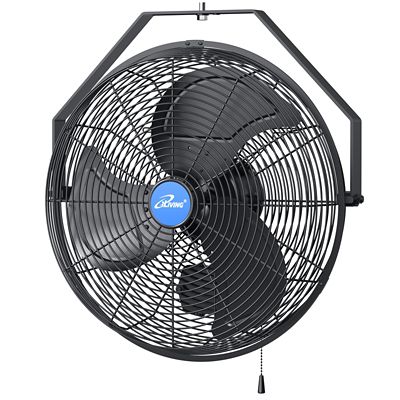
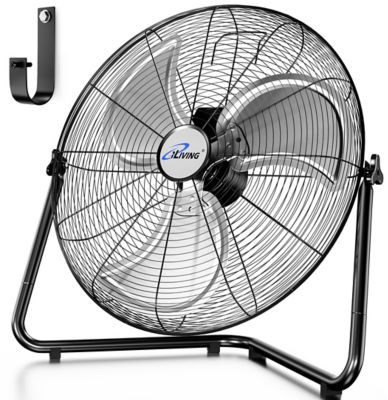
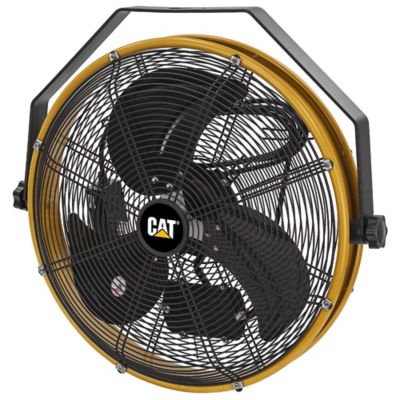
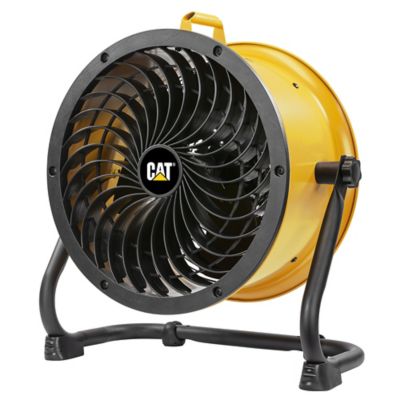
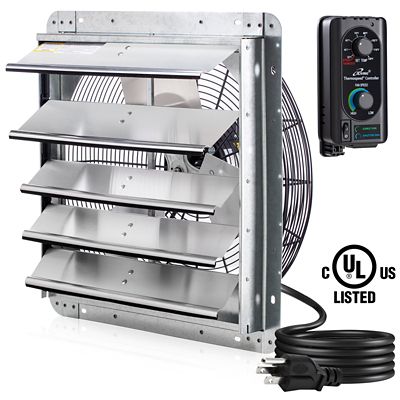
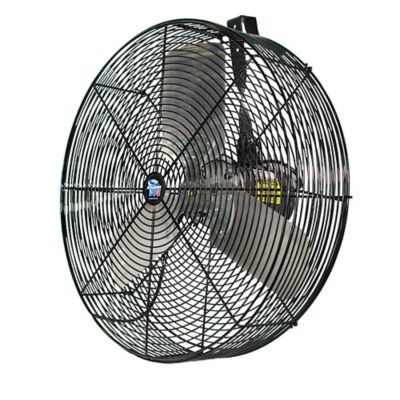
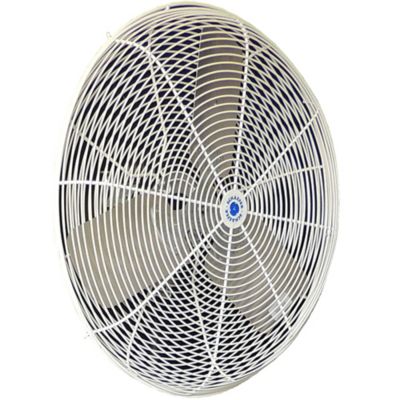
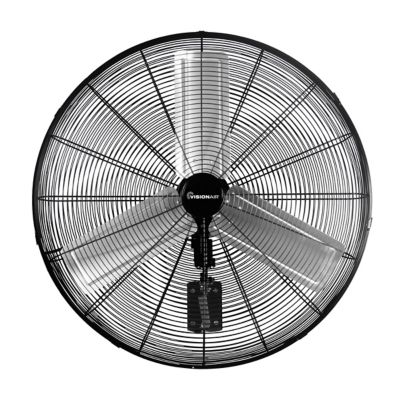
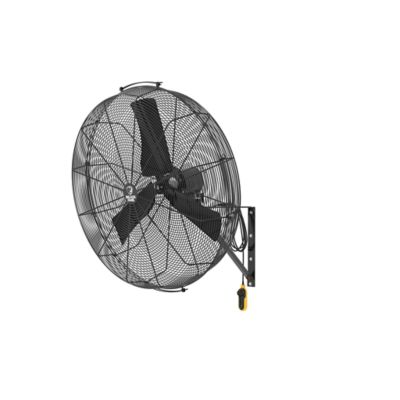
Commercial wall mounted fans help move air where floor space is already spoken for. In a barn, shop, warehouse, livestock area, garage, greenhouse, or work bay, mounting a fan up and out of the way keeps walkways, counters, stalls, and equipment lanes clear while still creating a steady breeze. They can help break up hot, stagnant pockets of air, improve comfort around workstations, and support better airflow in spaces where doors, windows, and ceiling fans do not reach every corner. During the cooler months, that circulation can still be useful, especially in enclosed shops and storage buildings where machinery, heaters, animals, or several people working together can make the air feel heavy. A wall-mounted design is a practical fit for places where a portable fan would get bumped, covered in dust, or take up valuable room. They are commonly used by farmers, ranchers, mechanics, warehouse crews, maintenance teams, shop owners, and anyone managing a busy work area. A fan may also make a thoughtful gift for someone setting up a new garage workshop, improving a small business space, or spending long hours in a barn or equipment shed. Before choosing one, take a good look at the room and the work happening inside it. Measure the available wall space, check the height and condition of the mounting surface, and think about where people stand, where equipment moves, and how air naturally travels through the building. A sturdy fan mounted in the right spot can make a noticeable difference; one aimed at a wall, blocked by shelving, or installed too close to an obstruction may not perform as well as expected.
When comparing commercial wall mounted fans, start with airflow and coverage rather than appearance alone. Airflow ratings can help you compare the amount of air different fans move, but the best choice depends on the size of the room, ceiling height, layout, and how much circulation is needed at the work area. A fan with an oscillating function can sweep air across a broader section of a shop or barn, while a fixed-position fan may be better when a direct stream needs to stay aimed at a particular bench, stall row, loading area, or doorway. Multiple speed settings give you more control as conditions change, from a lighter breeze while sorting feed to stronger circulation during strenuous work or warmer stretches of the season. Look for controls that are easy to reach and simple to operate, especially when the fan will be used by more than one person or in a dusty work environment. Noise matters, too. A little motor sound may not be a concern in a machinery shop, but a quieter option can be more comfortable near an office corner, retail area, tack room, or animal housing. Protective guards are important wherever employees, children, pets, or livestock may be nearby, and a solid mounting bracket helps keep the fan steady through regular use. In larger facilities, you may need more than one fan to avoid dead spots and create a balanced airflow pattern. For broad facility planning and heavier-duty ventilation needs, explore
Industrial Fans for Warehouses as another way to compare solutions for large spaces.
Installation and upkeep deserve just as much attention as airflow. Commercial wall mounted fans should be secured to a sound wall or structural support using hardware suited to the surface, with enough clearance around the blades and housing for safe operation and routine cleaning. If the fan will be installed in a damp area, near wash-down zones, or where moisture and dust are common, review the product’s intended environment and electrical requirements before putting it into service. Follow the manufacturer’s instructions, and have electrical work handled by a qualified professional when a new outlet, hardwiring, or other permanent connection is needed. Keep cords away from walkways, moving equipment, heat sources, and sharp edges. Once the fan is running, check that it sits level, does not wobble, and does not produce unusual rattling or grinding sounds. Dust, hay, sawdust, chaff, and shop debris can collect on guards and blades over time, reducing airflow and adding strain to the motor, so make cleaning part of the regular shop or barn routine. Disconnect power before cleaning, use the tools and methods recommended for the fan, and inspect brackets, guards, fasteners, and cords from time to time. As the weather warms, proper airflow can make a hot workday easier to handle; during cooler weather, it can help keep enclosed spaces from feeling stale when doors stay closed. Choosing the right commercial wall mounted fan comes down to matching the fan’s capacity, controls, construction, and mounting needs with the daily demands of the space.