Industrial Fans
Find industrial fans to help keep air moving in your shop, barn, or workspace. Browse the selection with your space in mind, and compare airflow, fan size, and placement needs to find a fit for the job.
Best Of FAQ
What types of industrial fans are available?
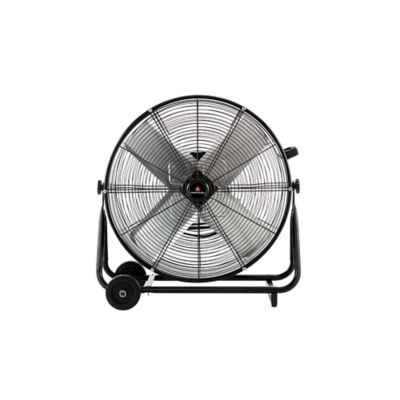
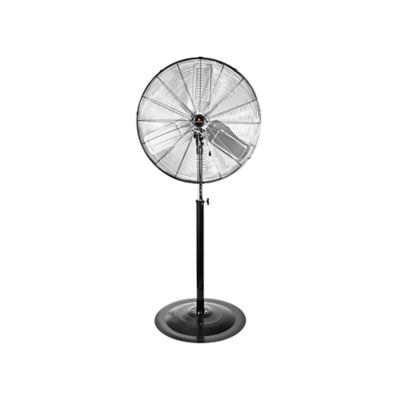
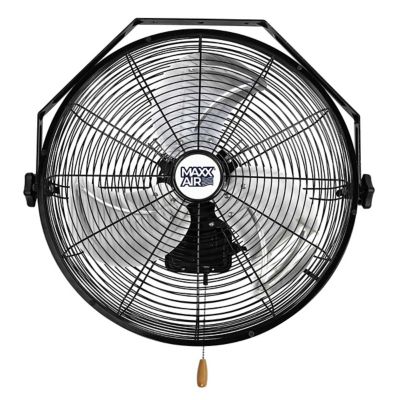
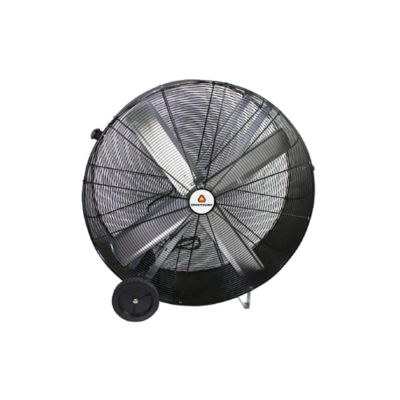
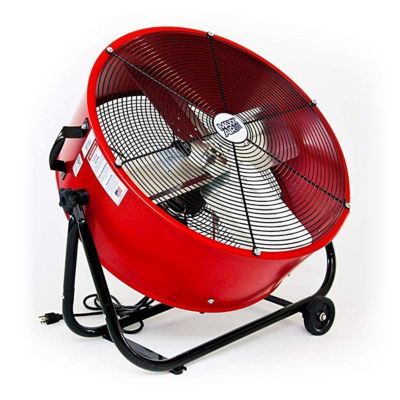
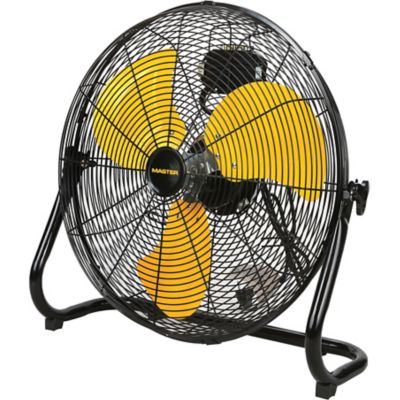
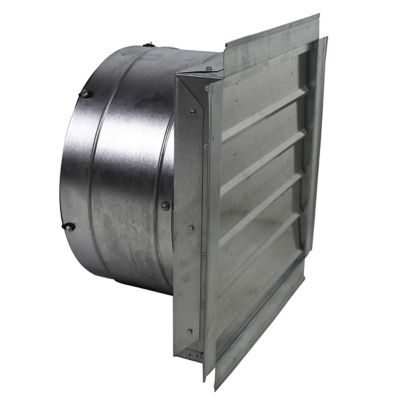
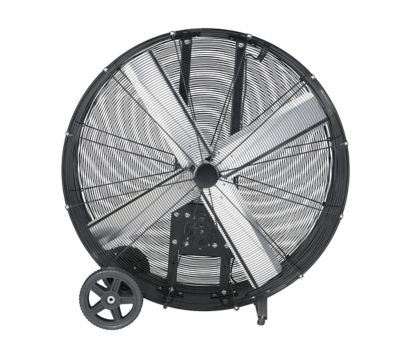
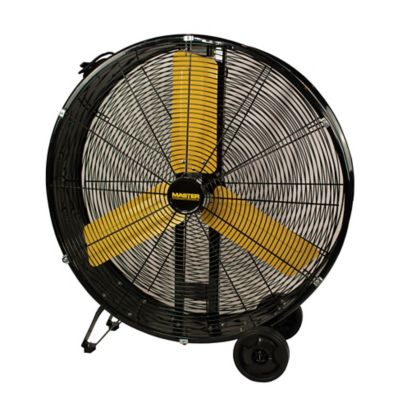
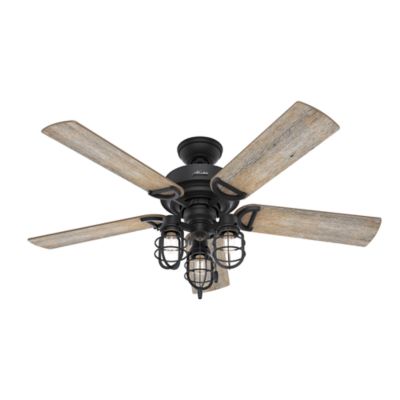
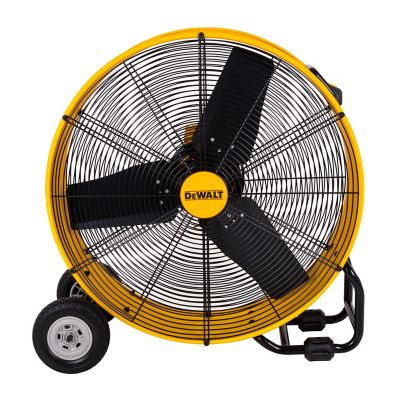
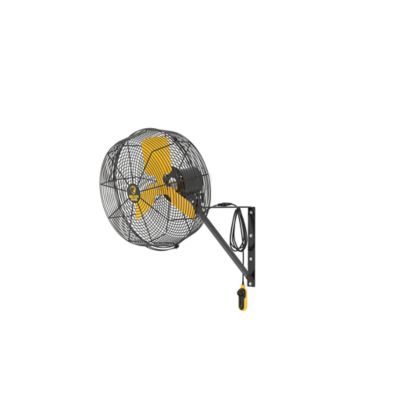
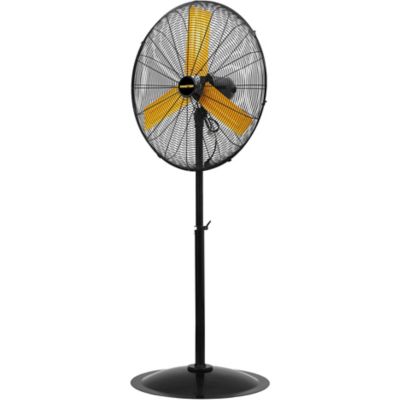
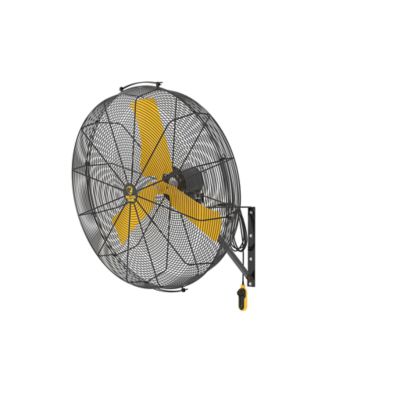
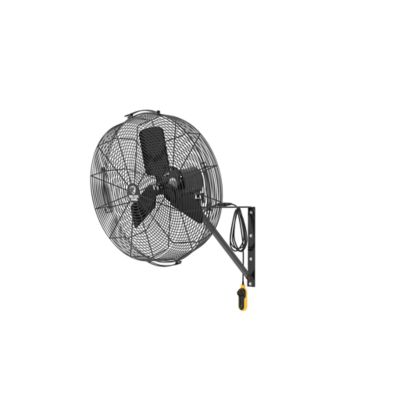
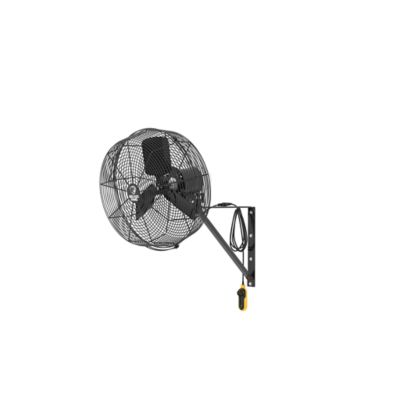
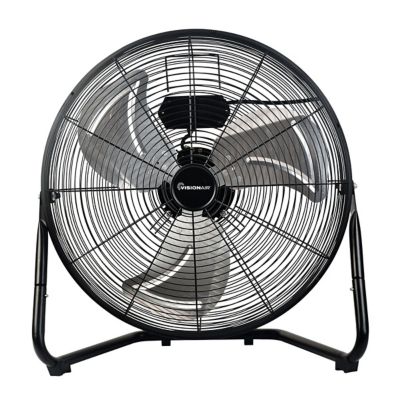
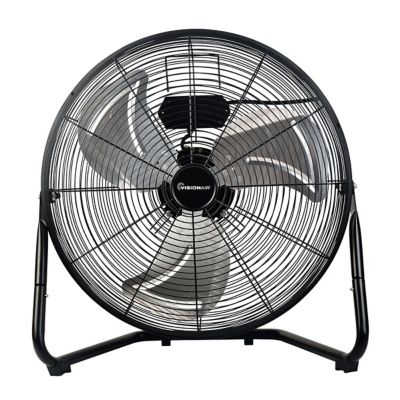
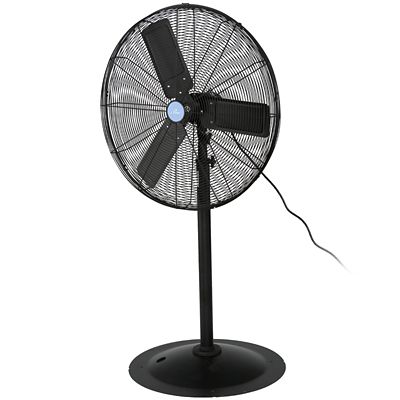
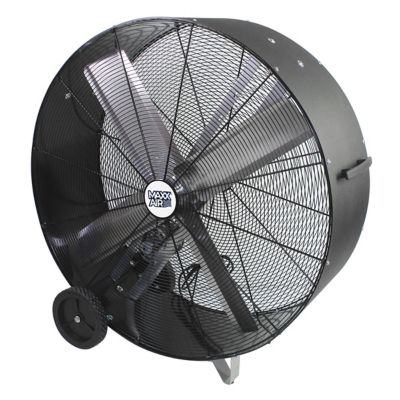
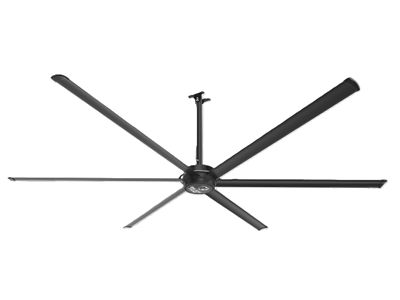
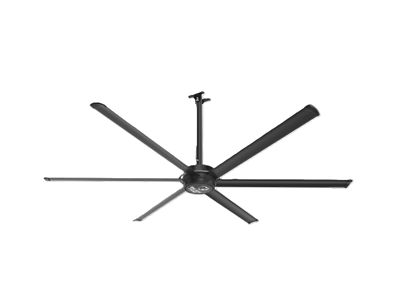
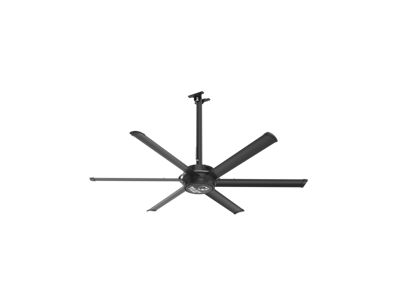
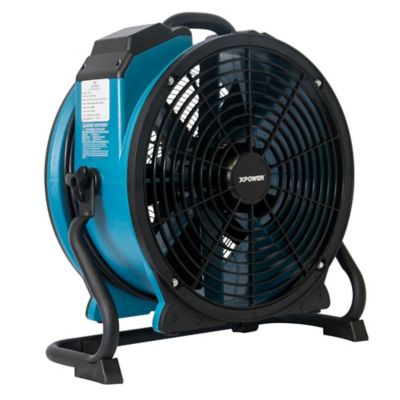
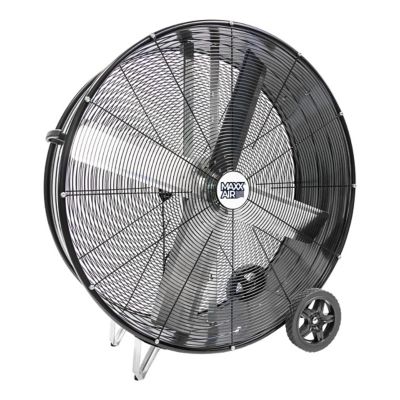
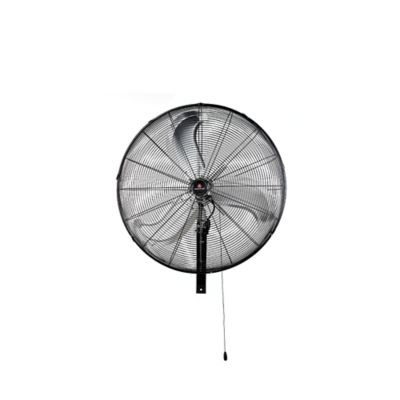
Common types include floor, pedestal, wall-mount and ceiling-mount fans. Floor fans sit near ground level, pedestal fans stand on a raised support, and wall- or ceiling-mount models attach to a fixed spot in a shop, barn or work area.
What’s the difference between belt-drive and direct-drive industrial fans?
A belt-drive fan has a belt and pulleys connecting the motor to the fan shaft. A direct-drive fan connects the fan assembly directly to the motor shaft, with no drive belt.
What does oscillating mean on an industrial fan?
An oscillating fan turns back and forth while running. A non-oscillating fan stays pointed in one direction, though some models let you manually adjust the tilt or angle.
What control options do industrial fans have?
Depending on the model, industrial fans may have rotary knobs, pull chains, push buttons, wall controls or remote controls. Speed settings may be stepped, such as low, medium and high, or variable through a dial.
What do single-phase and three-phase mean for industrial fans?
These terms describe the electrical power supply the fan’s motor is designed for. Single-phase power is common in homes and many farm shops, while three-phase power is common in industrial facilities and some larger farm operations. The motor specifications list the required power type.
Best Sellers
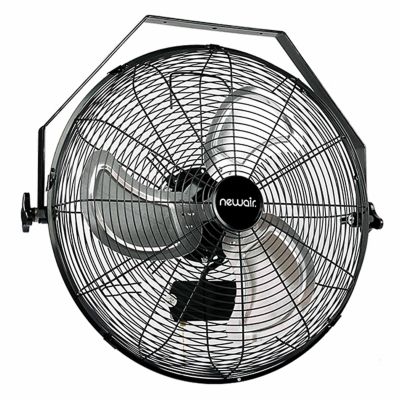
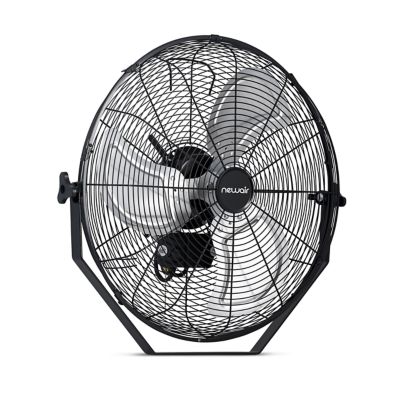
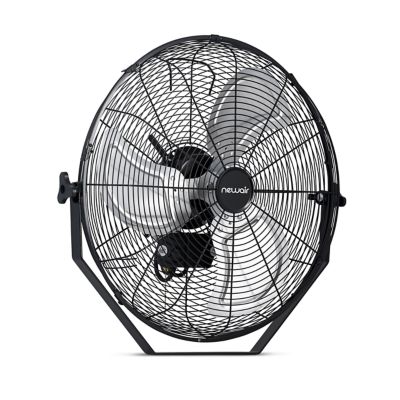
-
"Works great and blows strong. My horses love it"
-
"I absolutely love this fan. I have had mine for a few years now and it is the absolute best"
-
"Great fan love the variable speed"
-
"Works great and blows strong. My horses love it"
-
"I’ve had this fan for 2 years and it is one of the best fans I’ve ever purchased"