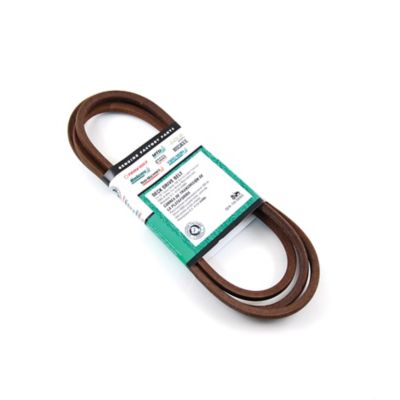
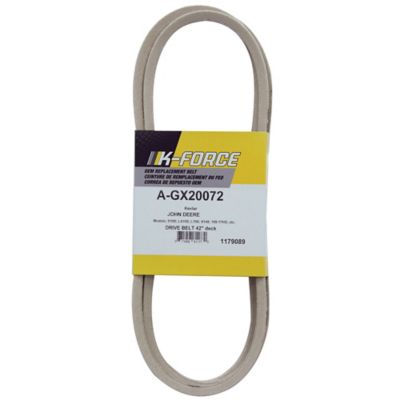
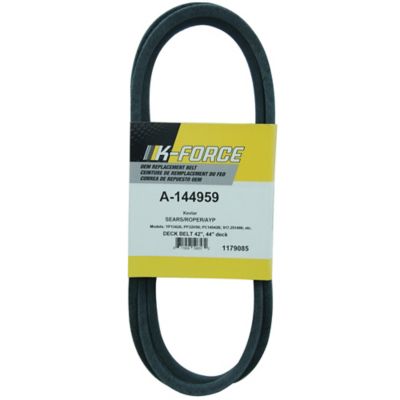
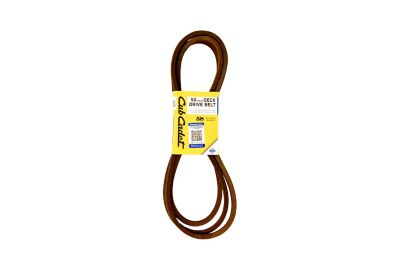
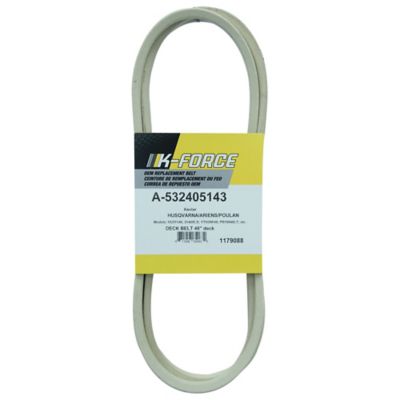
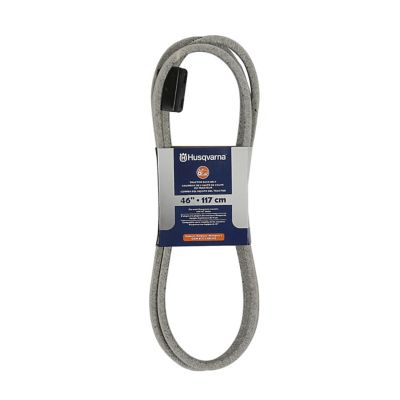
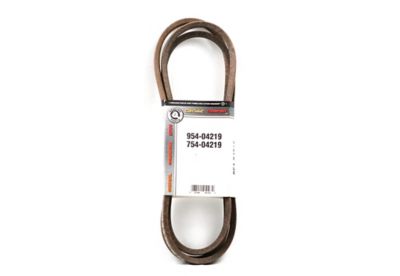
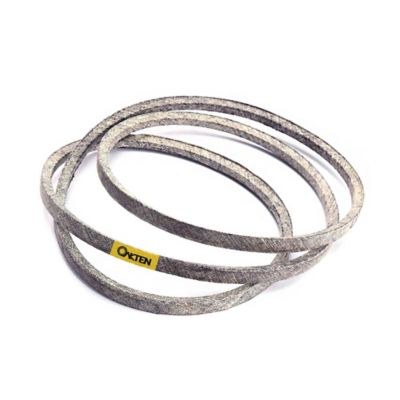
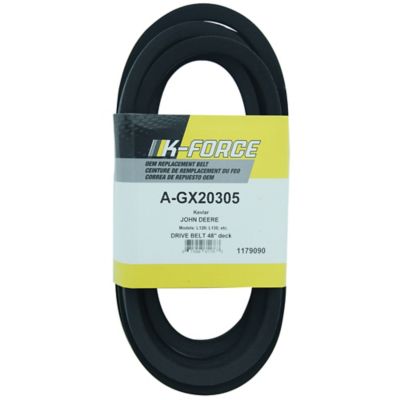
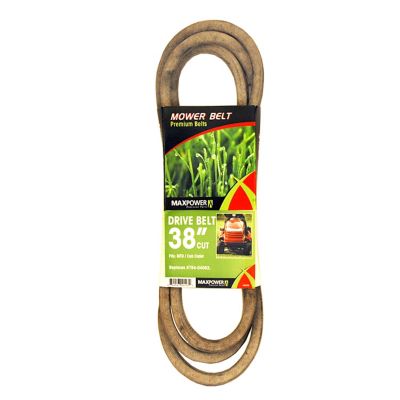
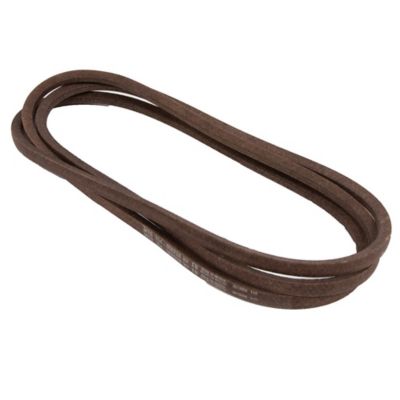
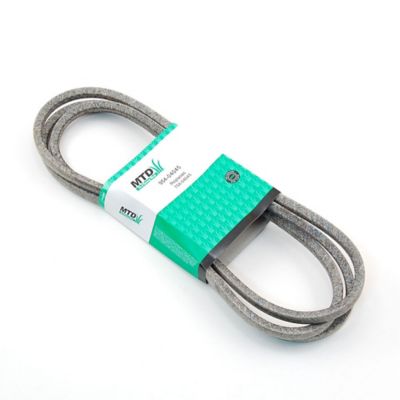
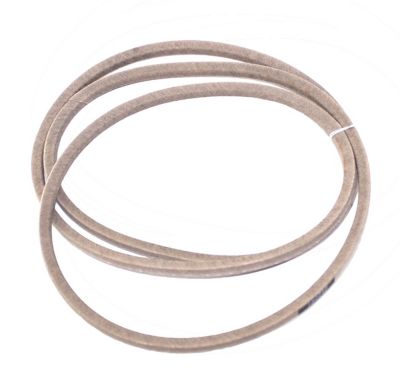
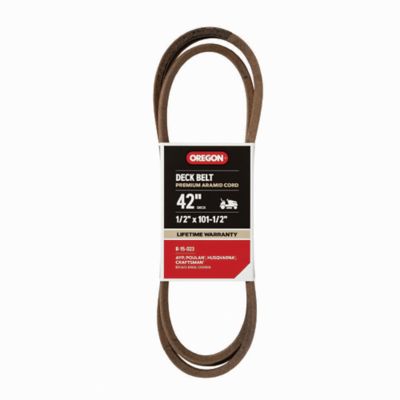
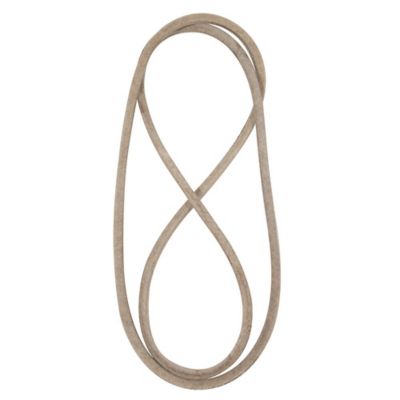
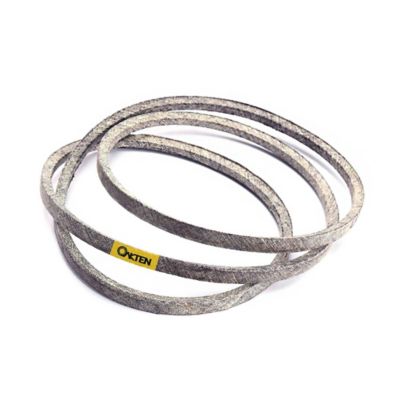
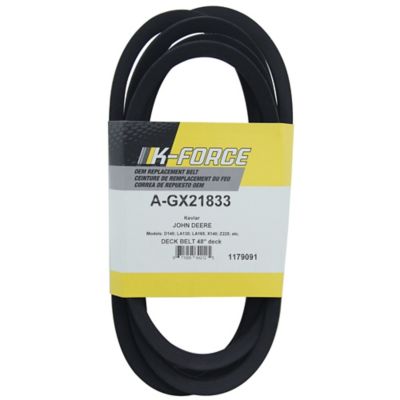
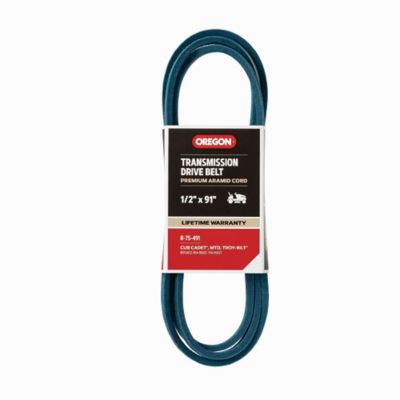
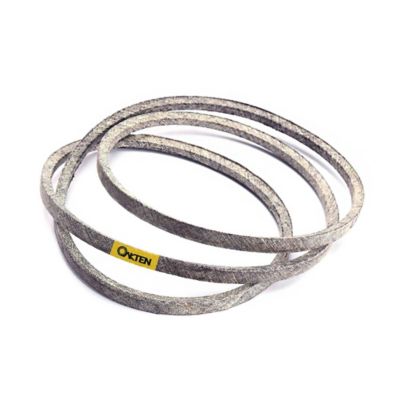
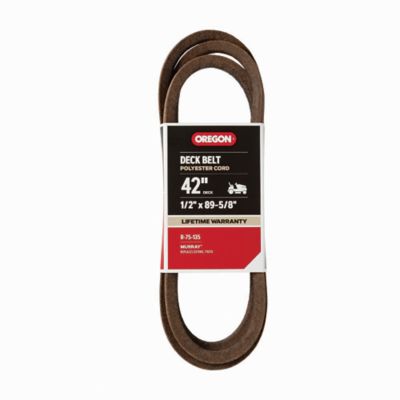
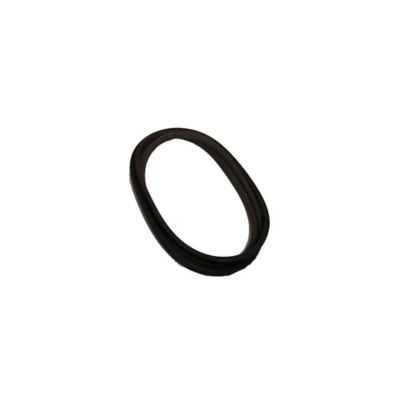
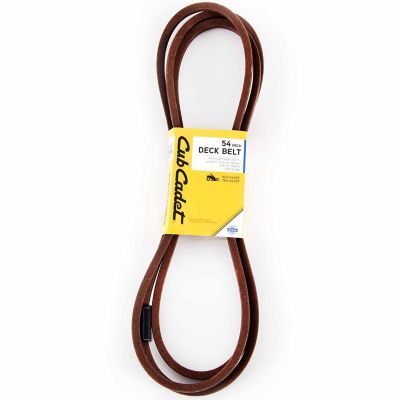
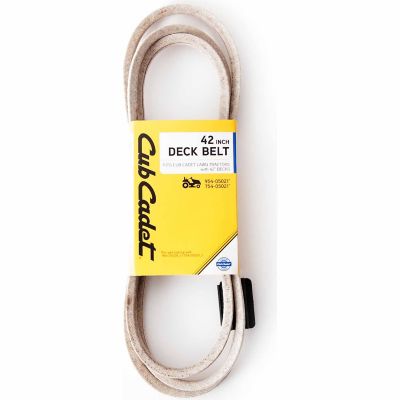
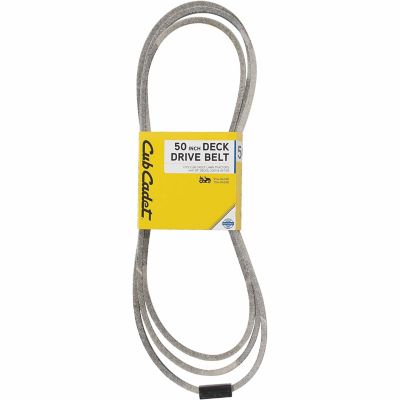
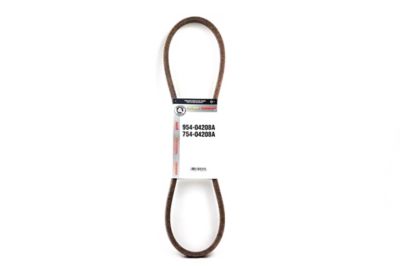
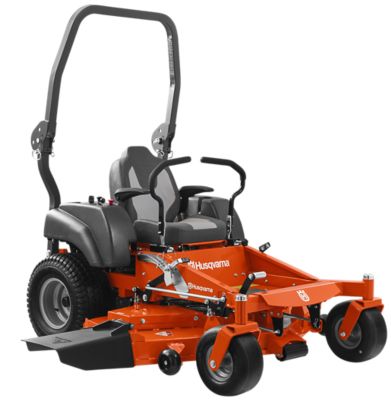
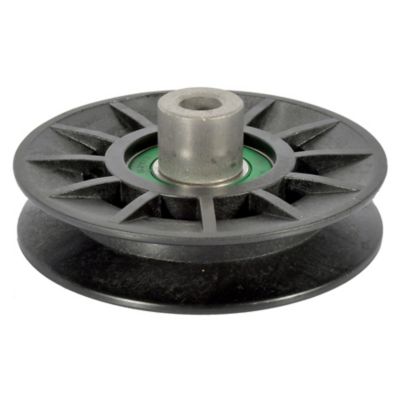
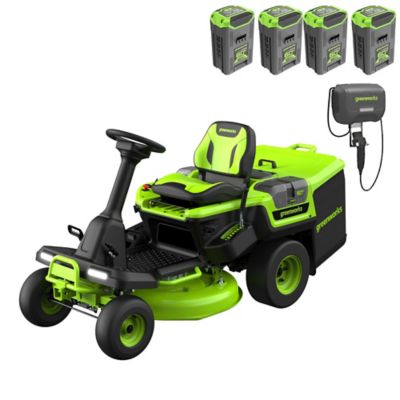
Riding lawn mower deck belts carry power from the engine-driven pulley or clutch to the deck pulleys that turn the cutting blades. They are separate from the drive belt that moves the mower, so a machine that travels normally can still have a deck belt problem. On some decks, a single belt runs the cutting system; other designs have more than one belt working between the clutch, spindles and pulleys. These replacement parts help keep lawn tractors and other riding mowers ready for everything from the grass around the house to a broad mowing area beside the barn. A belt has to grip where it should, bend around its pulley path and work within the tension range the deck was built for. Too little grip can let the belt slip under a cutting load, while the wrong fit can put extra strain on the tensioning system. Squealing when the blades engage, a smell of hot rubber, frayed edges or blades that slow noticeably in grass can point to belt trouble, though pulleys, bearings and other deck components can cause similar symptoms. A fresh belt is not a cure for every rough-running deck. Riding mower deck belts work as part of a cutting system that also depends on sound pulleys, freely turning spindle bearings and blades maintained to the mower manufacturer’s specifications. For folks handling their own equipment upkeep, the goal is straightforward: getting proper power transfer back to the blades without replacing parts that still have plenty of work left in them. For someone looking after several mowing areas, identifying the right belt also makes future maintenance less of a guessing game. The useful details are the mower’s identification information, the installed deck and the belt specification—not just how similar two belts look hanging side by side.
Fit starts with the mower’s full model number, any applicable serial-number range and the cutting deck installed on that machine. Deck width matters, but width alone does not identify a replacement belt. Two mowers with the same cutting width may have different pulley layouts, clutch arrangements or belt lengths, and a mower model may have more than one deck configuration. The belt part number in the equipment manual or parts diagram gives a stronger starting point than a measurement taken from a worn belt. Markings on the old belt can help, too, provided they remain readable and match the deck’s requirements. Belt length, top width and cross-sectional shape all affect how the replacement seats in the pulley grooves. Length listings may refer to different measurement conventions, so matching a number without checking its meaning can lead to the wrong fit. Stretch, wear and missing material can also make an old belt a poor measuring pattern. A model-focused page such as
Troy Bilt Riding Mower Belt can help narrow the search, while the mower and deck identification details still determine compatibility. Construction is another consideration once the fit is settled. Depending on the design, mower deck belts may combine a rubber compound with polyester or aramid tensile cords that help control stretching under load. Fabric coverings and other surface treatments may help manage wear and engagement characteristics. Some belts have a smooth profile, while others have molded notches that allow bending around smaller pulleys; those designs are not automatically interchangeable. Certain deck layouts also call for profiles that transmit power on more than one side of the belt. The right construction follows the equipment specification rather than a general claim that one material or shape is best for every mower. A longer belt, a wider belt or a heavier-looking belt is not an upgrade when the deck calls for something else.
Service life depends on both the belt and the conditions inside the cutting deck’s drive system. Every trip around the pulleys brings repeated flexing, and blade engagement adds a changing load. Long mowing runs, frequent starts and stops, and thick patches of grass can all put that system to work. A correctly matched belt helps handle those demands, but sharp blades, a clear discharge path and mowing practices suited to the machine matter as well. Grass packed around the belt path can interfere with moving components, while oil or fuel contamination can damage belt materials. A rough pulley groove, loose spindle or misaligned belt keeper can wear through a replacement long before expected. That is why belt condition is worth looking at alongside the surrounding hardware rather than on its own. With the mower parked, the engine off and the equipment secured against accidental starting as directed in the manual, visible cracks, separated layers, exposed cords and heavily polished surfaces are signs that deserve attention. Access, routing and tensioning arrangements vary by mower, and the deck’s routing diagram helps distinguish the intended path from one that merely seems to fit. Spring-loaded idlers and other tensioning parts also need to move and hold tension as designed; a shorter belt is no substitute for correcting a worn tensioning component. Between mowing jobs, keeping the deck area clear of buildup supports easier inspection and helps prevent debris from crowding the belt path. An extra replacement belt belongs in a dry location away from direct sunlight, oil, solvents and sources of excessive heat, without tight folds or kinks. Keeping its identification information with the mower’s maintenance records makes the next match simpler. Whether the mower handles a small acreage or a long stretch around outbuildings, the right deck belt belongs to a well-matched system that keeps power moving to the blades.