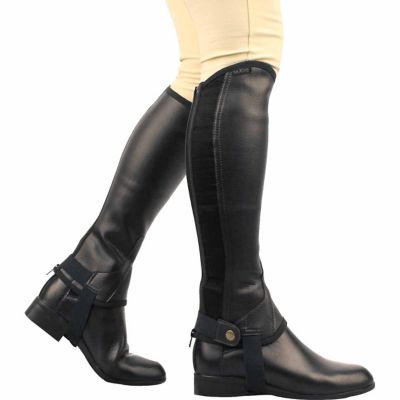
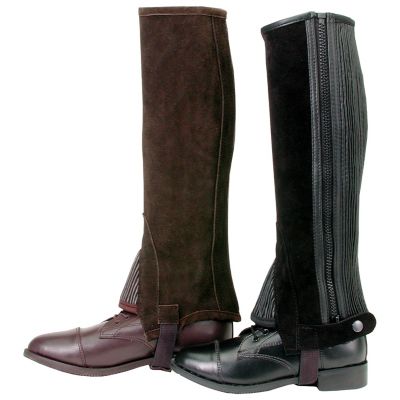
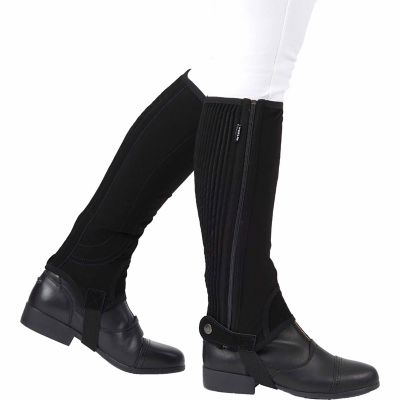
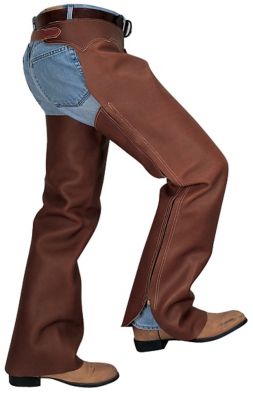
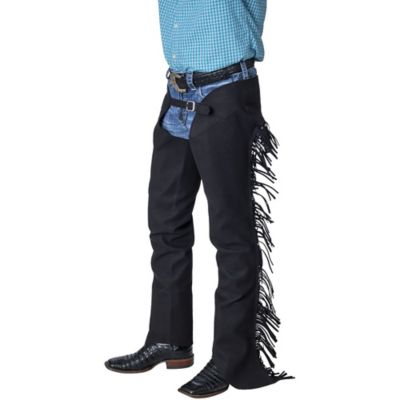
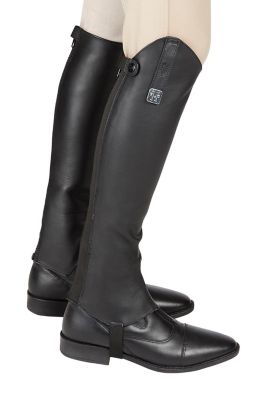
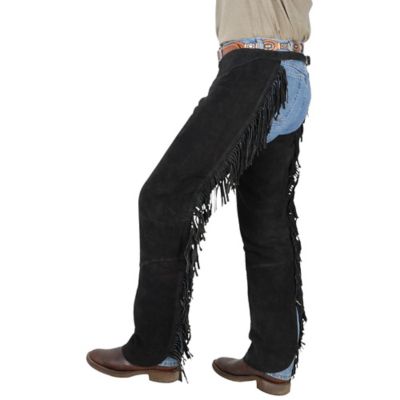
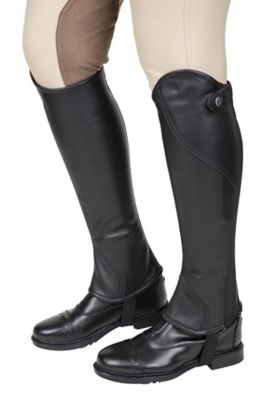
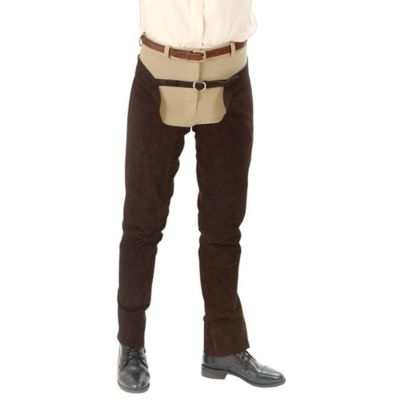
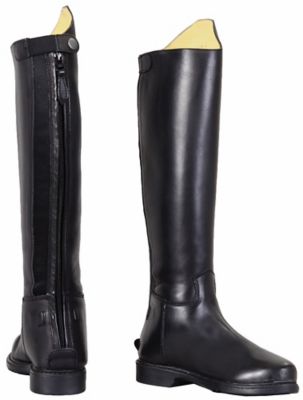
Horseback riding chaps are leather, suede, or synthetic leg coverings worn over riding pants to help protect a rider’s legs from rubbing against saddle equipment, brushing through vegetation, and everyday scuffs around the barn. Depending on their material and design, they can also add grip where the leg meets the saddle. They leave the seat uncovered, giving riders protection along the legs without adding another full layer of pants. The main styles serve different purposes, so the right choice starts with the kind of riding ahead. Full-length Western chaps cover much of the leg and fasten around the waist, making them a familiar choice for ranch work, trail riding, and certain show events. Shotgun chaps have a closer-fitting leg, often with a zipper running down each side, while batwing chaps have a broader cut with more room through the lower leg. That extra sweep changes how the leather moves when a rider steps into the saddle, walks across the yard, or swings a leg over a gate. Chinks are shorter, generally reaching below the knee, and offer upper-leg coverage with less material around the lower leg. Half chaps cover the calf and ankle rather than the thigh. Paired with suitable paddock boots, they help reduce rubbing from stirrup leathers and give the lower leg a smoother surface against the saddle. They are common for lessons, schooling, and everyday riding, though competition rules may call for different footwear or attire. A rider spending hours checking fence has different needs from someone taking a weekly arena lesson, and neither needs extra material getting in the way. Chaps should suit the rider’s discipline, saddle, and usual clothing. They can help make saddle time more comfortable, but they do not replace sound riding position, properly fitted boots, or other appropriate riding equipment. For beginners and experienced riders alike, choosing the right style is about matching coverage and freedom of movement to the work at hand.
Material makes a noticeable difference in how riding chaps feel, break in, and handle regular wear. Smooth leather offers a substantial barrier against abrasion and generally develops more flexibility with wear and appropriate care. Its thickness matters: heavier leather can suit demanding ranch work, while a lighter hide may feel easier to move in during routine riding. Suede has a textured surface that can provide traction against the saddle, though it tends to hold dust and needs a different cleaning approach from finished leather. Synthetic chaps vary widely in texture, stretch, and care requirements; some offer a flexible feel and straightforward wipe-down cleaning. Stretch panels can help a close-fitting design accommodate the calf without pulling hard against a zipper. Reinforced inner-leg areas, even stitching, and neatly finished edges are worth a close look because those spots see repeated contact and movement. Fit deserves just as much attention as fabric or leather. Take measurements over the pants and boots that will normally go under the chaps, and follow the sizing directions for the particular style. For half chaps, calf circumference and lower-leg height both matter. A pair that fits around the calf but sits too high may press behind the knee, while a loose ankle can bunch above the boot. The fit should feel snug without causing numbness, pinching, or restricted movement. Full-length chaps need enough room through the thigh to sit comfortably, with waist adjustment that holds them in place without digging in. Check the length with riding boots on, since excess material near the heel can drag or catch underfoot. Bend each knee, sit down, and take a few walking steps to spot pulling or bunching before heading to the mounting block. Zippers, buckles, snaps, and straps should close without a struggle and lie where they will not rub the horse or interfere with the saddle. Fringe and other trim should stay clear of moving equipment, and competition riders should check attire rules before choosing a show style.
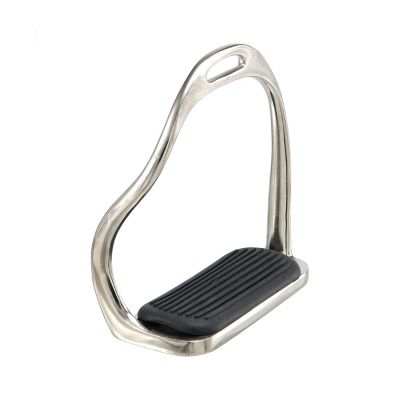
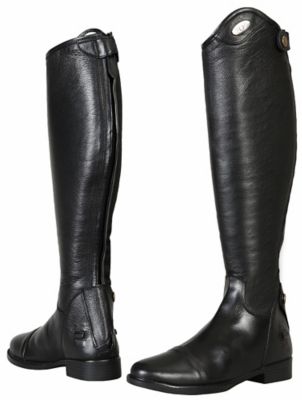
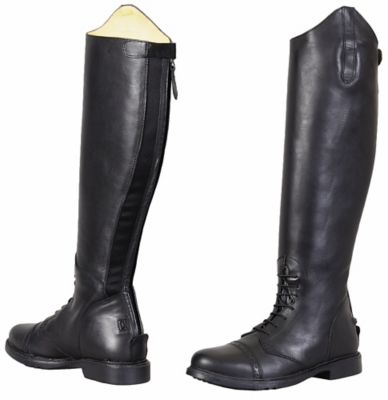
Good care starts with knowing which material is in hand rather than treating every pair of equestrian chaps the same way. After a ride, brush away loose dirt and inspect the inner legs, seams, and closures, where grit can collect and repeated rubbing takes its toll. Finished leather generally benefits from gentle cleaning with a suitable leather cleaner, followed by conditioning when the maker recommends it. Too much conditioner can leave leather overly soft or greasy, so a light application is usually more sensible than soaking the surface. Test any treatment on an inconspicuous spot first, especially on lighter colors or contrasting trim. Suede calls for a suede brush and products intended for that finish; ordinary leather oils can darken it and flatten its texture. Synthetic materials may need only a damp cloth or another cleaning method listed on the care label. Machine washing is appropriate only when the label specifically allows it. If chaps get wet during cleaning, let them air-dry away from direct heat, and avoid putting them away damp. Hang full-length styles so the legs rest naturally, and store half chaps without sharply folding the ankle or zipper. Before each ride, check for loose stitching, cracked straps, missing snaps, and zipper teeth that no longer engage cleanly. Repairs made early can keep a small problem from turning into a split seam halfway through a ride. Chaps also need to work alongside the rest of the riding setup. Properly fitted boots and
horse stirrups help support sensible foot placement, while chaps should stay clear of the stirrup opening and allow the ankle to move freely. When giving riding chaps as a gift, the recipient’s measurements and riding discipline matter more than guessing from everyday clothing size. Whether the day involves a lesson, a long stretch of trail, or checking cattle from horseback, well-fitting chaps should let the rider concentrate on the horse instead of a twisting calf, a tight waistband, or leather rubbing behind the knee.