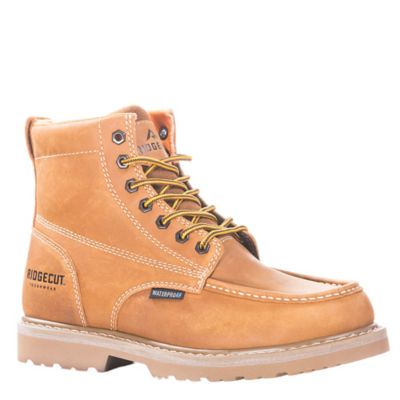
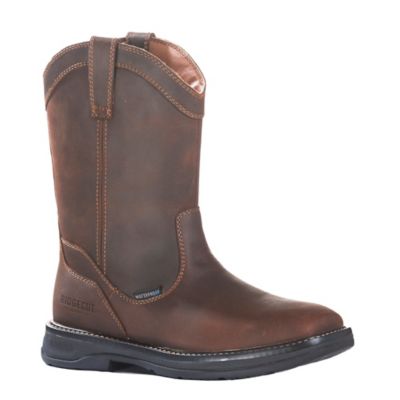
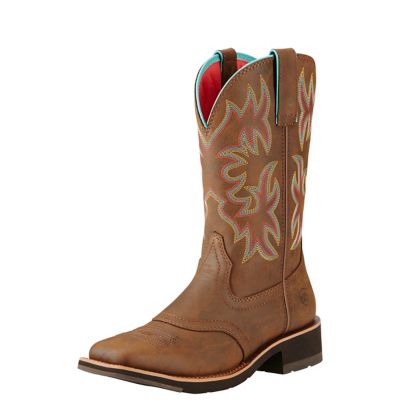
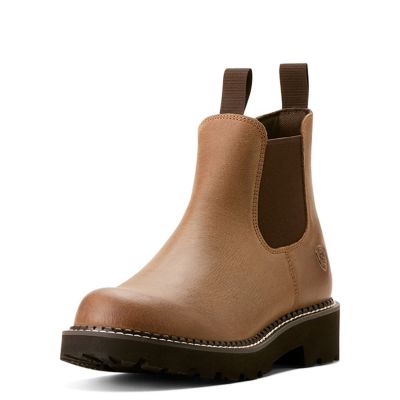
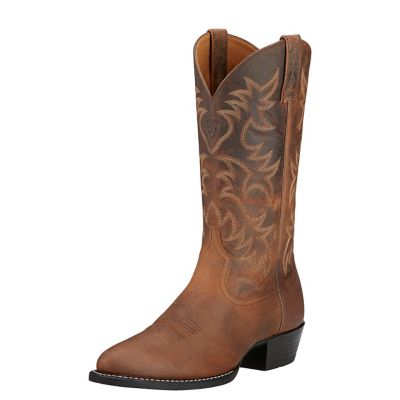
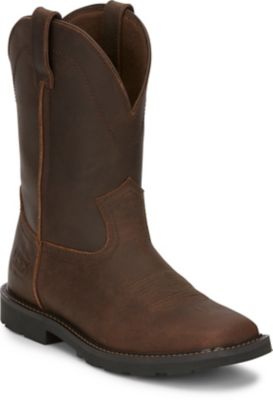
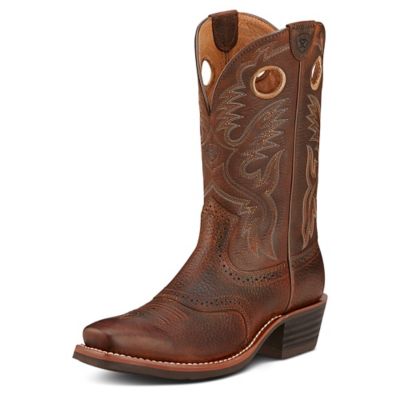
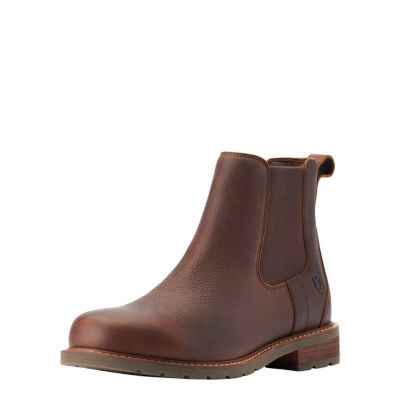
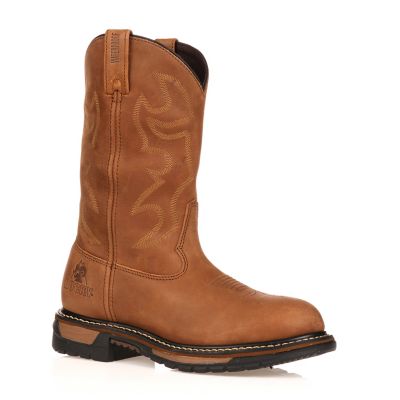
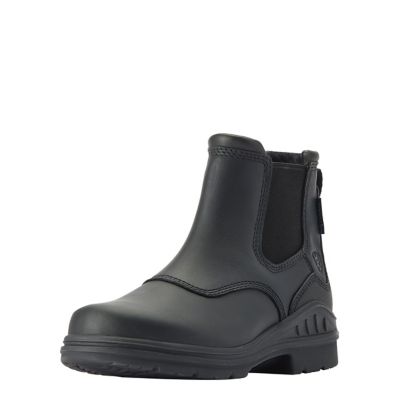
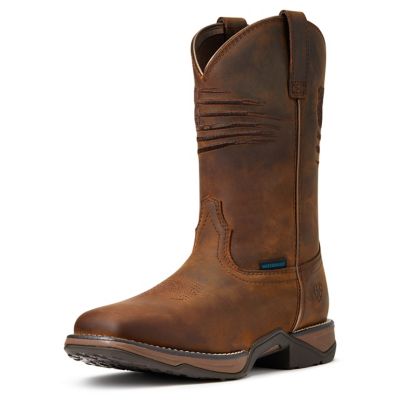
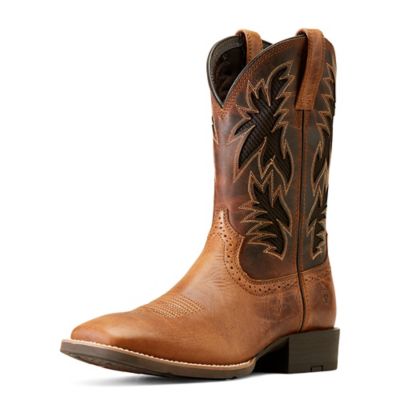
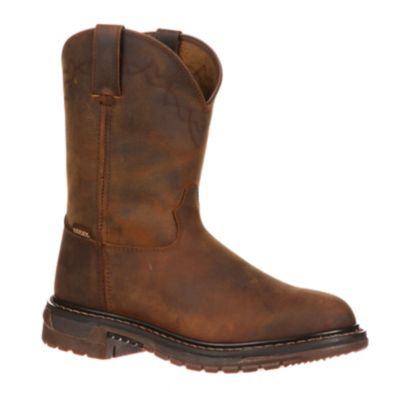
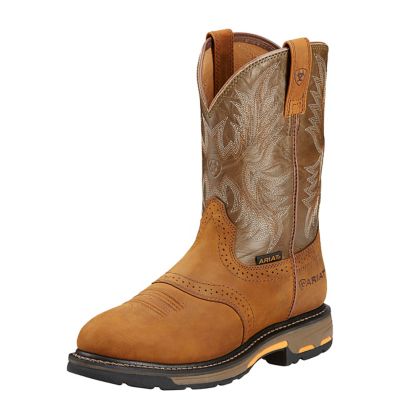
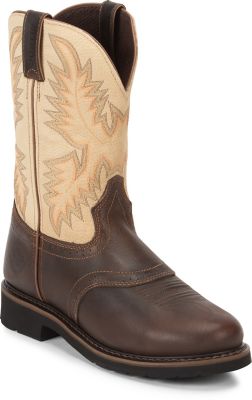
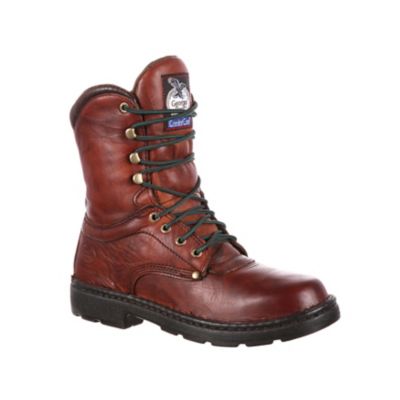
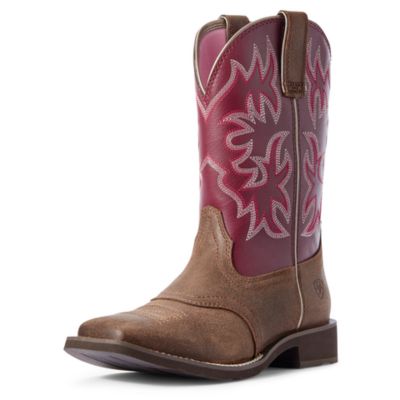
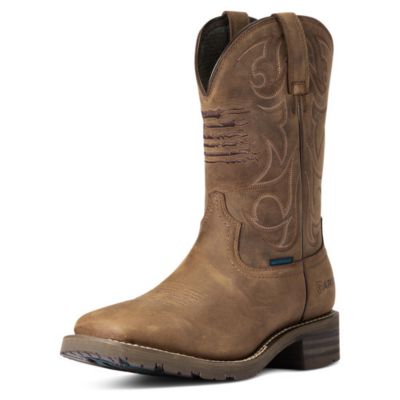
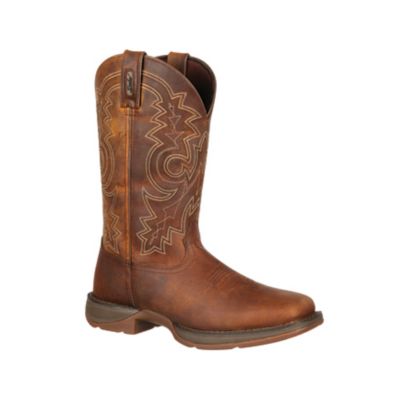
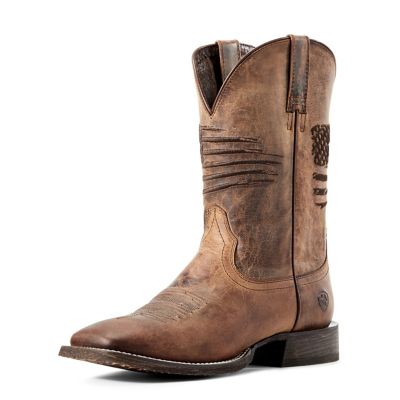
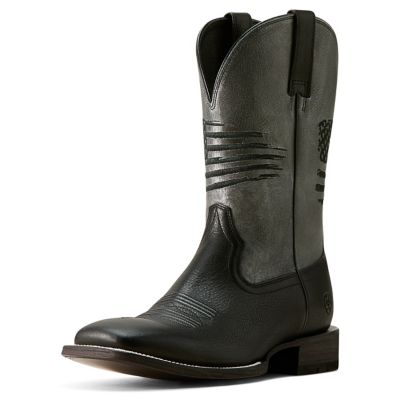
Leather riding boots bring together the feel of leather, a defined heel and a close-fitting shape that works well around the saddle. The category includes tall English riding boots, ankle-height paddock boots, Western riding styles and fashion boots with an equestrian look. Their shapes may overlap, but their purposes do not always match. Boots intended for horseback riding need a heel and sole profile suited to riding, with enough clearance in the stirrup for the foot to release rather than wedge in place. A tall shaft alone does not make a boot suitable for saddle time, and a heavily lugged work sole is not automatically a good choice for riding. For lessons, schooling and other English riding activities, tall boots provide coverage along the lower leg, while paddock boots often pair with half chaps for a similar close-contact feel. Field boots have lacing over the instep, allowing some flexibility through the ankle; dress boots have a cleaner front without that lacing. Requirements vary by discipline and competition, so the intended activity matters more than looks alone. Western riding boots generally have a pull-on shaft and a heel shaped for riding, although boots with Western styling still need a closer look at their intended use. For everyday wear, riding-inspired leather boots offer a simple silhouette that pairs easily with jeans, leggings or a skirt without needing competition features. A rider heading from the tack room to a lesson may value ankle flexibility and an unobtrusive zipper, while someone dressing for a trip into town may care more about calf room and ease of walking. Beginners, longtime horse owners and riders getting back in the saddle can all benefit from distinguishing riding footwear from riding-inspired fashion. The best starting point is the job the boots need to do: support comfortable movement in the saddle, handle time on foot or finish an everyday outfit. That distinction helps narrow the choices without getting sidetracked by stitching, buckles or shaft height.
Leather type, construction and fit influence how riding boots feel from the first try-on through regular wear. Full-grain leather retains its natural surface and can develop a softened appearance with care, while other leather finishes may offer a more even look or a different feel under the hand. Thickness, tanning and finishing all affect flexibility, so two leather boots can feel quite different even when their shapes look alike. Softer leather may flex readily at the ankle, while a firmer shaft may take longer to settle. Neither should require putting up with numb toes, sharp pressure or rubbing that breaks the skin. Leather can ease somewhat across flex points, but a boot that is too short will not gain the length needed for a comfortable fit. Try riding boots with the socks normally worn for riding and, for tall styles, with breeches or riding tights. Foot length is only part of the picture: width, instep volume, ankle shape, calf circumference and shaft height all play a role. Tall boots should close without forcing the zipper or pulling the leather tightly across the calf. They also need enough room behind the knee for comfortable bending; many tall styles settle somewhat at the ankle during break-in, but the expected amount depends on their construction. Paddock boots should hold the foot securely without pinching across the instep, and pull-on Western boots may allow a small amount of heel movement when new. A roomy heel that lets the whole foot shift is a different matter. Walking, sitting and bending the knees during a try-on can reveal pressure points that standing still misses. Cushioning and lining can make long stretches on foot more pleasant, though extra thickness also changes the space inside the boot. Riders who wear orthotic inserts should account for that space before settling on a size. Closures deserve attention, too: laces allow adjustment over the foot, zippers simplify entry, and elastic panels provide some give without replacing the need for the right measurements.
Good care helps leather riding boots keep their shape, flex comfortably and stand up to repeated wear. Arena dust, dried mud and grit can collect around stitching, sole edges and zipper teeth, so a quick cleanup after a ride does more than keep the leather looking tidy. Remove loose dirt with a soft brush or cloth, then follow the boot maker’s directions for cleaning the particular leather finish. Smooth leather, suede and nubuck do not all take the same cleaners or conditioners. For smooth leather that calls for conditioning, a small amount of a suitable leather conditioner can help prevent excessive dryness; too much can leave buildup or soften areas that need structure. Test care products in an inconspicuous spot, since some treatments darken leather. Let damp boots dry naturally away from direct heat, and store tall styles upright with suitable supports to limit sharp creases and collapsing shafts. Unzip boots fully before taking them off rather than tugging against a partly closed zipper, and keep grit out of the closure so it runs freely. Regularly checking heel wear, loose stitching and sole separation can catch problems before they interfere with a ride. Depending on construction, a boot repair professional may be able to replace worn heels or soles, extending the working life of a well-fitting pair. Appearance matters, too, especially for boots that spend time beyond the barn. Black leather gives tall riding silhouettes a crisp, understated look, while
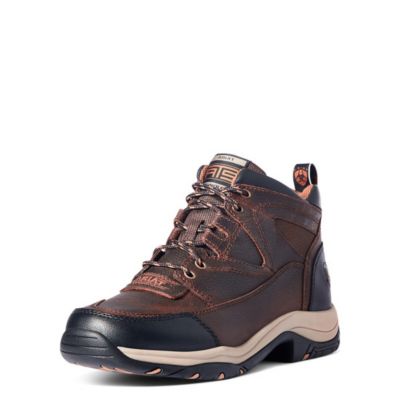
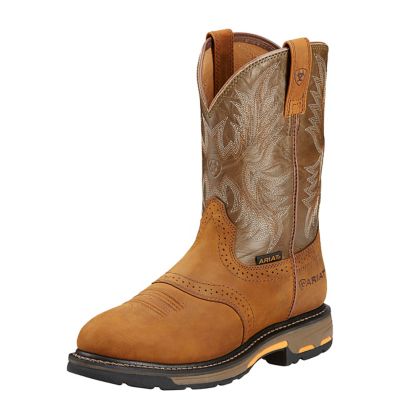
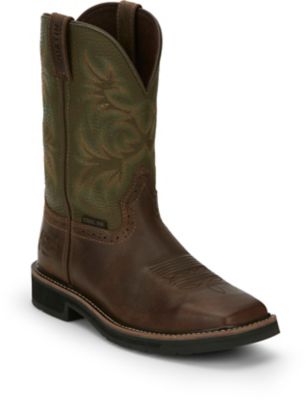
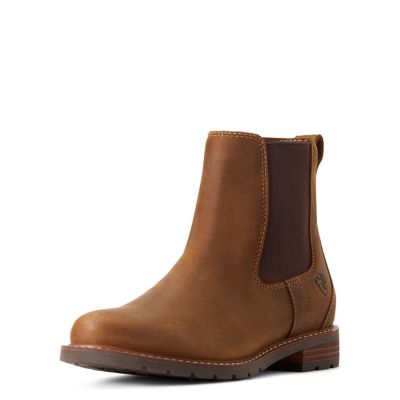
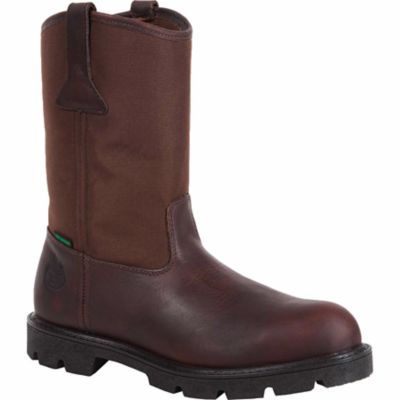
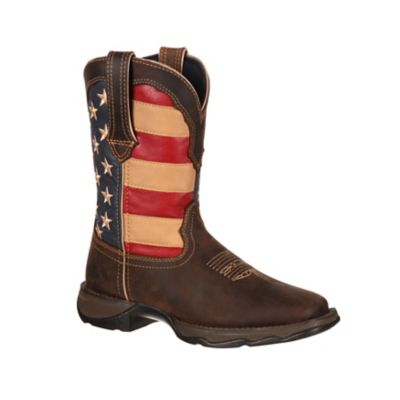
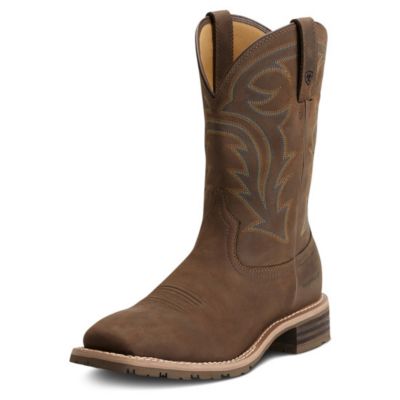
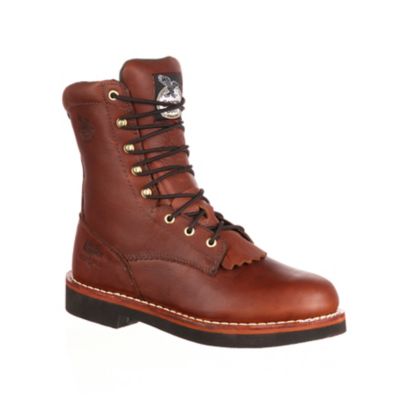
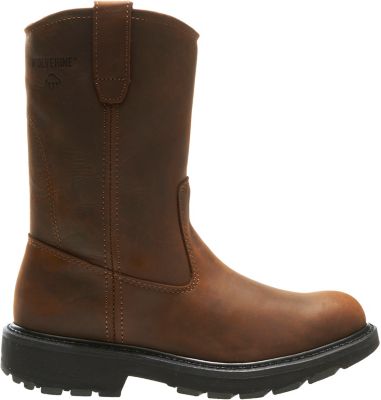
Brown Leather Boots offer earthy shades that sit naturally alongside denim, canvas and leather belts. Color alone does not determine riding suitability, so keep function first when saddle time is part of the plan. As a gift for a horse enthusiast, leather riding boots call for more than knowing a shoe size. Calf and height measurements, riding discipline and preferred closures help make the choice personal and practical. Whether the boots are for weekly lessons, days spent around horses or everyday outfits, a comfortable fit and sensible care matter long after the first wear.