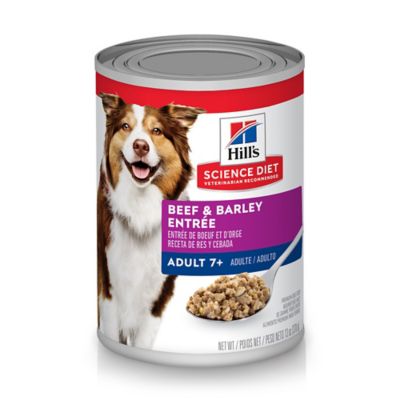
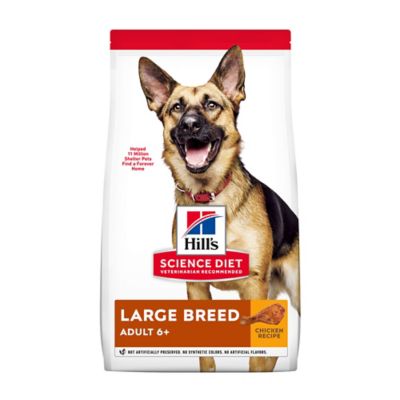
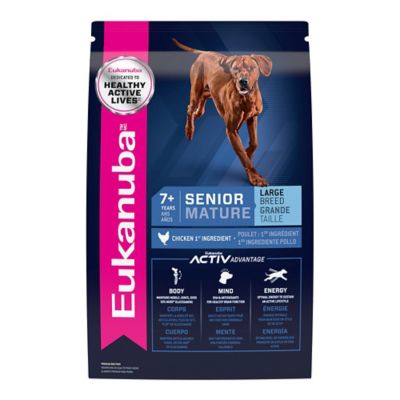
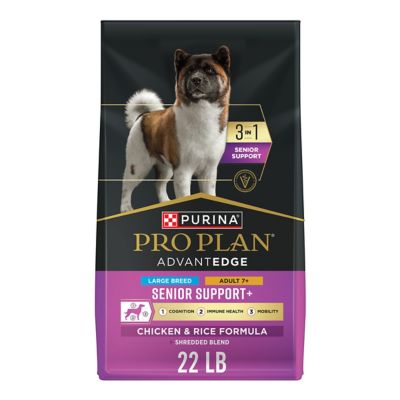
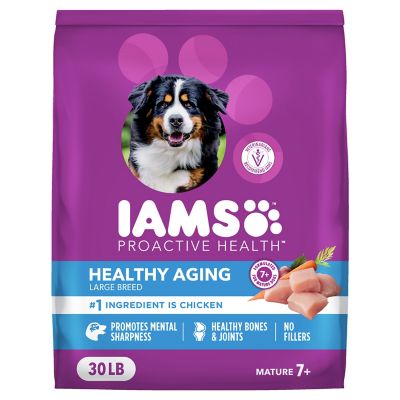
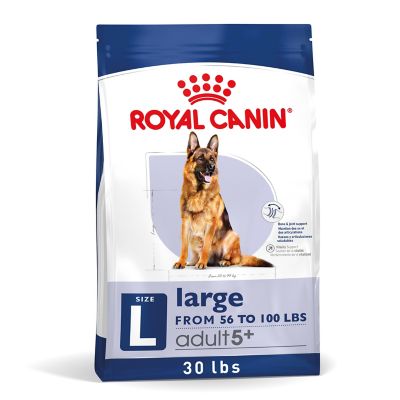
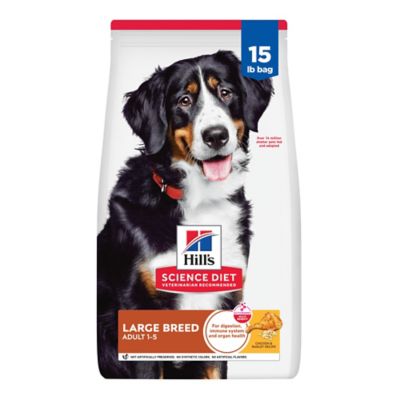
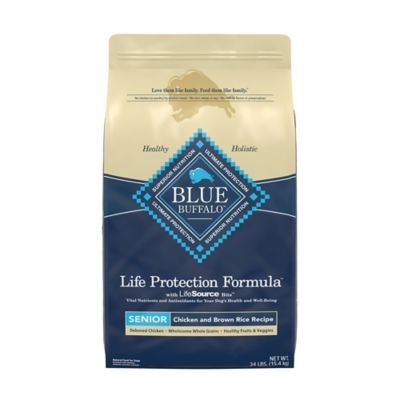
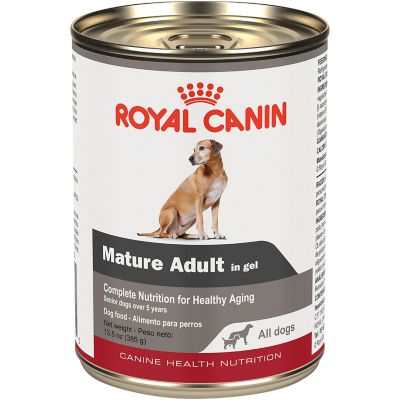
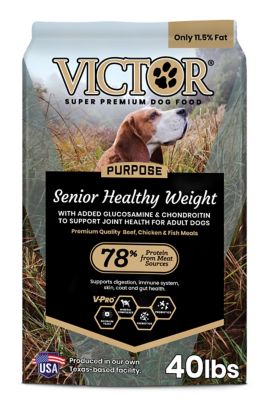
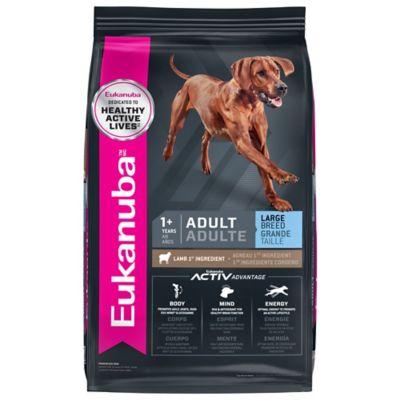
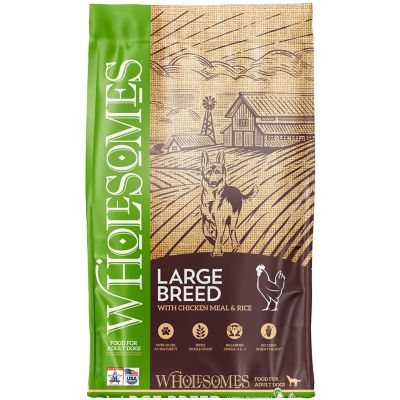
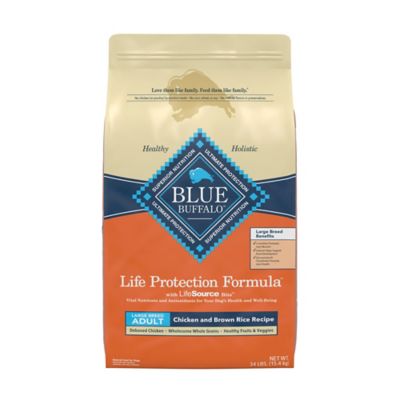
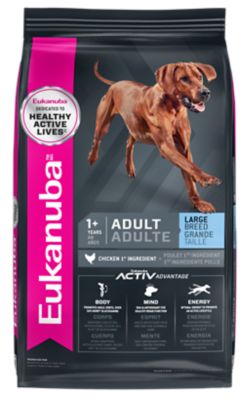
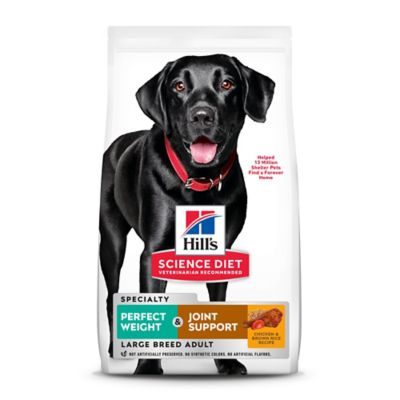
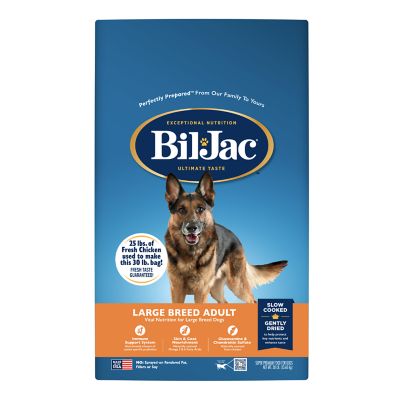
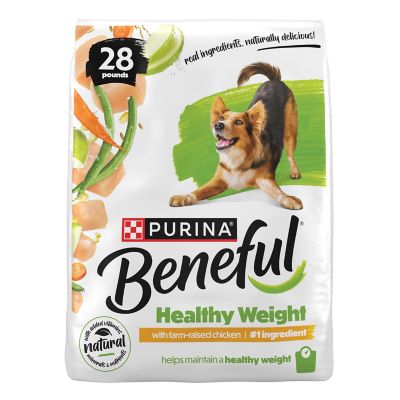
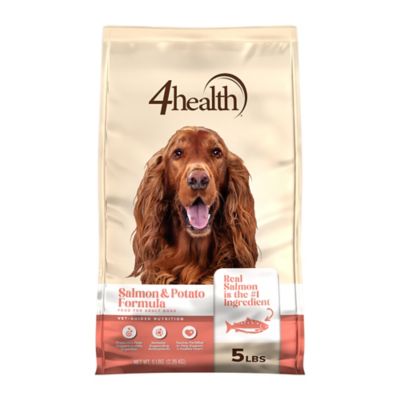
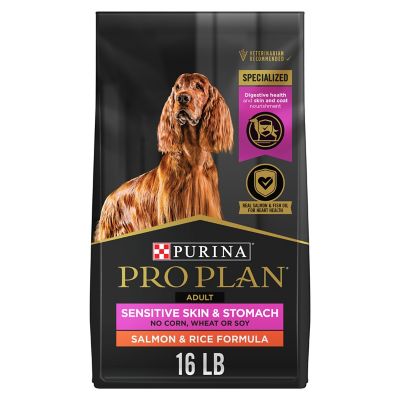
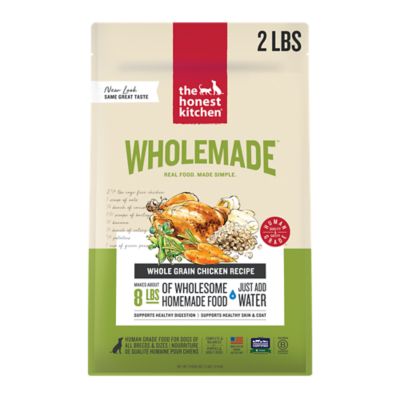
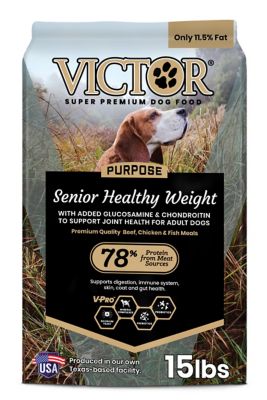
Large breed dogs often enter their senior years earlier than smaller dogs, commonly around 5 to 7 years old, though the right timing depends on breed, size, activity level and overall health. A big dog that once bounded across the pasture or hauled a favorite toy up the porch steps may still have plenty of good years ahead, but his food needs can change as his pace slows. Large breed senior dog food is made with those changes in mind, offering balanced nutrition for older dogs that may burn fewer calories while still needing enough protein to help maintain lean muscle. Controlled calories and moderate fat can help support a healthy weight, which matters because every extra pound puts more work on aging hips, knees, elbows and backs. Look for a complete and balanced formula suited to your dog’s life stage, along with clearly listed animal-based protein and easy-to-digest ingredients. Some senior recipes include glucosamine and chondroitin to support aging joints, while omega-3 fatty acids such as EPA and DHA may help support skin, coat, brain and normal inflammatory response. Antioxidants, prebiotics or other carefully selected nutrients may also be included to support overall wellness and digestion. Because large dogs can be prone to joint strain and age-related changes in mobility, a senior formula can be a practical part of a daily routine alongside regular exercise, a comfortable bed and routine veterinary care. For a broader look at food options for aging dogs, browse
Senior Dog Food and compare recipes by your dog’s age, size and individual needs.
When choosing food for a large breed senior, start with the details that are easiest to overlook. Check the feeding chart, but treat it as a starting point rather than a hard rule. A 90-pound dog that spends his days checking fence lines will need a different amount than a dog of the same size who prefers the cool kitchen floor and a short evening walk. Weighing your dog every so often, watching his body condition and adjusting portions with your veterinarian can help keep him trim without leaving him hungry or short on nourishment. Large-breed recipes may use a bigger kibble size that encourages slower eating and is easier for some dogs to pick up, although tooth condition, jaw comfort and personal preference still matter. If your dog has trouble chewing, a softer texture or moistened meal may be more comfortable. Older dogs can also become more sensitive to sudden changes, so transition gradually over about a week by mixing increasing amounts of the new food with the old. Keep fresh water available, especially during warm weather or after outdoor activity. Ingredients such as highly digestible proteins can help support muscle while being gentler on the stomach, and balanced mineral levels are important for senior dogs. Some formulas are made with adjusted sodium or phosphorus, but dietary changes for kidney, heart, liver or other medical concerns should be guided by a veterinarian rather than chosen from the label alone. The same goes for dogs with allergies, recurring digestive trouble, diabetes, arthritis or a history of urinary problems. A veterinarian can help match calories, protein, minerals and supplements to your dog’s bloodwork, weight and stage of life.
Large breed senior dog food can be useful for families caring for an aging companion, rescue groups placing older dogs in new homes, or anyone welcoming a senior dog into the family. It can also make a thoughtful, practical gift for a neighbor, relative or friend whose older dog is part of the household, especially when paired with a sturdy food storage container, a raised bowl or a washable bed. Before giving food as a gift, confirm the dog’s current recipe, allergies and feeding plan; a familiar bag or a gift card is often kinder than making a sudden switch. During the warmer season, store dry food in a cool, dry place away from direct sun, and measure meals carefully when walks become shorter or outdoor time changes. As cooler months settle in, many older dogs enjoy extra rest but still benefit from gentle, regular movement to help preserve strength and mobility. Break food into consistent meals, keep treats within the daily calorie allowance and pay attention to small changes, such as leaving food behind, drinking more, dropping weight, gaining weight, moving stiffly or losing interest in favorite activities. Those signs deserve a call to the veterinarian, particularly in a large senior dog, since early attention can make a meaningful difference. With the right portions, steady routines and nutrition suited to an older large-breed body, mealtime can continue to support the dog who has spent years riding along in the truck, watching over the yard and greeting every member of the family at the gate.