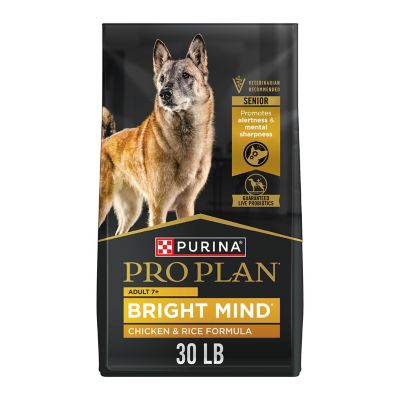
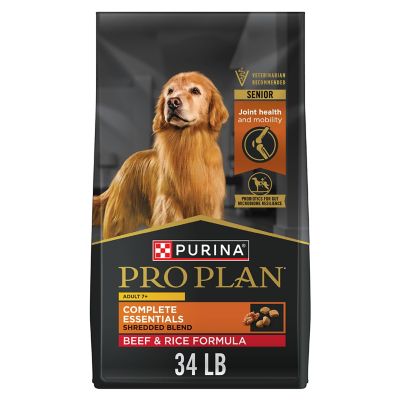
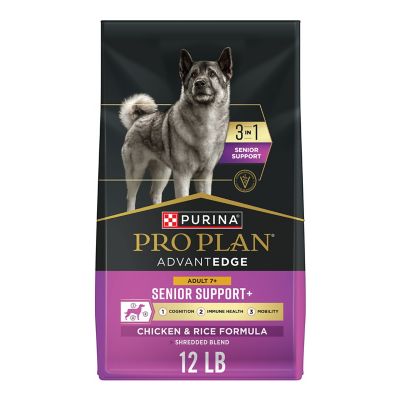
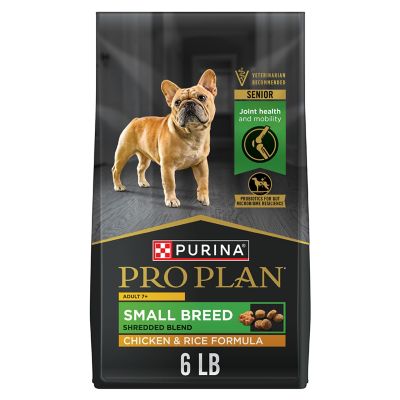
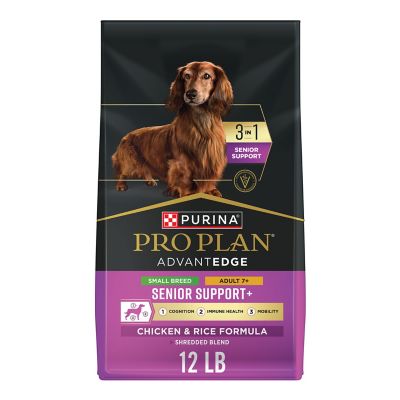
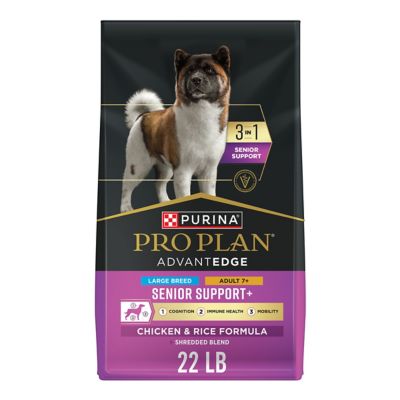
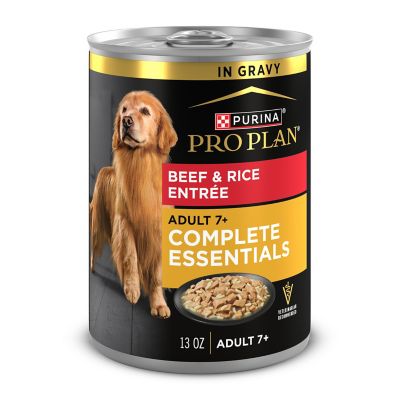
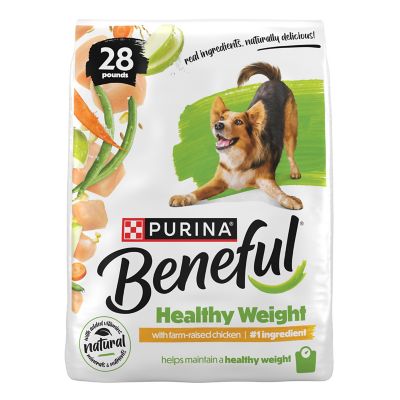
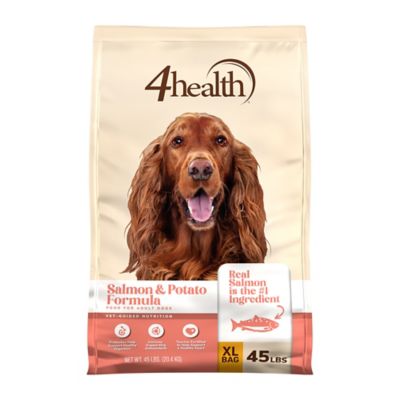
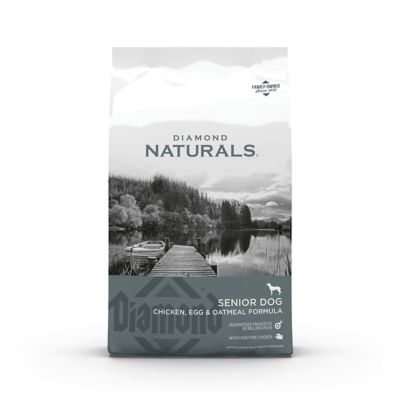
Senior dog food is formulated for the changing nutritional needs of older dogs, with many recipes intended for dogs age 7 and older. Depending on the formula, that can mean support for muscle maintenance, joint mobility, digestive health, immune function, or cognitive health. Age alone does not tell the whole story, though. A big farm companion may enter the senior stage sooner than a smaller house dog, and two dogs of the same age can have very different appetites, activity levels, and body condition. The dog still eager to walk the fence line may need a different calorie intake than the one content to watch chores from the porch. Senior dog nutrition is about matching food to that individual routine while keeping meals complete and balanced. Protein supplies amino acids that help maintain muscle, while fat provides energy and helps the body absorb certain vitamins. Fiber can help support normal digestion and stool consistency, and some recipes include prebiotic fiber to nourish beneficial intestinal bacteria. Certain formulas also contain omega-3 fatty acids, antioxidants, or ingredients intended to support joint health. Those features vary, so the package label matters more than a broad promise about aging. A nutritional adequacy statement identifies whether a food provides complete and balanced nutrition for its stated life stage; senior is not a separate nutritional profile established by the Association of American Feed Control Officials. Many foods marketed for senior dogs meet adult maintenance requirements. For shoppers comparing senior dog food, useful details include the intended age range, calorie content, feeding directions, protein and fat levels, and any stated nutritional benefits. A veterinarian can help connect those details to an older dog’s needs, especially when weight, appetite, mobility, or behavior has changed. That keeps the choice grounded in the dog at the feed bowl rather than the birthday on the calendar. Regular checkups also help distinguish ordinary changes in routine from concerns that deserve closer attention, since a different food cannot explain or address every sign of aging.
Dry and wet senior dog food offer different textures and serving options, and the best fit often comes down to eating habits, dental comfort, and the household routine. Dry kibble is easy to measure and portion, with shapes and sizes that may suit some mouths better than others. An older small dog may handle a smaller bite more comfortably, while a larger dog may prefer a different kibble size. Wet food brings more moisture to the bowl and has a softer texture that some older dogs find appealing. It can be served as a complete meal when its nutritional adequacy statement supports that use, or combined with another complete food while accounting for the calories in both. A spoonful added for taste still contributes to the daily total, just like treats from a pocket during a walk down the lane. Texture preferences are worth noticing, but dropping food, chewing on one side, or suddenly refusing hard food calls for a veterinary dental check rather than simply covering up the change with a softer meal. Calorie density deserves the same attention as texture. Senior dogs do not all need reduced-calorie food, and an older dog losing weight may need a very different approach from one carrying extra pounds. Measured portions make those differences easier to manage, particularly when more than one person handles feeding. A standard measuring cup can help, while a kitchen scale offers more consistent portions when the feeding directions provide weights. Keeping treats and toppers within the daily calorie plan leaves room for balanced meals to supply most of the nutrition. Fresh drinking water should stay within easy reach, whether meals are dry, wet, or a combination. For dogs that tire easily or have trouble getting their footing, a quiet feeding spot with a nonslip surface can make mealtime more comfortable without changing the food itself. A bowl away from busy doorways also gives a slower eater time to finish without another pet crowding in.
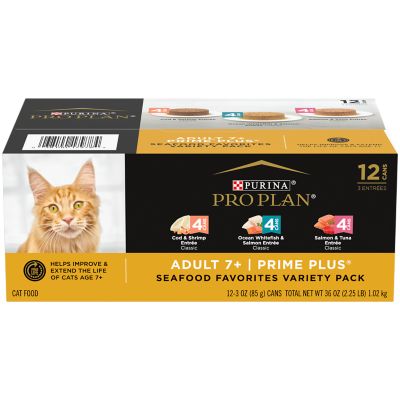
Feeding an older dog also means paying attention to how food fits into everyday care after the package comes home. A gradual transition over about a week, or longer when a veterinarian recommends it, gives the digestive system time to adjust to a new recipe. Mixing increasing amounts of the new food with decreasing amounts of the previous food can make that change gentler, while appetite and stool consistency provide useful feedback. Persistent vomiting, diarrhea, unexplained weight loss, increased thirst, or a marked change in eating habits needs veterinary attention rather than repeated food switching. Dogs with kidney disease, diabetes, food allergies, or other diagnosed conditions may need a veterinarian-directed diet instead of a general senior formula. For everyday storage, dry food belongs in a cool, dry place with the original packaging retained for feeding directions, lot information, and the best-by date. If a storage bin is part of the setup, keeping the food in its original bag inside the bin helps preserve that information and makes cleanup simpler between bags. Opened wet food should be covered, refrigerated, and handled according to the label, with leftovers in the bowl cleared away promptly. Washing food bowls after meals and cleaning water bowls regularly are small chores that help keep feeding areas fresh. In homes with several animals, separate feeding spaces also make it easier to notice who is eating and how much. A dog that wanders over to the cat’s dish may be getting extra calories without anyone seeing it happen. Households shopping for both species can browse
Purina Pro Plan Wet Cat Food for feline meals, while keeping each pet on food formulated for its own nutritional needs. With the right nutritional fit, sensible portions, and attention to everyday habits, senior dog food can be part of a steady routine that supports an older companion through walks, chores, naps, and all the familiar moments in between.