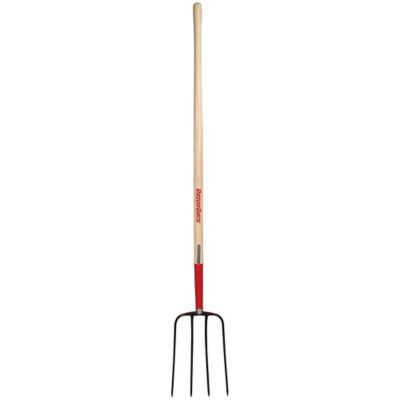
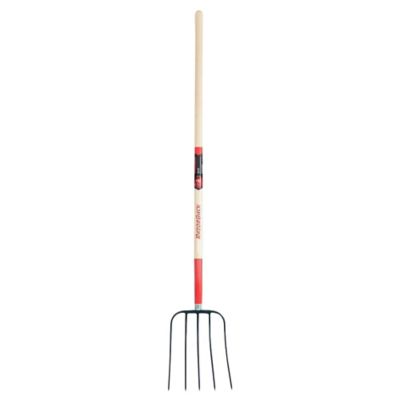
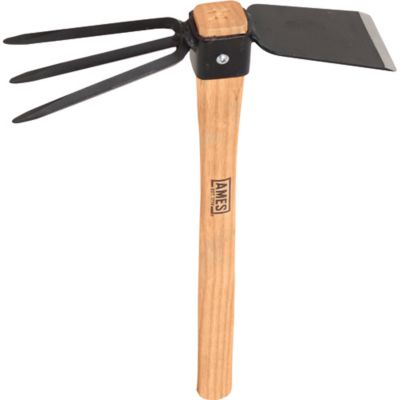
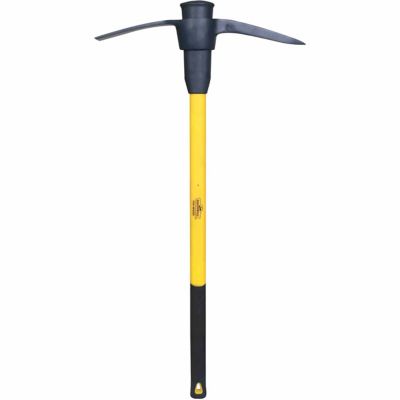
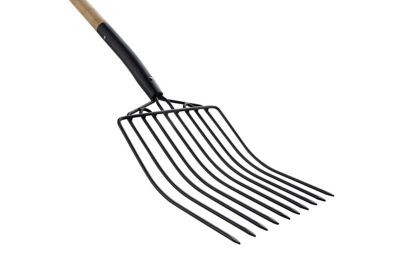
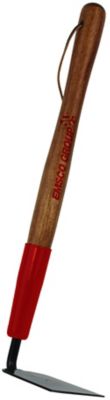
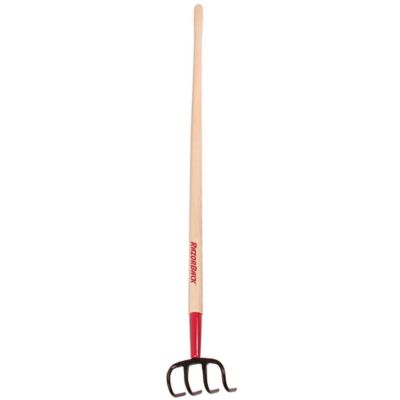
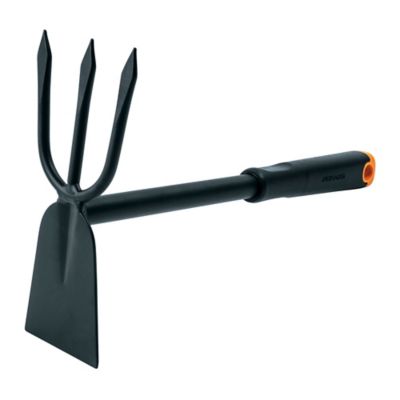
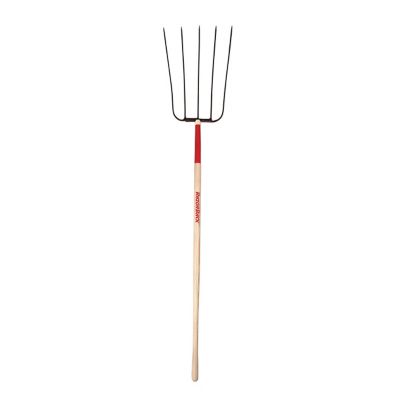
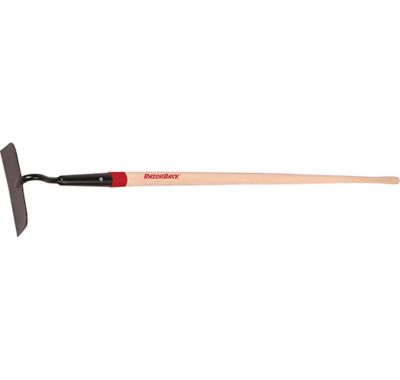
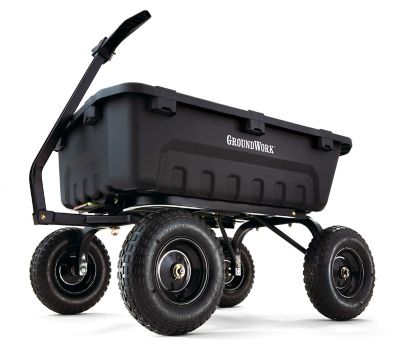
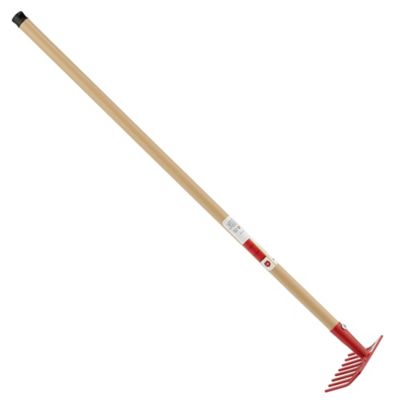
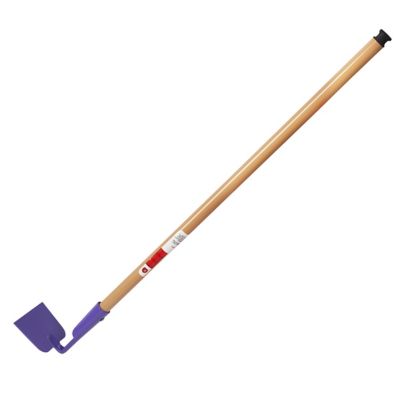
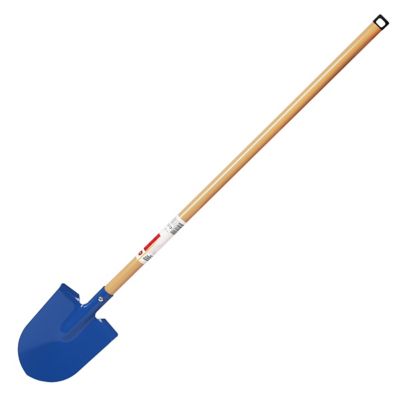
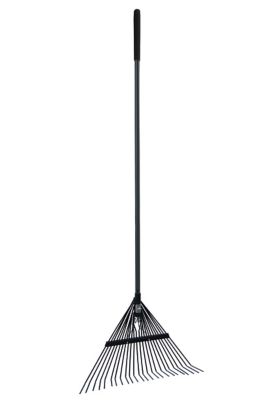
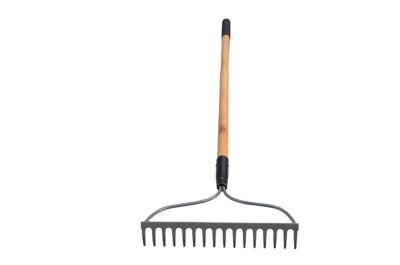
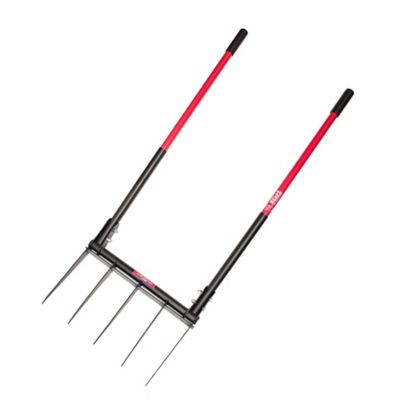
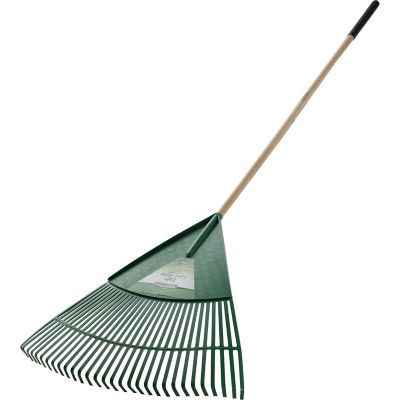
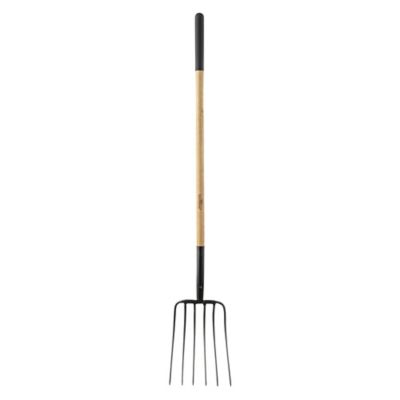
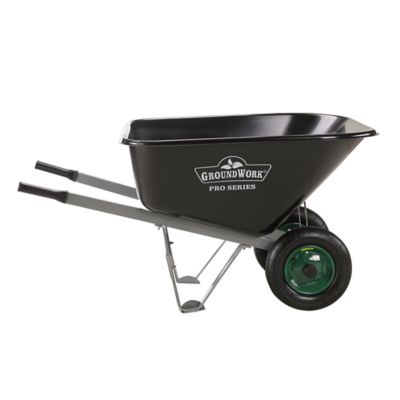
Common farm tools help turn long days of fieldwork, barn chores, and property upkeep into a smoother routine. The right tool depends on the job, the ground, and the amount of material being moved. Shovels and spades are go-to choices for digging holes, cutting through packed soil, edging beds, and moving dirt, compost, gravel, or snow. A hoe can break up the top layer of soil, shape planting rows, and clear small weeds around growing crops. Rakes help level a bed after digging, gather leaves and loose debris, spread soil, and pull hay or grass into manageable piles. For loose materials that need lifting rather than scraping, a pitchfork with long, well-spaced tines can move hay, straw, bedding, and manure while keeping the load balanced. A wheelbarrow adds hauling power without bringing a tractor into every corner of the property, making it handy for paths, garden rows, stalls, and work areas where a larger machine cannot easily go. When shopping, pay attention to handle length, grip, head shape, tine or blade spacing, wheel size, and overall balance. A tool that sits comfortably in the hands and matches the worker’s height can make repeated chores easier on the back and shoulders. For cooler days, a tool with a solid grip is especially helpful when gloves are part of the daily routine, while a broad blade or deep tray may save trips when moving soil, feed, bedding, or gathered leaves.
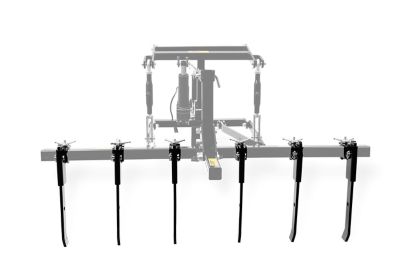
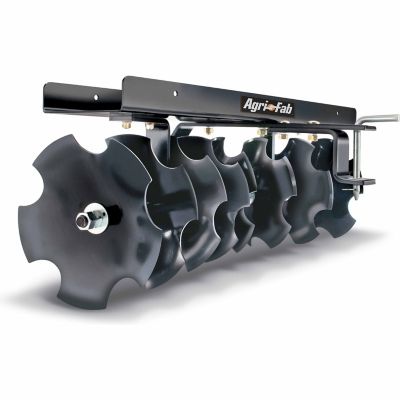
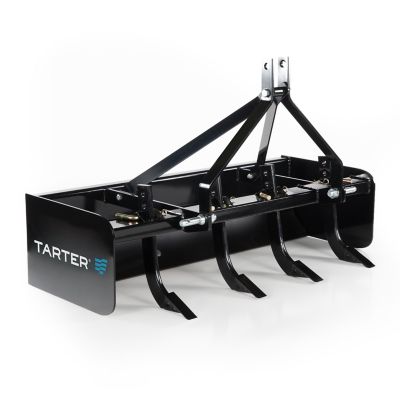
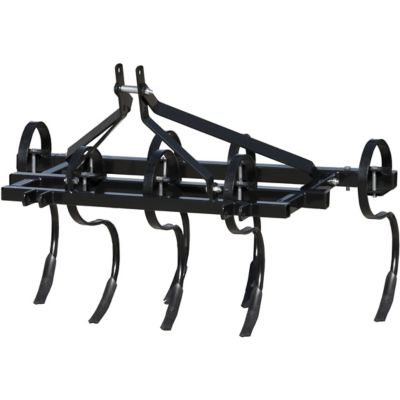
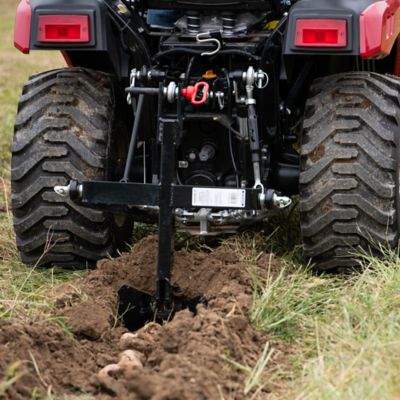
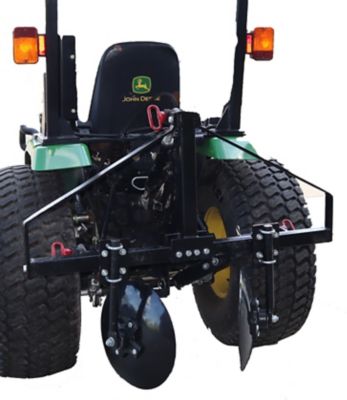
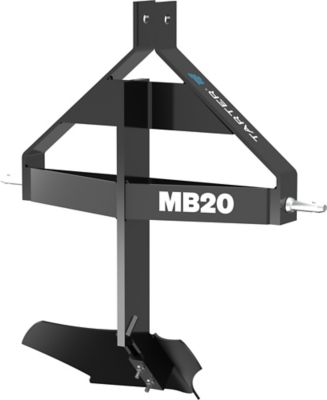
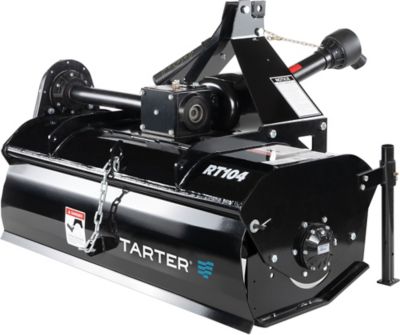
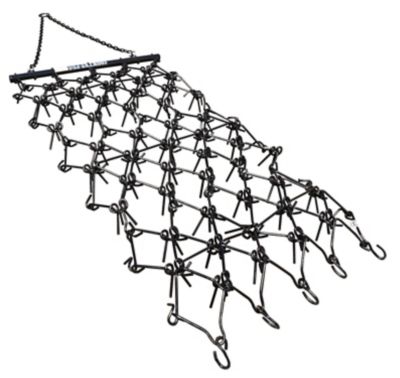
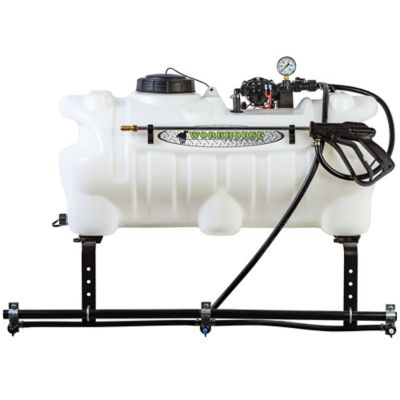
Larger acreages call for tools that work behind a tractor or other farm equipment. A plow cuts furrows and turns over soil, helping prepare a field before planting. A harrow follows field preparation by breaking down larger clods and smoothing the surface, creating a more even seedbed. A cultivator loosens the soil and clears weeds between established crop rows, with spacing and working depth chosen to match the crop and the width of the row. Seeders place or spread seed across a field so planting can cover more ground with less hand work, while balers gather cut hay or straw and compress it into manageable bundles for storage and feeding. These implements should match the tractor’s horsepower, hitch style, working width, terrain, and available storage space. Before adding an attachment, check the operating requirements, connection points, ground conditions, and the kind of field work planned through the season. Smaller operations may rely on hand tools for garden plots, fence lines, animal pens, and orchard work, then bring in tractor attachments when the acreage or workload grows. Spraying tasks call for the right tank size, nozzle pattern, hose length, and application method; browse
Sprayers Farm Tools when planning equipment for pasture, crops, livestock areas, or property maintenance, and always follow the product label and local rules for safe application.
Common farm tools suit a wide range of people, from a first-time landowner caring for a few raised beds to a seasoned farmer preparing fields before the next planting cycle. They also make practical gifts for someone settling onto rural property, building a garden, tending livestock, or taking on more acreage. A sturdy shovel, rake, hoe, or wheelbarrow can help a new homesteader get through the first rounds of planting and cleanup, while a well-matched pitchfork can be a welcome addition in a barn or hay shed. For a working farm, keeping several types of tools on hand helps prevent delays when weather shifts or a chore needs attention before dark. During the cooler months, shovels and rakes may move snow, leaves, and storm debris, while pitchforks and wheelbarrows keep bedding and stored forage moving through the barn. As the weather warms, those same tools can prepare soil, shape rows, clear weeds, and carry harvests from field to shed. Store hand tools out of standing water, rinse away soil when needed, and check handles, fasteners, wheels, blades, and tines before each round of work. Choosing tools for the land, the load, and the person holding them brings a little more order to muddy boots, dusty lanes, and the steady work that keeps a farm running.