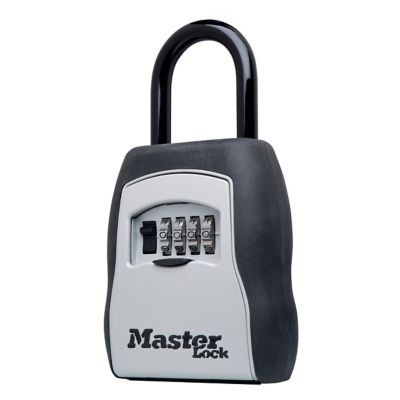
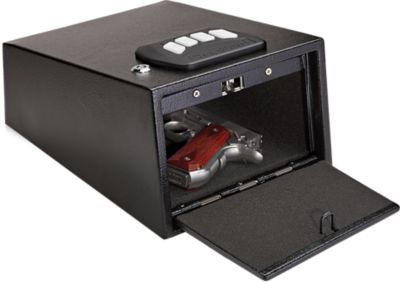
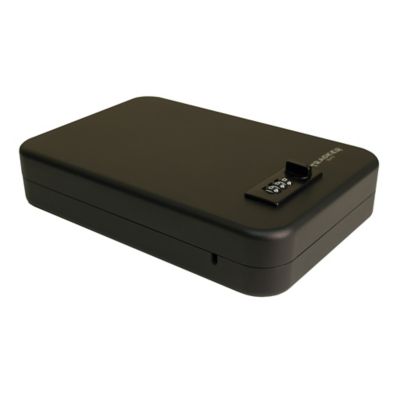
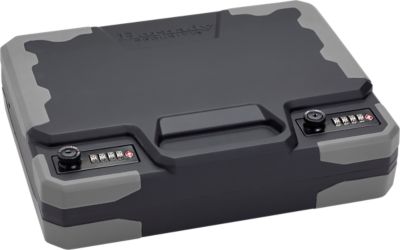
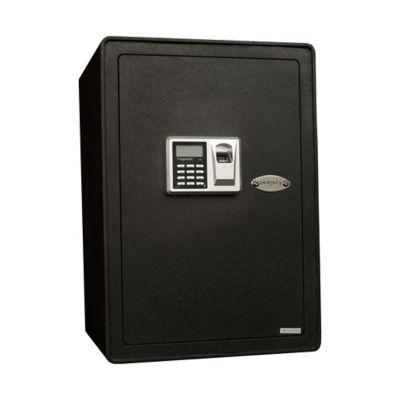
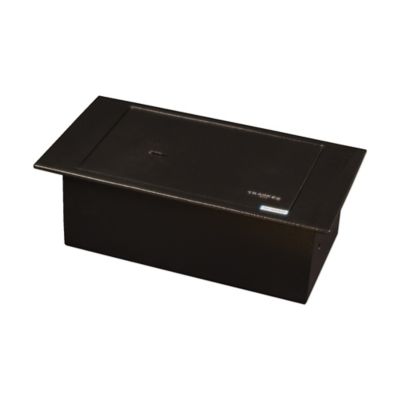
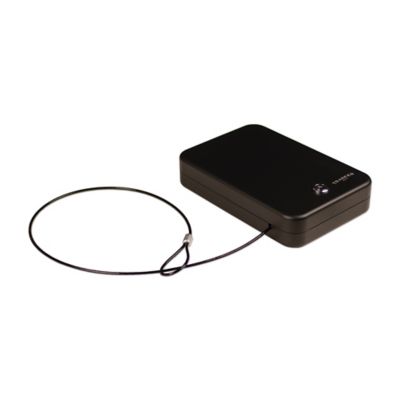
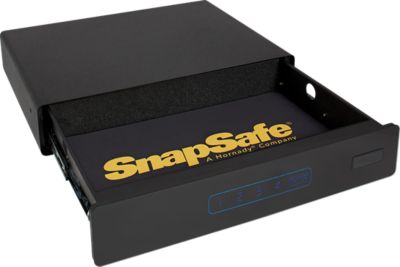
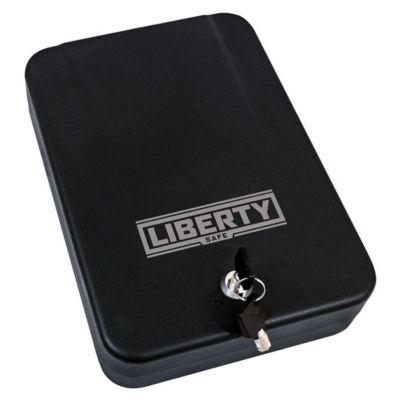
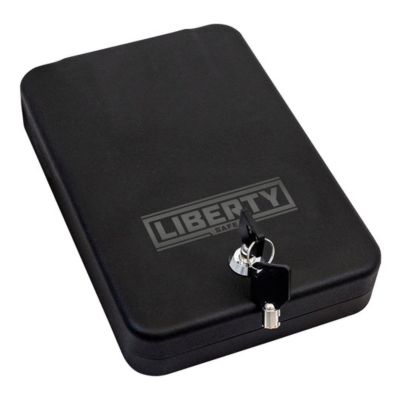
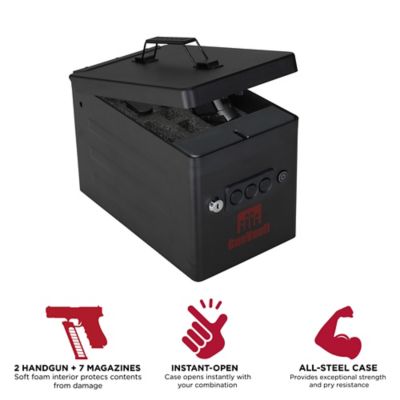
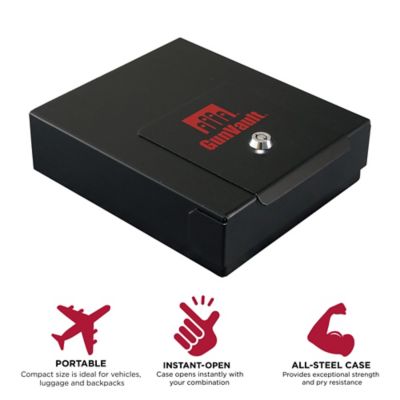
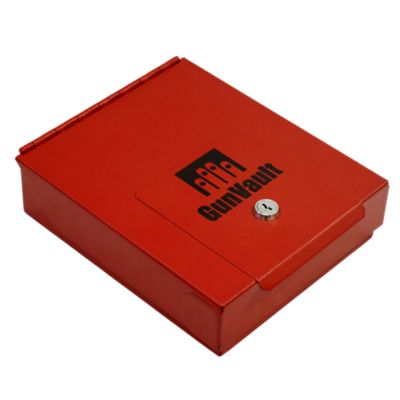
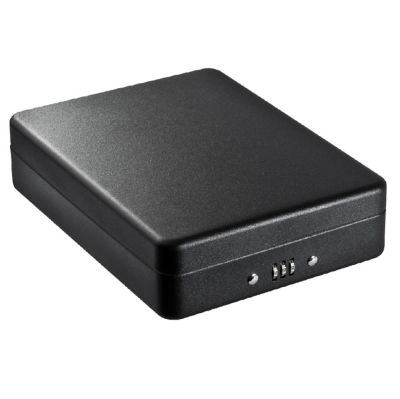
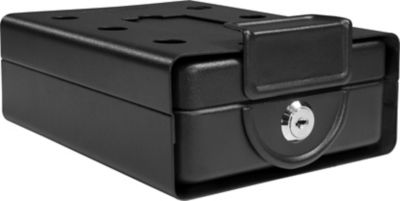
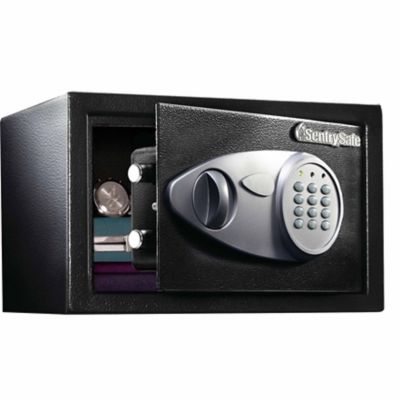
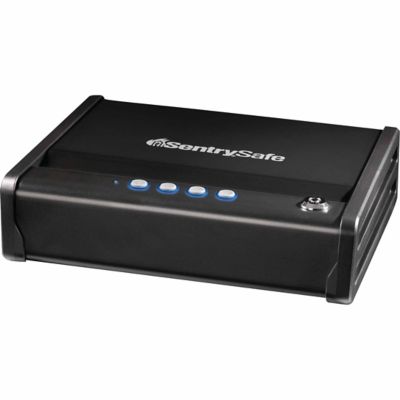
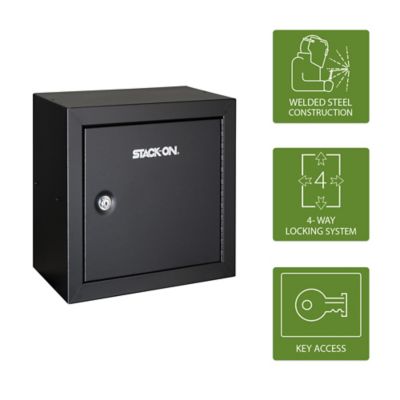
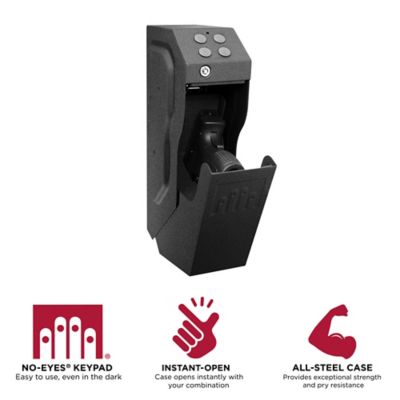
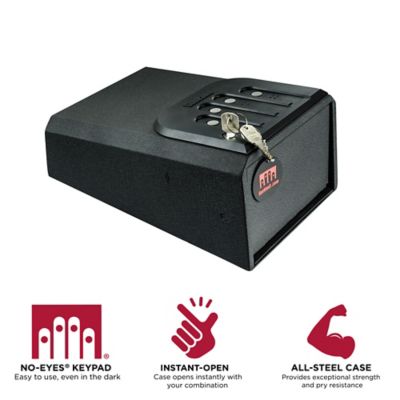
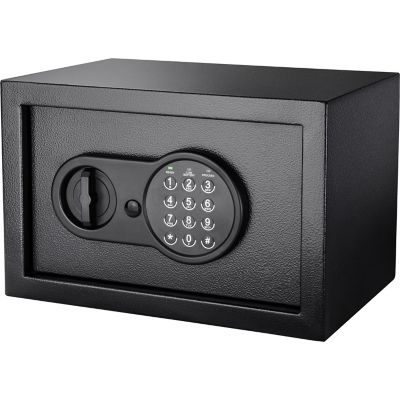
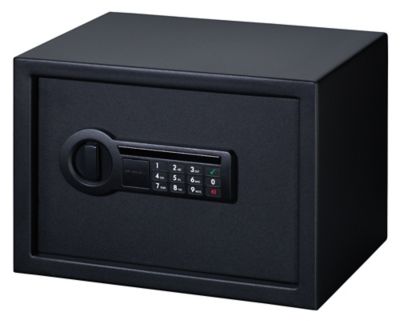
Portable safes are compact, movable security containers that help limit access to small valuables such as cash, passports, wallets, keys, and personal documents. Often called portable lockboxes or travel safes, they pair a locking compartment with a size that fits into everyday travel and storage routines. Many have a security cable for attaching the container to a fixed object, while others rely on a carrying handle or a shape that slips into a bag. Their main appeal is straightforward: keeping a few important belongings together and behind a lock when a full-size safe would be impractical. That can mean securing spare house keys during a stay at the hunting cabin, keeping travel papers tucked away in a hotel room, or putting a wallet out of sight while handling chores away from home. For folks who divide their day between the house, truck, and property, a portable safe offers a small, designated place for belongings that otherwise end up scattered across cupholders and coat pockets. It is important to keep the protection in perspective, though. A lightweight lockbox can discourage casual access, but it does not provide the same protection as a properly installed security safe with tested burglary resistance. Portability also means someone may be able to carry the entire container away unless it is secured. A tether helps address that concern, although its strength and attachment point matter just as much as the box itself. Concealment adds another layer by keeping valuables out of plain sight, but neither a hidden location nor a cable makes a container theft-proof. The best fit depends on the setting and what needs to go inside. An overnight traveler may want room for identification and a phone, while someone carrying household paperwork may need a wider compartment that holds documents without folding. Keeping those everyday needs in mind makes the differences among portable safes easier to sort out.
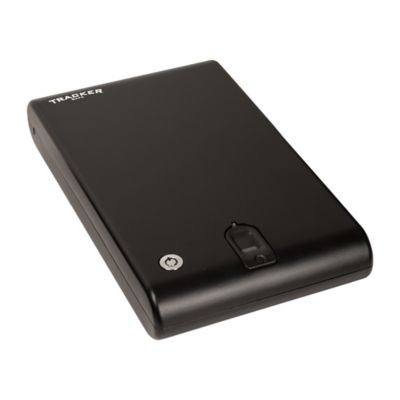
Construction affects how a portable safe carries, closes, and stands up to regular handling. Steel bodies offer a rigid enclosure, though steel thickness, hinge design, and the way the lid meets the body all influence resistance to prying or crushing. A steel shell alone does not establish a particular security rating. Molded polymer housings can reduce carrying weight, and some designs combine plastic outer surfaces with metal components. Flexible security bags take a different approach, using fabric with reinforcing mesh or other barriers to accommodate awkward shapes and pack more easily. Their protection depends on the full design, including seams, closures, and locking hardware. Inside, foam or fabric lining can help keep glasses, watches, and phone screens from rubbing against a hard surface during a bumpy drive down a gravel lane. Removable padding may also change the usable space, so interior measurements tell more than outside dimensions alone. A phone in a thick case, a stack of folded papers, or a key ring with a large fob can take up more room than expected. Lid clearance matters, too; a compartment should close freely rather than press down on the contents. For placement in a drawer, overnight bag, or vehicle storage area, the outside measurements and the room needed to open the lid both count. Carrying weight deserves the same attention, especially when the safe will travel in a backpack rather than stay in one spot. Lock styles bring another set of practical differences. Keyed locks avoid batteries but require a plan for keeping the key separate and accessible. Mechanical combination locks remove that extra key from the routine, although small dials may be harder to operate with cold fingers or in dim light. Electronic keypads depend on power and may include backup entry methods. Fingerprint access is another option;
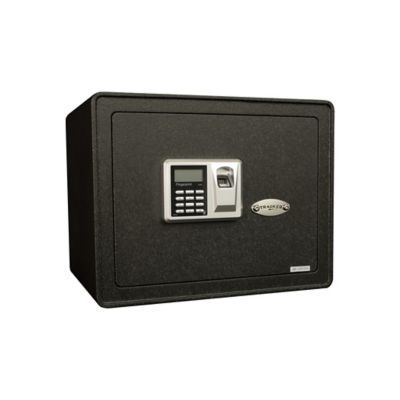
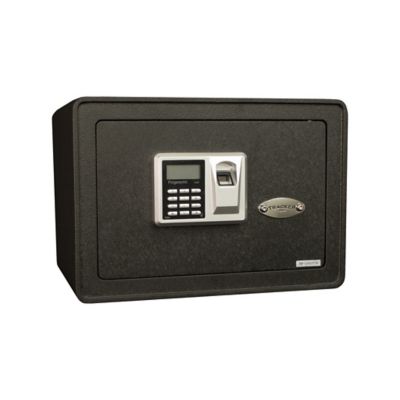
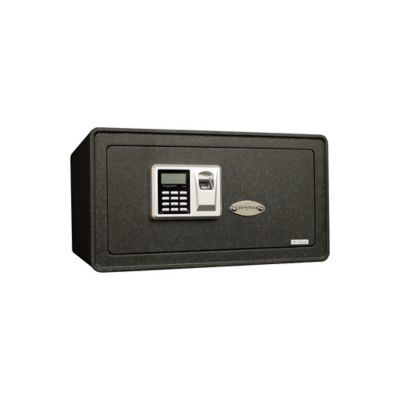
Biometric Safes offer a related category for shoppers interested in that lock style. Fingerprint readers vary in their performance with wet, dirty, or worn fingertips, making the stated operating conditions and backup access worth a close look.
The details around attachment and upkeep make a difference once a portable safe becomes part of the daily routine. Cable length needs to suit the intended anchor without forcing a sharp bend or preventing the lid from closing. A substantial fixed structural point is preferable to a loose handle, a thin furniture leg, or anything the loop could slide off. In a vehicle, installation must follow the safe maker’s directions and stay clear of seat tracks, wiring, pedals, and airbag components. A closed, concealed location can reduce visibility, but a parked vehicle still exposes belongings to theft risk and temperature swings. Electronics, batteries, and sensitive documents may need conditions that a truck cab cannot maintain, particularly during the cooler months or on sunny afternoons. Weather protection is separate from theft protection: a snug lid is not proof that a box keeps out rain, and water resistance does not necessarily mean protection during submersion. Fire protection also requires a stated rating; metal construction on its own does not protect paper or digital media from damaging heat. For a lockbox traveling between a dusty shop and the house, routine care can be simple. Wipe the exterior as directed, keep grit away from the latch and hinges, and let moisture dry before closing the container for storage. Harsh cleaners and unapproved lubricants can affect finishes, seals, or lock parts. Cables deserve an occasional check for fraying, sharp kinks, or damage near their fittings, while battery-powered locks need attention to low-power warnings. Spare keys and recovery information belong somewhere secure outside the locked compartment. These practical considerations also help when choosing a portable safe as a gift for a college student, a frequent traveler, or a family member who spends long days on the road. A manageable size, a lock they can operate comfortably, and space for the belongings they actually carry matter more than extra features they may never need. For everyday valuables, portable safes provide a useful middle ground between leaving things loose and committing to a larger, permanently installed safe.