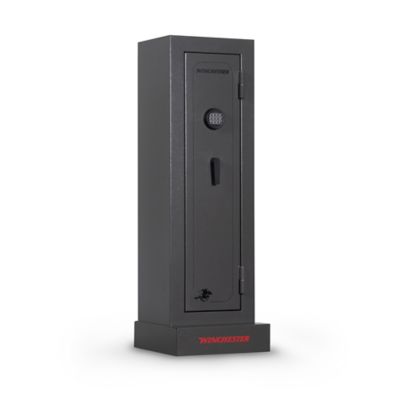
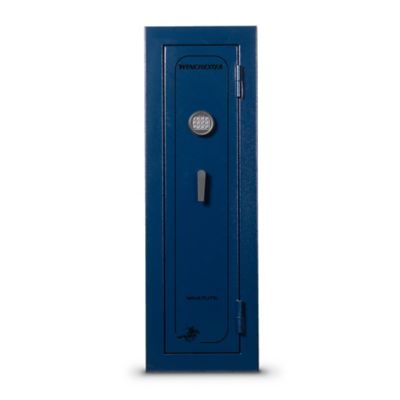
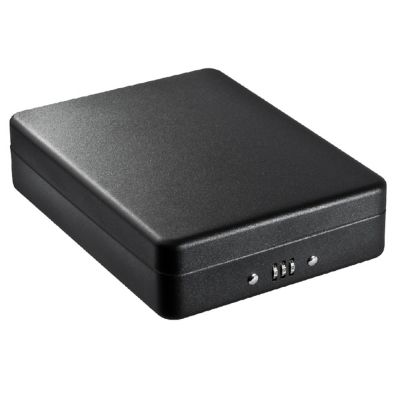
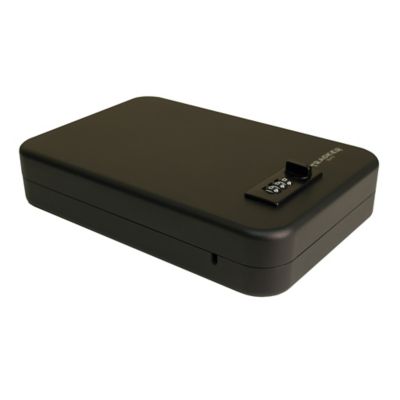
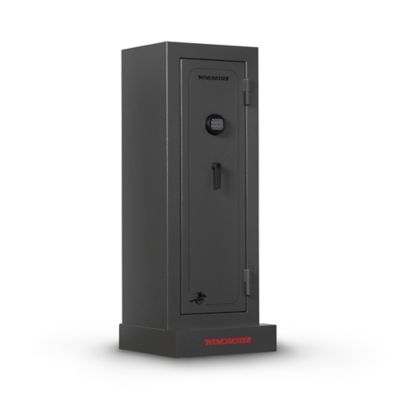
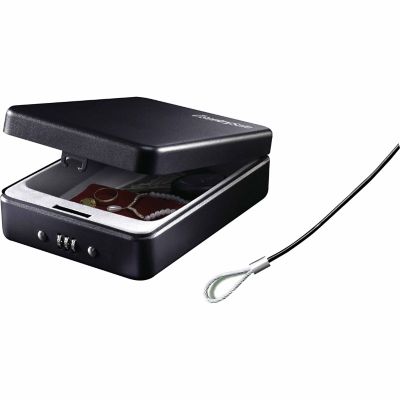
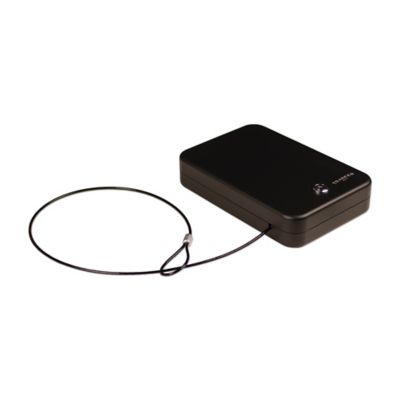
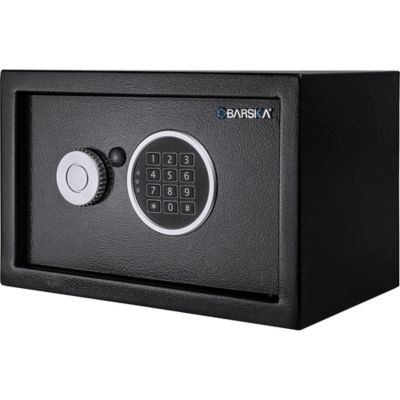
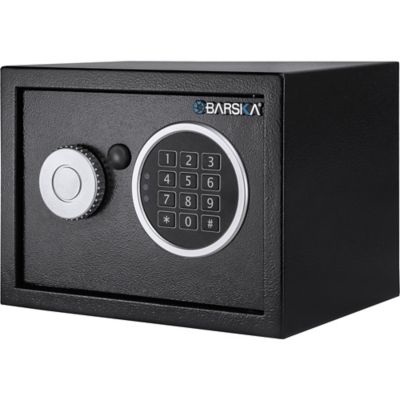
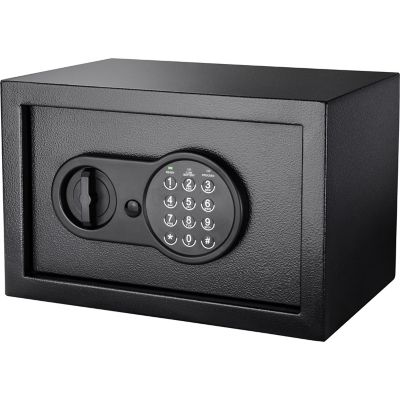
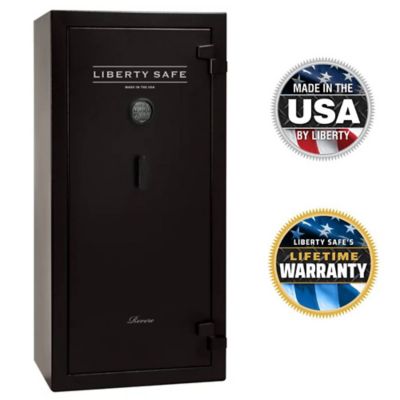
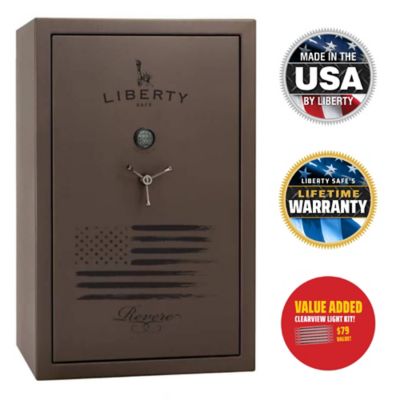
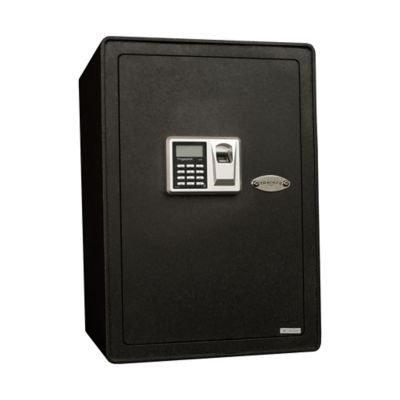
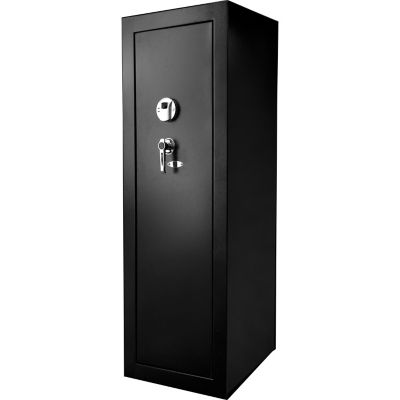
Compact safes are small, lockable storage units that help restrict access to cash, documents, passports, jewelry, small electronics and, in models designed for firearm storage, handguns. Their smaller footprint makes them a practical fit for places where a full-size safe would take up too much room, such as a bedroom closet, home office, apartment or farm office. A dedicated spot for important belongings can keep a passport from getting buried under mail or separate business cash from the everyday contents of a desk drawer. Compact does not mean every safe has the same capacity, though. Exterior measurements describe the space the safe takes up, while interior measurements show how much room remains after accounting for the walls, door and locking mechanism. That difference matters when storing a document folder, a stack of envelopes or a small electronics case. A safe that holds folded paperwork may not have enough room for letter-size pages lying flat, and a shelf can divide the interior without increasing its overall capacity. Door clearance matters, too, especially inside a narrow cabinet where the hinges need room to swing. The opening may be smaller than the interior compartment, so both measurements deserve attention when matching a safe to its contents. Removable shelves, soft interior liners and separate compartments can help keep jewelry from rubbing against other belongings and make smaller pieces easier to find. For households keeping several kinds of valuables together, a little extra room can prevent the interior from becoming a tightly packed jumble. The best fit balances the belongings going inside, the space around the safe and how often someone needs to open it. A tucked-away location can keep a safe out of plain sight, but concealment alone does not prevent someone from carrying it away.
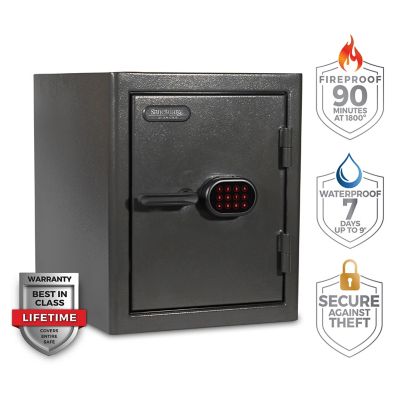
Steel construction is common in compact safes, but the strength of the enclosure depends on more than its outer appearance. Body thickness, door construction, locking bolts and the design around the door opening all contribute to resistance against forced entry. A heavy door on a lighter enclosure does not tell the whole story, and a padded interior is there to cushion contents rather than provide theft protection. Mounting provisions are especially important with smaller safes because their manageable size can also make them easier to move. Factory mounting holes and the proper hardware can allow attachment to suitable structural material, following the manufacturer’s directions. A thin cabinet panel is not the same anchoring surface as solid framing or concrete, and renters may need permission before making permanent holes. Lock style also shapes everyday convenience. Keyed locks keep operation straightforward, though the keys need a secure location away from the safe. Electronic keypads allow access with a code, while biometric models may offer fingerprint access alongside another entry method. Fingerprint performance can vary with reader condition and the condition of a person’s fingers, which matters after a day handling feed bags, working fence or turning wrenches. Battery-powered locks need routine battery attention and a clear understanding of the backup entry method. Theft resistance, fire protection and water protection are separate features, not interchangeable promises. A steel safe is not automatically fire-resistant, and a fire rating applies only to the stated test conditions and time period. Paper records and electronic storage media can also require different levels of protection. Likewise, a closed door does not establish water resistance. Clearly stated ratings and manufacturer documentation provide a firmer basis for comparing protection than appearance or weight alone. Shoppers interested in connected access features can also explore
Smart Safes, with particular attention to which functions require an app, a network connection or an ongoing service.
Intended use helps narrow the differences between compact safes that otherwise look much alike. A household storing passports and birth certificates may value room for document sleeves and clear access to paperwork, while a small business owner may need an interior that separates cash envelopes from keys and records. Someone keeping jewelry might prefer lining and compartments that limit contact between pieces. Portable models serve a different purpose from permanently anchored safes: easier transport can be helpful when moving belongings, but it also makes secure attachment and careful placement important wherever the safe rests. For handguns, the enclosure needs to suit the firearm’s dimensions and the owner’s storage requirements without forcing anything against the trigger or controls. Firearms should remain unloaded in locked storage, with ammunition locked separately and keys or access codes kept away from unauthorized people. A general-purpose document safe should not be assumed to meet firearm-storage requirements; manufacturer specifications and applicable laws matter. Day-to-day care is usually straightforward, but it still affects how well the safe operates over time. Dust and grit around a keypad, fingerprint reader or door edge can interfere with normal operation, so cleaning should follow the manufacturer’s directions rather than involve soaking surfaces or spraying cleaner into the lock. Hinges and locking parts may have specific maintenance requirements, and lubrication is appropriate only where the instructions call for it. Keeping contents clear of the bolts helps the door close without forcing it, while an occasional check of mounting hardware can catch movement or loosening. Backup keys belong somewhere separate and secure, not inside the safe they open. Important documents may also benefit from suitable protective sleeves, provided those sleeves fit without crowding the door. A compact safe can make a practical gift for a graduate, a newly married couple or someone setting up a first home, especially when its size and access style suit the recipient’s space. With thoughtful placement and features matched to the task, a small safe gives important belongings a dedicated home without taking over the room.