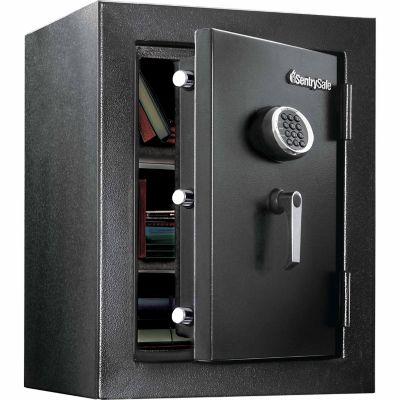
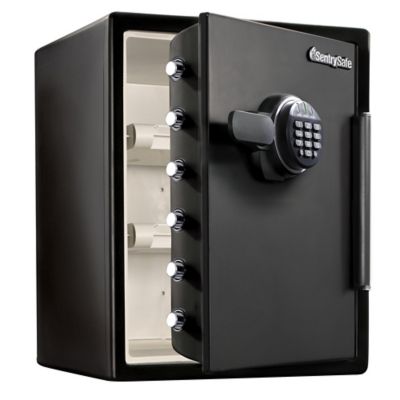
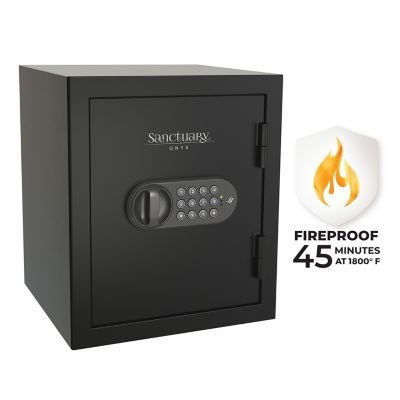
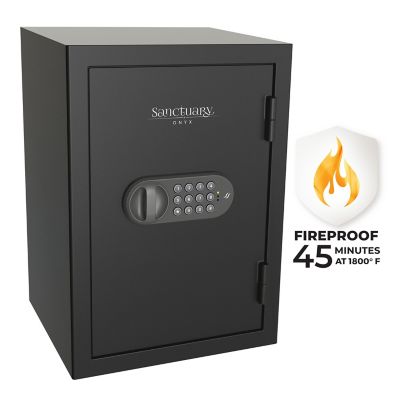
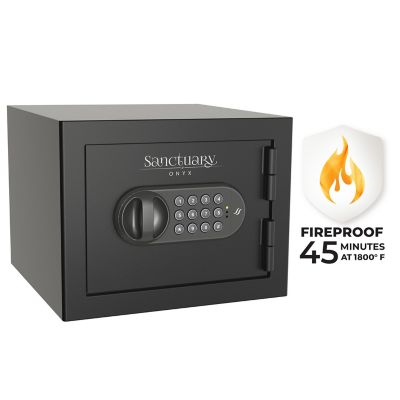
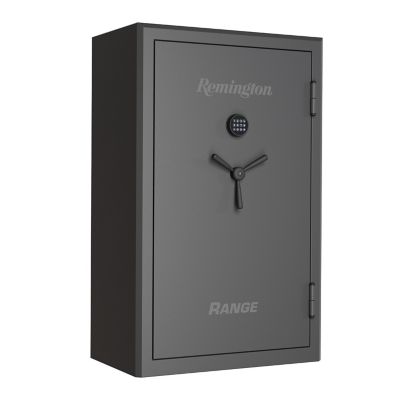
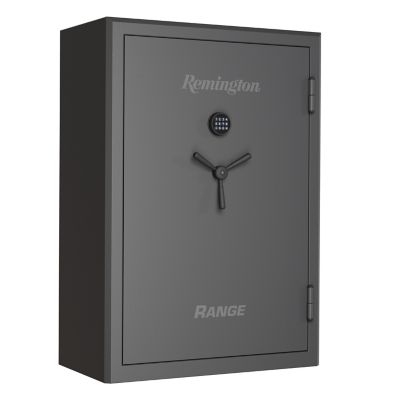
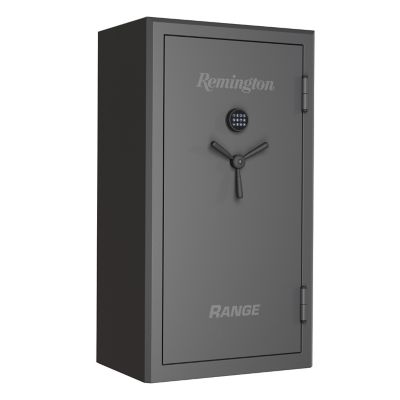
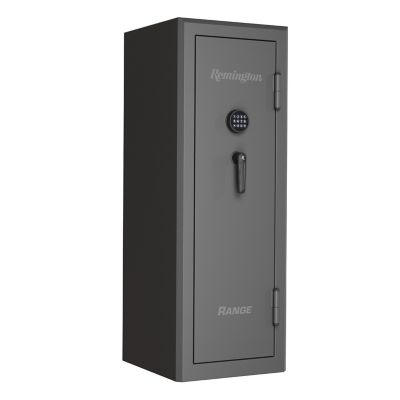
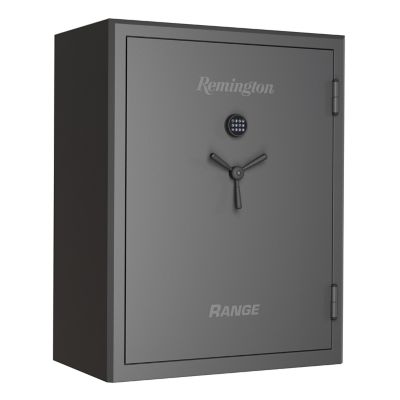
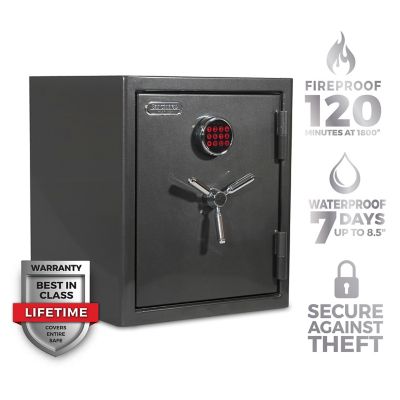
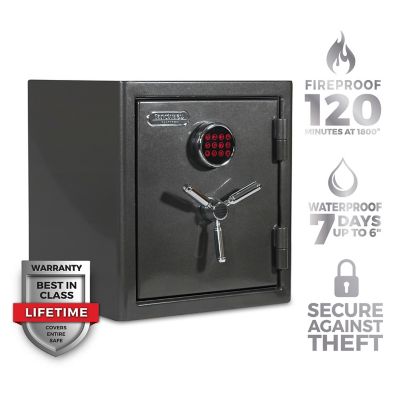
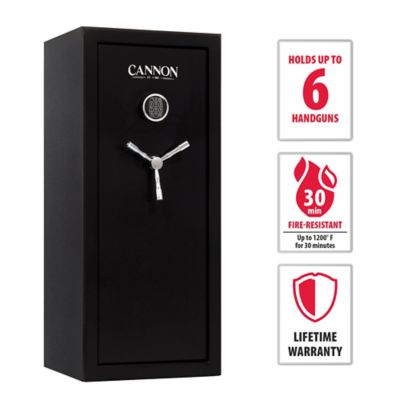
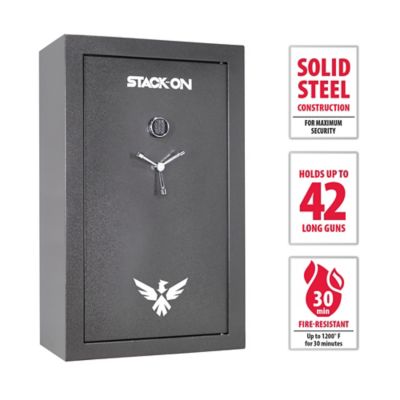
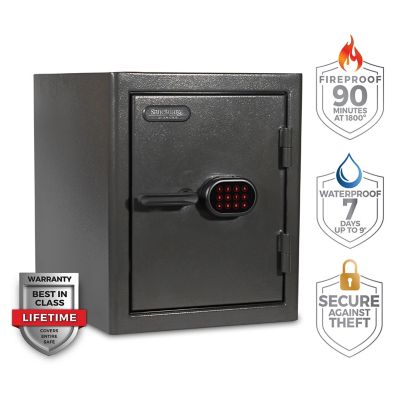
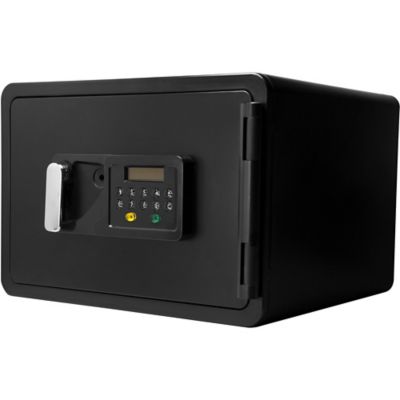
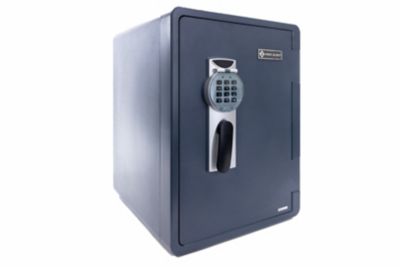
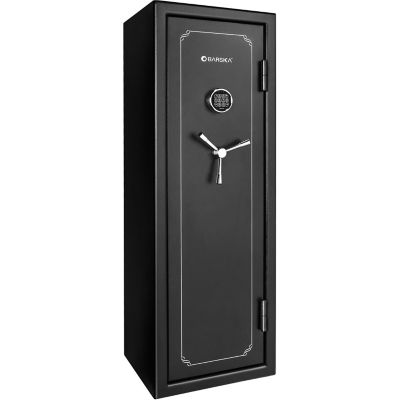
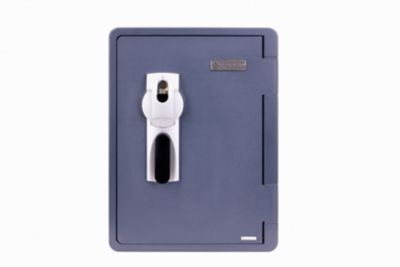
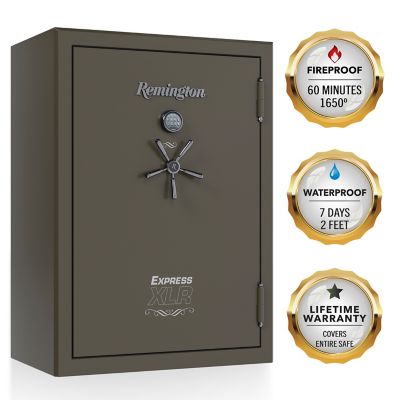
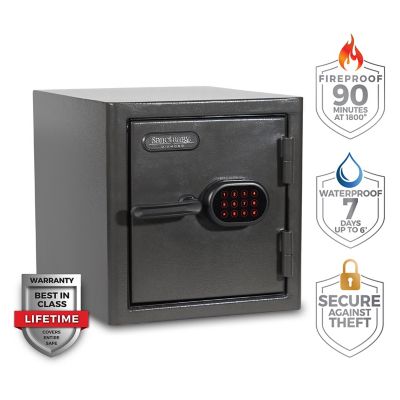
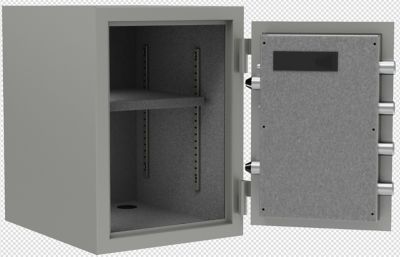
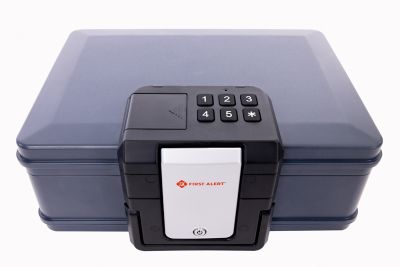
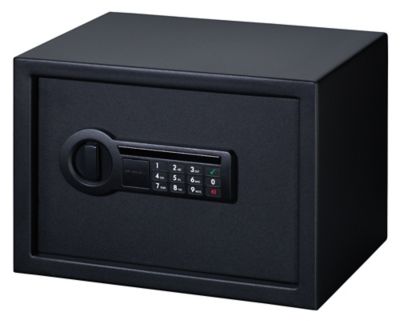
When people search for fire proof safes, they’re usually looking for a dependable place to protect the papers, keepsakes, cash, and small valuables that would be difficult—or impossible—to replace. The important detail is that no safe is truly 100% fireproof. Instead, look for a fire-resistant safe that has been tested to protect its contents from high heat for a stated length of time and temperature. Independent certification, such as a listing or rating from Underwriters Laboratories (UL), can help you compare tested performance rather than relying on broad marketing language. A fire-resistant rating may be based on protecting paper documents, digital media, or other materials, so read the safe’s specifications closely and match them to what you plan to store. Paper records such as property deeds, insurance information, birth certificates, vehicle titles, tax documents, farm records, and family photographs often need different protection than flash drives, memory cards, or external hard drives. A safe with added water resistance can be especially helpful because firefighting efforts, burst pipes, roof damage, or flooding may expose stored items to water after a fire is out. Water protection ratings and limits vary, so check how long the safe is designed to resist moisture and whether it needs to be kept off the floor. Fire-resistant safes can be useful in a farmhouse, workshop, office, apartment, hunting cabin, or home with a wood stove, generator, or busy garage. They also make a thoughtful gift for newlyweds, first-time homeowners, parents saving important family papers, or anyone starting a small farm or home-based business. For a connected approach to home organization and security, you can also browse
Smart Safes. A safe can keep everyday worries tucked away, much like a well-latched tack room cabinet keeps tools and supplies in their place, but the right choice starts with knowing what needs protection and what conditions it may face.
Size and placement deserve just as much attention as the fire rating. Choose an interior large enough for the documents and valuables you already have, with a little room left for future additions. Important papers fit more easily when the safe has a flat interior, adjustable shelving, or enough height for folders and envelopes. If you plan to store jewelry, heirlooms, prescription records, backup drives, or small firearms where permitted by law, account for their shape and storage requirements before buying. A compact safe may suit a nightstand or office shelf, while a larger unit may be a better fit for a utility room, closet, or secured area near your home office. Keep in mind that a full safe can be surprisingly heavy, so confirm that the floor and surface can support it. Anchoring the unit according to the manufacturer’s instructions can make it harder for someone to carry away, and a burglary-resistant design with thick steel construction, sturdy hinges, and secure locking bolts can add another layer of protection. Fire protection and theft protection are different features; a safe that performs well against heat may not have the same rating for forced entry. Locking choices come down to how you live and how often you need access. A traditional key lock is straightforward but requires careful key storage. A combination lock does not need batteries, while a digital keypad can offer quick entry and may include features such as multiple user codes, timeout functions, or low-battery alerts. Whichever style you choose, store spare keys or backup access information somewhere secure and follow the instructions for changing batteries or resetting the lock. Placement inside a first-floor corner formed by two exterior walls is often recommended because that location may stay cooler during a fire than an upper floor or an area close to the roof, though every home has different construction and risks. Keep the safe away from obvious heat sources, damp areas, and spots where falling objects could block access. During the warmer part of the year, review insurance papers and property records before severe weather rolls through; during the cooler months, it’s a good time to gather stove, heating, and generator documents in one easy-to-find place. Fire-resistant safes cannot replace smoke alarms, fire extinguishers, evacuation plans, or good housekeeping around heat sources, but they can give your most important records a better chance of making it through an emergency. Check the manufacturer’s fire, water, and security ratings, confirm the warranty and testing information, measure the intended location, and choose a locking system that everyone who needs access can use responsibly.