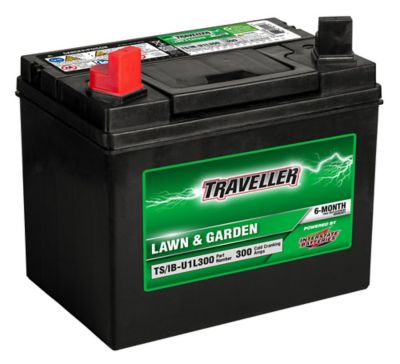
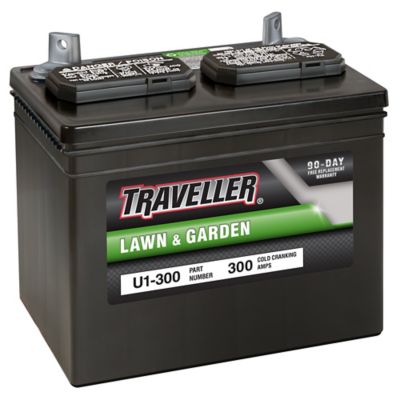
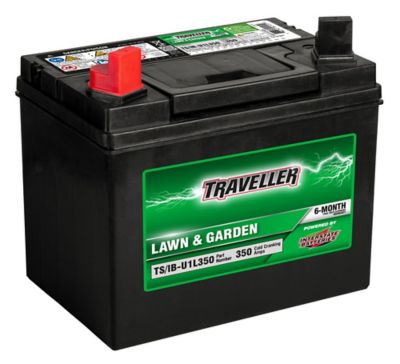
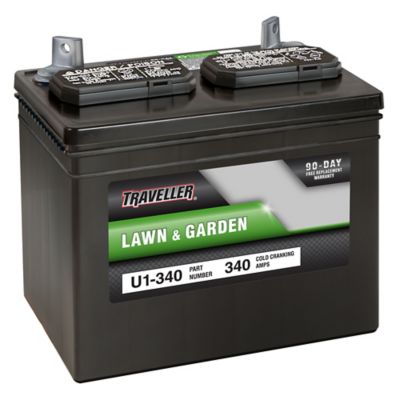
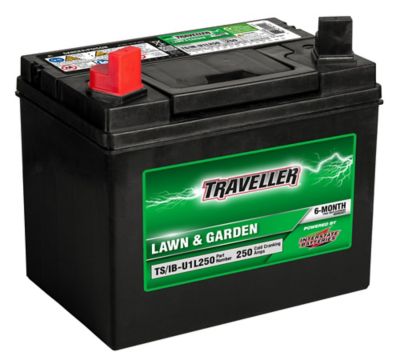
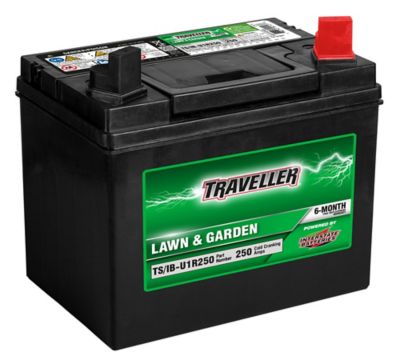
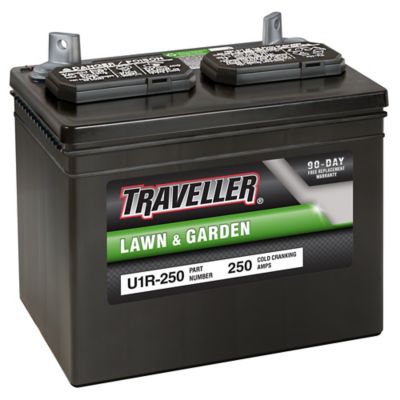
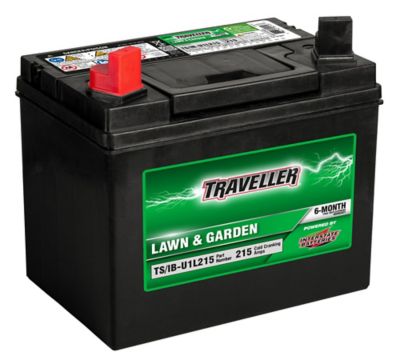
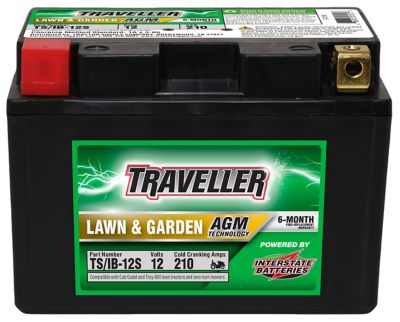
Lawn equipment batteries supply starting power for gas-powered mowers and operating power for cordless lawn tools. Most gas-powered riding mowers and lawn tractors have a 12-volt starting battery, while cordless equipment requires a rechargeable battery pack matched to its battery platform. Many riding mowers take a Group U1 lead-acid battery, with common starting ratings ranging from about 190 to 350 cold cranking amps, or CCA. The equipment manual determines the correct voltage, battery group, terminal position, and minimum starting rating; those details matter more than a battery’s appearance. A mower parked beside the barn may have a battery tray that looks much like another machine’s, but even a small difference in case height or terminal placement can keep the replacement from fitting properly. Group U1 and U1R batteries typically have opposite terminal layouts, so matching the letters on the label helps prevent stretched cables or incorrect connections. Case length, width, height, and the hold-down arrangement all belong in that fit check, along with clearance beneath the seat or hood. Flooded lead-acid batteries contain liquid electrolyte, while absorbed glass mat, or AGM, batteries hold the electrolyte in fiberglass separators. Both are lead-acid designs, but their charging requirements and maintenance needs can differ, making compatibility with the mower’s charging system important. For equipment traveling over rutted paths, around fence posts, or across a broad home place, a secure battery mount helps limit movement and strain on the connections. Starting batteries are built to deliver a short burst of current to turn the engine over; their CCA rating does not describe how long a cordless mower can cut grass. A higher starting rating also cannot make up for the wrong voltage, reversed terminals, or a case that does not fit. Matching the machine’s requirements gives the starter the power it needs without turning a straightforward replacement into a cable-routing or mounting problem. The same attention to fit applies to zero-turn mowers and other battery-start lawn equipment, even when the battery sits out of sight behind a panel.
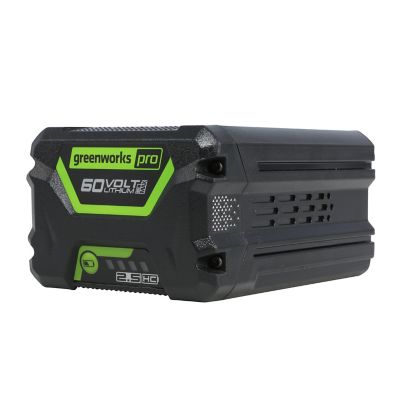
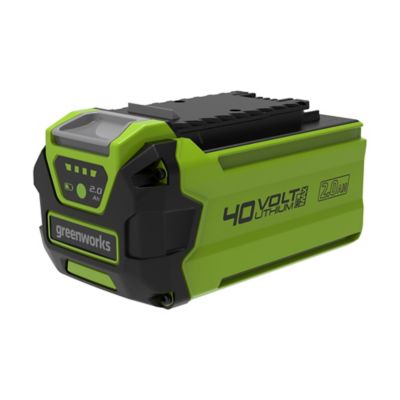
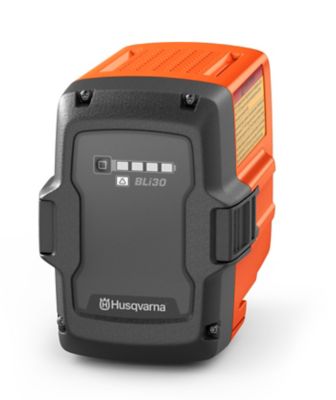
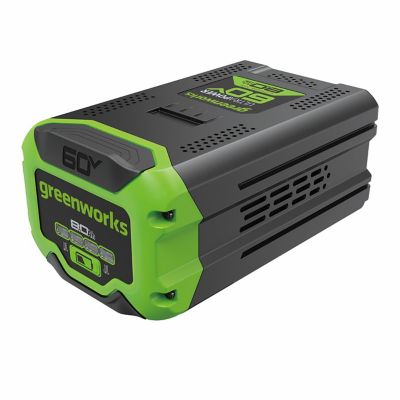
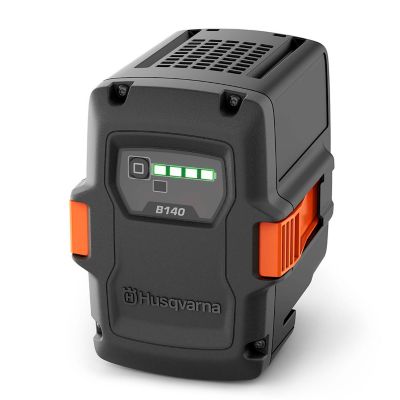
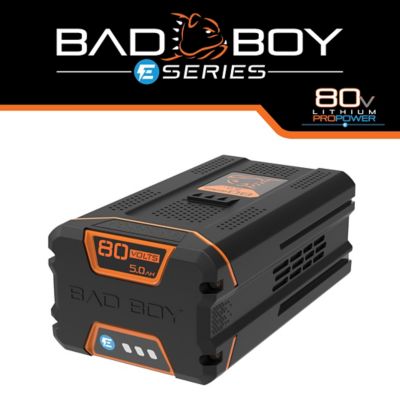
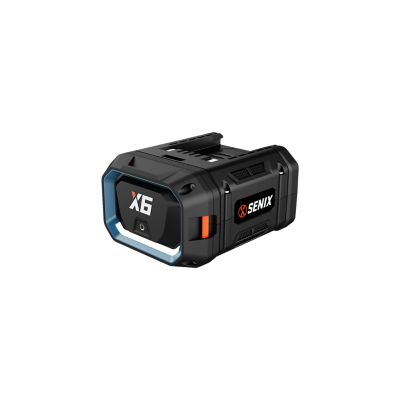
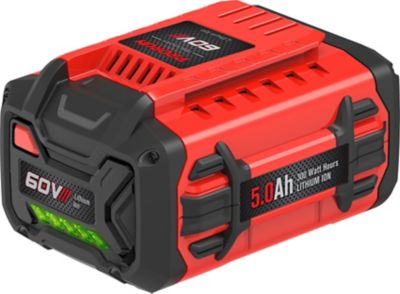
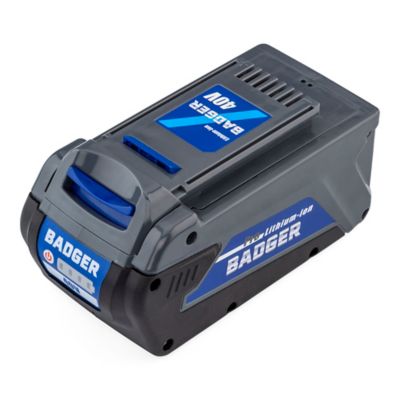
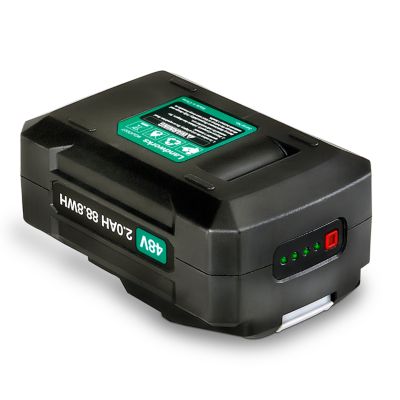
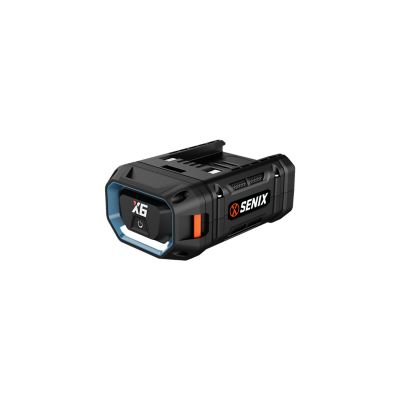
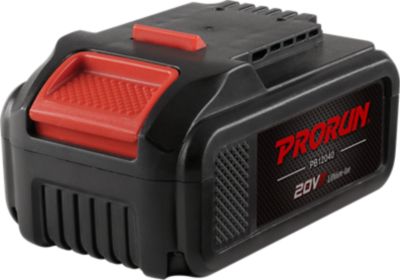
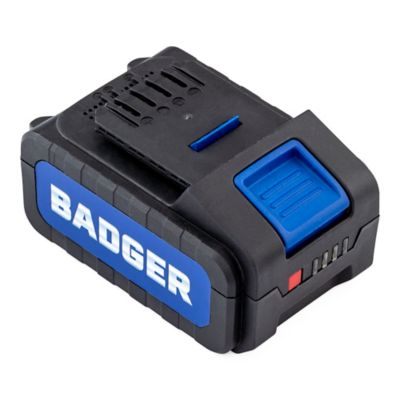
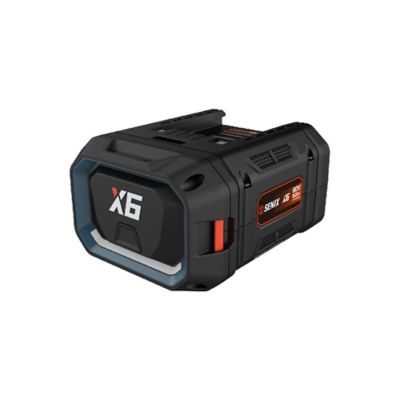
Cordless lawn equipment batteries do a different kind of work, supplying energy throughout the job rather than just during engine startup. Lithium-ion packs power many walk-behind mowers, string trimmers, leaf blowers, and other yard tools, with voltage and connection designs that vary by platform. Some equipment operates on a 40-volt platform, while other machines require a different voltage or more than one pack. Matching voltage alone is not enough: the battery housing, electrical contacts, locking features, and electronic communication must also match the equipment. A pack that slides into one tool should never be assumed to fit another simply because the numbers on the labels look similar. For a closer look at this category,
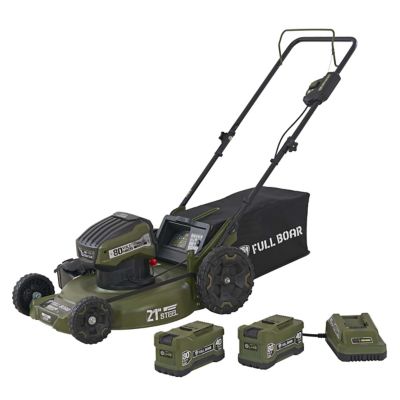
Cordless Lawn Mower Batteries covers battery power for electric mowing equipment. Capacity is commonly stated in amp-hours, or Ah. Within a compatible platform at the same voltage, a higher amp-hour rating generally means more stored energy and the potential for longer operation, though actual runtime depends on the machine and the work. Thick grass, repeated starts, powered drive systems, and a heavy cutting load can draw more energy than light trimming along a short walkway. Watt-hours provide another measure of stored energy and can help put voltage and capacity together, but they do not establish compatibility. Pack size and weight matter, too. Extra capacity may suit a mower covering a larger yard, while a lighter compatible pack can make a handheld trimmer easier to carry around gates, garden edges, and outbuildings. Equipment designed for two batteries may have particular requirements for pack pairing, so the manual remains the reference for that setup. A second compatible pack can help keep a longer job moving while another charges, provided the charger and charging arrangement meet the manufacturer’s directions. For a household sharing a battery platform across several tools, matching both the packs and chargers keeps the setup practical without relying on improvised adapters.
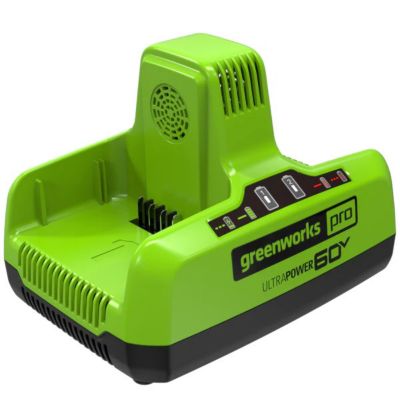
Battery life depends on more than the label, especially when lawn equipment spends time traveling over uneven ground or sitting between jobs. A sound case, secure terminals, and a properly fitted hold-down help a starting battery stay in place without rubbing against nearby metal or pulling on its cables. Corrosion around a terminal can interfere with electrical contact, while a loose connection can leave a mower slow to crank even when the battery still holds a charge. A failing starter or a problem in the equipment’s charging system can produce similar symptoms, so repeated starting trouble does not always point to the battery alone. Charging equipment needs the same attention to fit as the battery itself. A charger must match the battery’s voltage and chemistry, and a maintenance charger should be approved for the battery it will support. A lead-acid charger is not a substitute for a lithium-ion pack charger, and cordless packs should charge only with equipment approved for their platform. Charging belongs in a dry, ventilated location away from sparks and open flames, following the battery and charger instructions. For serviceable flooded batteries, electrolyte checks and distilled-water additions apply only when the manufacturer calls for them; sealed AGM batteries and lithium-ion packs are not meant to be opened. Equipment parked for an extended stretch may need a battery maintenance routine or a specified storage charge, depending on its design. Keeping terminals protected from loose tools and other metal objects also helps prevent accidental short circuits, whether a battery is installed, carried to the shed, or stored on a shelf. Cracks, leaks, swelling, or damaged contacts call for taking the battery out of service and following the manufacturer’s handling directions. Worn-out batteries belong in an appropriate battery recycling program rather than household trash. Whether the job is mowing around a farmhouse, keeping a small acreage tidy, or trimming along a long fence line, the right battery brings together electrical compatibility, a solid physical fit, enough capacity for the task, and care suited to its chemistry.