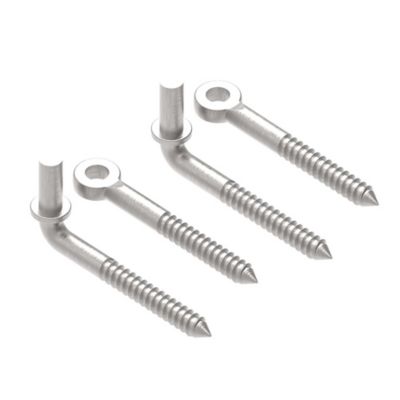
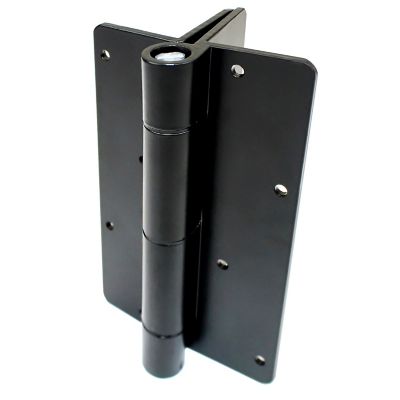
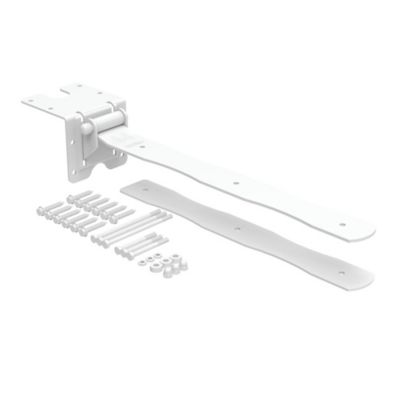
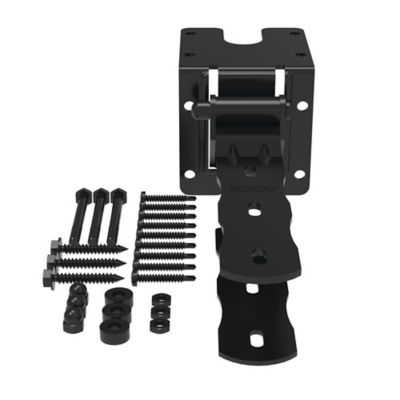
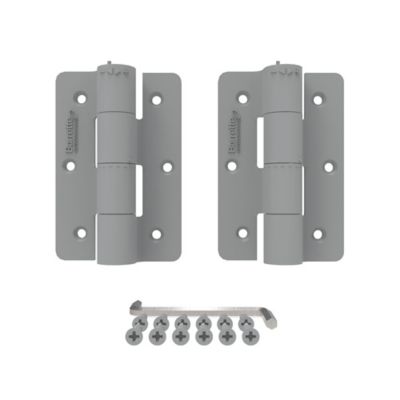
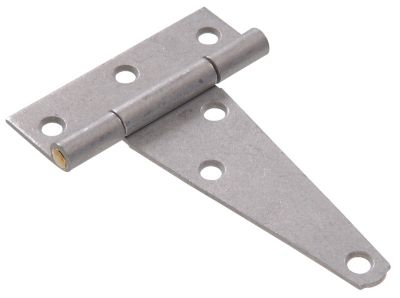
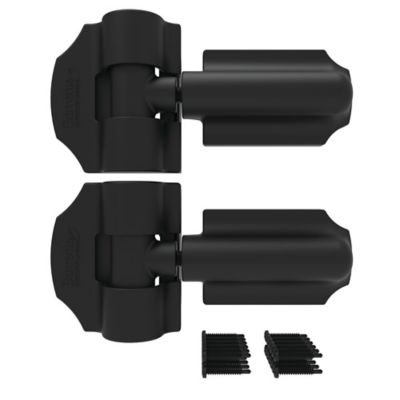
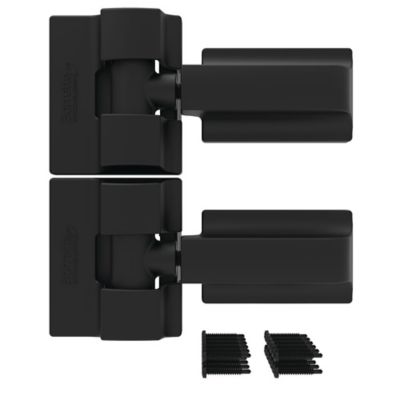
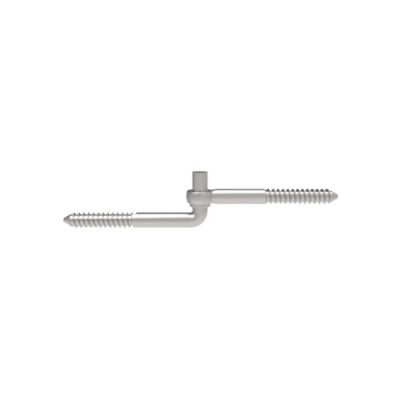
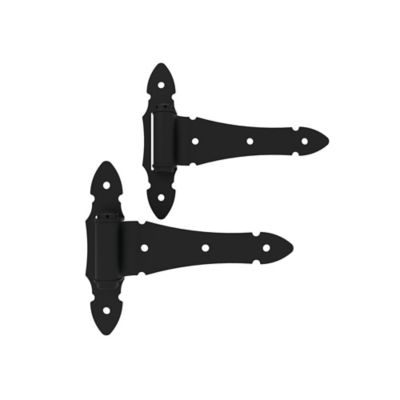
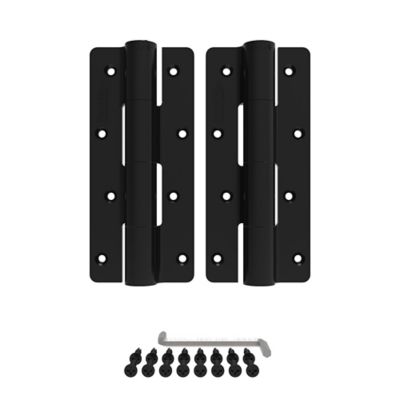
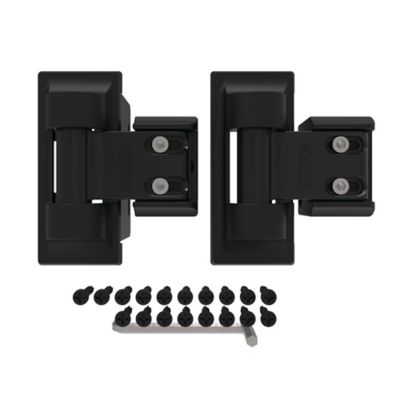
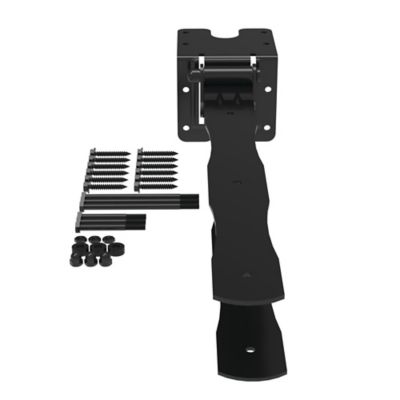
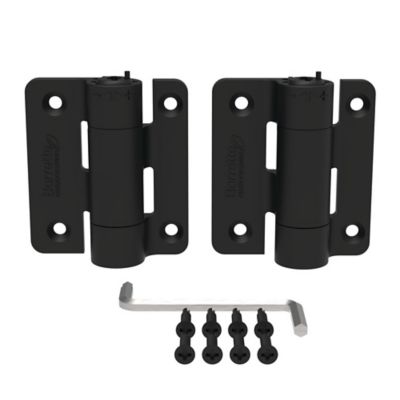
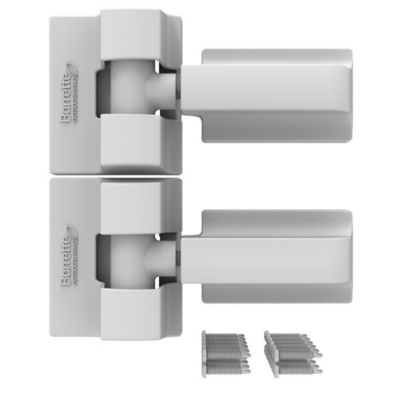
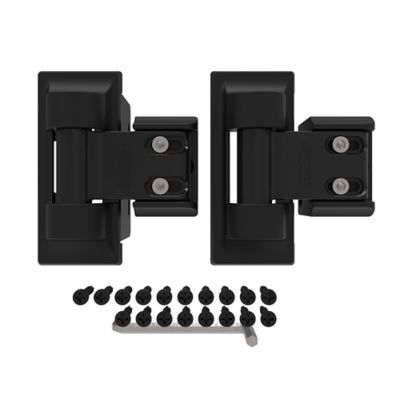
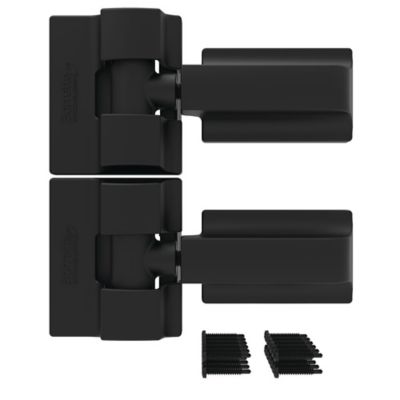
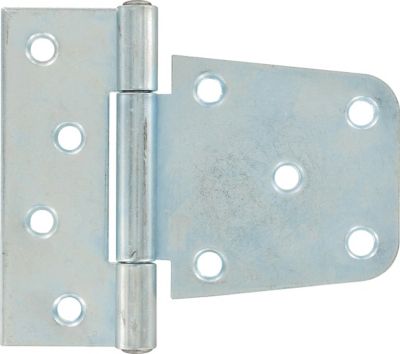
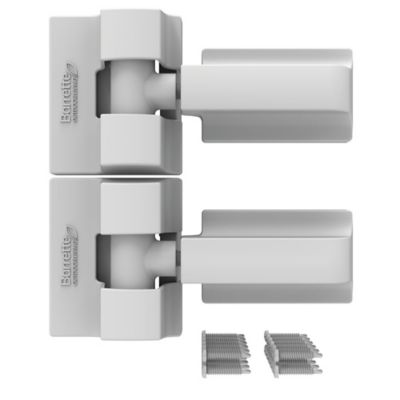
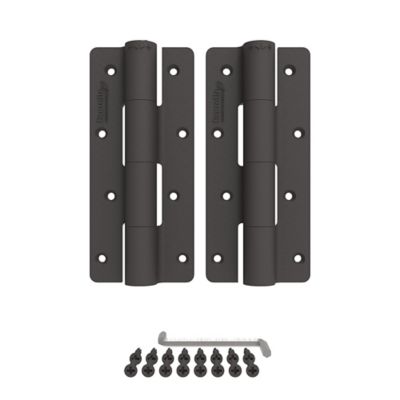
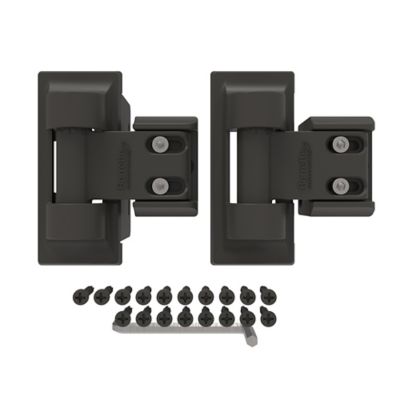
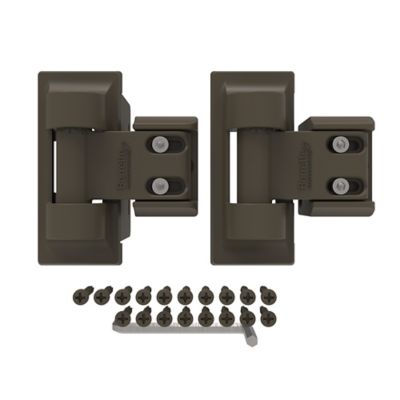
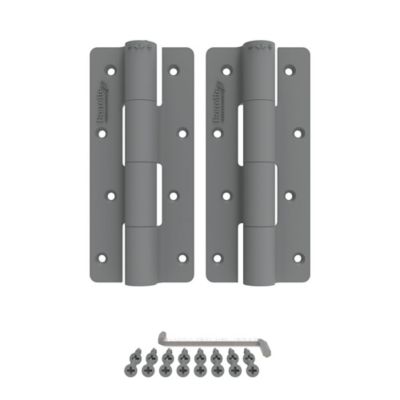
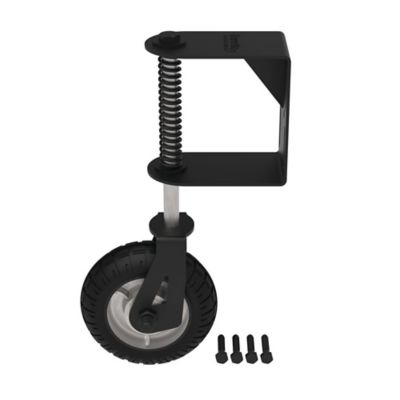
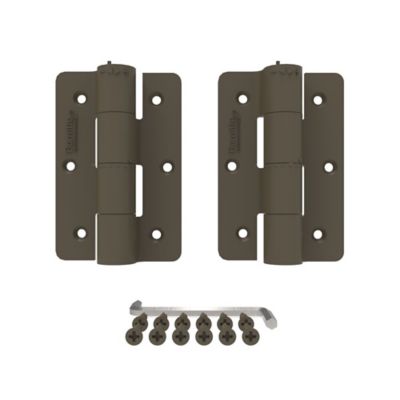
Hinges for wooden gates connect the gate frame to its post and give it a steady pivot point for everyday opening and closing. Common styles include strap hinges, T-hinges, butt hinges, and pintle-mounted hinges, with adjustable and self-closing designs serving additional needs. The best fit depends on the gate’s weight, width, construction, and swing direction—not just its appearance. Strap hinges have long leaves that extend across the gate face, providing room for fastening into a solid horizontal rail. Their broad profile suits the look of board gates around gardens, barnyards, and fenced property. T-hinges combine an extended gate-side leaf with a shorter post-side plate, making them another familiar choice for wood gates. Butt hinges have two compact leaves joined at a central pin and may suit smaller gates when the frame, mounting arrangement, and load rating support that application. Pintle designs pair a hinge eye with a projecting pin, a setup often associated with farm gates and substantial posts. Some allow the gate to lift off, while others include features that help prevent unintended removal. Adjustable hinges provide a way to fine-tune alignment within the limits of their design, which can be handy when a latch needs a closer fit. Self-closing hinges add closing action, though their suitability depends on gate size, weight, and the rest of the hardware. For a narrow garden entrance, a modest hinge profile may fit the frame without crowding the boards. A broad gate leading into a paddock puts different demands on its hinges because the latch end sits farther from the supporting post. Matching hinge style to the actual opening helps keep the gate practical, whether it swings open several times a day for feed buckets or mainly provides access for a mower. The visible shape matters, but the connection between solid gate framing, properly matched fasteners, and a sound post does the heavy lifting. That combination matters far more than choosing hardware by looks alone.
Gate weight and width work together when sizing hinges for wooden gates. A wide gate puts leverage on its mounting points, so two gates with similar weights can require different hardware if one reaches much farther across an opening. Manufacturer load ratings, supported gate dimensions, hinge spacing, and mounting requirements provide a better basis for comparison than hinge length alone. Ratings may apply to a pair or another specified arrangement; adding individual hinge ratings together does not necessarily establish a safe capacity. A long strap can offer more fastening space across a rail, but that extra length does not replace a suitable load rating. Gate construction matters just as much. Thick boards, closely spaced pickets, and substantial framing all contribute weight, while loose joints can let the gate rack even when the hinges remain firmly attached. A gate that drops at the latch end may have a frame or bracing problem rather than a hinge problem. The supporting post also needs enough strength and secure footing to carry the load without leaning or twisting. On the gate itself, mounting into structural rails gives fasteners a sounder connection than relying on thin facing boards alone. Screw or bolt diameter, length, head style, and hole placement need to match both the hinge and the wood assembly. Through-bolts may suit some substantial gates where both sides remain accessible, while other designs call for specified screws or mounting hardware. Post clearance, hinge offset, and the position of the pivot affect how far the gate can swing without rubbing the post or fence. A gate opening inward beside a garden bed has different clearance needs from one that folds back along a fence line. Enough room beneath the gate also helps it pass over the ground without dragging. Around livestock, a clear swing path and a latch that engages fully matter alongside hinge strength. Hinges support movement; they do not take the place of a secure latch, proper bracing, or a gate suited to the animals behind it.
Material and finish choices influence how gate hinges handle corrosion, friction, and repeated movement. Steel offers strength for many wood-gate applications, while galvanized finishes, coated finishes, and stainless steel provide different approaches to corrosion resistance. The right combination depends on the setting, the lumber, and the rest of the mounting hardware. Pressure-treated wood can require particular fastener materials or protective coatings, so compatibility with the lumber treatment matters for hinges, screws, bolts, washers, and nuts. Matching components helps avoid an assembly in which one part deteriorates sooner than the others. Black finishes can blend with dark latches and fence hardware, while metallic finishes keep the hardware plainly visible against natural wood. Appearance is worth considering, especially on an entrance near the house, but the working surfaces and mounting connections deserve equal attention. Dirt around a hinge pin can interfere with movement, and worn pivot points can develop play that makes latch alignment less consistent. Regular checks for loose fasteners, cracked wood, damaged coatings, and excessive movement help catch small problems before the gate starts scraping or sagging. Lubrication needs vary by design: some hinges have grease fittings, some call for occasional lubrication at specified points, and some incorporate components with different care requirements. Following the hinge manufacturer’s care directions avoids treating every pivot the same way. For a gate beside a feed shed, easy movement makes a difference when someone has a sack over one shoulder and only one hand free. At a garden entrance, controlled movement and a tidy latch fit can keep the gate from bumping nearby fencing. Wood-faced gates with steel or aluminum frames need hardware matched to the frame beneath the boards;
Gate Hinges for Metal Gates offers a related hardware category for those projects. For an all-wood gate, hinges matched to the frame, post, load, and daily traffic help the whole opening work together, from the first pull on the latch to the final swing shut.