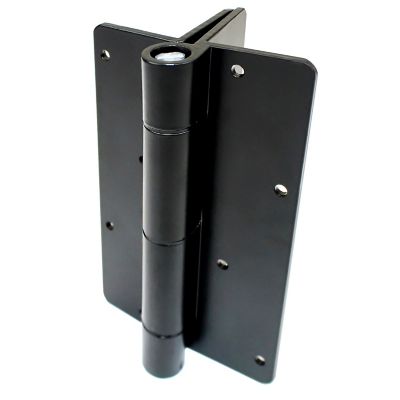
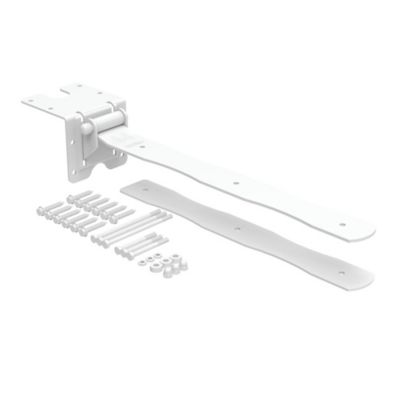
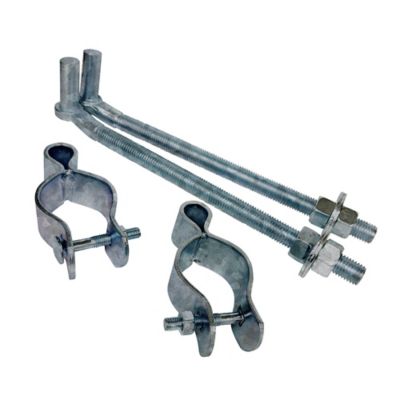
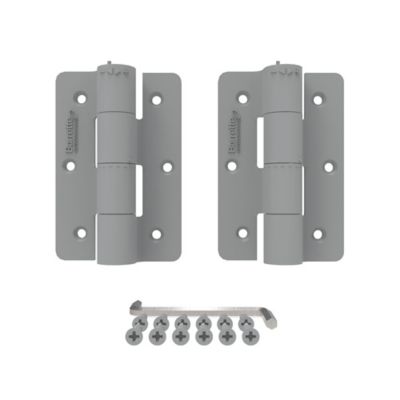
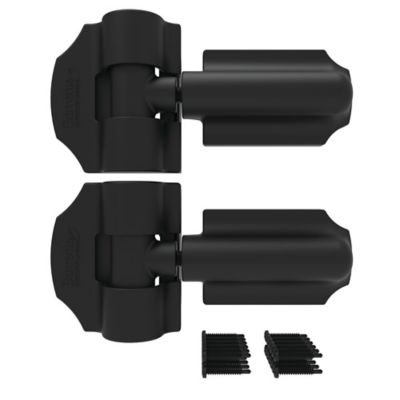
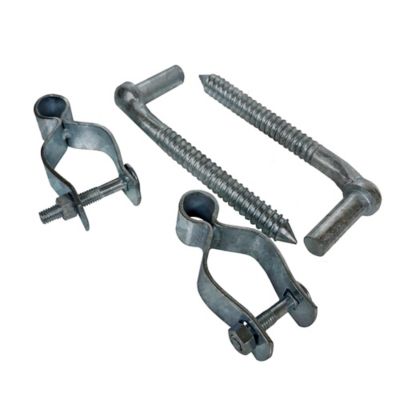
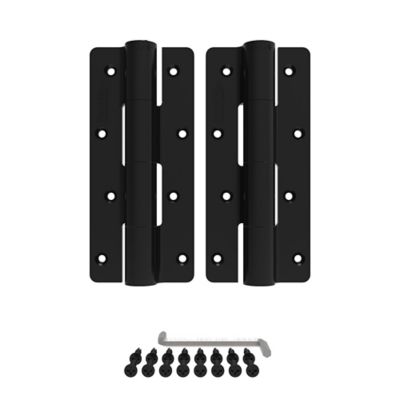
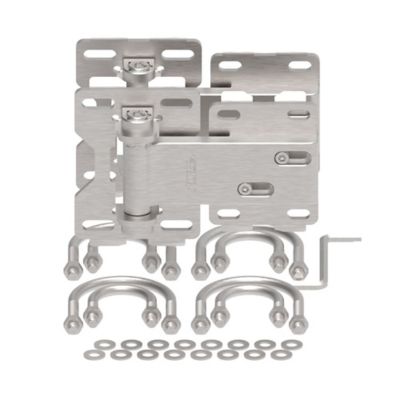
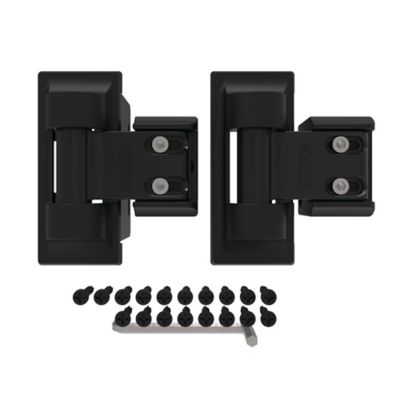
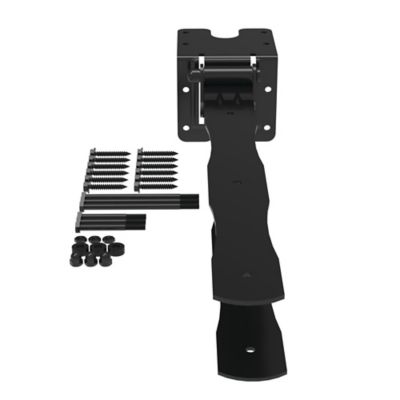
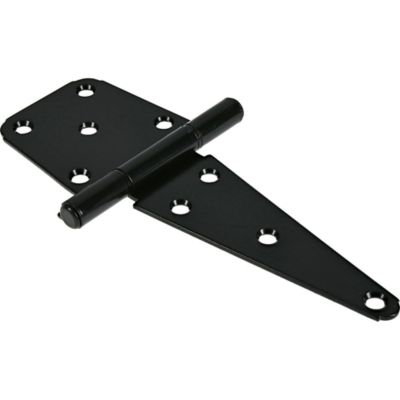
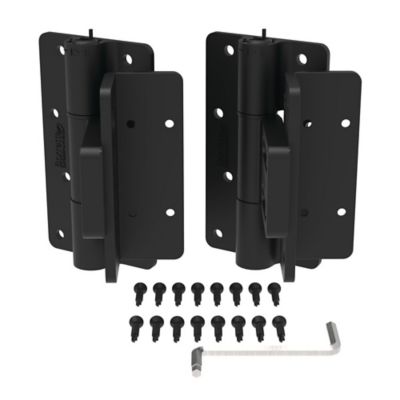
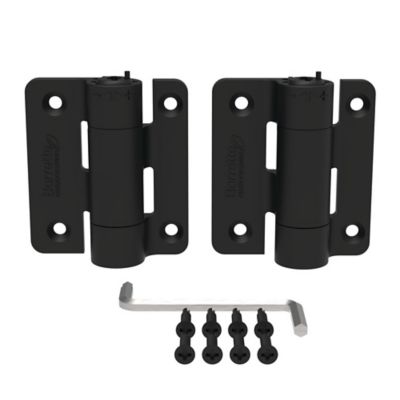
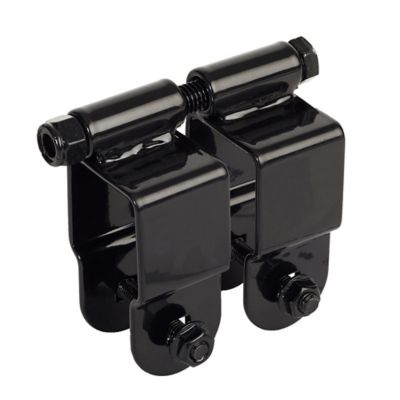
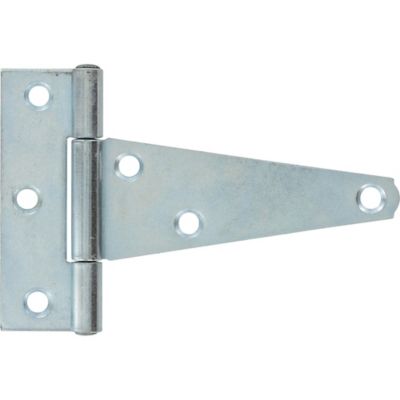
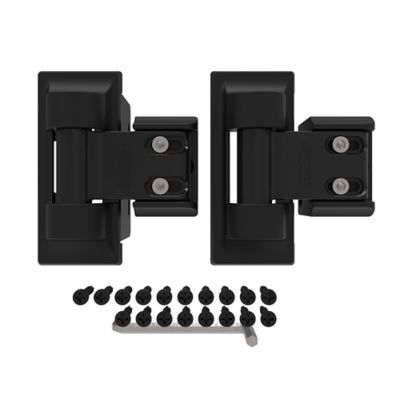
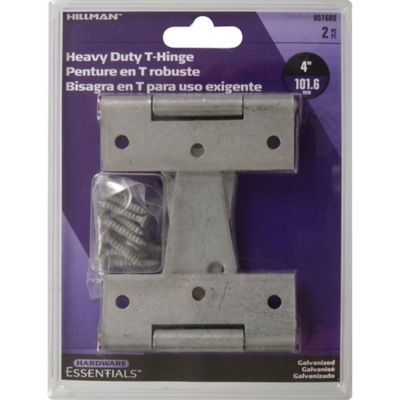
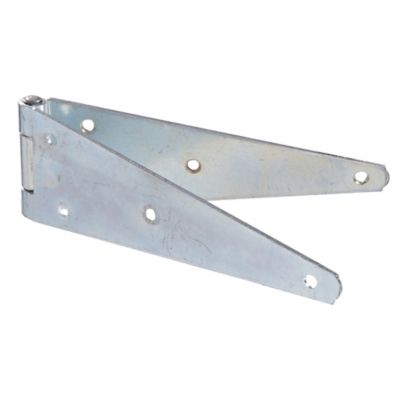
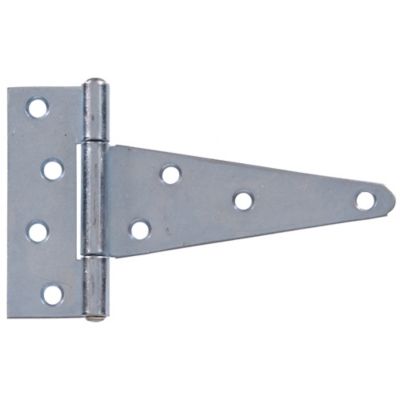
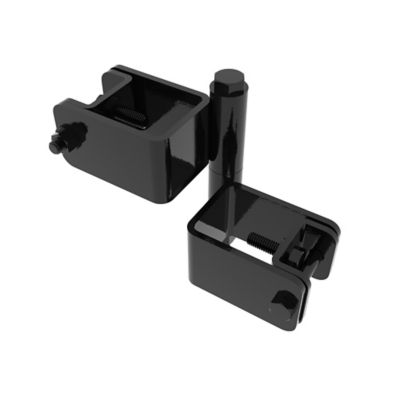
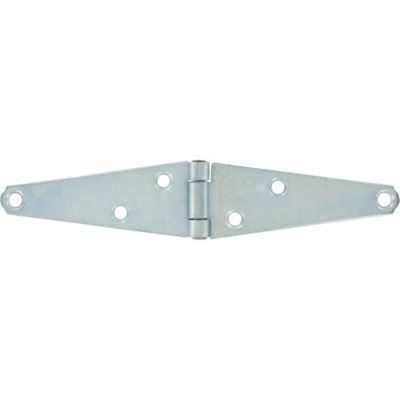
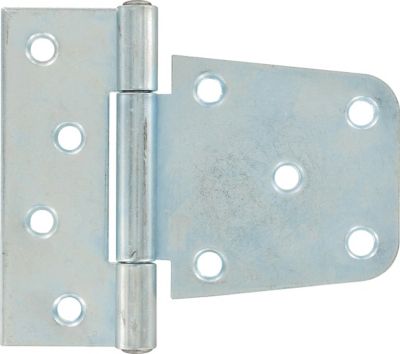
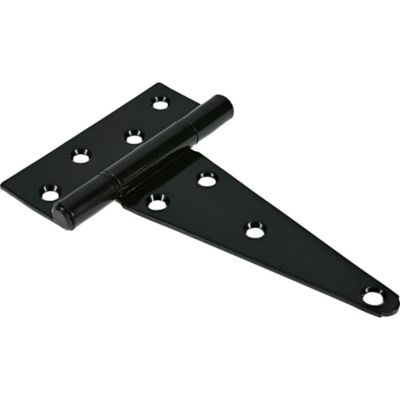
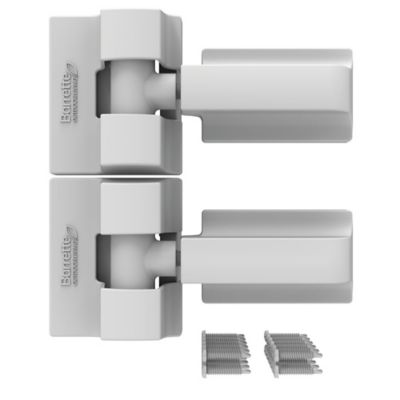
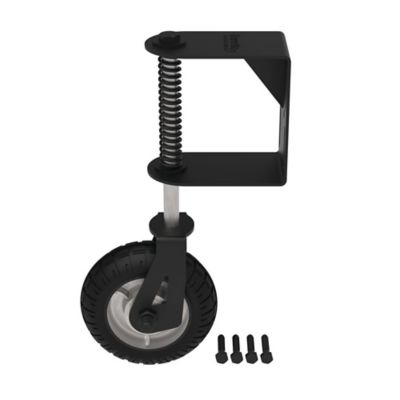
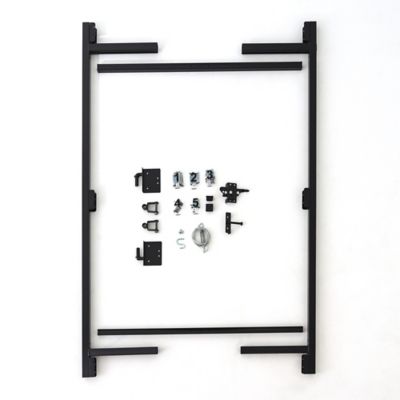
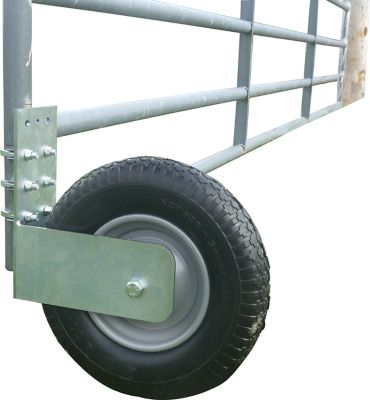
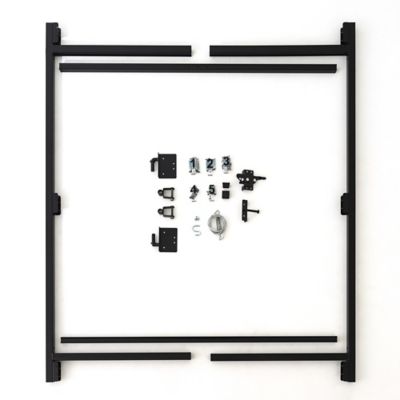
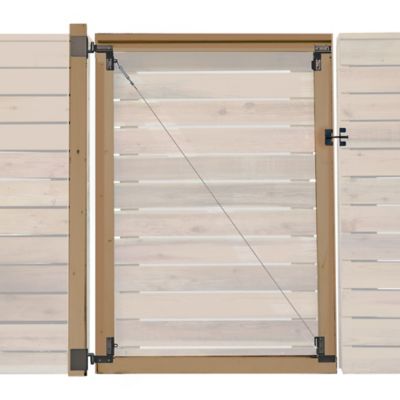
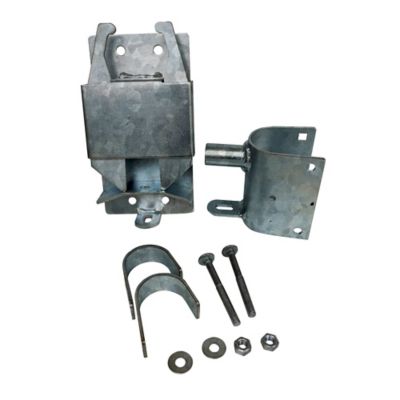
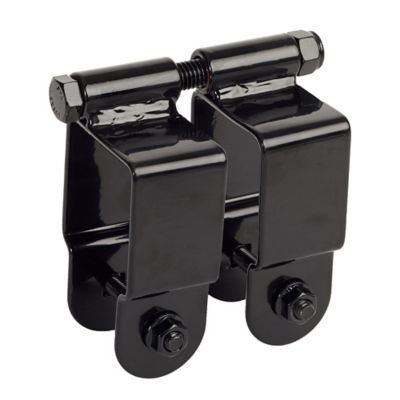
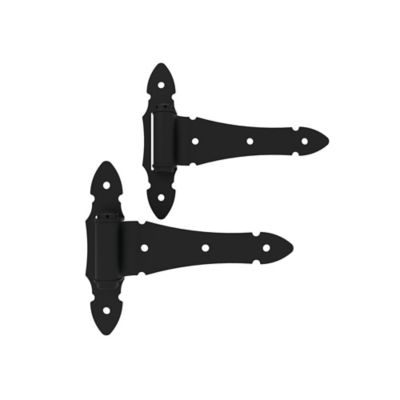
Gate hinges for metal gates connect the gate frame to a supporting post and let the gate swing while carrying its weight. Common styles include weld-on barrel hinges, bolt-on hinges, adjustable threaded hinges, and strap hinges designed for compatible metal frames. The right fit depends on the gate’s weight and width, the shape of its frame, the post material, and the mounting arrangement. A narrow walk-through gate beside a barn puts different demands on its hinges than a broad driveway gate or a steel entrance opened several times a day. Width matters alongside weight because a long gate creates more leverage at the hinge side, even when its frame is relatively light. Load ratings need to match the manufacturer’s stated hinge arrangement, mounting method, and gate dimensions rather than weight alone. Steel hinges provide strength for many farm and property applications, while galvanized or zinc-plated finishes help protect steel surfaces against corrosion. Stainless steel is another option where corrosion resistance is an important consideration, though its suitability still depends on the hinge’s design and rating. Weld-on hinges fasten directly to compatible steel surfaces, creating a compact connection without bolts passing through the frame. Bolt-on styles attach through mounting holes or brackets and can make later removal or replacement more straightforward. Adjustable designs provide room to change the gate’s position within the hardware’s stated adjustment range, which can help establish a workable latch gap. Barrel hinges keep the pivot close to the frame, while strap-style hardware spreads the attachment across a broader mounting area. Bearing-equipped designs can reduce friction and support smoother movement when matched to the application. Those differences matter when a gate needs to swing easily with one hand while the other holds a feed bucket, or when a wide entrance has to clear the path of a tractor and wagon. A well-matched hinge supports that everyday work without asking the gate frame or post to carry loads in ways they were not built to handle.
Fit involves more than finding a hinge that looks like the old one. Metal gates may have round tubing, square tubing, rectangular rails, or flat mounting plates, and each shape presents a different attachment surface. A hinge intended for a round tube may not seat properly against a square frame unless the mounting system specifically accommodates it. Frame dimensions, wall thickness, bolt spacing, pin diameter, and the distance between the pivot and the mounting surface all affect compatibility. On replacement jobs, existing welds, brackets, and holes can narrow the choices considerably. A pin that appears close in size can still leave too much play or prevent the matching hinge section from seating. Matching components by their listed dimensions helps avoid a gate that rattles, binds, or hangs at an angle. The post deserves just as much attention as the gate: a steel post needs a suitable attachment area, while mounting to wood generally calls for hardware intended for that connection. The hinge rating cannot make up for a loose post, weakened frame, or fastener that lacks proper support. Gate movement also depends on pivot placement and clearance. Some arrangements allow a broad opening arc, while others have limits set by the hinge, post, or nearby fence. A gate that swings toward a fence brace, feed trough, or parked implement may need a different offset or mounting position from one opening into a clear lane. Ground clearance and latch alignment work together, especially on an entrance with a noticeable slope. Adjustment can help fine-tune a sound installation, but it is not a substitute for a properly supported post or a straight frame. Lift-off designs can make planned gate removal easier, while hardware with retention features helps address unwanted lifting where that matters. For powered gates, hinge selection also needs to meet the gate operator manufacturer’s requirements. These details separate hardware that merely attaches from a setup that gives the gate room to move as intended.
For pasture entrances and livestock pens,
gate hinges for farm gates share many of these same fit and load considerations. Ranchers, small-acreage owners, boarding facilities, and property caretakers often need gates that open without a wrestling match and return to the latch without dragging. A livestock gate also needs hardware suited to its intended use, since animals may rub against or push on the frame. Hinges are only one part of that setup; posts, latches, stops, and the gate itself all contribute to a secure enclosure. At a shop yard or equipment entrance, a heavier frame and frequent opening may put more emphasis on load capacity, bearing design, and accessible service points. Around a garden or side yard, a smaller metal gate may call for a more compact hinge that clears the fence and keeps the latch lined up. Across these settings, service life depends on the material, protective finish, installation, and ongoing care. Scraped coatings, loose fasteners, worn pins, and cracked attachment points deserve attention before they become a gate that sags or catches. Lubrication needs vary by design: some hinges have grease fittings, some call for oil at specified points, and others contain bearings with different maintenance requirements. The manufacturer’s care directions establish the right approach without packing an exposed joint with unnecessary grease that can collect grit. Dirt and bedding around the lower hinge can interfere with movement, while rough swinging or new play at the pivot may signal wear or a mounting problem. A gate dragging at its outer end can also point to post movement or frame damage rather than a hinge alone. Replaceable pins or serviceable components can simplify upkeep when the design provides them. Hardware with clearly stated dimensions, mounting requirements, and load limits makes it easier to match the hinge to the job, whether that means a walk-through gate by the tack room or a wide entrance carrying the daily traffic of a working property.