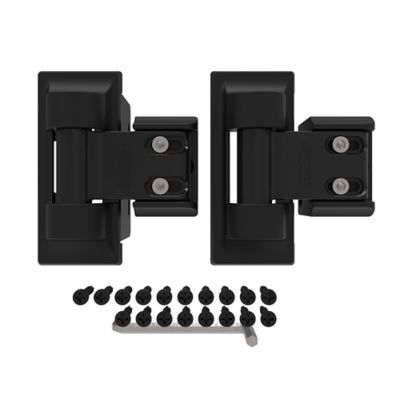
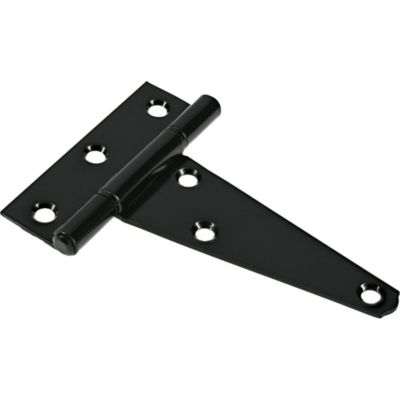
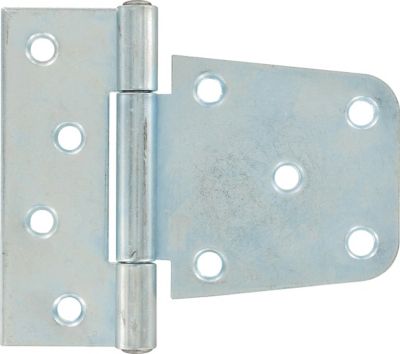
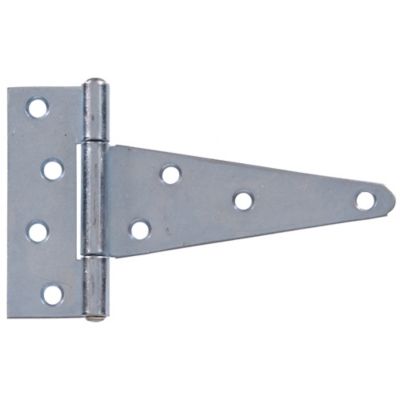
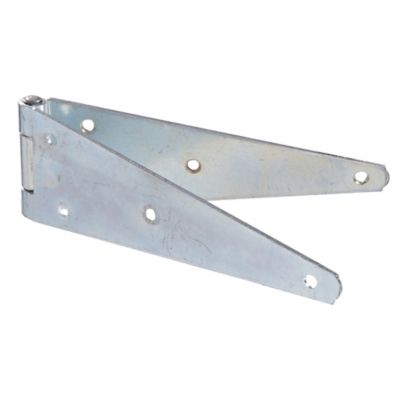
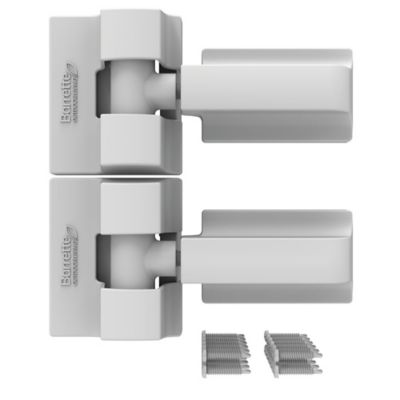
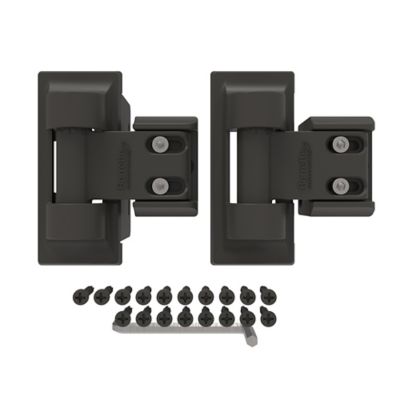
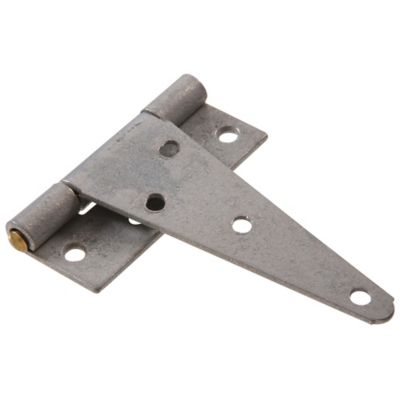
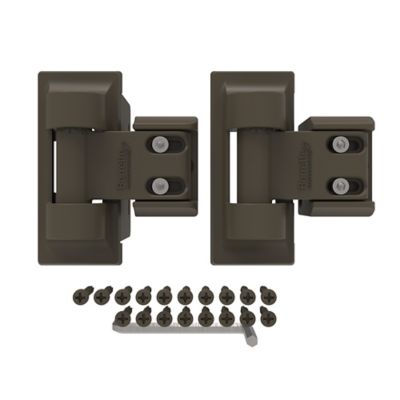
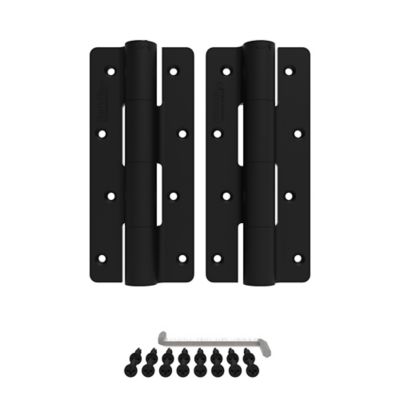
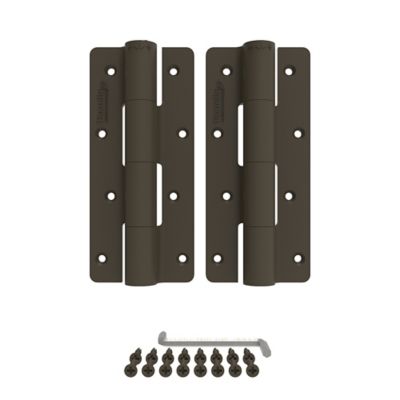
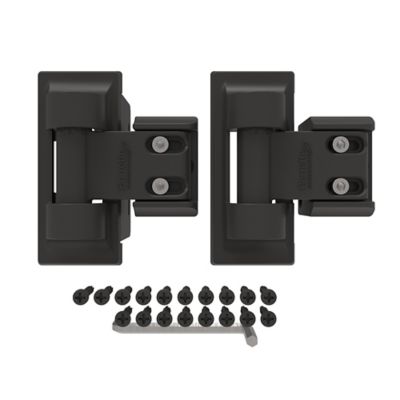
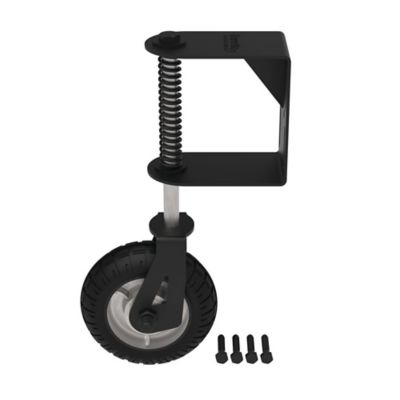
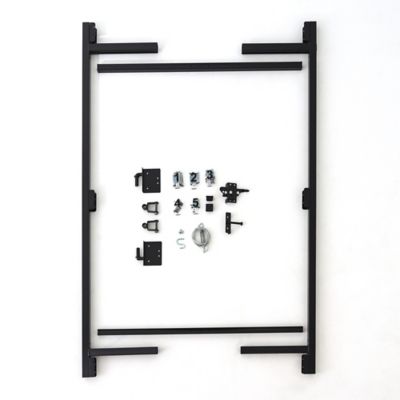
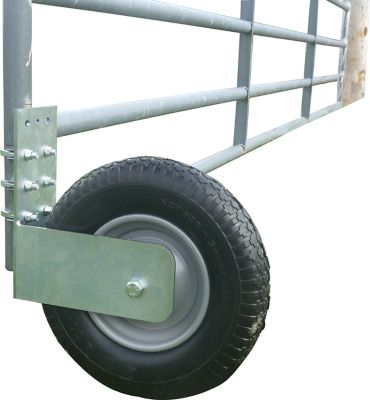
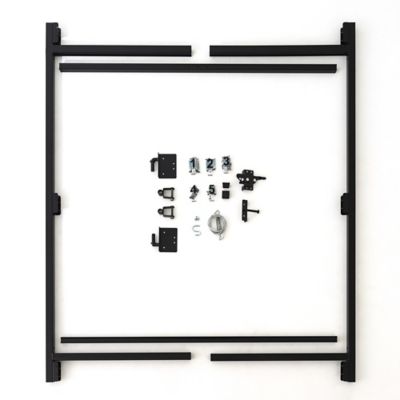
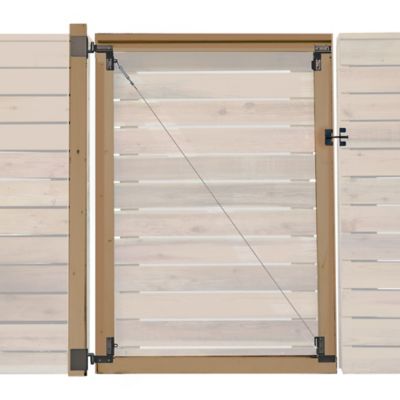
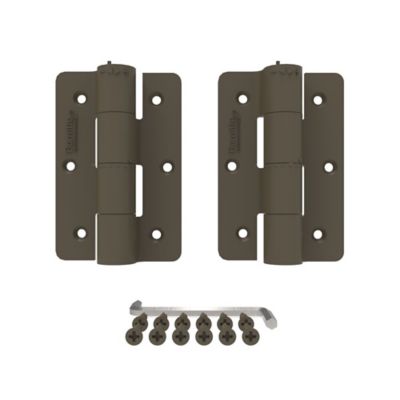
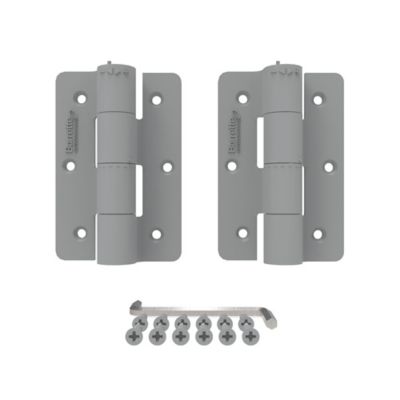
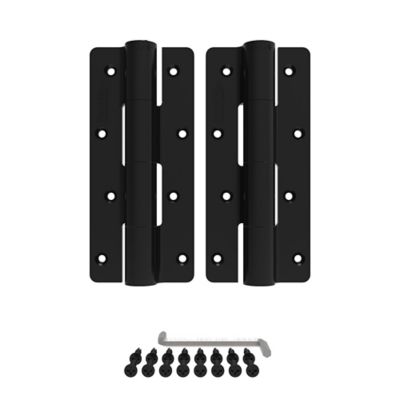
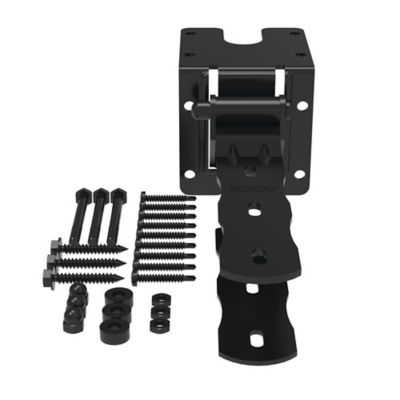
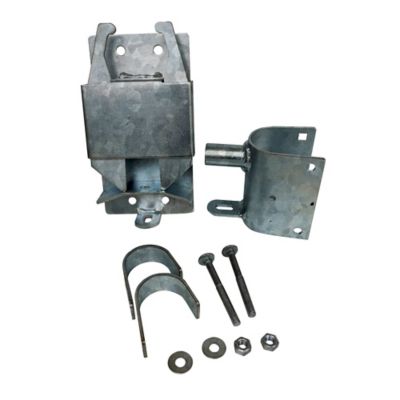
Gate hinges for farm gates connect a gate to its supporting post, carry the gate’s weight and allow it to swing open and closed. A well-matched hinge setup helps keep the gate aligned with its latch and clear of the ground, whether the opening leads to a horse pasture, cattle lot, equipment yard or garden. That small piece of hardware takes on plenty of work: a wide gate puts leverage on the post, livestock can lean against the frame, and a busy entrance may open and close many times a day. Choosing hinges means looking beyond the size of the gate opening. The gate’s weight, frame construction, post material and attachment points all affect the fit. A lightweight tubular gate and a heavy board gate can span the same opening while placing very different demands on their hardware. Steel is a common material for farm gate hinges because it provides strength at the connection between gate and post. Galvanized finishes help protect steel against corrosion, while other protective coatings offer another barrier between the metal and its surroundings. Stainless steel may suit settings where corrosion resistance is a particular concern, provided the hinge design and load rating fit the application. Finish alone does not determine how much a hinge can carry; metal thickness, pin size, construction and mounting method matter, too. Around a barn or pasture, the best fit is hardware that matches the actual job rather than simply looking substantial. A walk-through opening for carrying feed buckets calls for different handling than a wide entrance where a tractor and implement need room to pass. For farmers, ranchers, horse owners and acreage owners, properly matched gate hardware helps make those everyday trips less of a struggle. It also helps protect the gate frame and mounting points from the extra strain that comes with dragging, binding or lifting a gate by hand to reach the latch.
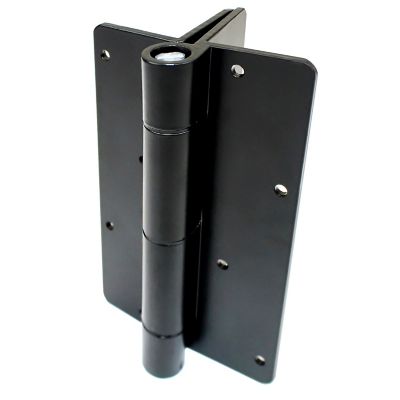
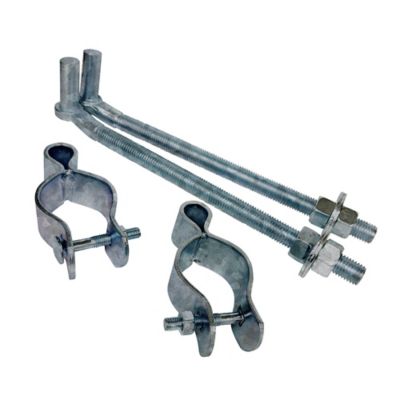
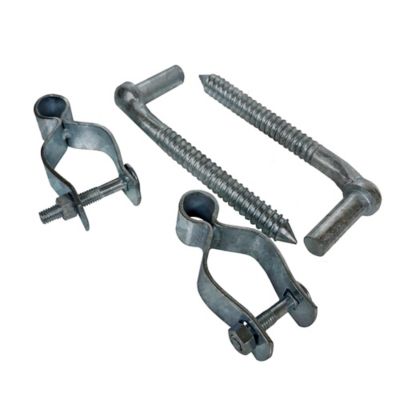
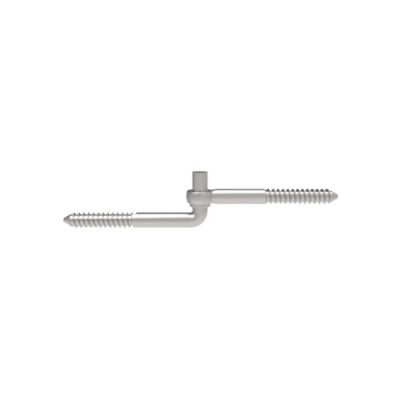
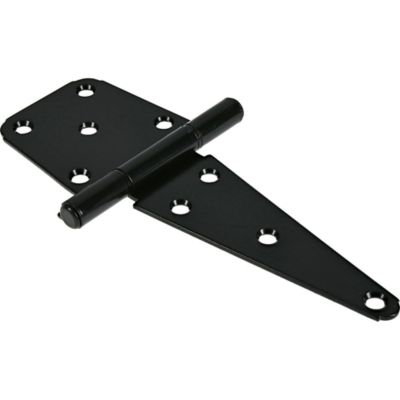
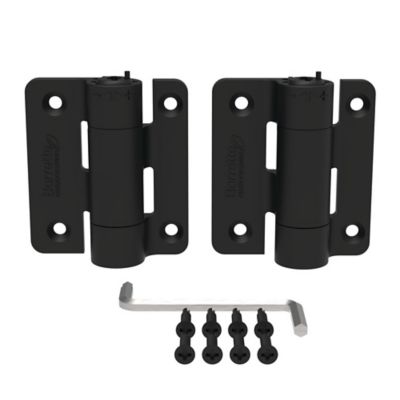
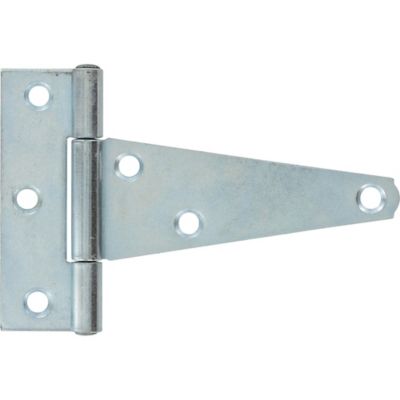
Farm gate hinge styles vary in how they attach and how they allow the gate to move. Pin-and-loop arrangements provide a pivot point between the gate and post, while strap hinges spread their attachment across part of the gate’s surface. Bolt-on designs attach with fasteners, and weld-on designs require a suitable metal mounting surface and proper welding. Threaded hinge pins can offer adjustment in some setups, but the available adjustment depends on the hardware and should not substitute for a straight, sound post. Wood posts, steel posts and masonry supports each need an attachment method suited to their construction. A hinge intended to pass through a post is not interchangeable with one that threads into wood or welds to steel. Fit also includes details that are easy to overlook when a gate is still hanging in place: the diameter of the hinge pin, the inside size of its matching receiver, the gate frame’s shape and dimensions, and the spacing of existing mounting holes. Replacement hardware needs compatible mating parts, not just a similar appearance. Gate width deserves close attention alongside weight because a longer gate increases leverage at the hinge side. Published load limits may apply to a complete hinge arrangement under particular mounting conditions, so individual hinge ratings should not simply be added together to estimate capacity. The supporting post and its foundation must also handle the load. Even a strong hinge cannot correct a loose post, a twisted frame or weak attachment points. Clearance matters throughout the swing, not only when the gate is closed. Nearby fencing, posts, walls and the ground can limit travel, while hinge placement influences the space between the gate and its support. Some arrangements permit movement in one direction, and others allow movement in both directions when the surrounding layout permits it. At a livestock entrance, that choice should work with the way animals move through the opening and with the latch and stops that control the gate.
Keeping farm gate hinges working smoothly starts with paying attention to the whole connection. A gate that begins scraping the ground may have worn hinge parts, but it may also have a shifting post, loose fasteners or a frame that has slipped out of alignment. Replacing a hinge without addressing the underlying movement can leave the same problem waiting at the next chore. Dirt and grit around a pivot can contribute to wear, so keeping those areas clean helps make inspection easier. Lubrication should follow the hardware manufacturer’s directions; not every hinge design calls for the same treatment. Loose nuts, enlarged mounting holes, bent pins, cracked welds and damaged protective finishes are worth catching before the gate becomes difficult to handle. A broad wooden gate brings its own considerations because its rails, braces and fastener locations influence how the load reaches the hinges. For board-built entrances and similar projects,
Hinges for Wooden Gates offers a related category to consider alongside hardware for metal farm gates. In either case, hinge selection works best as part of a complete opening: the gate, post, latch, fasteners and any stops all need to suit one another. A latch holds the gate closed; hinges support its movement, and neither takes the place of the other. Where animals have access to the hardware, exposed ends and pinch points deserve attention, along with secure attachment that discourages unintended lifting or separation where the design allows it. For a feed-lot entrance, a paddock gate or the opening beside a machine shed, smooth movement should come without forcing the frame or wrestling the latch into place. Hardware matched to the gate’s dimensions, load and daily traffic helps keep that routine straightforward, with less strain on the parts and less interruption when there are animals to tend or equipment to move.