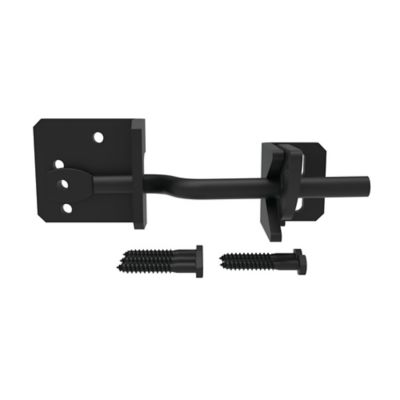
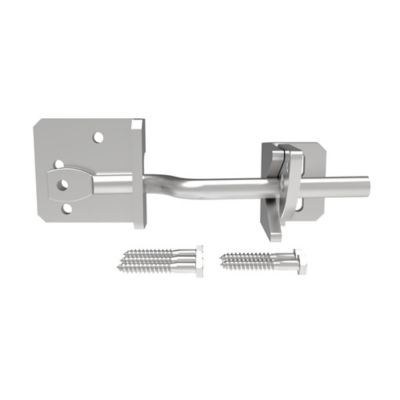
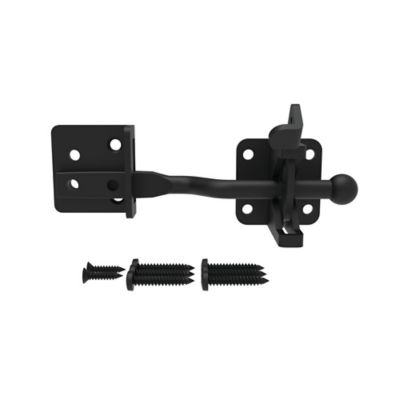
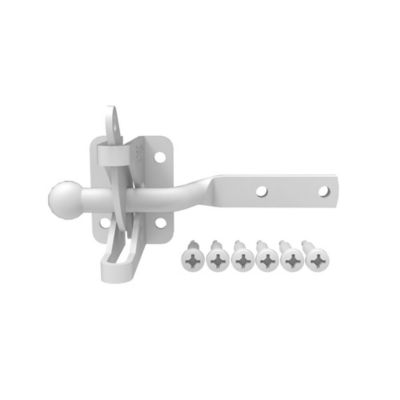
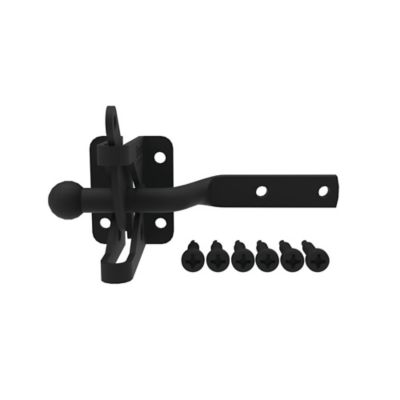
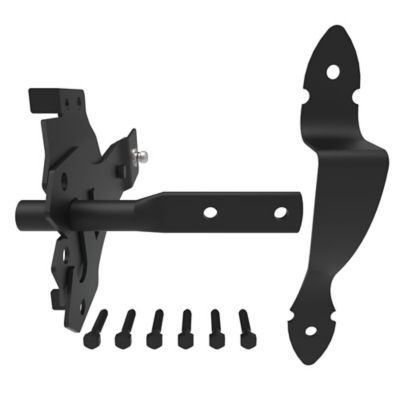
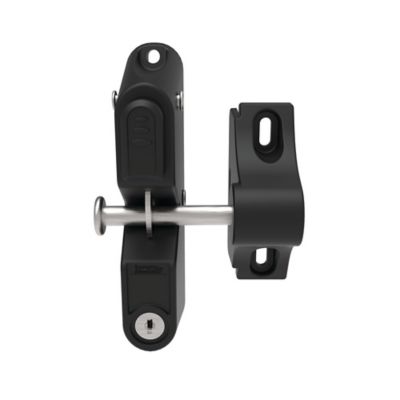
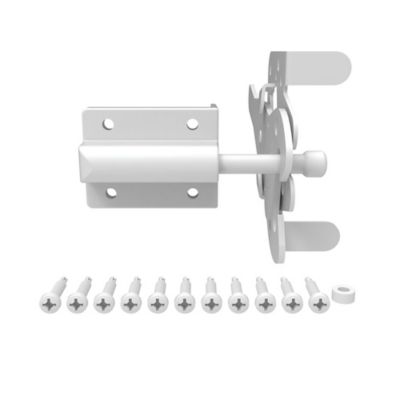
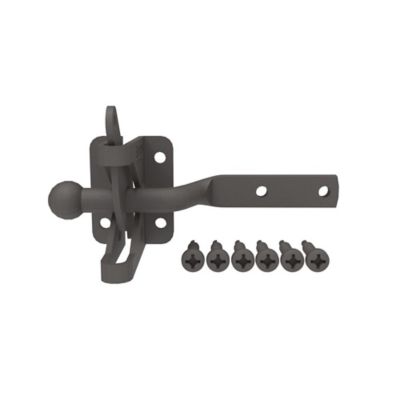
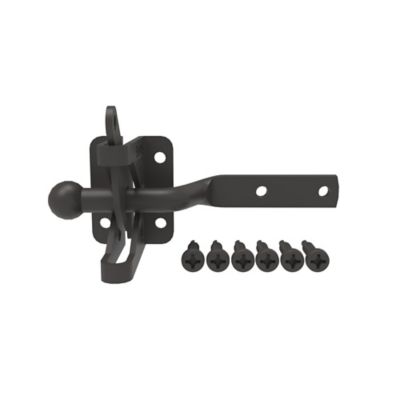
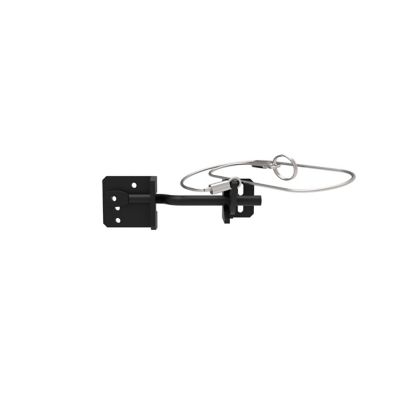
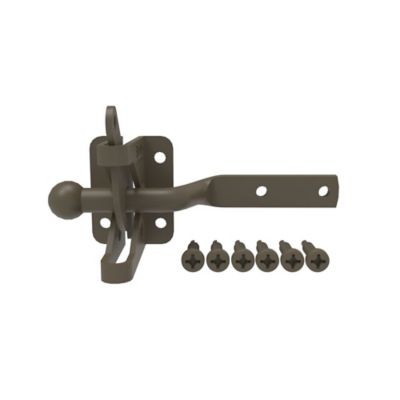
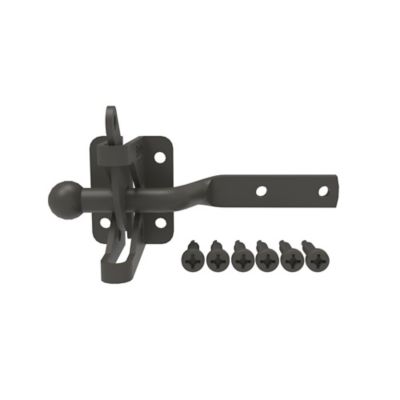
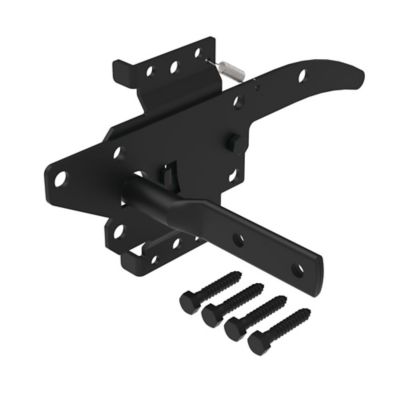
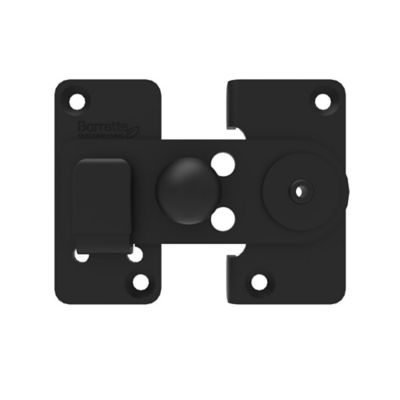
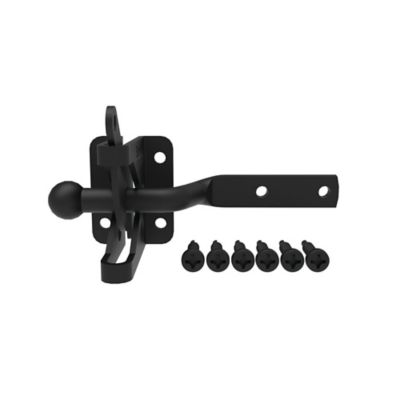
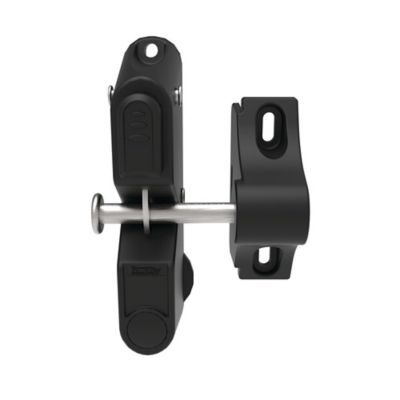
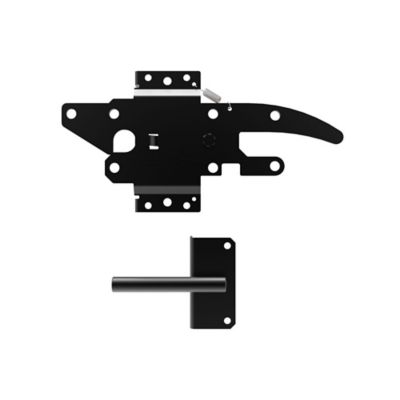
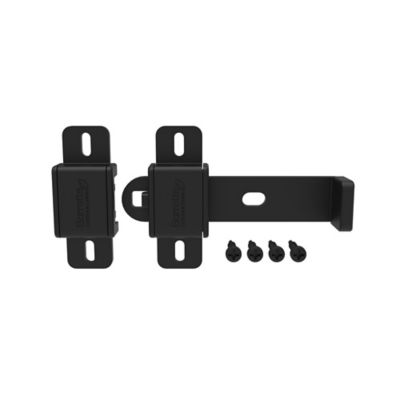
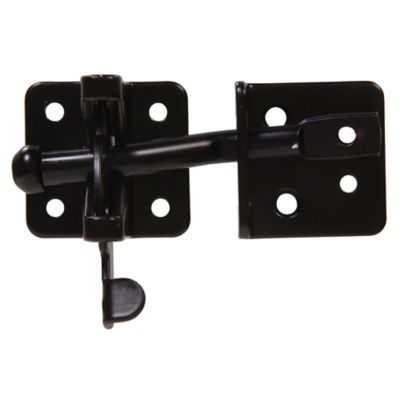
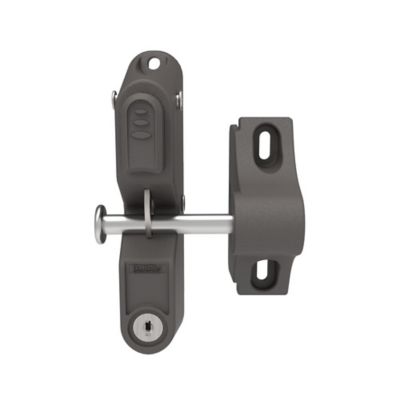
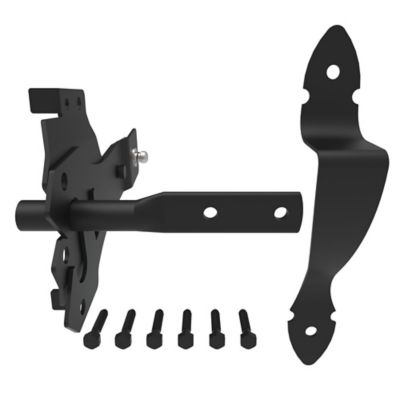
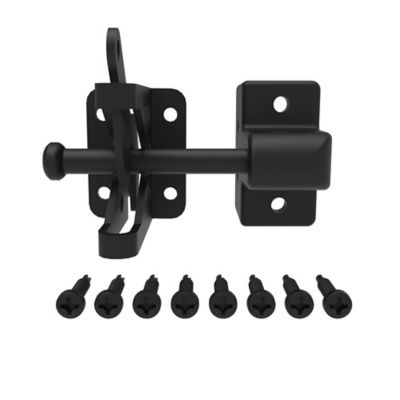
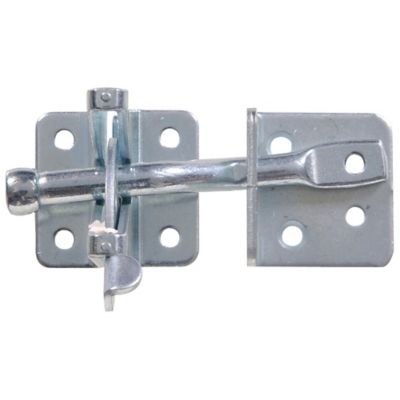
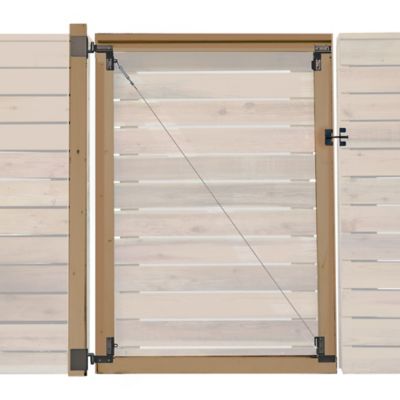
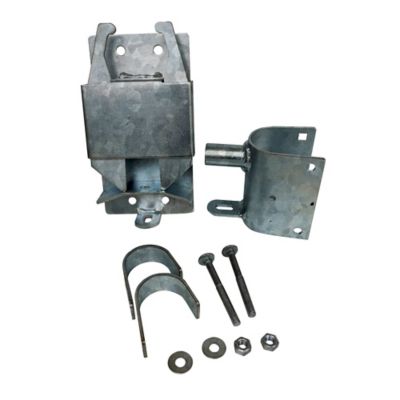
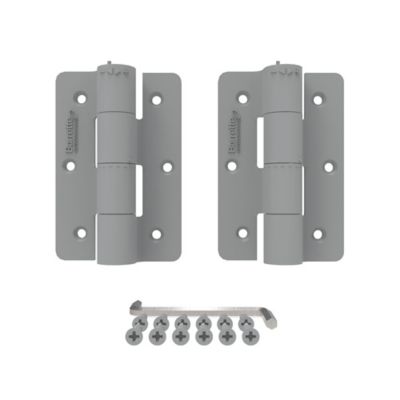
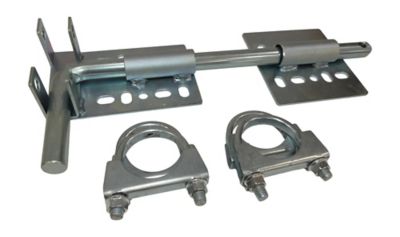
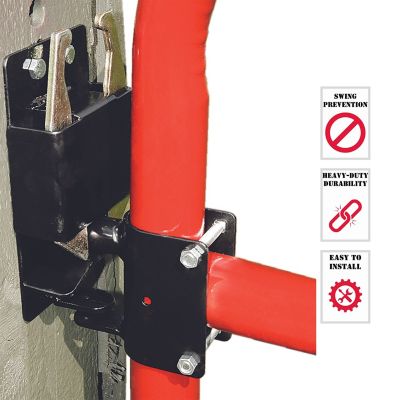
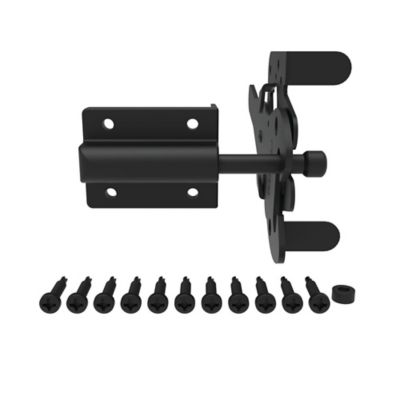
Gate latches for wood gates secure the moving edge of a gate to a post or another gate leaf, keeping the opening closed until someone releases the hardware. The right fit depends on the gate’s construction, its swing direction and what sits on either side, from a fenced backyard to a garden path or livestock pen. Common styles include gravity latches, thumb latches, ring latches and slide bolts, each with a different feel and method of operation. A gravity latch catches when its bar enters the keeper, making it handy for frequently traveled openings when the parts line up properly. That catching action does not close the gate by itself; self-closing hinges or another suitable closing mechanism handle that job. Thumb latches typically pair a hand grip with a small lever, while ring latches turn to lift a latch bar. Both can suit wooden pedestrian gates where access from either side matters, provided the hardware includes the necessary operating parts. Slide bolts move into a keeper and offer a straightforward way to hold a gate shut, though they generally need someone to position the bolt rather than catching automatically. Spring-loaded mechanisms can help a latch engage, depending on the design. For someone carrying a feed scoop or pushing a wheelbarrow, an easy-to-grasp handle and a release that works with one hand can make daily trips less awkward. A wide equipment gate has different demands than a narrow walkway gate, especially where the frame flexes or the opening sees frequent traffic. Gate latches for wood gates range from simple closure hardware to locking designs, but those functions are not interchangeable. A latch keeps the gate closed; a lock limits access. Padlock compatibility, keyed operation and access from the opposite side all deserve attention when the gate protects a tool area, animal enclosure or private yard. The best match feels natural to operate while providing the closure the space calls for.
Material and mounting details play a big part in how gate hardware holds up. Steel latches offer substantial strength, while galvanized, zinc-plated and powder-coated finishes help protect the metal against corrosion. Stainless steel offers another corrosion-resistant option, and brass brings a different appearance that can develop a patina over time. Those material descriptions do not tell the whole story: metal thickness, latch-bar size, fastener choice and the strength of the mounting surface all affect performance. On a wood gate, screws need a sound section of framing rather than a thin picket or an unsupported board edge. A large handle may look at home on a broad gate, but its mounting pattern still has to fit the available rail or stile. Gate thickness also matters for hardware with a spindle or connecting shaft that passes through the wood. A shaft that is too short may not engage properly, while excess length can interfere with operation unless the design allows adjustment. The gap between the gate and post determines whether the latch bar reaches its keeper with enough engagement to stay put. Flush-mounted and offset arrangements accommodate different relationships between those surfaces, so matching the latch to the actual gate layout matters more than matching appearance alone. Inward-swinging and outward-swinging gates may need different mounting positions, and some mechanisms work only with a particular handing. Gate weight belongs on the hinges, not on the latch bar. A gate that must be lifted before it will catch points to an alignment or support issue that a larger latch alone will not solve. Matching the latch with suitable
Hinges for Wooden Gates helps keep the whole assembly working together. On double gates, the inactive leaf often needs a separate means of securing it before the active leaf can latch firmly. Enough clearance for the handle, keeper and swinging gate helps prevent scraped knuckles, rubbing boards and hardware that strikes the post before the gate reaches its closed position.
Everyday use gives gate latches their real test. A garden gate may open a few times during chores, while a barnyard passage can see repeated trips with buckets, carts and animals nearby. For frequent access, a broad grip, a smooth release and hardware positioned away from pinch points can make the opening easier to manage. For livestock areas, latch selection should account for the animals involved, their reach and the pressure they may put on the gate. Some animals can nose or mouth a simple release, so an enclosure may call for a more protected mechanism or an additional securing feature. No latch makes up for loose posts, weak gate framing or gaps that allow an animal through. Pet yards have similar concerns, with attention to the space beneath the gate as well as the closure itself. Where a gate serves a pool enclosure, the hardware, installation height and closing action must meet applicable barrier requirements; an ordinary yard latch should not be assumed to satisfy them. Locking arrangements also need to allow any required exit access rather than trapping someone on the wrong side. Care is usually straightforward, but small details matter over the life of the hardware. Dirt packed into a keeper can prevent full engagement, and loose screws can let the latch shift just enough to miss its catch. Periodic checks for worn contact points, cracked wood around fasteners and damaged protective coatings can catch trouble before a gate starts swinging open unexpectedly. Lubrication should follow the hardware maker’s directions, since not every mechanism calls for the same treatment. A firm tug after closing confirms that the latch has actually caught, rather than simply resting against the keeper. Whether the opening leads to a vegetable patch, a side yard or a feed lot, well-matched gate latches for wood gates bring together secure engagement, comfortable handling and hardware that suits the work the gate does each day.