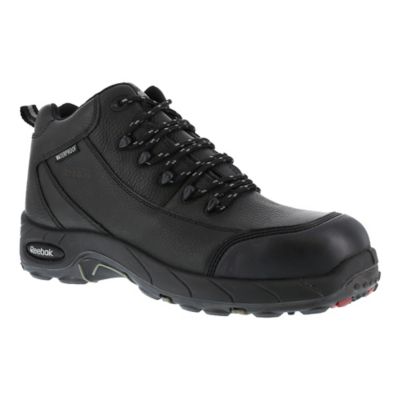
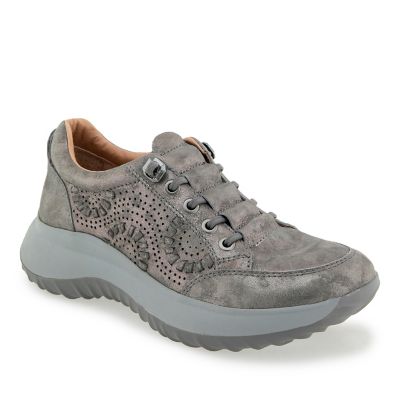
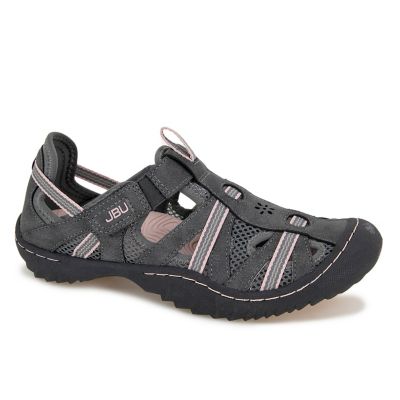
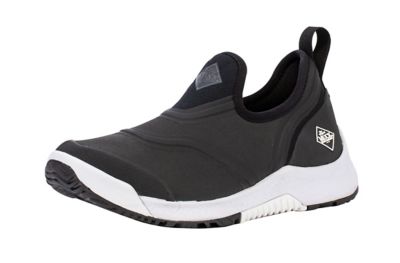
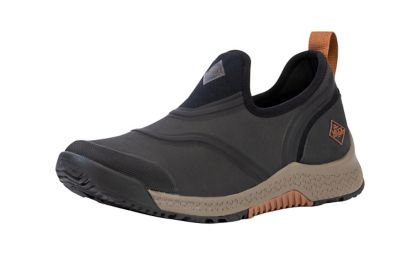
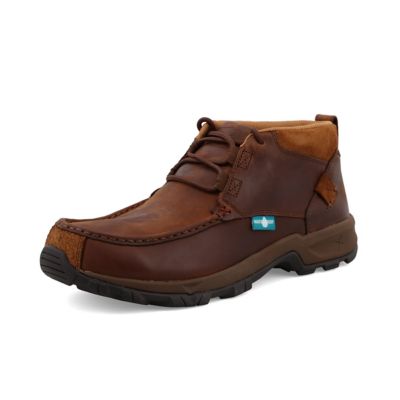
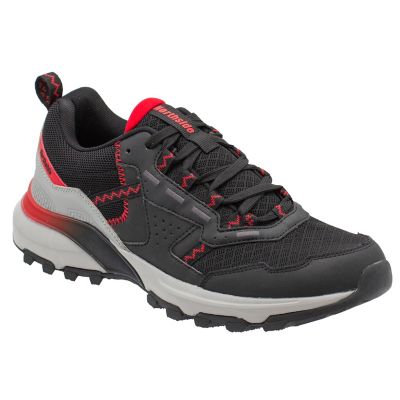
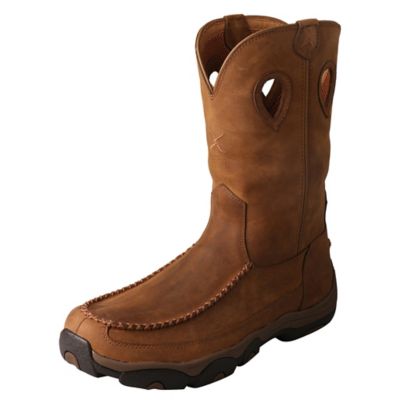
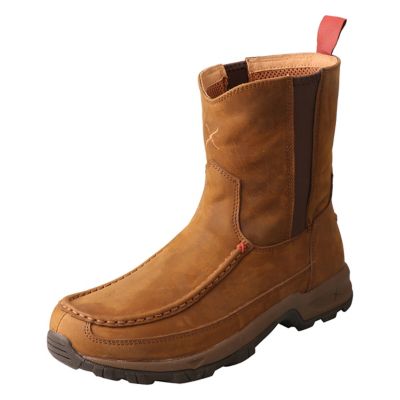
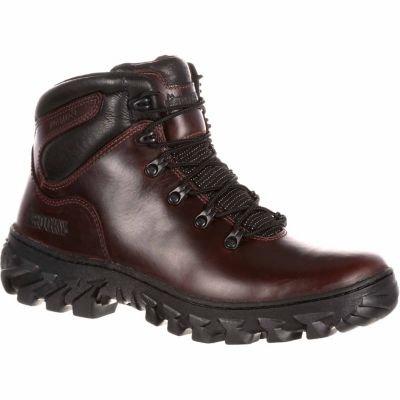
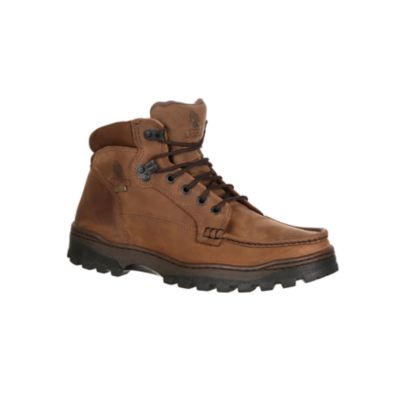
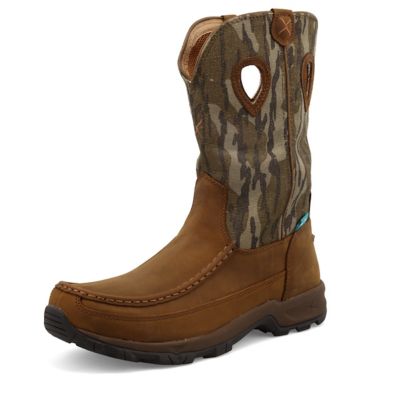
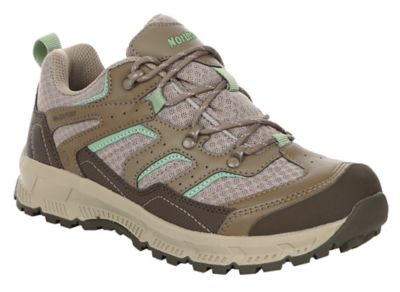
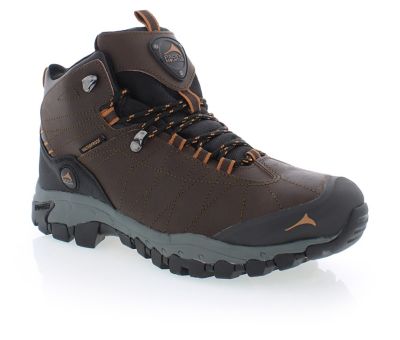
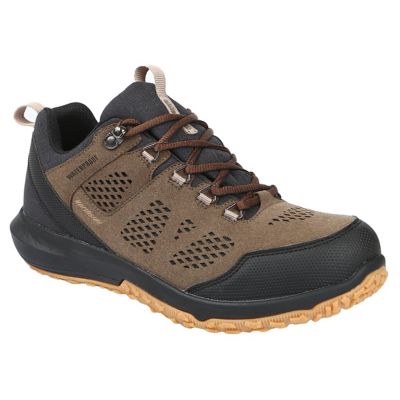
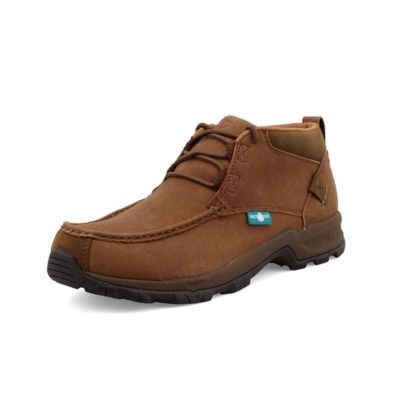
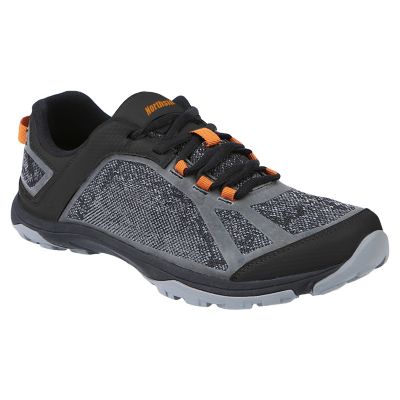
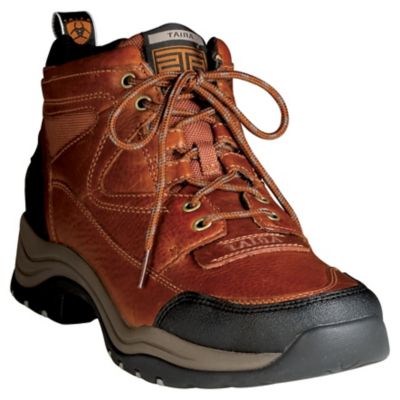
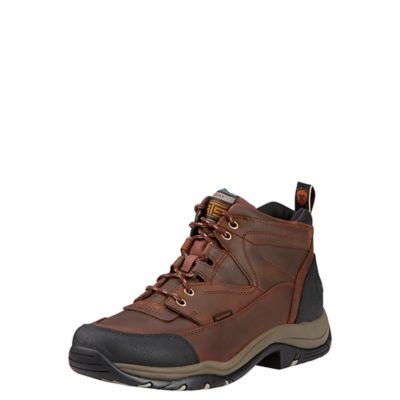
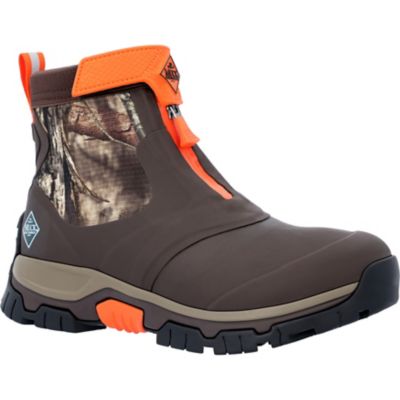
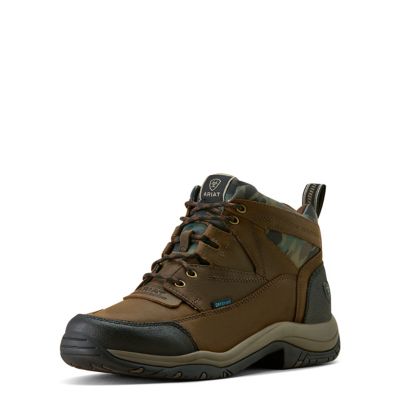
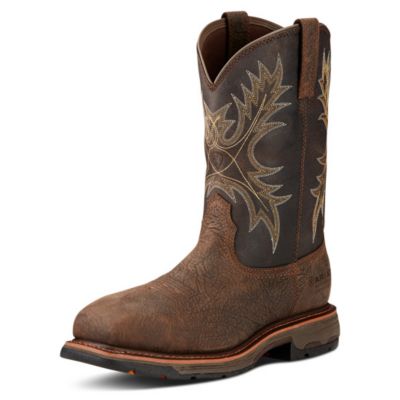
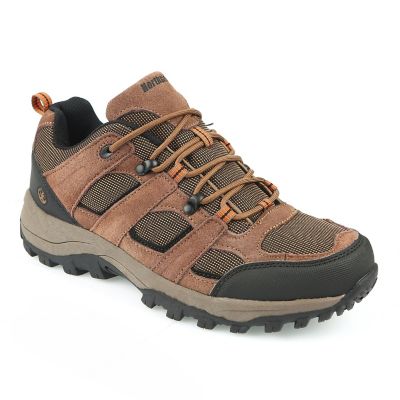
Hiking shoes for wide feet need to provide room where a foot actually needs it, whether that means extra space across the ball of the foot, a broader toe box, or more volume over the instep. A wide-width shoe and a shoe with a roomy, foot-shaped toe box are not always the same thing. True wide sizing generally adds width through more of the forefoot, while an anatomical toe box gives the toes room to spread and may still fit fairly close through the heel and midfoot. That distinction matters for someone whose toes feel crowded but whose heel slips in a broader shoe. Men’s hiking footwear commonly uses 2E for wide and 4E for extra-wide; women’s footwear often uses D for wide and 2E for extra-wide. Width labels and measurements vary by manufacturer, so the size chart for the footwear matters more than the letter alone. The
wide width hiking shoes category brings the focus to footwear proportions rather than simply adding length. Going up a size to gain width can leave too much space at the heel and let the foot slide forward on a descent. A sound fit leaves wiggle room for the toes, holds the midfoot without squeezing, and keeps heel movement modest. Hiking socks and any orthotic or replacement footbed also take up space inside the shoe. Trying footwear with those same layers gives a better sense of how it will feel several miles from the trailhead. Feet can spread and swell during a long walk, making a try-on after some time on foot especially useful. On a downhill stretch, toes should not repeatedly bump the front, and the sides of the shoe should not press hard against the little toe or the ball of the foot. Wide feet can still have narrow heels, low arches, or high insteps, so width is only one part of getting that settled-in feel.
Materials and construction help determine where wide hiking footwear feels most at home. Leather uppers offer abrasion resistance around brush, roots, and rough ground, while suede provides a softer feel with similar care needs. Synthetic fabrics and mesh panels can reduce weight and let heat and moisture escape, a welcome feature when a steady climb turns into a full afternoon on foot. Reinforced toe caps help shield the front of the shoe from scuffs against rocks, though the space beneath that reinforcement still needs to suit the wearer’s toes. Waterproof membranes can limit water entering through the upper at shallow creek edges or damp vegetation, but water can still come in over the collar, and less breathable construction may take longer to dry. For many walkers, the right balance depends on the route rather than a single feature. A maintained park path calls for something different from a rocky ridge or a rough access trail to a fishing spot. Rubber outsoles with well-spaced lugs give loose dirt somewhere to move, while the shape, depth, and rubber compound all influence traction. No tread grips every surface equally, particularly smooth rock or loose gravel over hard ground. Underfoot, cushioning takes some of the edge off repeated steps, and a firmer platform can feel steadier when carrying a daypack across uneven terrain. EVA midsoles tend to feel light and cushioned; polyurethane midsoles often feel firmer and can resist compression well. A rock plate or supportive shank can reduce the pressure felt from sharp stones without replacing the need for a comfortable fit. Low-cut hiking shoes leave the ankle freer to move than taller footwear, but collar height alone does not determine support. Heel hold, sole stiffness, lacing, and the shape of the footbed all contribute to how planted a pair feels when stepping over a root or crossing a sloped trail.
Wide hiking shoes suit a range of everyday outings, from a short loop with the family to long walks across public land and the uneven path between a gravel pull-off and a creek bank. They can also make sense for folks who spend their free time exploring beyond the fence line and want trail-focused footwear without the height of a boot. Carrying a heavier pack or traveling over especially rough ground changes the demands on the shoe, so cushioning, flexibility, and underfoot support deserve attention alongside width. Hiking footwear is not automatically a substitute for footwear with required workplace safety features. For trail duty, service life depends on the upper material, outsole compound, miles covered, and how the shoes are cared for between outings. Grit left around seams and flex points can act like sandpaper, while packed dirt in the tread reduces the space available for traction. A soft brush and a gentle cleaning method suited to the upper help remove trail dust without being hard on the materials. Leather may need an appropriate conditioner, and waterproof treatments should match the footwear’s construction. Removing loose footbeds and letting the shoes air-dry away from direct heat helps the interior dry more evenly; a heater, clothes dryer, or hot vehicle can harm adhesives and stiffen leather. Worn tread, separating soles, cracked uppers, and cushioning that stays flattened are signs to look at before a longer outing. Persistent rubbing or pressure is not something a wide-footed hiker should have to accept as a normal break-in period. These shoes can make a thoughtful gift for a regular trail walker, a camping partner, or someone who enjoys checking out the back roads on foot, but the recipient’s usual length, width, sock thickness, and fit preferences matter. The goal is simple: enough room for toes to move, enough hold to keep the foot settled, and a build suited to the ground ahead.