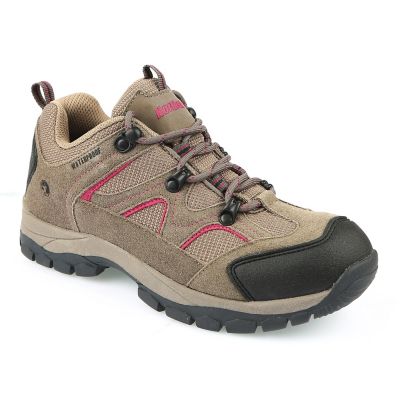
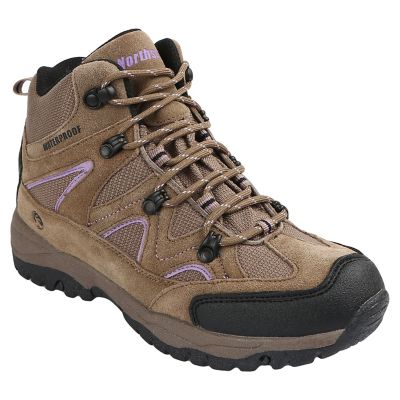
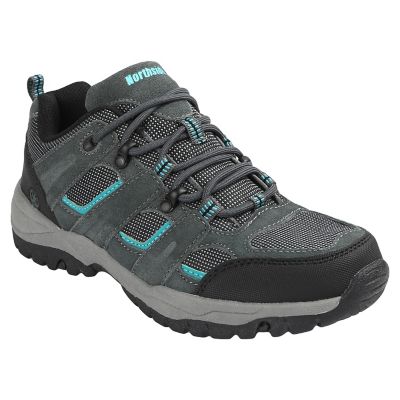
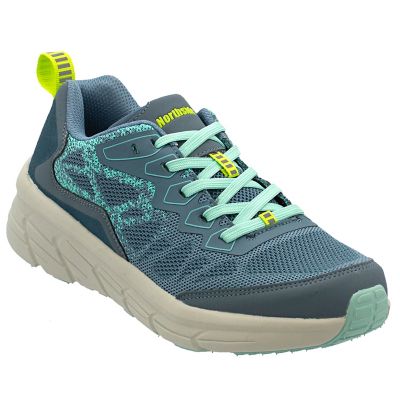
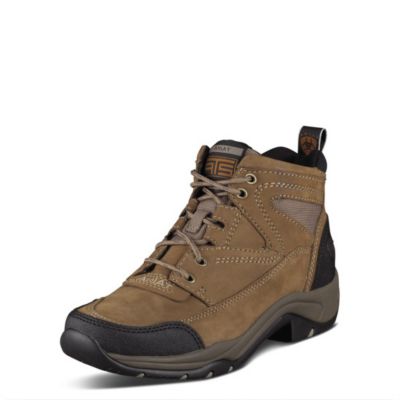
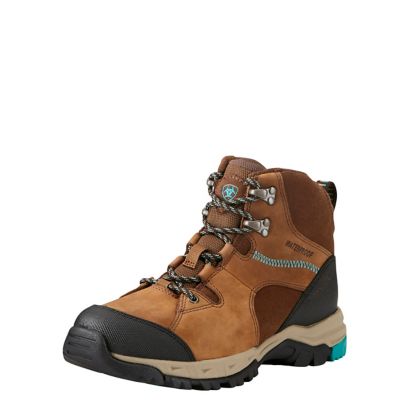
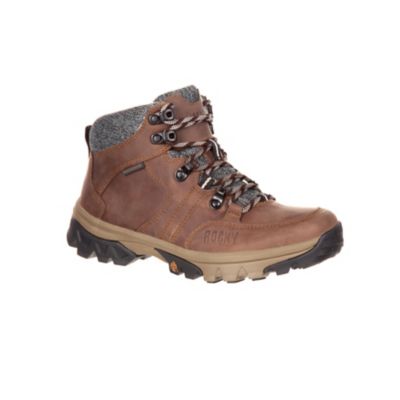
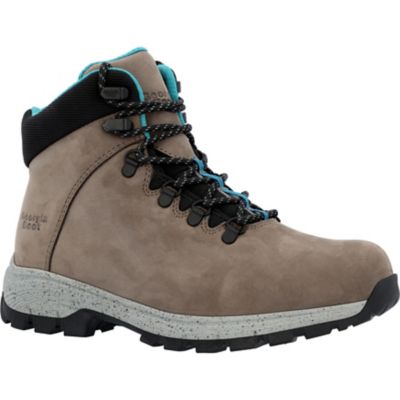
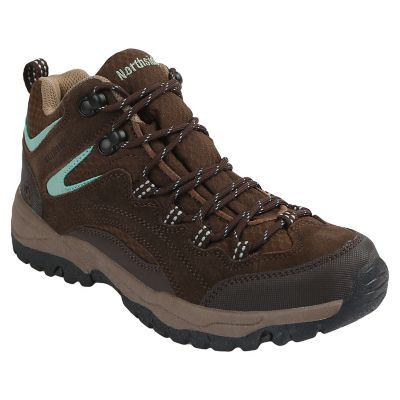
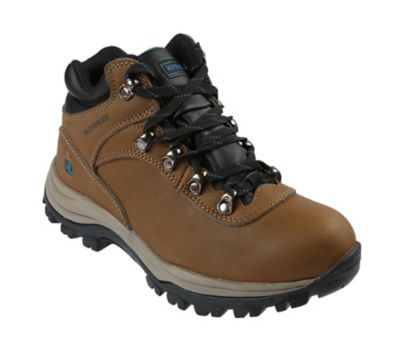
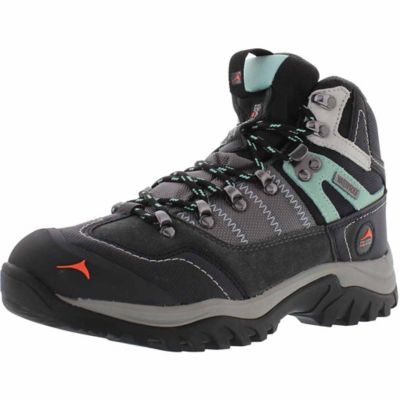
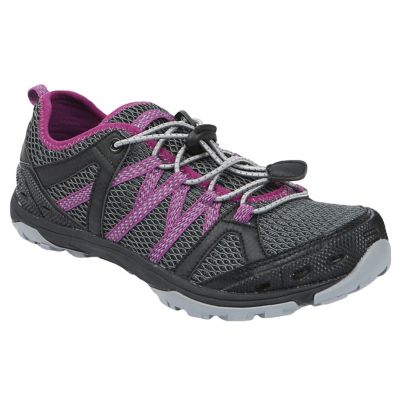
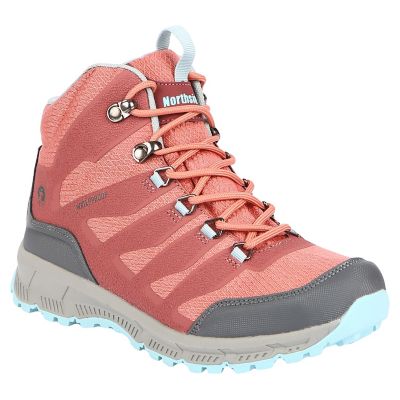
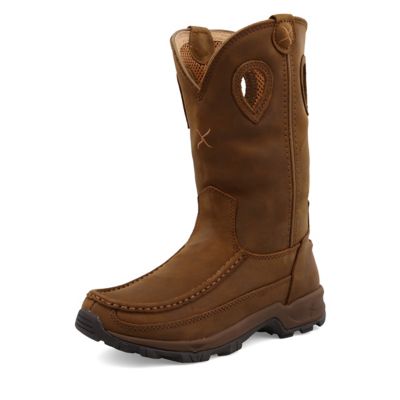
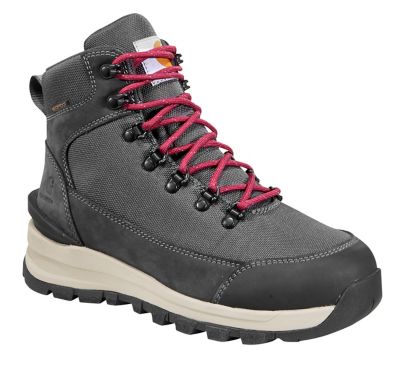
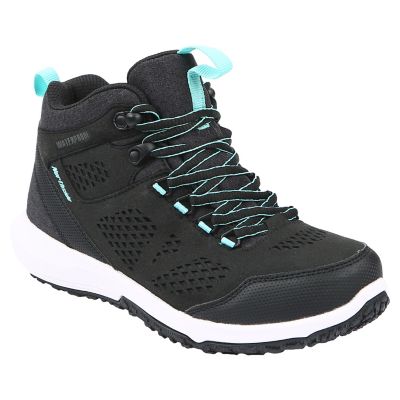
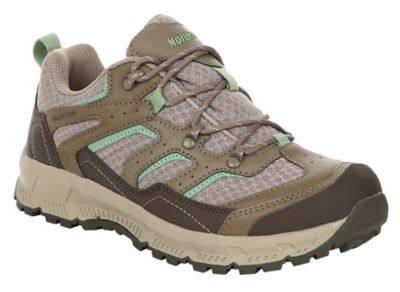
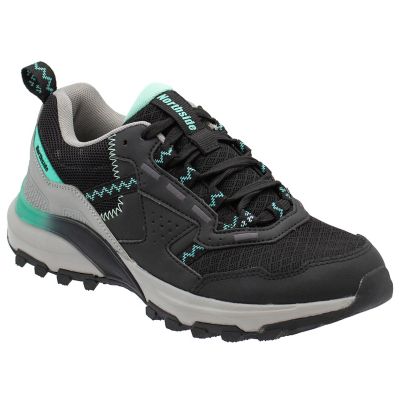
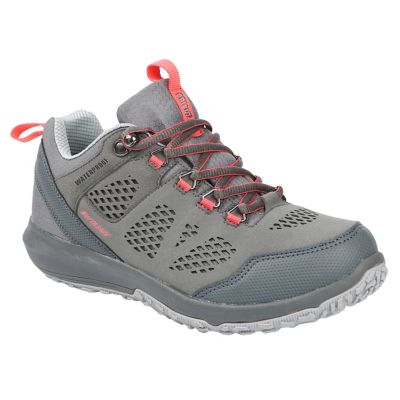
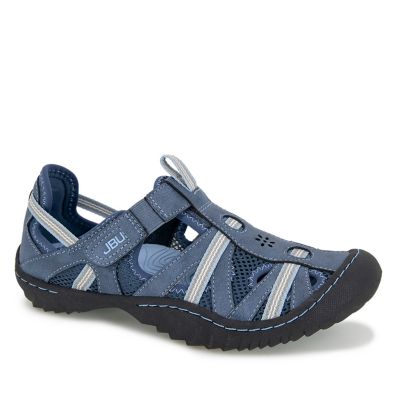
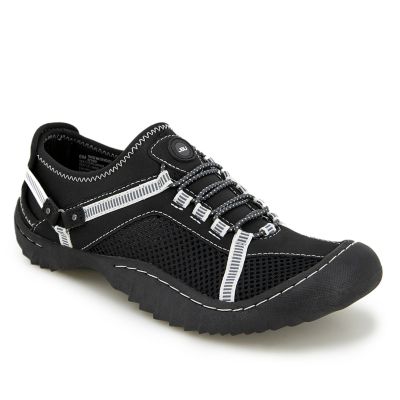
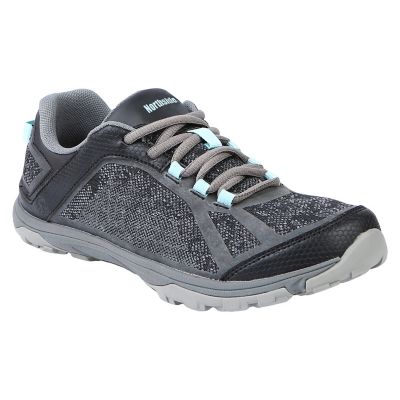
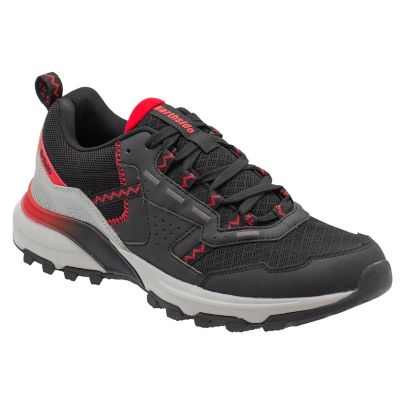
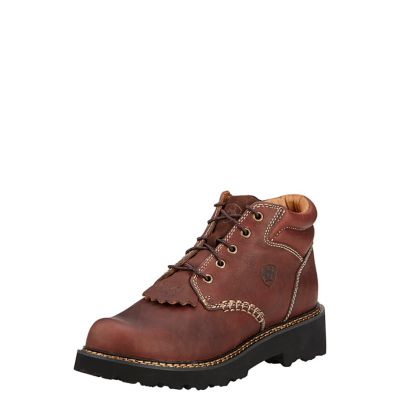
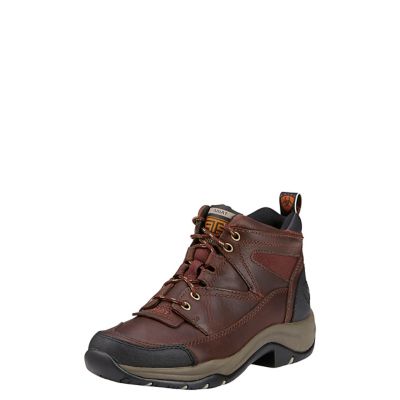
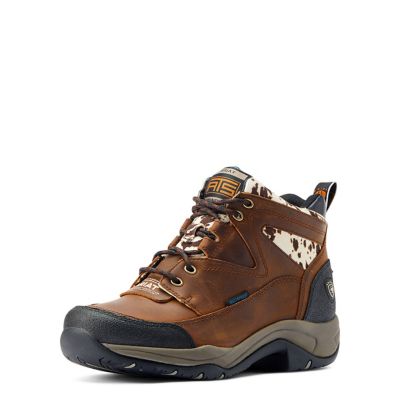
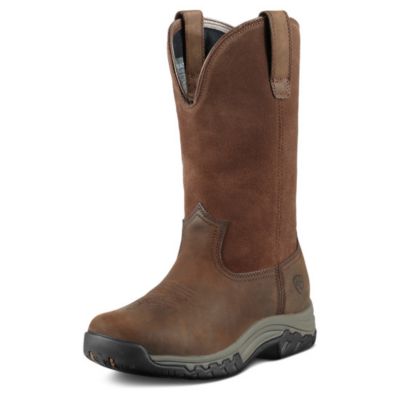
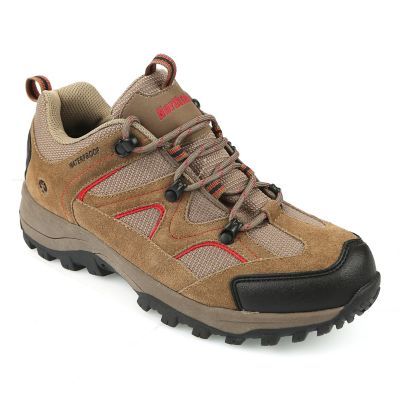
Comfortable hiking shoes for women can make the difference between enjoying a long trail and thinking about sore feet with every step. They are a practical choice for walking wooded paths, gravel roads, campground trails, fields, and uneven ground around the farm, especially when a full-height hiking boot feels like more shoe than you need. Low-cut hiking shoes usually offer a lighter, more flexible feel while still providing traction, cushioning, and support for everyday adventures. They can be handy for a morning walk with the dog, a weekend at the campground, a scenic trip through the hills, or a full day spent checking fences and tending to outdoor chores. As the weather warms, breathable mesh uppers can help heat escape when the trail gets dusty and dry. During the cooler months, a more protective shoe with a water-resistant or waterproof construction can help keep feet comfortable through damp grass, wet leaves, and shallow puddles. The right pair depends on more than appearance, so consider where the shoes will be worn, how far you plan to walk, and what kind of comfort your feet need over several hours.
Start with fit, since even excellent hiking shoes will not feel good if they pinch, slide, or rub. Try them on while wearing the type of hiking socks you normally use, preferably later in the day when feet have had time to swell a little. Leave enough room for your toes to move naturally, with a small amount of space in front of the longest toe so your foot does not bump the end while walking downhill. The heel should stay planted without lifting, and the midfoot should feel held without a tight, uncomfortable squeeze. If you have wide feet, look for a roomy toe box or a wide-width option that gives your toes space to spread instead of pressing them together. A narrower foot may need a snugger shape or lacing system that helps prevent sliding. Cushioning is another personal choice. Softer foam can feel pleasant on packed trails and hard gravel, while a firmer midsole may provide a steadier platform on rocky ground. If you tend to roll your ankles or carry a daypack, look for structured support, a stable heel, and a sole that resists twisting. Flexible shoes can feel nimble and comfortable for quick walks, but a somewhat sturdier design may be more suitable for rough terrain, loose stone, or long outings with extra gear.
Pay close attention to the outsole and upper when matching shoes to the trail. Deep, well-spaced lugs can help shed mud and grip loose soil, while a flatter tread may feel smoother on pavement, packed paths, and gravel. Sticky rubber and a protective toe cap are useful on rocky routes where roots and stones can catch the front of your foot. Waterproof membranes and sealed construction can be a welcome choice for damp conditions, stream crossings, and dewy grass, but they may feel warmer than open mesh when the air is hot. Breathable, quick-drying materials can be more comfortable for warm-weather walks or routes where your shoes are likely to get wet and dry out along the way. No shoe keeps feet completely dry if water runs over the collar, so gaiters or moisture-wicking socks can add another layer of protection. A cushioned collar, padded tongue, and smooth interior can reduce pressure around the ankle, while a secure lacing system helps keep the shoe from shifting as the trail changes. Before heading out for a long hike, wear the shoes around the house, on errands, or during shorter walks so you can spot rubbing before you are miles from the trailhead. Keep feet dry, trim toenails, and carry blister protection for longer outings. Brush off dirt after each use, let shoes air-dry away from direct heat, and follow the care instructions for waterproof materials. Comfortable hiking shoes also make a thoughtful gift for a woman who enjoys camping, traveling, walking with the family dog, or exploring local trails; a gift card or a pair selected with her usual size, width, and favorite activities in mind can make the choice easier. For a lighter, low-profile option, browse
Women's Low Hiking Shoes and compare features that fit her routine, from cushioned everyday walking to steady footing on uneven ground.