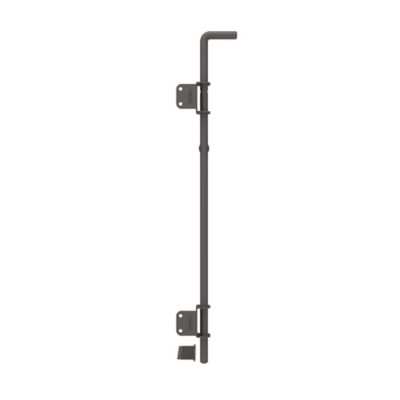
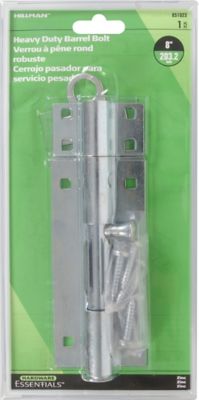
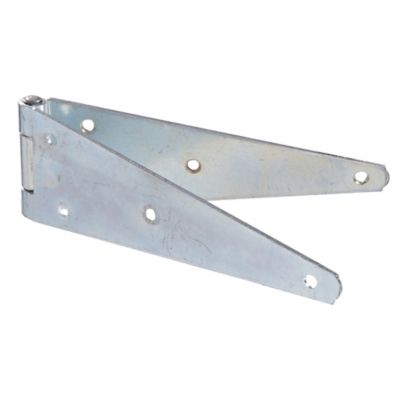
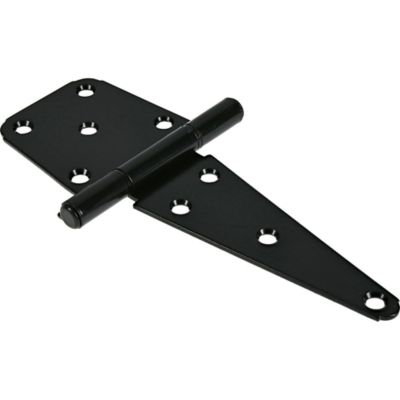
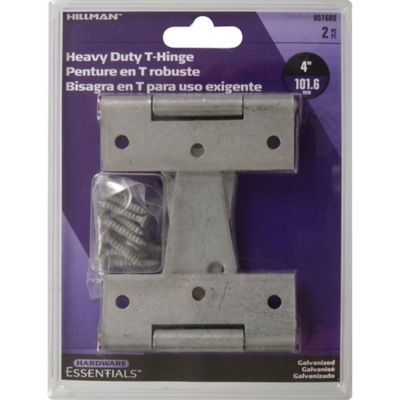
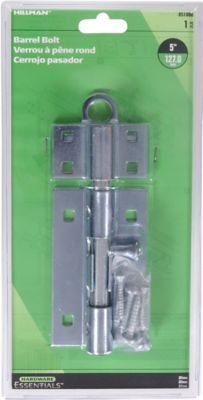
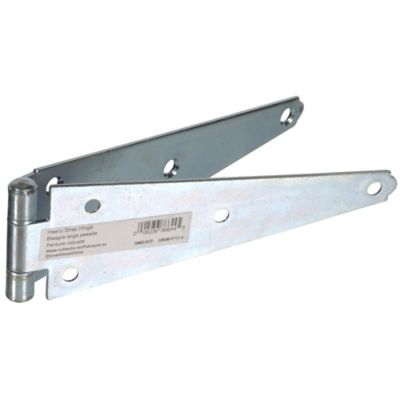
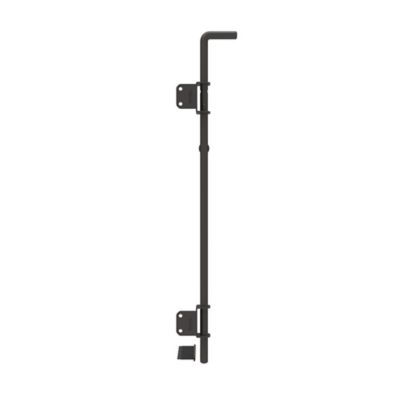
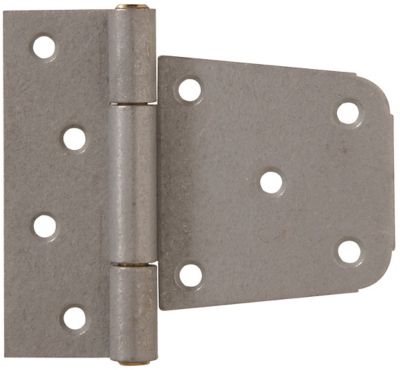
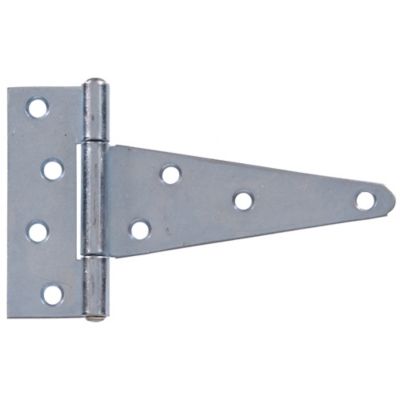
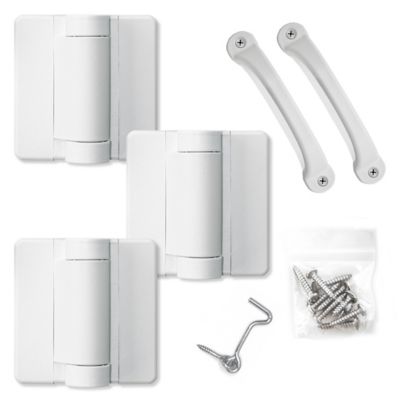
Heavy-duty hardware includes hinges, brackets, structural connectors and fastening components built to handle substantial weight, repeated movement or demanding connections. These parts help support the working pieces of barns, shops, gates, storage buildings and other structures where a small piece of metal has a big job to do. A wide entrance gate puts different demands on its hardware than a stationary shelf support, even when both connections carry considerable weight. Gate hardware deals with leverage and movement, while a fixed bracket may carry a steady load in one direction. Heavy-duty describes a broad category, not a single load rating, so dimensions, material specifications and manufacturer ratings matter more than the label alone. For farmers, ranchers, contractors and property owners, the goal is a connection that suits the job without creating extra strain elsewhere in the structure. Steel is common in this category because it can provide substantial strength in practical sizes, but thickness alone does not tell the whole story. Shape, weld construction, hole placement and the direction of the load all affect performance. A formed connector can behave differently from a flat plate of similar thickness, and a long bracket can place more leverage on its mounting points than a short one. Surface treatments matter, too. Zinc plating, hot-dip galvanizing, painted finishes and stainless steel each bring different considerations for corrosion resistance and upkeep. Wash areas, animal housing and contact with cleaning solutions can put metal surfaces through a lot, even without constant movement. Pressure-treated lumber also calls for attention to fastener and connector compatibility, since some wood treatments can accelerate corrosion in unsuitable metals. Matching the hardware material and finish to the surrounding materials helps protect the connection over time. A smooth finish may make cleanup easier, but appearance is only one part of the decision; the hardware still needs the right dimensions, attachment method and stated capacity for its intended application.
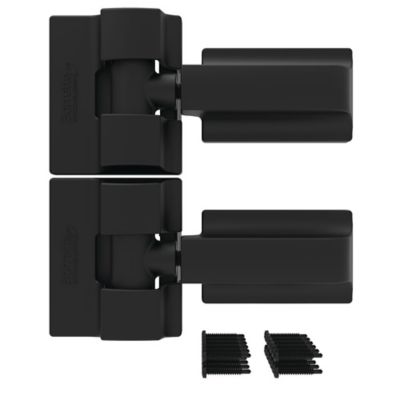
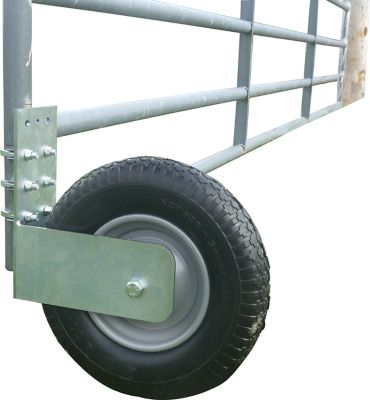
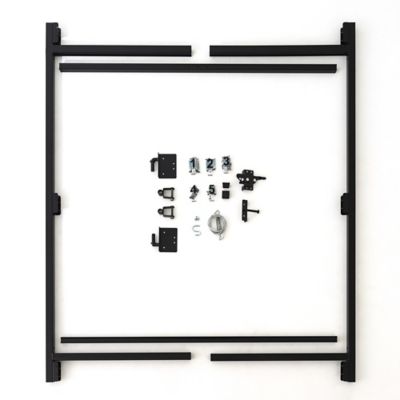
Fit becomes especially important when hardware supports something that swings, slides or receives a hard pull several times a day. A gate across a livestock lane may look straightforward, but its width creates leverage that the hinges, post and fasteners all have to resist. The same weight carried close to a pivot can place different demands on the connection than weight extending several feet away. Hardware for wide openings, including
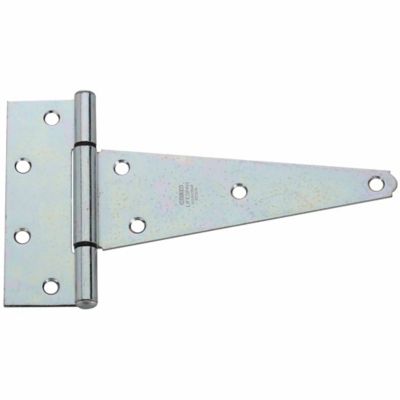
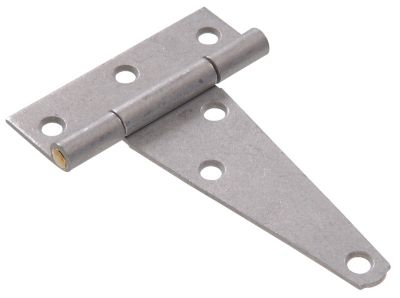
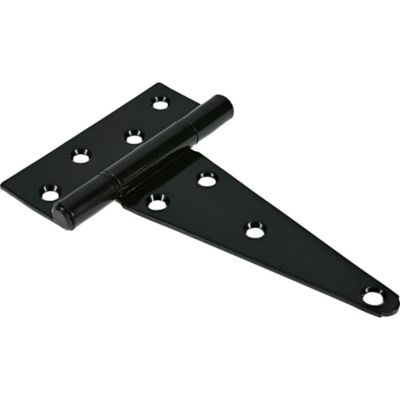
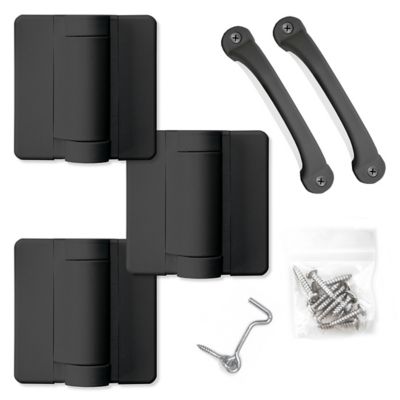
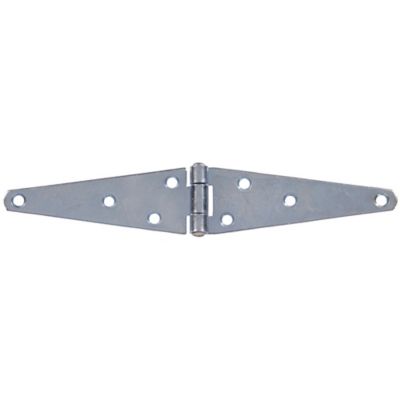
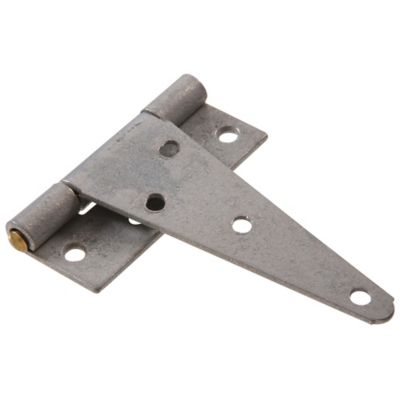
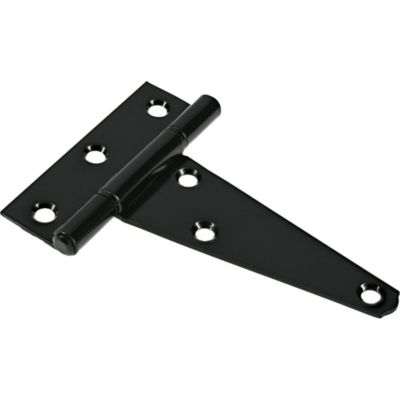
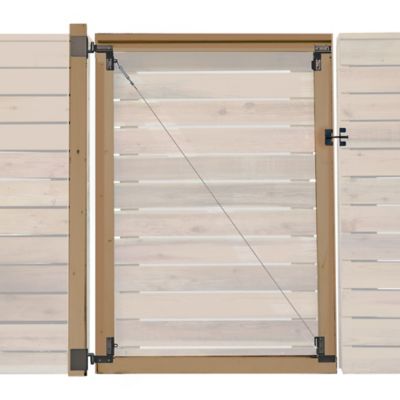
Heavy Duty Door Hinges, needs to suit both the moving panel and the frame that carries it. Hinge length, pin diameter, mounting pattern, clearance and opening range can all affect how that assembly works. A door that catches at the bottom or pulls against its latch may have an alignment or support problem that a larger hinge alone will not solve. Solid mounting surfaces matter as much as the metal attached to them. Split wood, deteriorated posts, thin framing or damaged masonry can limit the strength of the whole assembly, regardless of the hardware’s rating. Fastener diameter, length, spacing and embedment must suit the base material and the connection design. Through-bolts, screws and other fastening methods are not interchangeable simply because they fit the same opening. Structural connectors often specify a particular fastener type and installation pattern, and those requirements are part of the connector’s intended performance. Hole spacing and edge clearance also affect whether a connection can transfer its load without splitting or deforming the material around it. For framing work, manufacturer instructions, project plans and applicable building requirements take priority over a part’s general description. For gates and doors, room for handles, stops, latches and nearby surfaces helps prevent binding and unintended contact. The result should be an assembly that carries its load as intended, rather than one that depends on forcing parts into alignment or tightening a fastener against an uneven surface.
Long service life also depends on what happens after installation. Hardware around a working property faces vibration, dust, grit, repeated impacts and the occasional hard shove from equipment or livestock. Those conditions can loosen a connection or wear a moving joint even when the original fit was sound. A hinge that develops extra play, a bracket that shifts under load or a bolt that repeatedly loosens deserves attention to the entire assembly, not just the most obvious part. Cracks, bent metal, enlarged mounting holes and deep corrosion can signal that a component no longer belongs in service. Proper support is essential before adjusting or replacing anything that carries weight or holds tension. Care requirements vary by material and design: some moving parts call for lubrication at specified points, while others have bearings or finishes with different maintenance needs. Manufacturer directions help keep cleaning products and lubricants compatible with those surfaces. Clearing packed dirt from a joint and keeping mating surfaces free of buildup can help moving hardware operate without unnecessary resistance. Protective coatings also need attention where abrasion exposes bare metal, with any touch-up following the finish manufacturer’s recommendations. In a shop or barn, sensible placement can make inspection and upkeep easier by leaving access to hinge pins, mounting nuts and other service points. It also helps to consider the work happening around the connection. A latch near an animal pen must suit the containment needs of that space, while a support near a travel lane should not create a snag point for clothing, tack or equipment. General-purpose hardware is not automatically suitable for overhead lifting, fall protection or other safety-critical work; those applications require components expressly rated for the task. Whether the project involves a working gate, a broad shop entrance or a structural connection, heavy-duty hardware earns its place through the right match of load capacity, fit, material and care. Those details keep everyday chores from turning into repeated adjustments and help the whole assembly work the way it should.