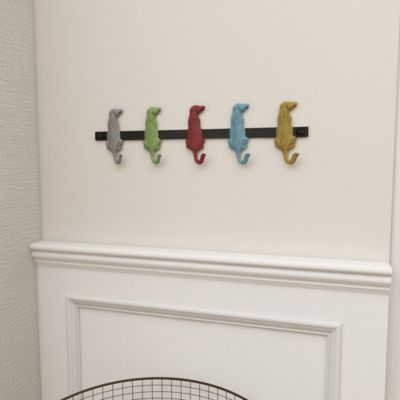
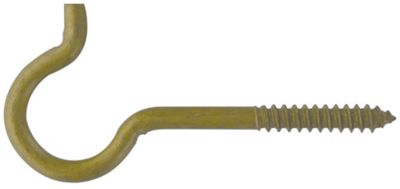
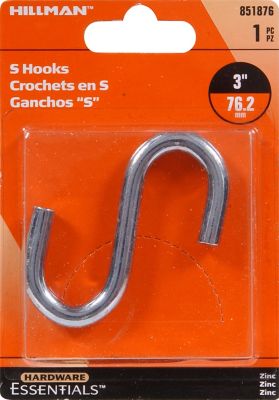
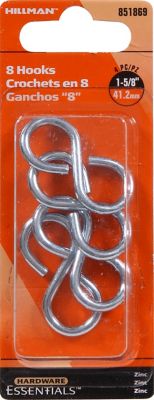
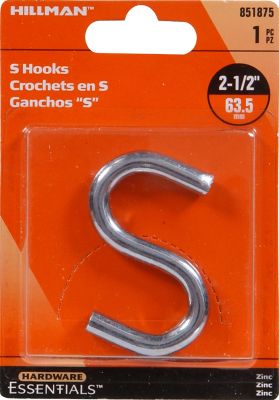
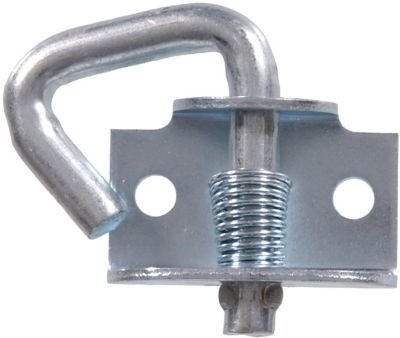
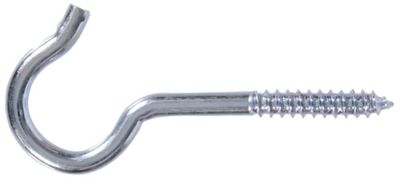
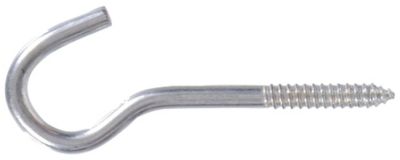
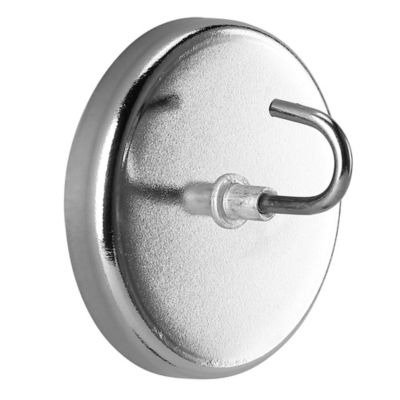
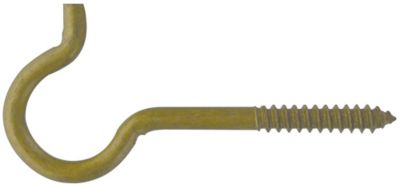
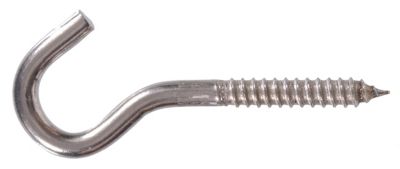
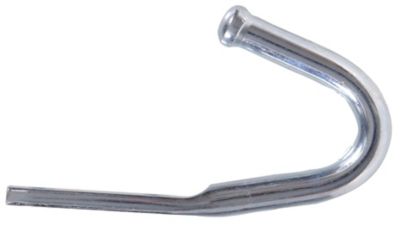
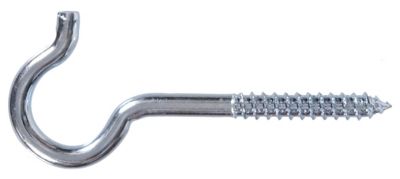
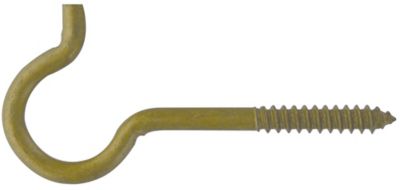
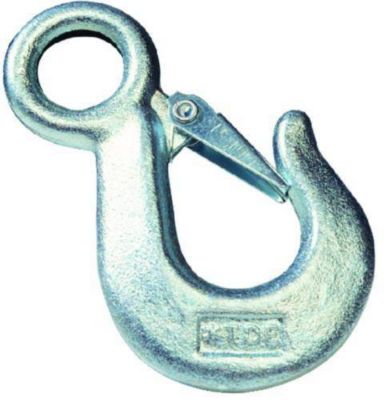
Metal hooks help turn an open stretch of wall, a sturdy rail or an overhead support into a practical place to keep everyday gear. Around a farm, home or workshop, that can mean getting a lead rope off the barn aisle, giving chore coats a spot beside the back door or keeping a garden hose from sprawling across the shed floor. Their simple shape makes them useful in spaces where shelves take up too much room or small equipment needs to stay within easy reach. The right hook does more than hold something up: it gives that object a predictable home, so there’s less hunting around when daylight is short and chores are waiting. Metal hooks come in different shapes, thicknesses and mounting styles because a pair of gloves, a shovel and a length of chain each hang differently. A narrow curve can suit a small loop, while a deeper bend may better cradle a broad handle or coiled line. Longer projections leave room between hanging gear and the wall, though that extra reach also matters when checking clearance along a walkway. Shorter hooks can keep a busy mudroom or compact tack area from feeling crowded. Smooth tips and rounded contact surfaces are worth considering wherever fabric, leather or rope rests against the metal. A coated contact area can help limit scuffs, while bare metal may fit tasks where the surface needs regular wiping. Farmers, horse owners, gardeners and folks who spend evenings at a workbench all have reasons to keep tools and supplies organized this way. During the cooler months, a well-placed row of hooks can also keep damp jackets and chore gear separated rather than piled together on a bench. Leaving a little space between hanging pieces makes it easier to grab what’s needed without pulling three other things down along with it.
Material and finish play a big part in how metal hooks hold up in their surroundings. Steel is a common choice for general storage because it can provide substantial strength, but the metal alone doesn’t tell the whole story. Wire thickness, bends, welds where present and the mounting arrangement all affect what a hook can support. Stainless steel generally offers better resistance to rust than unprotected steel, though its performance still depends on the grade and exposure. Zinc finishes and painted or powder-coated surfaces provide a barrier against moisture, with different levels of protection depending on the finish and conditions. A dry pantry puts different demands on hardware than an open-sided shed where wind carries rain through the doorway. Barn humidity, wet rope and soil left on garden tools can all keep moisture against a hook longer than expected. For outdoor locations or damp working spaces, look for an intended-use description that matches those conditions rather than judging by color or shine. Fit deserves the same attention as material. The opening needs to pass over the rail, rod or loop it will hang from, and the curve needs enough room to seat properly without being forced into place. For open-ended connections between a support and hanging gear,
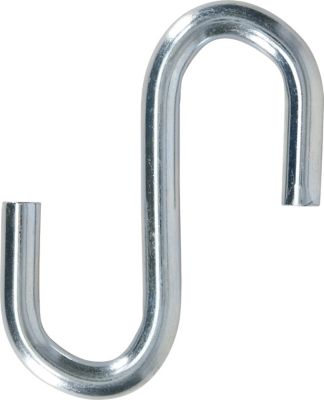
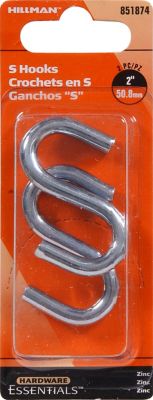
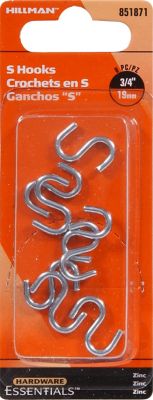
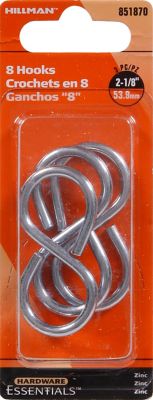
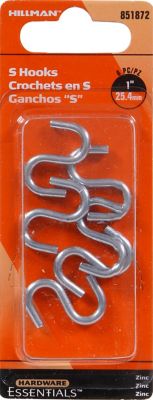
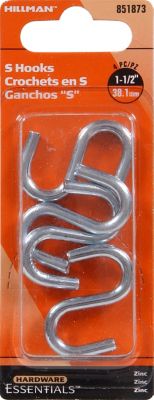
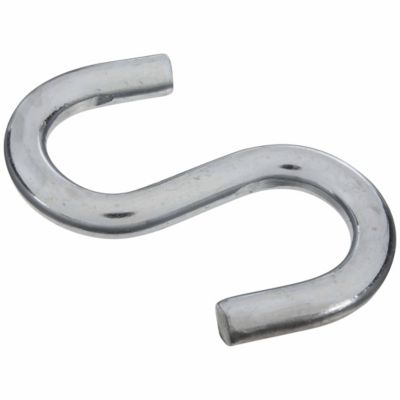
Heavy Duty S Hooks are another shape to consider, with fit and the stated working load helping determine whether they suit the job. A hook that hangs freely from a rail behaves differently from one fastened to a wall, especially if equipment gets bumped or pulled sideways. Open shapes make removal easy, but they may not suit places where movement could shake a load loose. Storage hooks also shouldn’t be treated as lifting, towing, climbing or animal-restraint hardware unless expressly rated for that purpose. Keeping those distinctions clear helps match a simple piece of hardware to the work it is meant to do.
A solid mounting surface is just as important as the hook itself. Wall-mounted metal hooks transfer the weight of hanging gear into screws, anchors and the material behind them, so the stated capacity only applies under the installation conditions the manufacturer specifies. Sound lumber, masonry and hollow wallboard call for different fastening approaches; a screw that holds firmly in a wood post won’t behave the same way in a thin wall panel. In an older outbuilding, checking for split boards, soft wood or loose framing is part of choosing a sensible location. The weight of the empty object isn’t always the whole load, either. A hose can retain water, a work coat can carry tools in its pockets and a bag can grow heavier as supplies accumulate. Pulling an object off at an angle can put additional strain on the connection, making convenient placement worth thinking through before anything goes on the wall. Along a garage aisle, enough clearance for a shoulder, a wheelbarrow handle or an opening door can keep a useful storage spot from becoming a snag point. Near livestock, positioning matters even more: projecting hooks belong where animals cannot rub against them or catch tack and halters. Routine care is straightforward but worthwhile. Wipe away dirt and moisture, follow the recommended cleaning method for the finish and check occasionally for rust, rough edges, bent metal or loosening fasteners. Harsh cleaners and abrasive scrubbing can damage some protective coatings, while leather and fabric benefit from resting on a clean, smooth surface. Any hook showing cracks, significant corrosion or a changed shape deserves attention before more weight goes onto it. For everyday organization, matching the hook to both the gear and the setting makes the biggest difference. A thoughtful arrangement by the back door, beside the potting bench or along a shop wall keeps useful things visible, leaves more floor space open and helps the place stay ready for the next round of work.