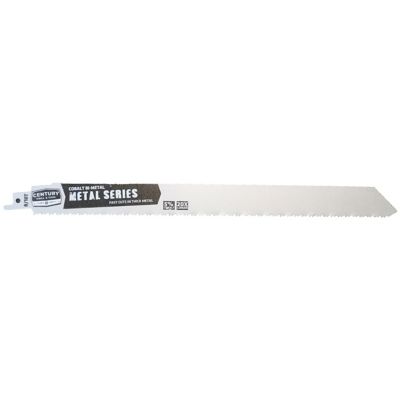
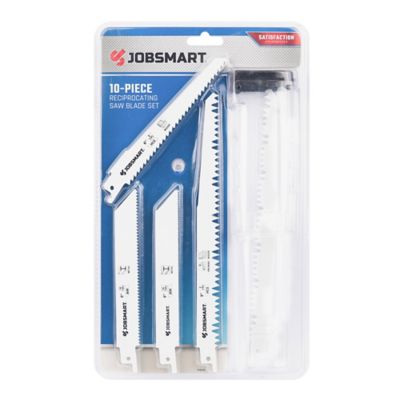
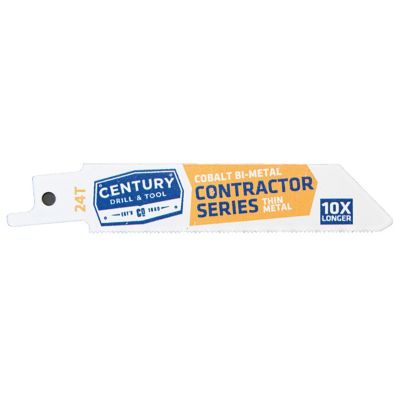
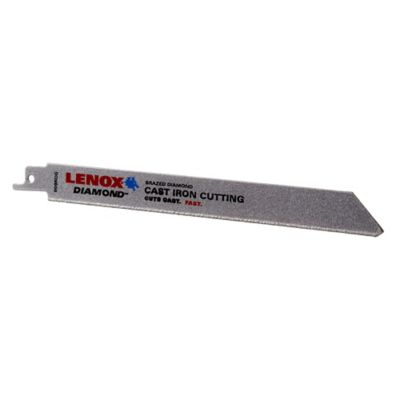
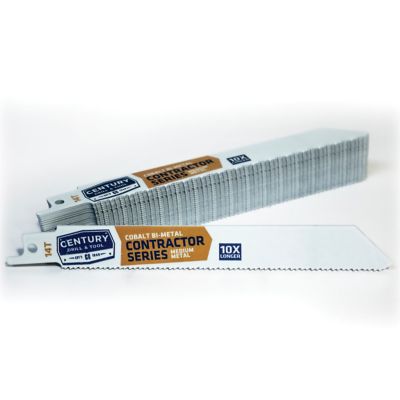
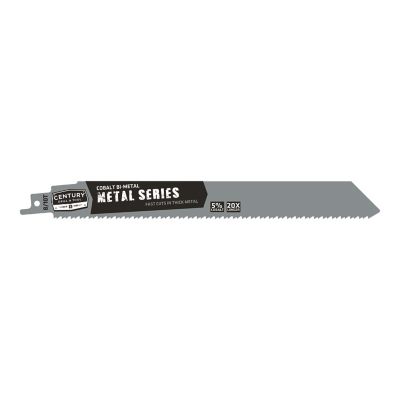
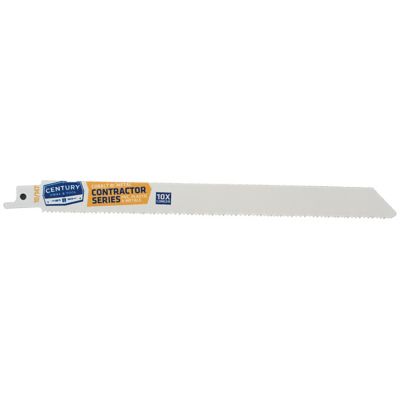
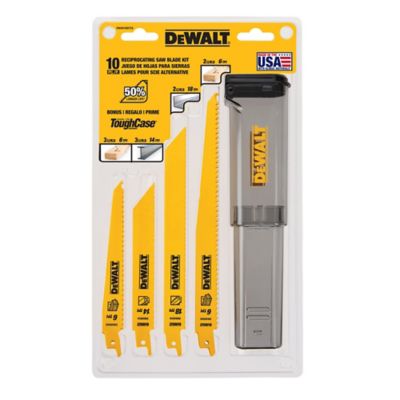
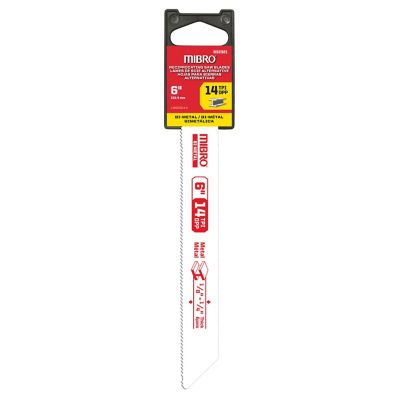
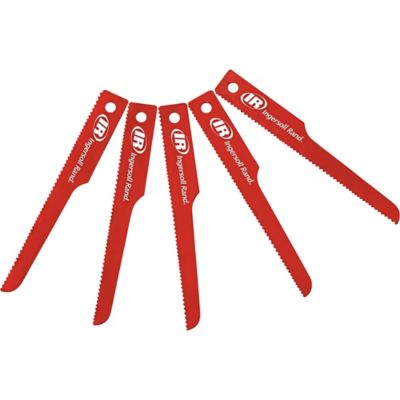
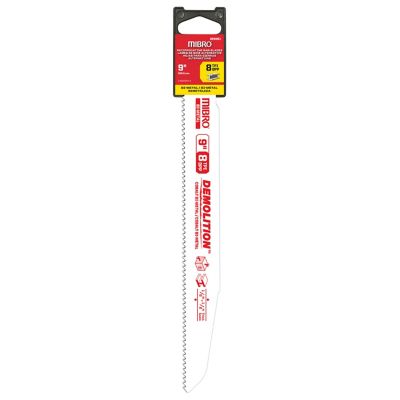
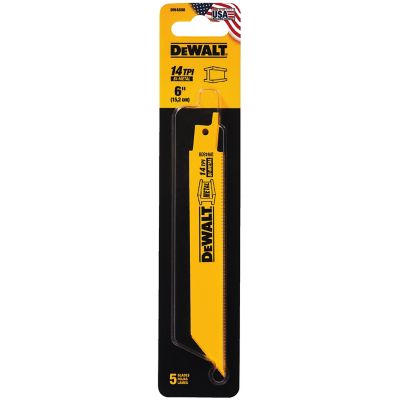
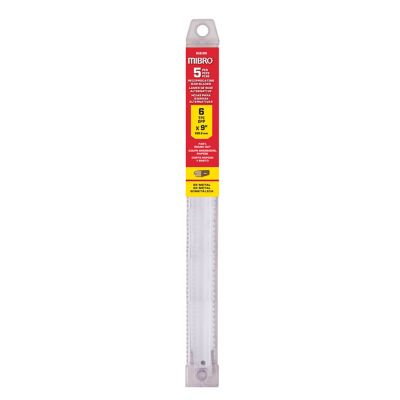
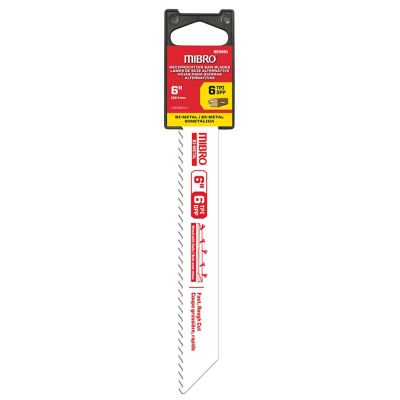
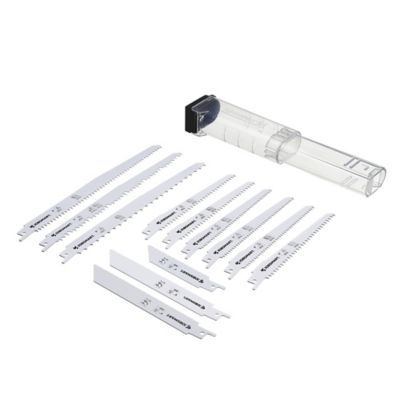
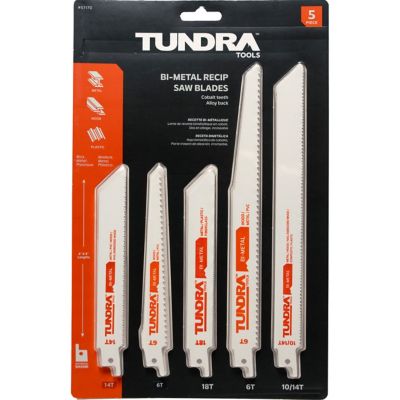
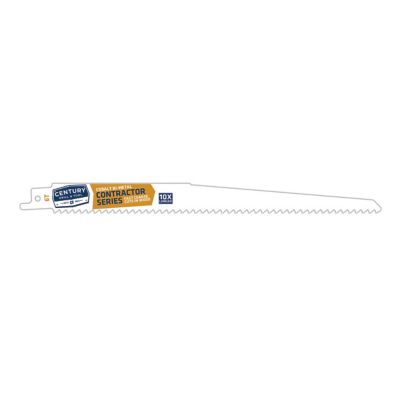
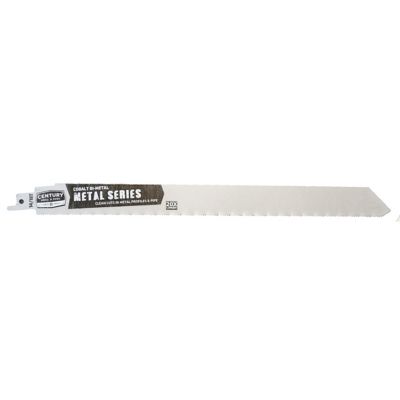
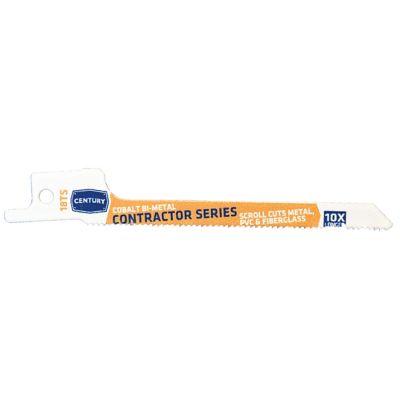
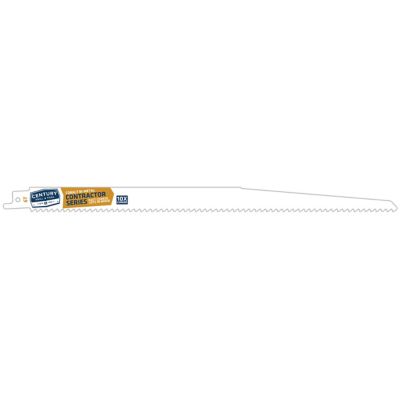
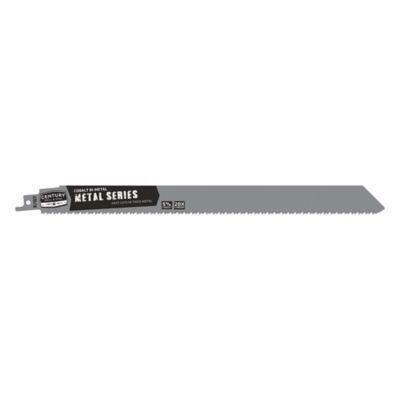
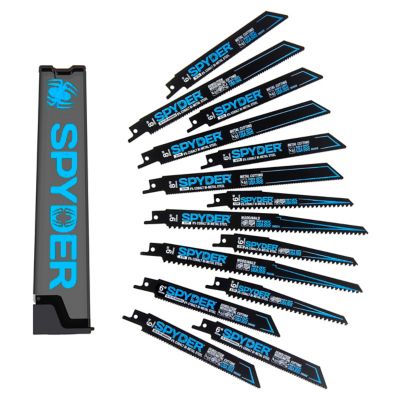
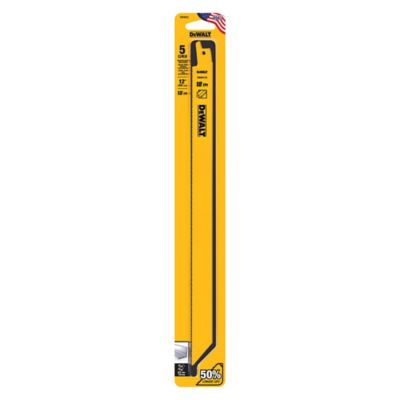
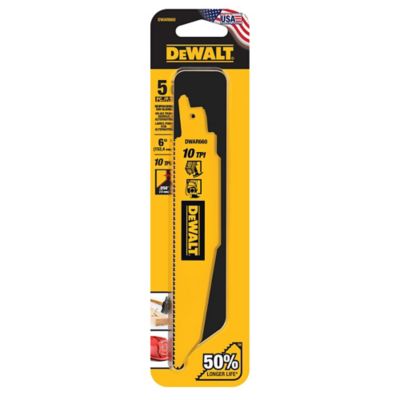
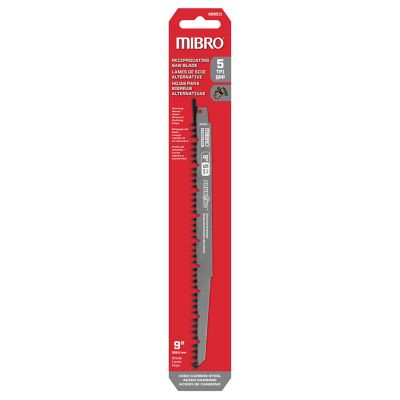
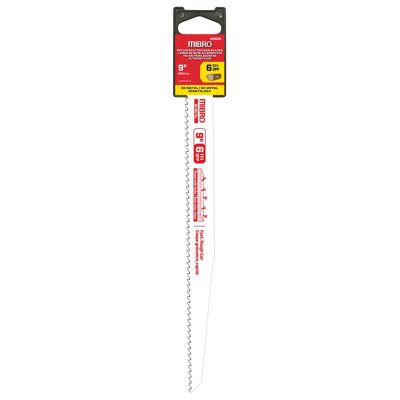
Heavy duty reciprocating saw blades are made for the rough stuff—tearing out old framing, cutting through nail-filled lumber, trimming thick pipe, and handling repair work that would wear out a light-duty blade in a hurry. Often called demolition blades or sawzall blades, they fit many common reciprocating saws and are available in several tooth patterns, lengths, thicknesses, and materials. The best choice depends on what you’re cutting, since a blade built for wood demolition will have a different tooth design than one intended for steel, cast iron, or rebar. For general tear-out work around a farm, shop, garage, or jobsite, look for a thick bi-metal blade with a rugged body and a tooth pattern designed to tolerate vibration and occasional contact with fasteners. Bi-metal construction combines a flexible spring-steel back with hardened cutting teeth, giving the blade a useful balance of toughness and wear resistance. Coarse tooth counts, such as roughly 5 to 8 teeth per inch, can remove wood and other soft materials quickly, while finer tooth patterns make smoother, more controlled cuts in thinner metal. A longer blade gives you extra reach for large timbers, pipe, and awkward cuts, but a shorter blade is often easier to control when working in tight spaces. Blade thickness matters, too: a heavier body resists bending and stands up better to twisting, while a thinner blade can slip into narrow gaps and make flush cuts. When you’re shopping for heavy duty reciprocating saw blades, check the blade length, tooth count, material rating, and shank style to make sure they match both the job and your saw. Keeping several styles on hand can save a trip to town when a simple repair turns into a full tear-out.
For nail-embedded wood and demolition, choose blades with aggressive teeth, a sturdy profile, and features intended to survive hidden nails, screws, staples, and other surprises inside old lumber. A fast plunge tip can help start a cut without drilling a pilot hole, which is handy when opening a wall, cutting through a pallet, trimming a fence post, or removing damaged boards from a shed. Nail guards or reinforced tooth designs can help protect the cutting edge when the blade meets fasteners, though no blade should be forced through material or twisted sideways. Carbide-tipped reciprocating saw blades are another strong option for demanding work. Their carbide teeth can last much longer than standard bi-metal teeth when cutting abrasive, dense, or nail-filled material, making them useful for repeated demolition and heavy renovation jobs. For thick metal, rebar, structural steel, and high-strength alloys, carbide teeth paired with a wide, rigid blade body can provide faster cutting and longer service life than a basic metal blade. Carbide-tipped blades are also commonly selected for difficult cast iron work, including heavy waste and drainage pipe, where ordinary teeth may dull quickly. A blade intended for thick metal or cast iron often uses a moderate tooth count and a reinforced body to reduce vibration while the saw works through dense material. For mixed-material tear-outs, a heavy-duty bi-metal demolition blade is a practical all-around choice because it can handle wood, nails, light metal, and occasional fasteners without requiring a blade change at every step. Match the blade to the thickest and hardest material in the cut, and remember that even the toughest blade performs better when the saw shoe stays planted against the workpiece. Let the tool do the cutting instead of leaning hard into it; steady pressure helps the teeth clear chips and keeps heat from building up along the blade.
These blades are useful for homeowners, farmers, ranchers, maintenance crews, remodelers, electricians, plumbers, and anyone who regularly repairs buildings or equipment instead of replacing them. Around a working property, a dependable blade can help remove a rusted pipe, cut apart an old gate, shorten a length of conduit, take down storm-damaged branches, or clear worn boards from a livestock shelter. In the shop, it can make quick work of exhaust parts, steel brackets, bolts, angle iron, and other awkward pieces that are difficult to secure for a grinder or hacksaw. They also make a handy addition to a tool chest or gift basket for someone setting up a new garage, buying their first reciprocating saw, or taking on a barn, cabin, fence, or home improvement project. Before cutting, secure the material whenever possible, inspect the blade for cracks or bent teeth, and wear eye protection, gloves, hearing protection, and sturdy work clothing. Metal cuts can produce sharp edges and hot chips, while demolition work may uncover nails, wiring, plumbing, insulation, or pressurized lines. Use the proper blade for the material rather than relying on a wood blade for metal or a fine metal blade for heavy timber. If your project centers on steel, iron, pipe, or other metal stock, explore
Metal Cutting Reciprocating Saw Blades for more options suited to those cuts. As the weather warms, heavy duty reciprocating saw blades can help with fence repairs, outbuilding maintenance, and cleanup from winter wear; during the cooler months, they remain useful for indoor remodeling, equipment repair, and preparing the shop for the work ahead. With the right blade in the case, a capable reciprocating saw becomes a go-to tool for the stubborn jobs that call for strength, reach, and a little patience.