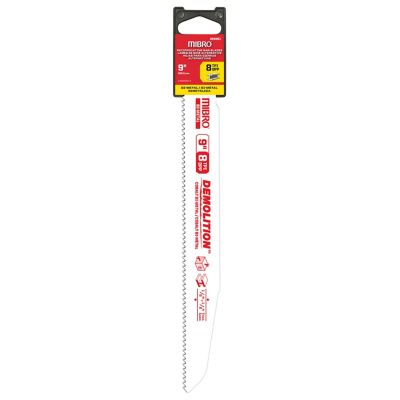
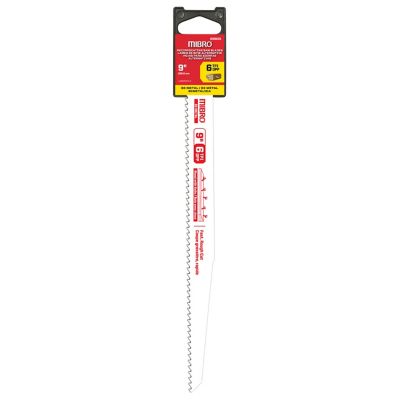
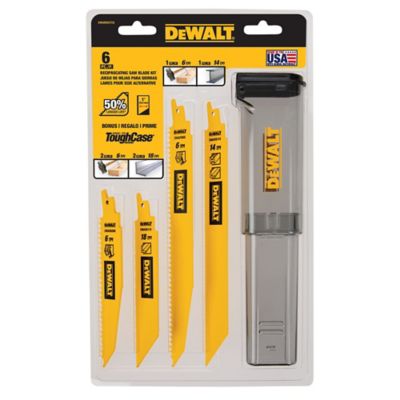
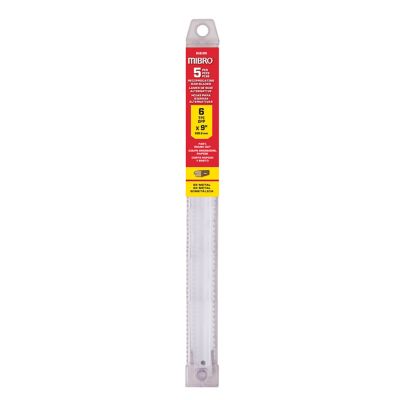
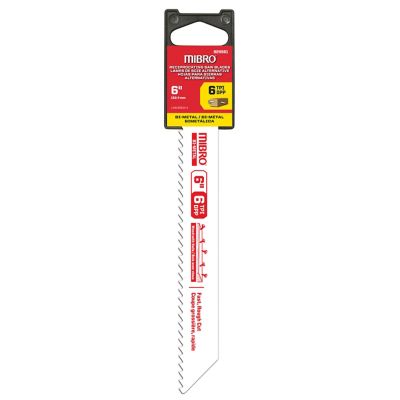
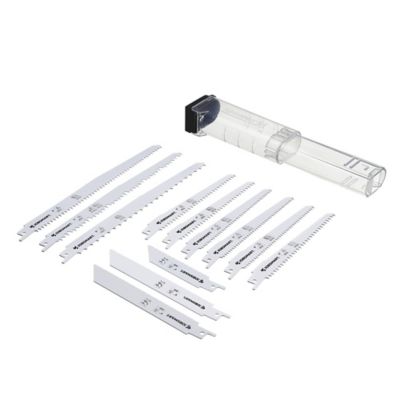
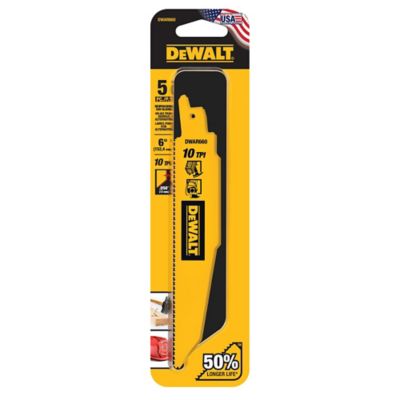
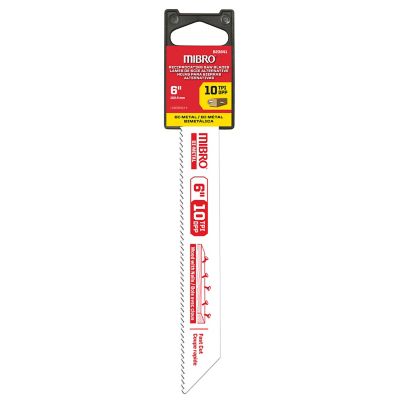
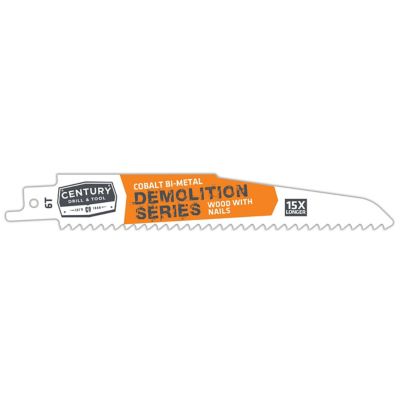
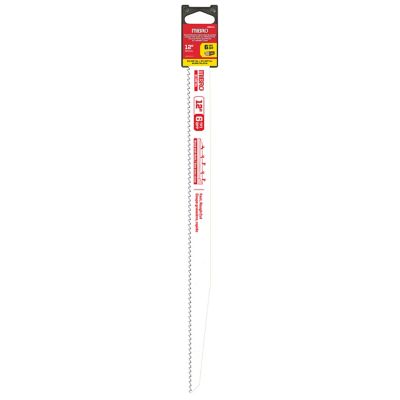
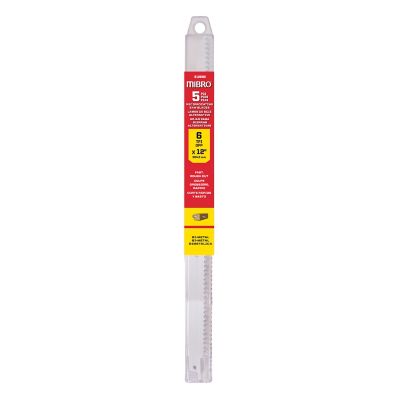
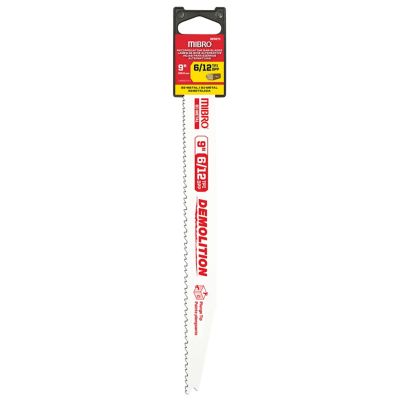
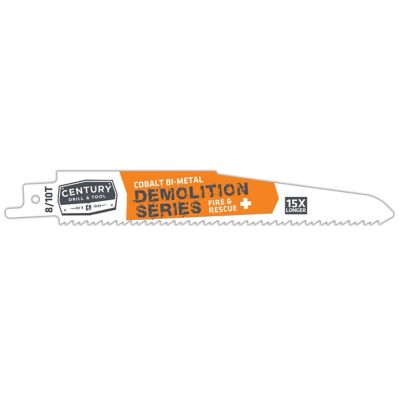
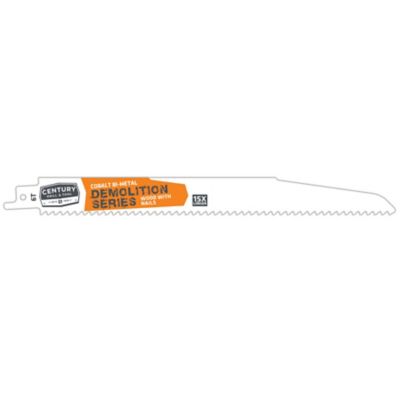
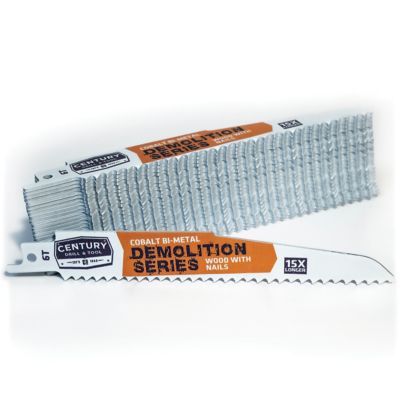
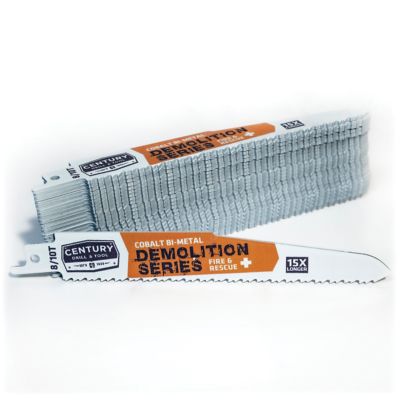
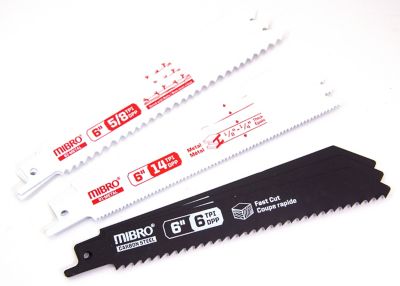
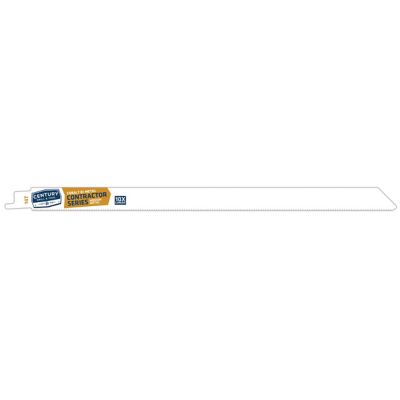
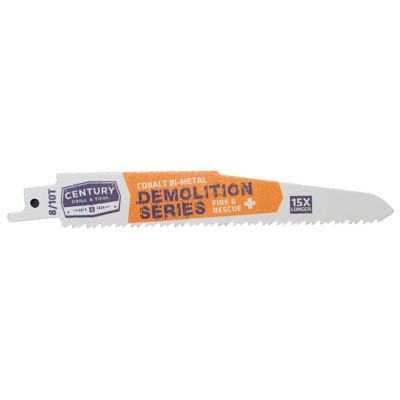
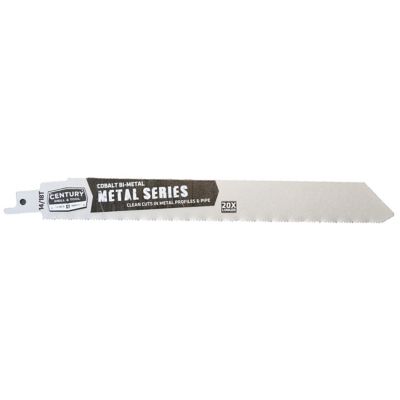
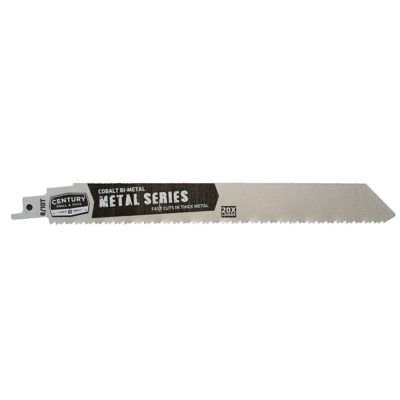
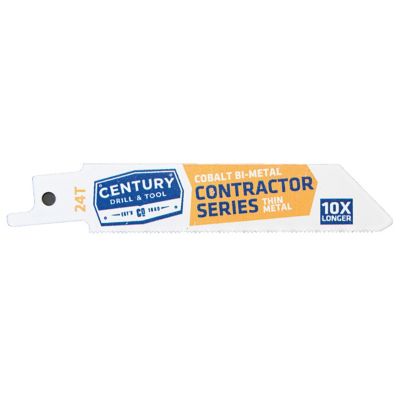
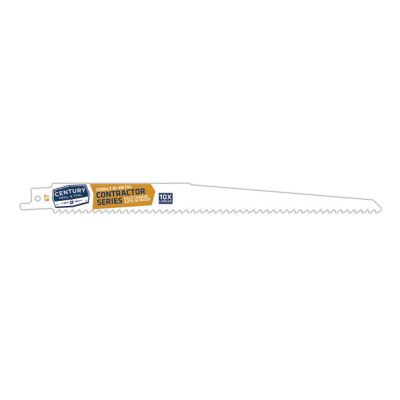
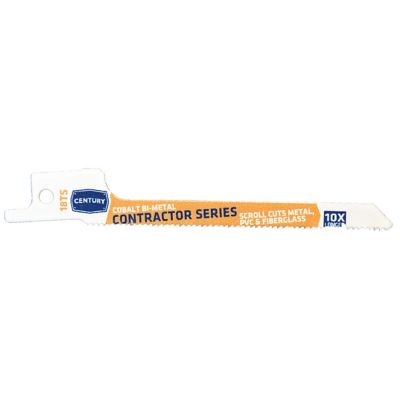
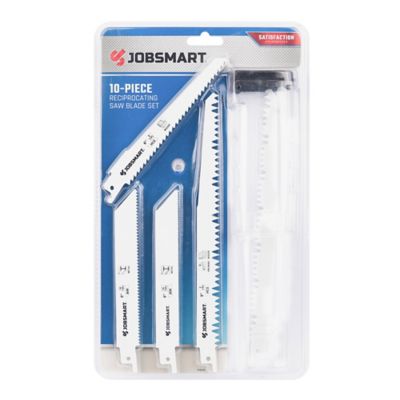
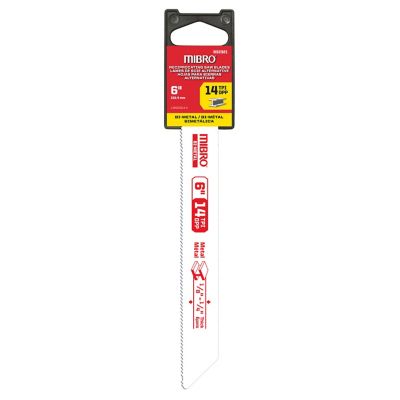
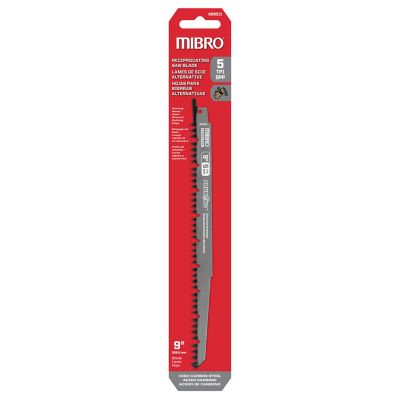
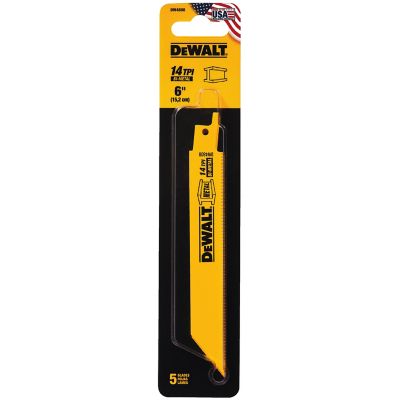
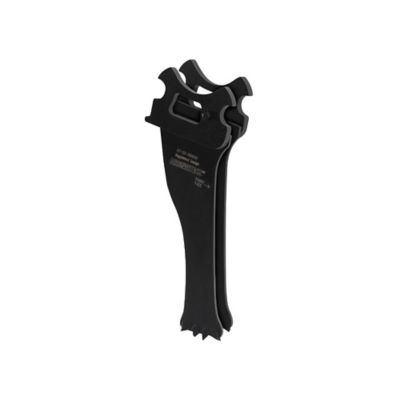
Demolition reciprocating saw blades are heavy-duty cutting attachments built for tear-out work in materials such as nail-embedded wood, framing lumber, metal pipe and steel. The right blade depends on the material, its thickness and the space around the cut; no single tooth pattern handles every demolition task equally well. Compared with many blades meant for lighter cutting, demolition blades often have thicker bodies and taller profiles that help resist flexing under demanding loads. That extra support can be helpful when cutting through a nailed wall plate, taking apart a worn-out stall partition or trimming framing during a building repair. These are jobs where access can be tight, surfaces can be uneven and a clean furniture-style finish usually matters less than keeping the cut moving. Blade construction makes a real difference in how that work goes. Bi-metal blades typically combine a flexible steel body with high-speed steel teeth, balancing resistance to bending with cutting-edge wear resistance. Depending on their tooth design and material rating, they can suit nail-embedded lumber, common metals or mixed-material work. Carbide-tooth blades offer another construction for demanding applications, including certain hardened fasteners, thick metal and abrasive materials. Their teeth can hold an edge longer in suitable applications, but carbide alone does not make a blade suitable for every surface. Cast iron, stainless steel and other challenging materials call for blades specifically rated for that work. A wood-and-nail blade and a thick-metal blade may both belong in the demolition category, yet their teeth are built for different cutting demands. For a farm maintenance crew, remodeling contractor or property owner tackling repairs, those distinctions matter more than simply picking the longest or heaviest blade. A board with a few nails calls for a different approach than a steel gate bracket, and a blade that makes quick progress through lumber may struggle against metal it was never meant to cut. Matching the blade to the toughest material in its path helps limit stalled cuts, damaged teeth and unnecessary strain on the saw.
Blade length, body width, thickness and teeth per inch all affect how a demolition reciprocating saw blade behaves once the cut begins. Lower tooth counts generally provide larger spaces between teeth to clear wood chips, making them a common match for fast cuts through lumber and nail-embedded wood when the blade carries that rating. Higher tooth counts generally suit thinner metal sections, where several teeth need to remain engaged rather than catching on an edge. Thick metal may call for a different tooth pattern, so tooth count should always be considered alongside the blade maker’s material recommendations. Variable-pitch teeth combine different spacing along the cutting edge and may help reduce vibration across the applications listed for that blade. Length matters just as much as tooth design. The blade needs enough reach to extend beyond the material throughout the saw’s stroke, not merely touch the far side while the tool is at rest. Too little reach can let the tip strike the work, while unnecessary length leaves more blade unsupported and can make bending harder to control. A longer blade can reach across a wide assembly or into a recessed opening, but it also needs clear space beyond the cut. A shorter blade can feel steadier when the work allows it. Taller blade bodies help support straighter cutting, while narrower profiles can offer more maneuverability around confined openings. Thicker blades generally resist flexing better, though tight access may favor a different profile. Many reciprocating saw blades have a common 1/2-inch shank, but the saw’s manual and blade specifications remain the final check for attachment style, permitted dimensions and operating limits. Compact saws can have different needs from full-size tools, even when the blade fits the clamp. Jobs centered on lumber may call for
Wood Cutting Reciprocating Saw Blades, while reclaimed boards and framing with hidden fasteners still need a blade rated for nail-embedded wood rather than clean wood alone.
Blade life depends on more than the tooth material. A demolition blade works best when the saw, cutting motion and workpiece suit its intended application. Excessive pressure, sideways twisting and repeated contact with masonry can damage teeth or bend a blade before the cutting edge has otherwise worn out. Even a stout blade is a cutting tool, not a pry bar for separating stubborn boards. On a repair job, keeping the saw’s shoe supported against the work where practical can reduce chatter and give the blade a steadier path. Speed and orbital settings also affect cutting behavior; settings that move quickly through wood may not suit metal, and the saw and blade instructions should guide those choices. Workpieces need support that keeps them from shifting or closing around the blade as the cut finishes. That matters when trimming loose pipe just as much as when taking apart a nailed wooden frame. Hidden wiring, plumbing and structural members deserve attention before any tear-out begins, and potentially hazardous building materials require proper assessment rather than an exploratory cut. Eye and hearing protection, a clear cutting area and any additional protection called for by the task belong alongside the tool. Between jobs, disconnecting power before blade changes, clearing away debris and storing blades dry help keep the cutting gear ready for the next repair. A holder that separates the teeth from loose hardware also helps protect cutting edges and hands reaching into a toolbox. Bent blades, cracked bodies and missing teeth are reasons to replace a blade rather than push through another cut. For fence crews, tradespeople and folks maintaining barns, shops and outbuildings, a useful selection covers the materials they actually encounter instead of relying on one blade for everything. The goal is straightforward: enough reach for the work, a tooth pattern that suits the material and a blade body that gives the cut the support it needs.