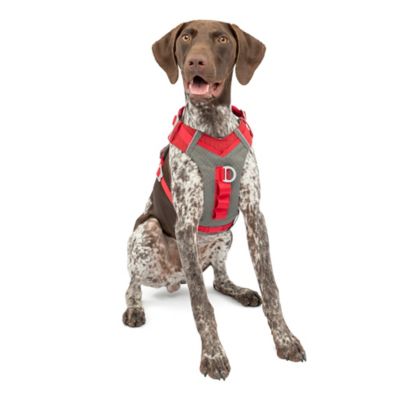
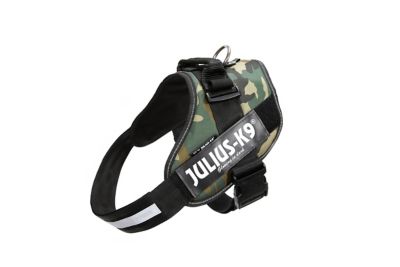
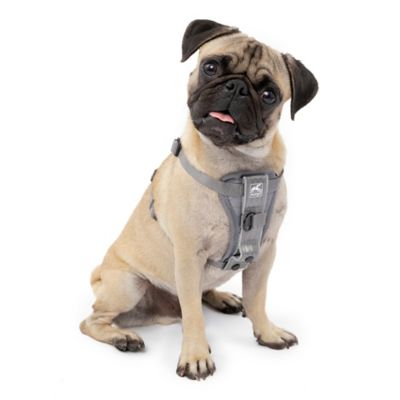
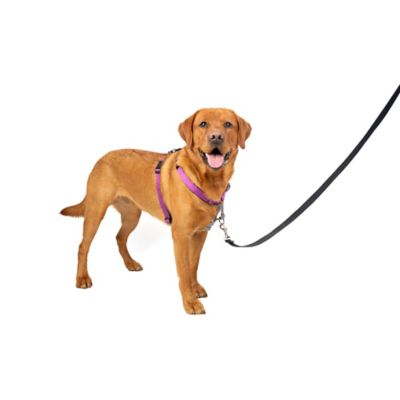
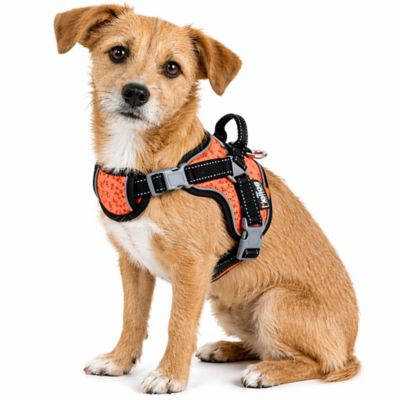
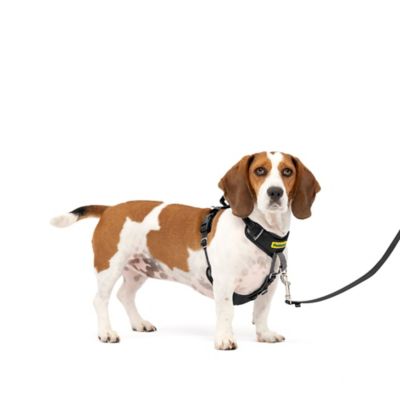
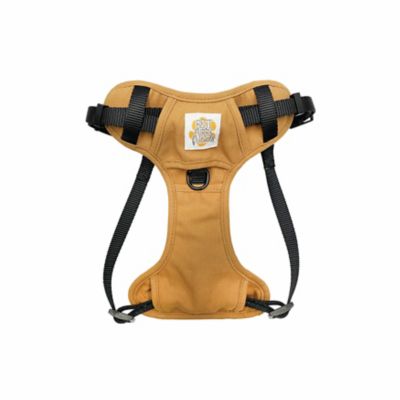
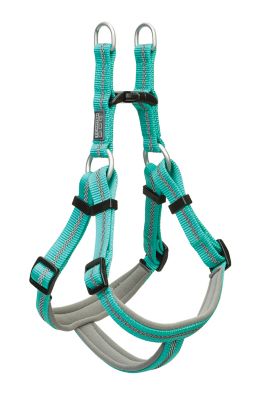
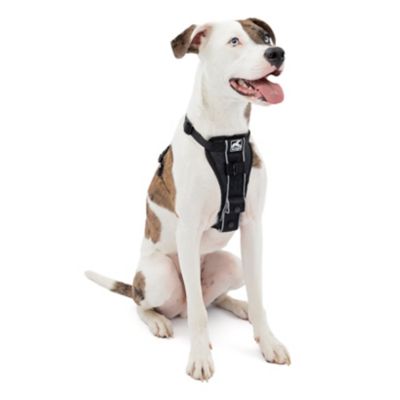
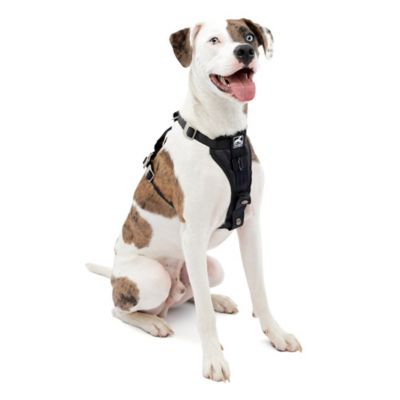
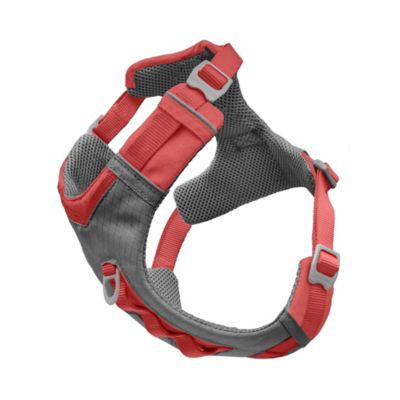
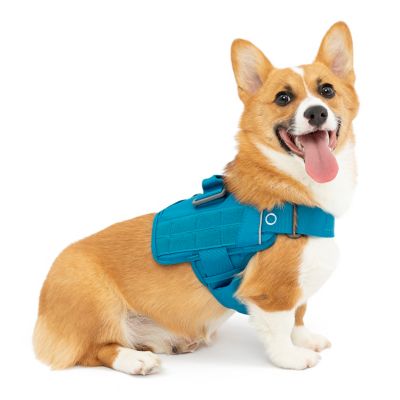
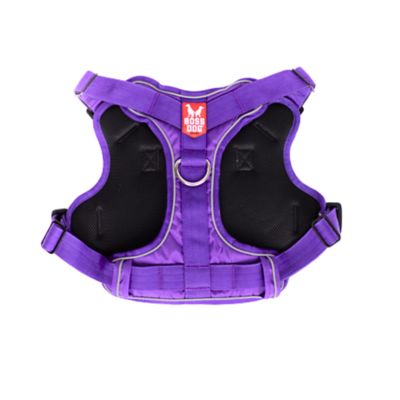
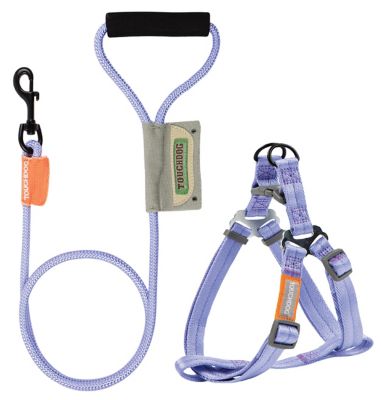
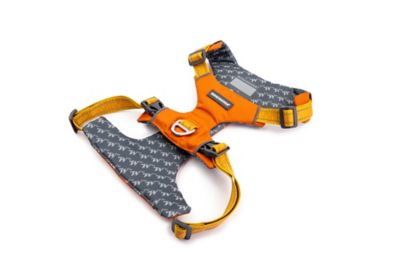
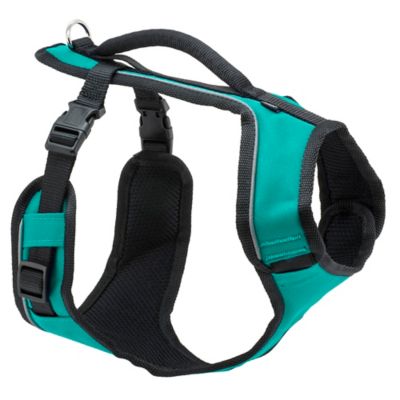
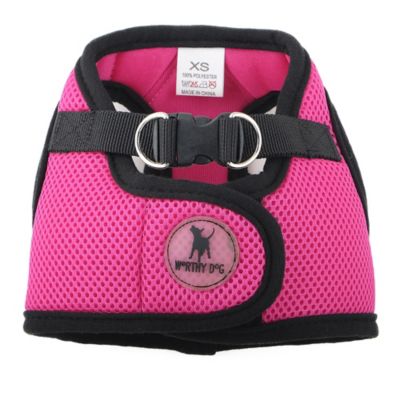
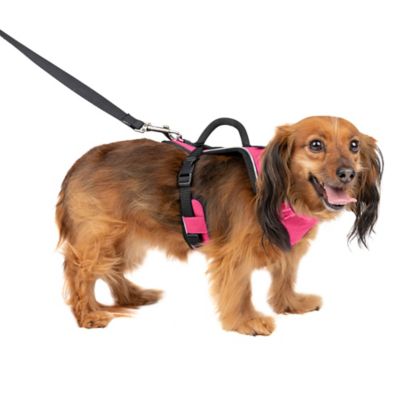
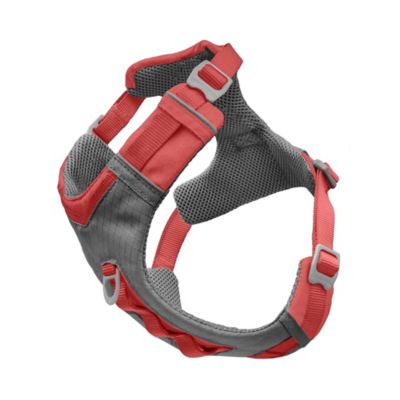
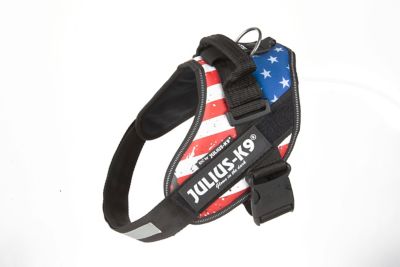
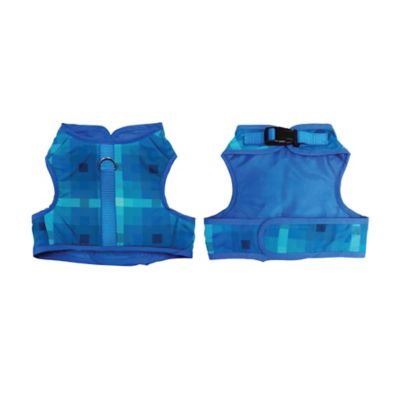
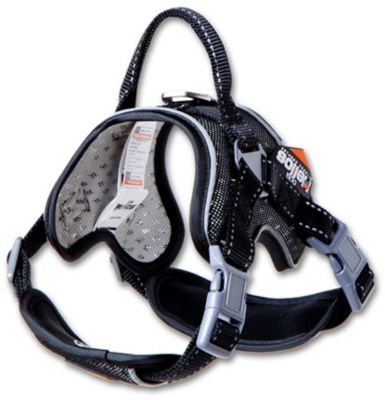
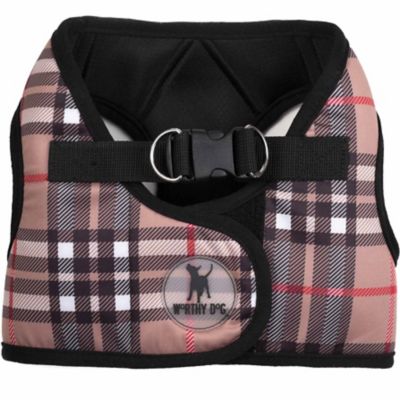
Heavy-duty dog harnesses are built for dogs that put their walking gear through plenty of work, from a strong puller heading down the lane to an active companion covering miles of trail. Compared with lighter walking styles, these harnesses often have wider straps, reinforced seams, substantial leash rings, and chest panels that spread leash pressure across the torso rather than concentrating it at the neck. That construction can give handlers a steadier connection without making the dog’s everyday routine feel cumbersome. The details matter more than a tough-looking exterior, though. Nylon and polyester webbing are common choices for strength and resistance to abrasion, while woven fabric panels add coverage across the chest and back. Some designs feature high-denier nylon, including 1000D fabric; denier describes the thickness of the individual fibers, not a guarantee that the entire harness will stand up to every kind of strain. Stitching, strap layout, buckle construction, and attachment points all contribute to how the harness holds together. Reinforcement is especially important around leash rings and handles, where a sudden tug places extra demand on the fabric. Metal hardware can provide a substantial connection, but its shape, finish, and attachment deserve as much attention as the material itself. Plastic buckles may keep weight down and make fastening simpler, with performance depending on their construction and intended load. Smooth hardware edges and covered seams help reduce rubbing, while padding can soften contact across the breastbone and behind the shoulders. Mesh-lined sections may make a broad vest feel less enclosing, although thick padding and extra coverage also add weight. For a dog that threads through brush or spends time around gates and fence lines, a streamlined shape with secured strap ends leaves less loose material to catch. A hardworking harness balances strength, comfort, and freedom of movement instead of simply piling on more fabric and hardware.
Fit makes that construction count. Heavy-duty dog harnesses come in different shapes because two dogs of the same weight can carry that weight very differently. A deep-chested hound, a broad-shouldered retriever, and a stocky mixed-breed dog may need different chest coverage and strap placement even when their measurements land near the same size range. Chest girth, taken around the widest part of the rib cage, is often a key measurement, along with neck size and any other dimensions the sizing chart calls for. Weight is helpful context, but it should not replace measurements. For dogs whose measurements call for a larger size,
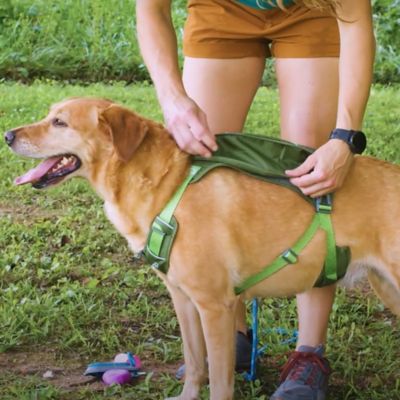
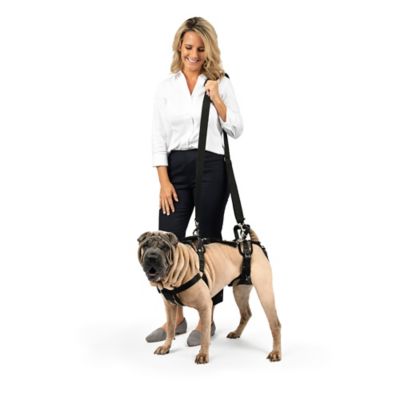
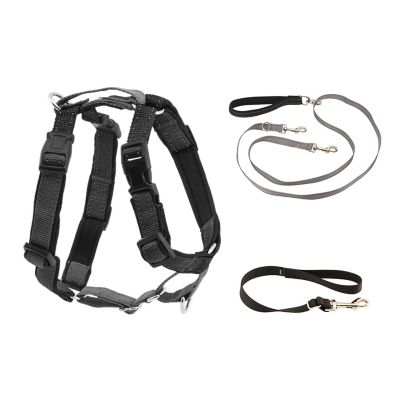
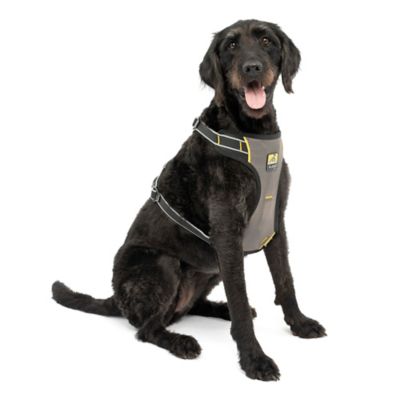
X Large Dog Harnesses provide another size category to consider, with the same attention to chest shape, adjustment range, and room to move. Multiple adjustment points help balance the fit at the neck and torso, especially when a dog has a broad chest and a narrower waist. A properly fitted harness sits securely without squeezing, twisting sideways, or sliding up toward the throat when the leash tightens. Many fitting instructions suggest enough space for two fingers beneath a strap, but the manufacturer’s directions and the dog’s movement remain important checks. The front legs should swing freely, and straps should stay clear of the soft area immediately behind the elbows. Sitting, turning, and lowering the head to sniff can reveal pressure points that are easy to miss while a dog stands still. Leash placement also changes how a harness handles. A front attachment can help redirect some dogs when they pull, while a back attachment keeps the leash above the shoulders for ordinary walks and trail outings. Dual-clip designs offer both arrangements, and certain setups accommodate a double-ended leash. No-pull features support training rather than replace it; a strong dog still needs practice walking on a loose leash. A back handle can offer brief, close guidance through a narrow gate or past a distraction, but an ordinary control handle is not a lifting point unless the harness is expressly designed for that purpose.
The right heavy-duty harness fits the job as well as the dog. Someone walking a muscular companion along a gravel drive may value straightforward buckles and a secure back clip, while a handler practicing leash manners near other dogs may prefer a front attachment and more adjustment through the chest. Longer outings can make weight, lining texture, and shoulder clearance especially noticeable. Broad tactical-style vests sometimes include attachment panels, patch areas, or accessory loops, but extra features earn their place only when they serve the outing. Accessories should stay light, balanced, and within the manufacturer’s limits so they do not interfere with movement or pull the harness out of position. Reflective trim can make a dog easier to spot when light is limited, though it does not replace a leash, attentive handling, or separation from traffic and equipment. Around livestock, a secure harness is one part of responsible control, not permission for a dog to approach animals that may kick, charge, or spook. Vehicle travel calls for separate attention, too: a walking harness is not automatically a crash-tested restraint, even if it includes a handle that a seat belt can pass through. Everyday care helps preserve the harness’s strength and keeps grit from working against the dog’s skin. Mud, hair, and debris can collect beneath padding, inside buckles, and around stitched joints. Cleaning should follow the care label, whether that means hand washing or another specified method, with thorough rinsing and complete drying before the next outing. Harsh cleaners and high heat may damage fabric, coatings, or fastening parts. Regular checks should cover frayed webbing, loosened stitches, cracked buckles, distorted rings, and adjustment sliders that no longer hold their position. Chewing can weaken even substantial straps, so harnesses belong out of reach between outings and generally off the dog during unattended downtime. For households with active dogs, a well-fitted harness is practical gear for daily walks, training sessions, and time beyond the yard. Consistent fit checks and sensible care help keep that gear ready for the next trip down the lane.